

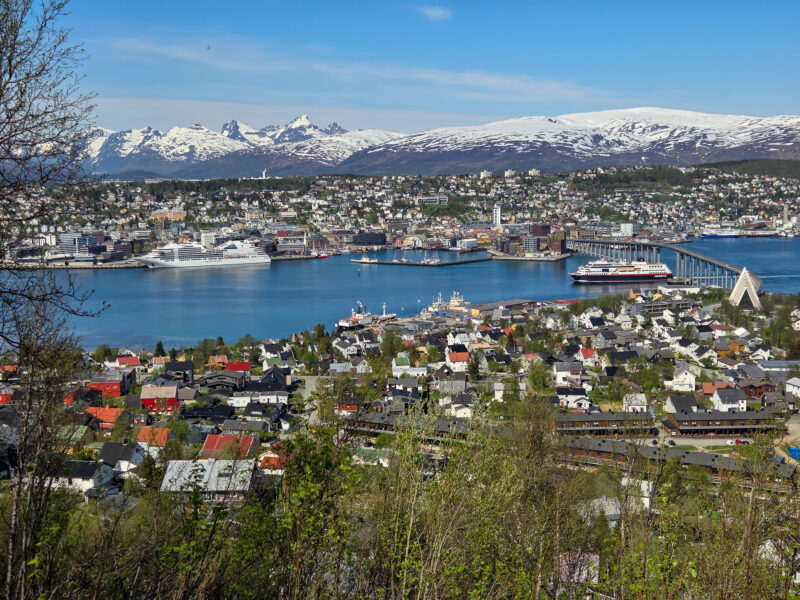
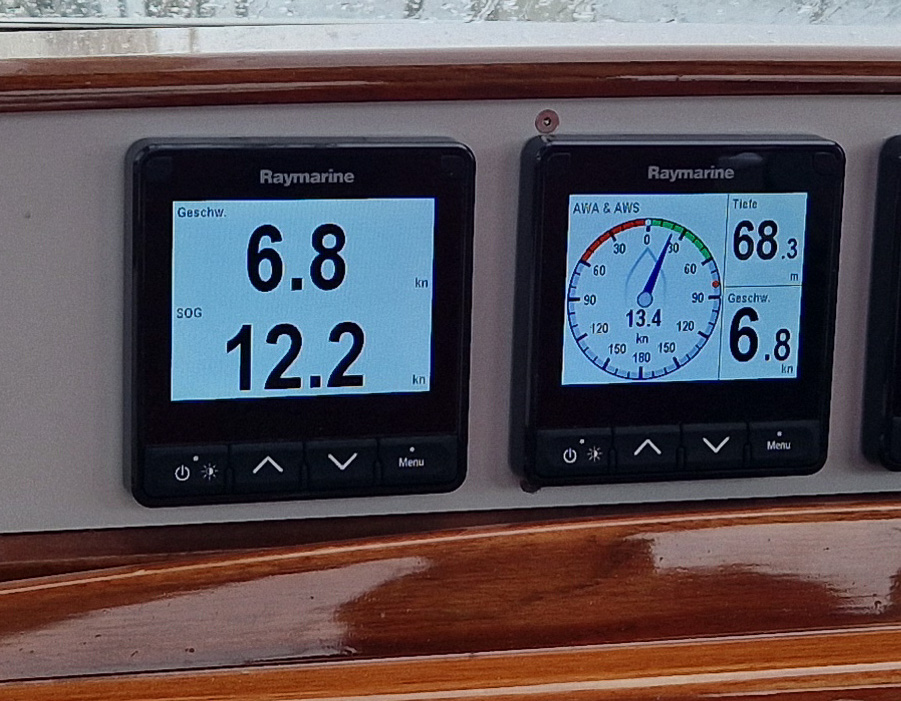
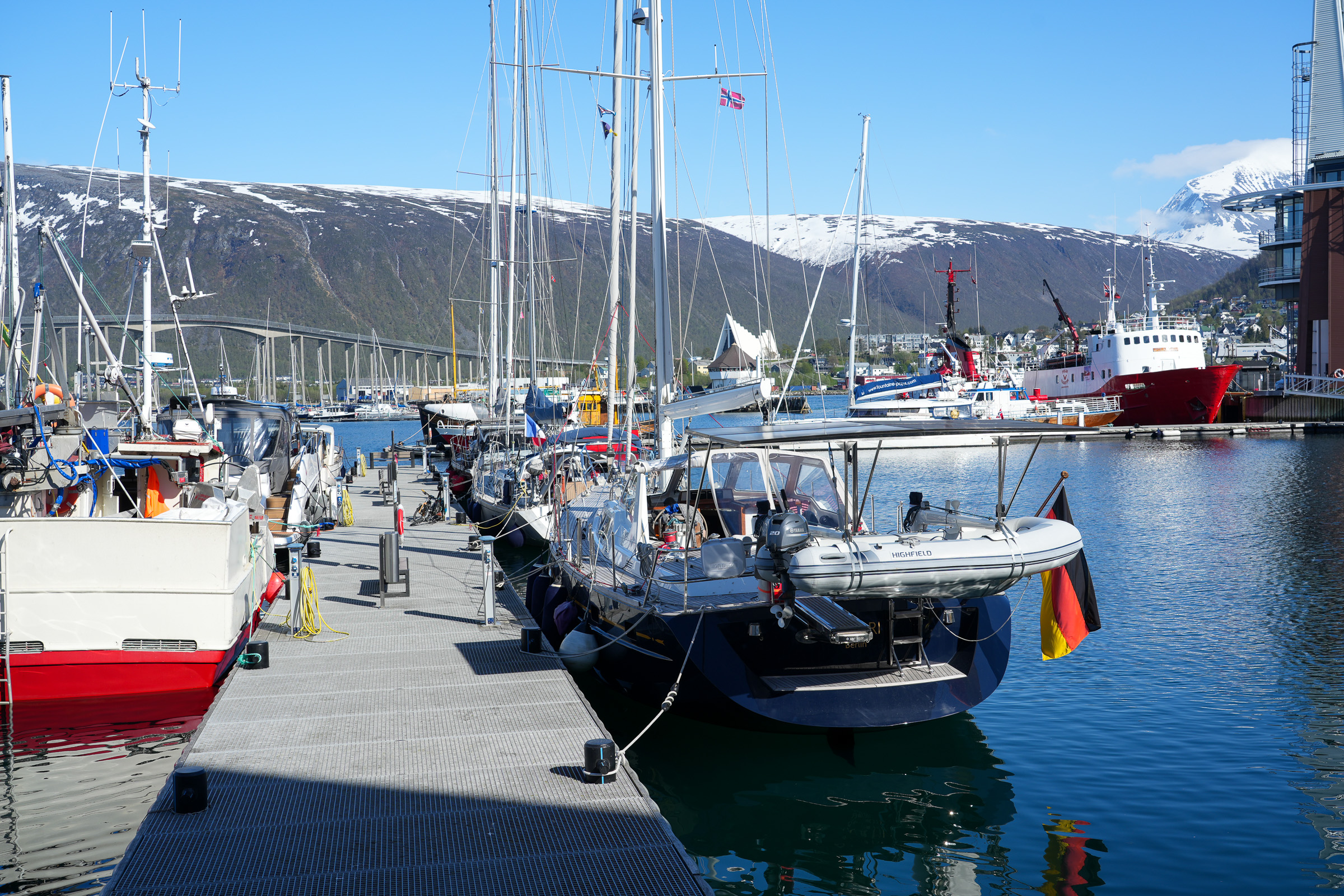
Our next destination is the “Paris of the North”, Tromsø. The weather is overcast with occasional sailing wind, and we get a good push from astern in the Rystraumen. Tromsø greets us rather quietly at first: damp, cool, and with barely a break in the cloud cover. At least we secure a good berth, surrounded by larger sailing yachts heading to or returning from Svalbard. Peppe’s Pizza saves us from cooking in the evening.
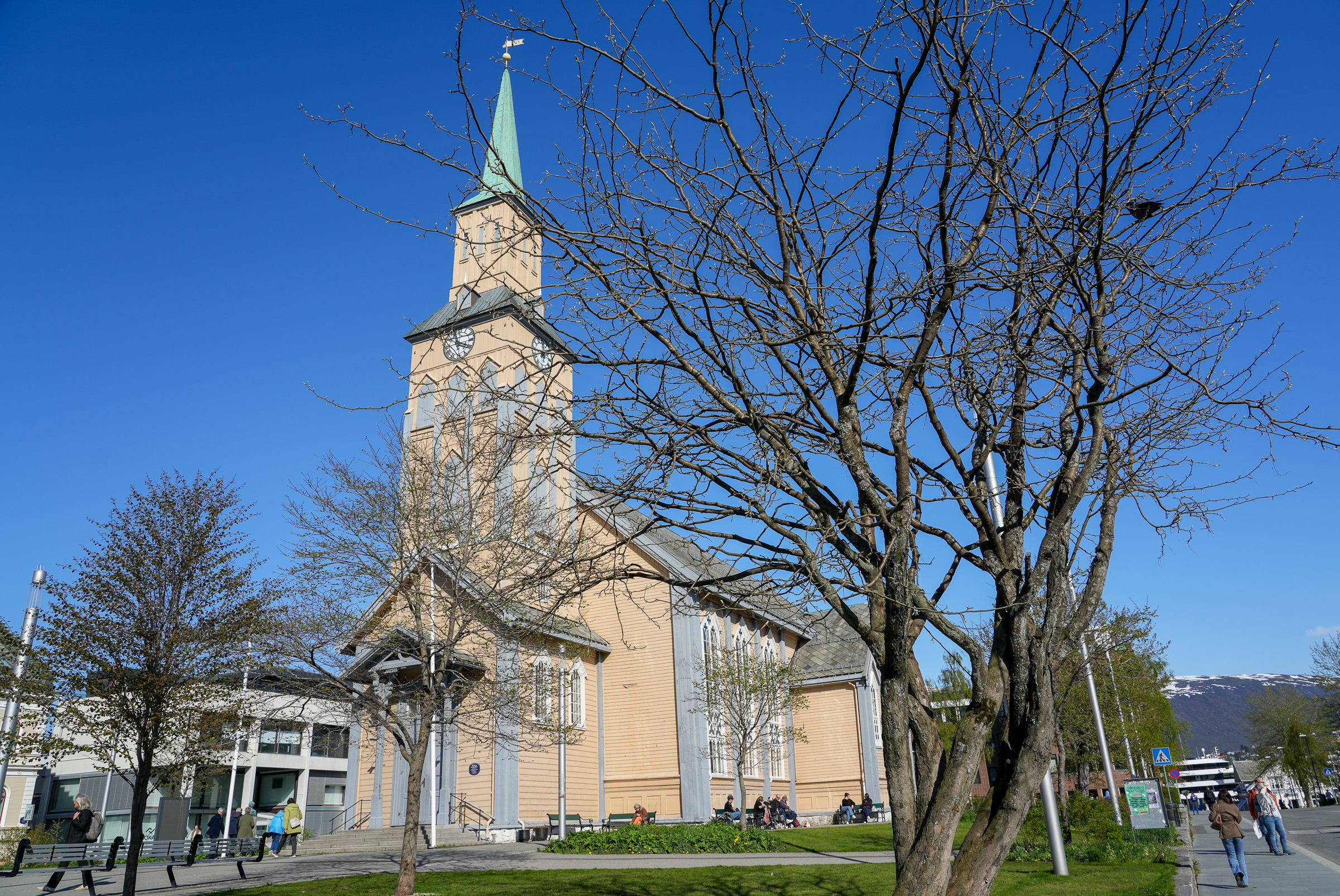
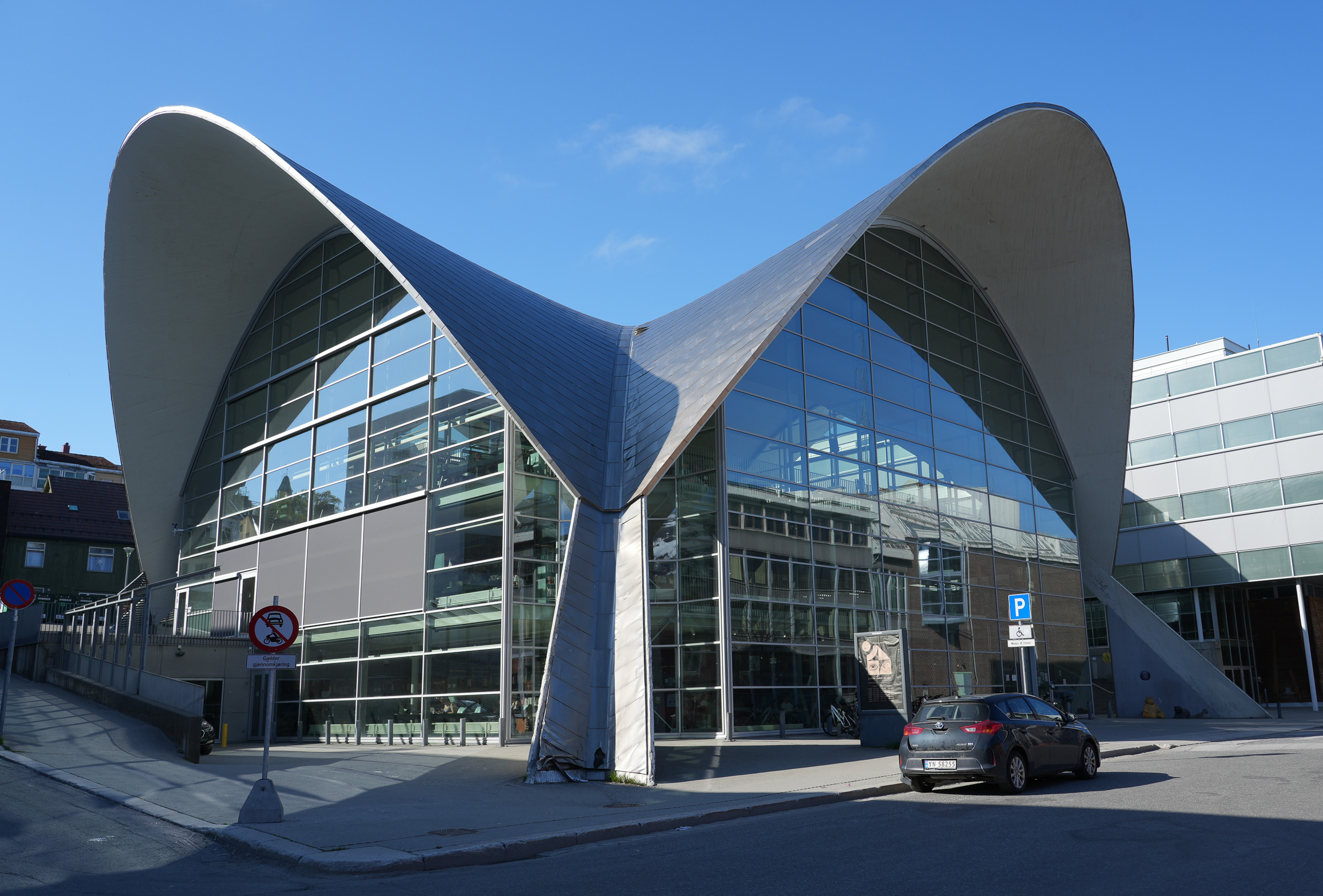
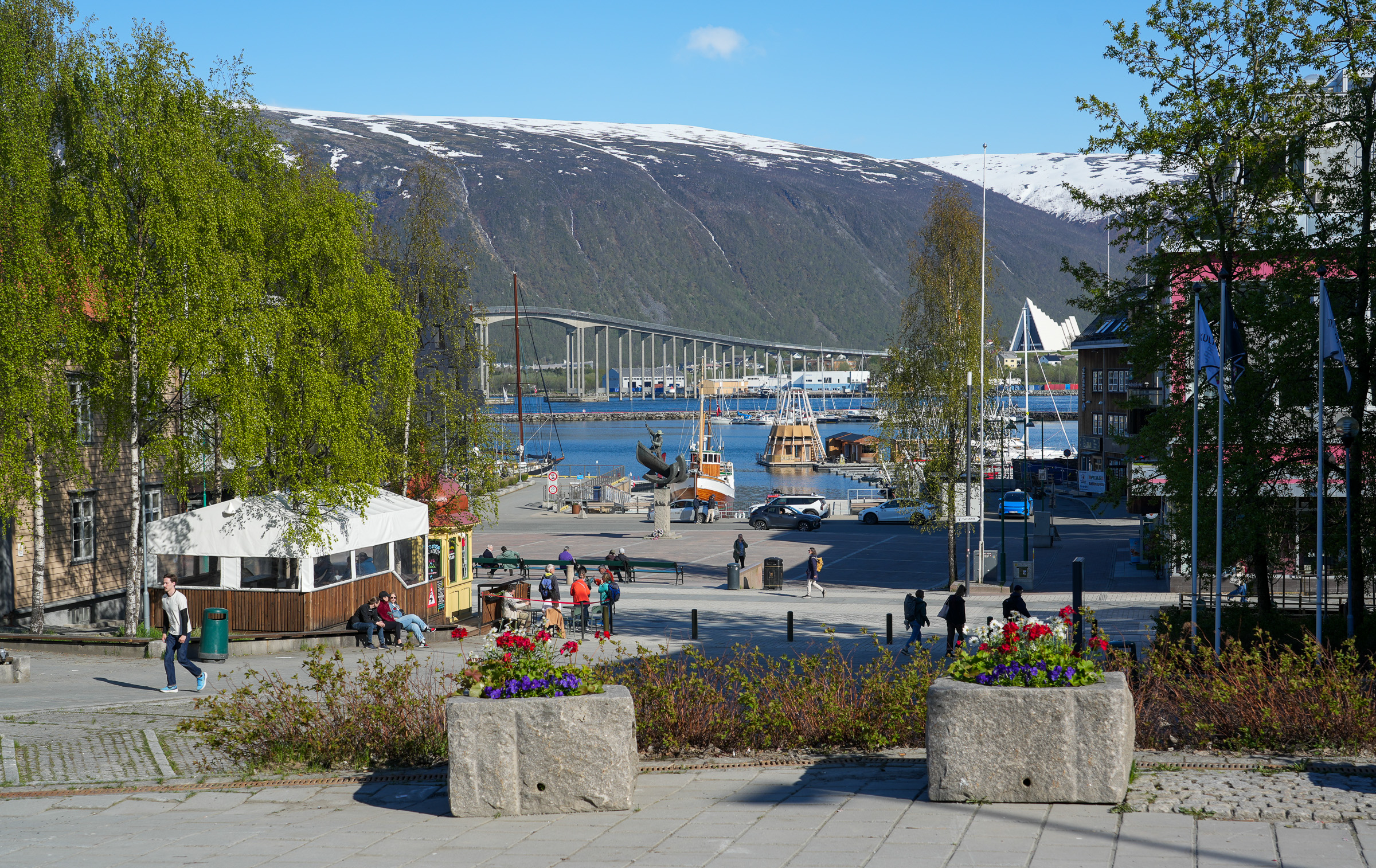
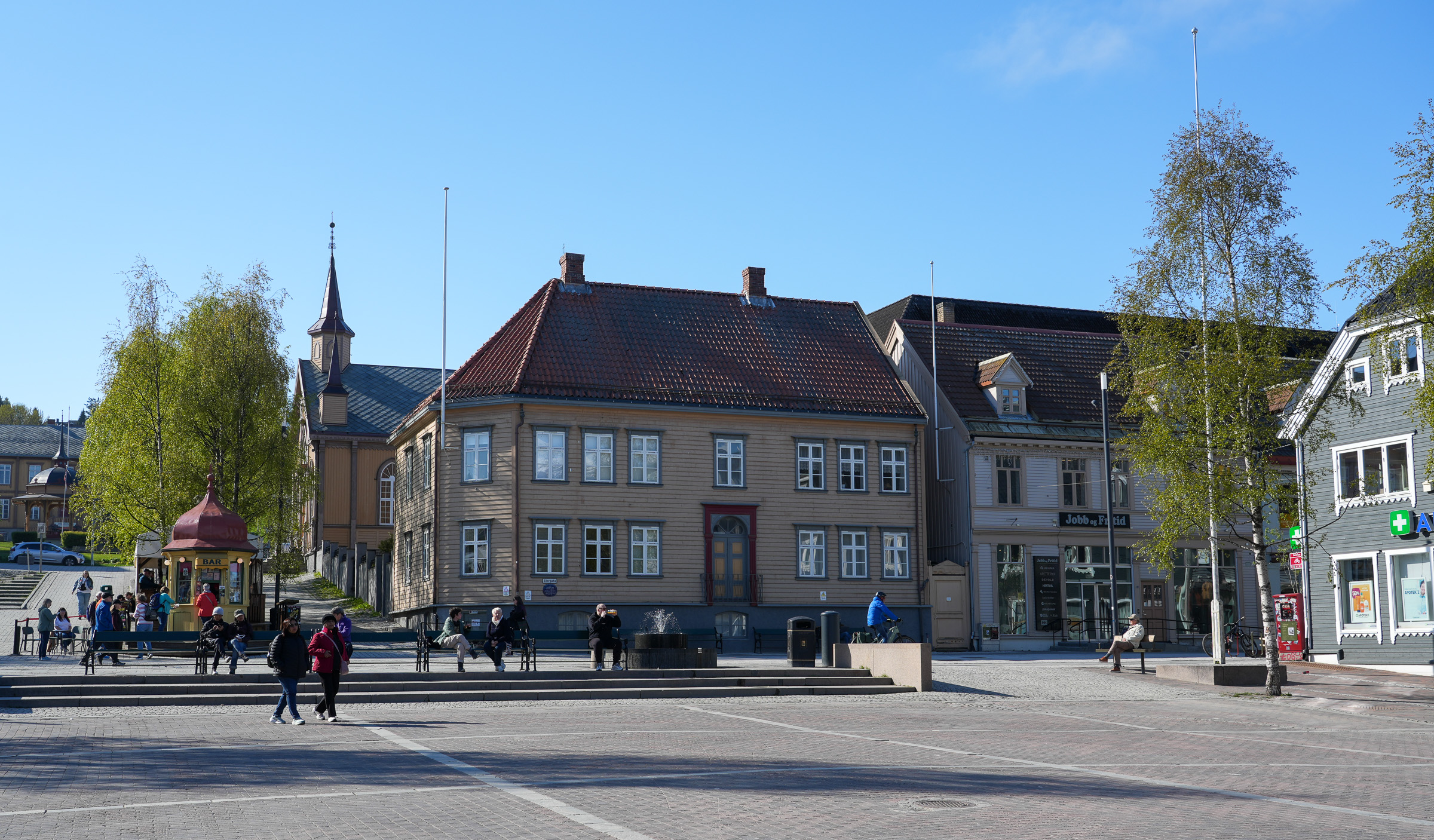
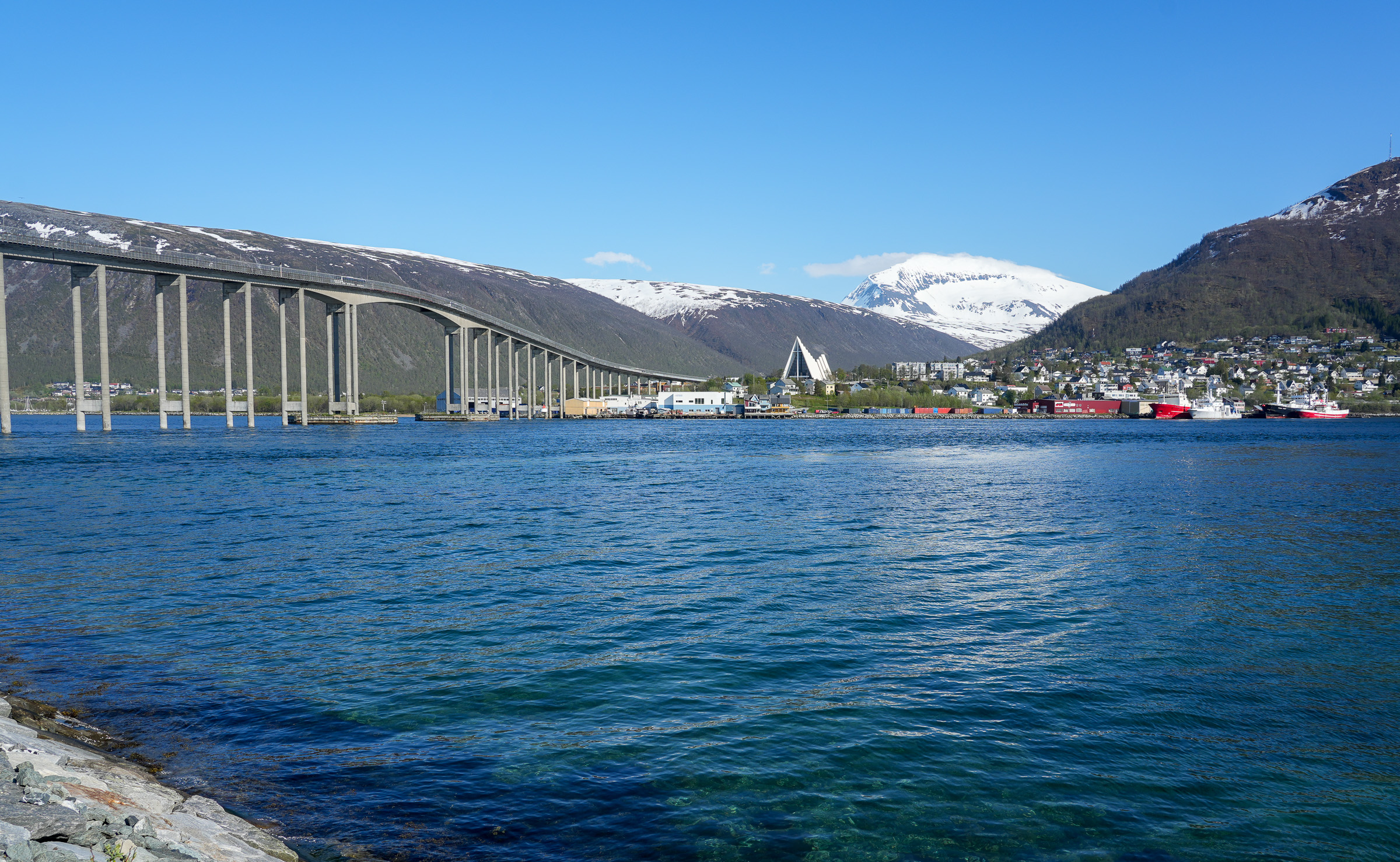
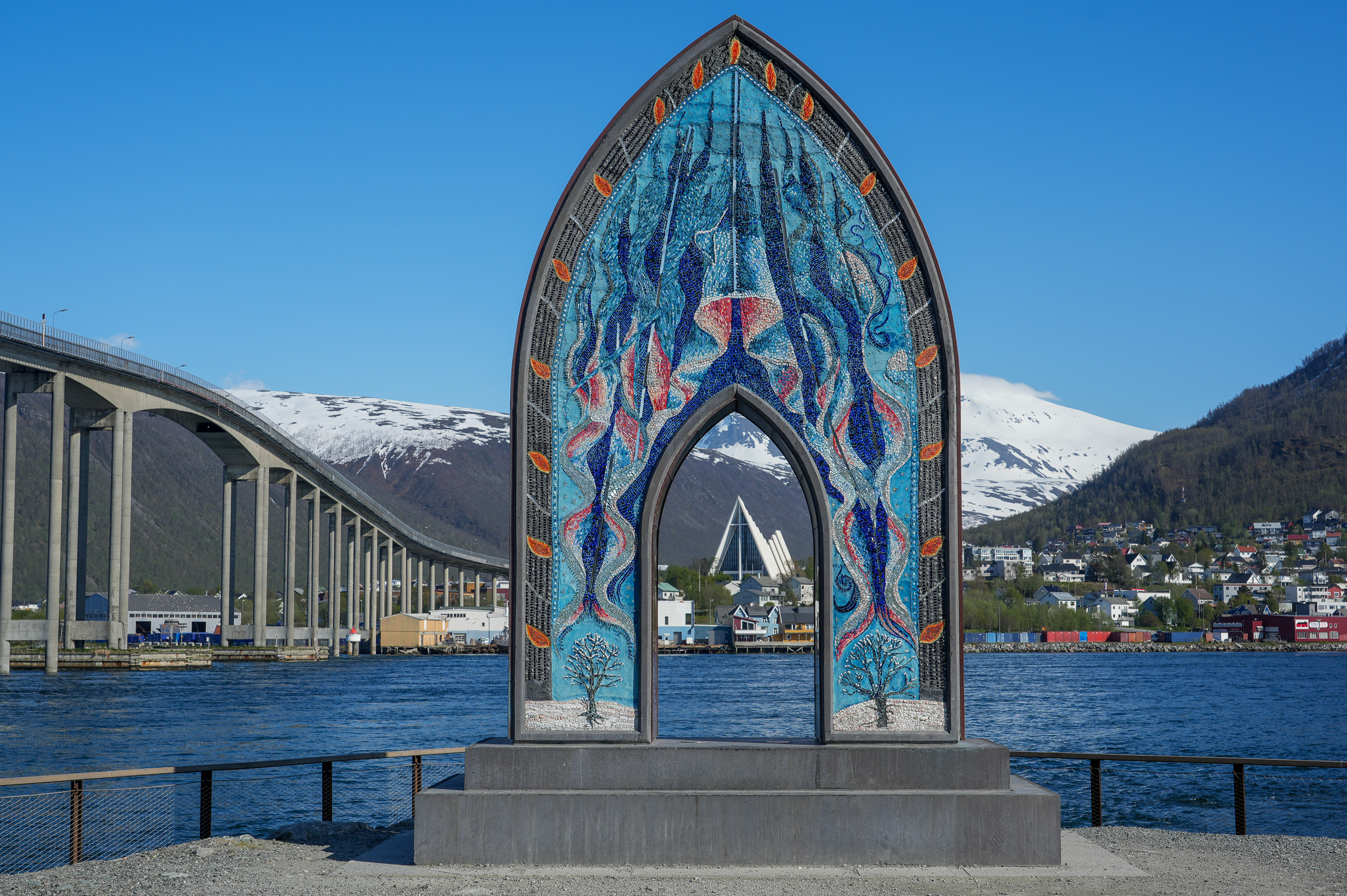
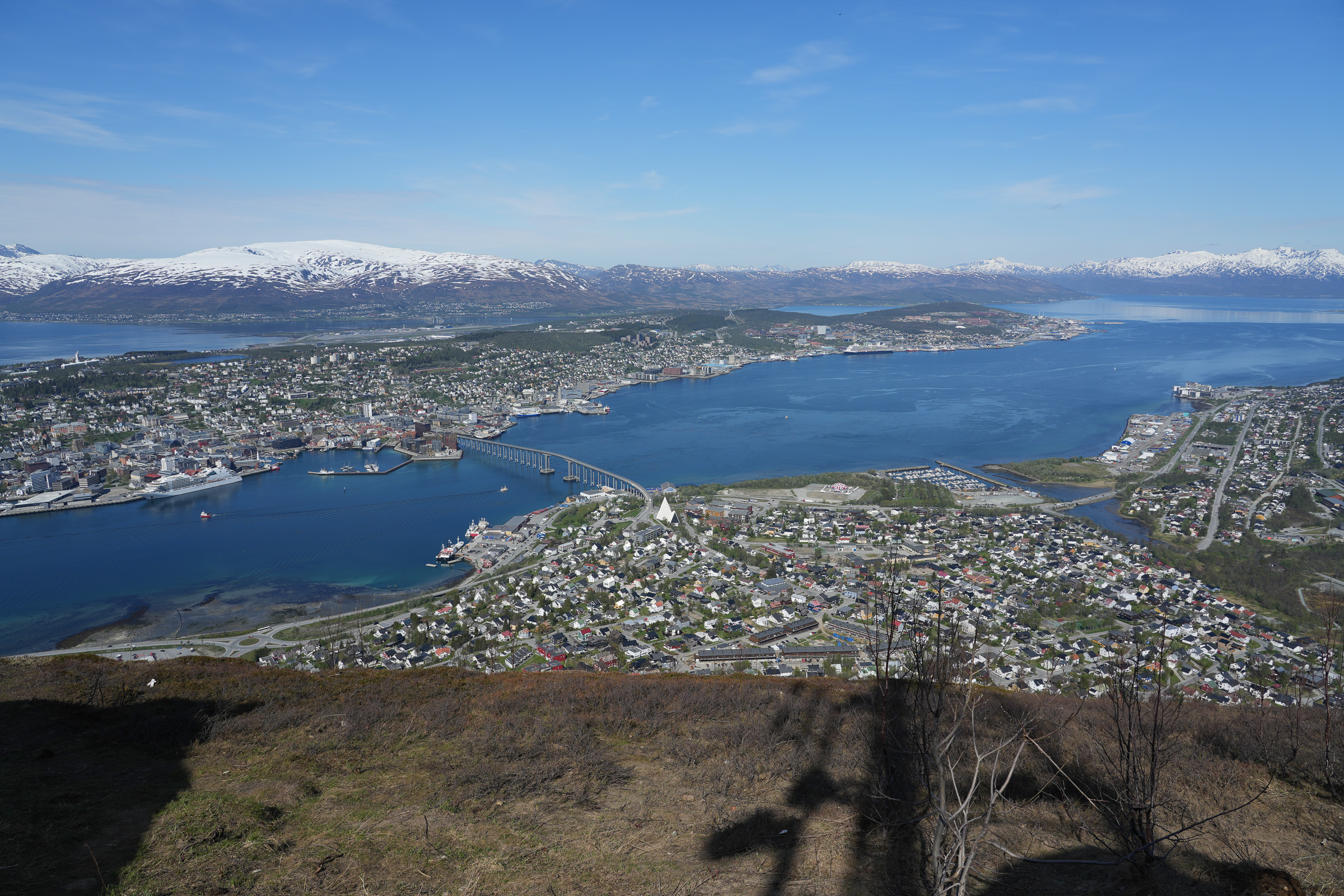
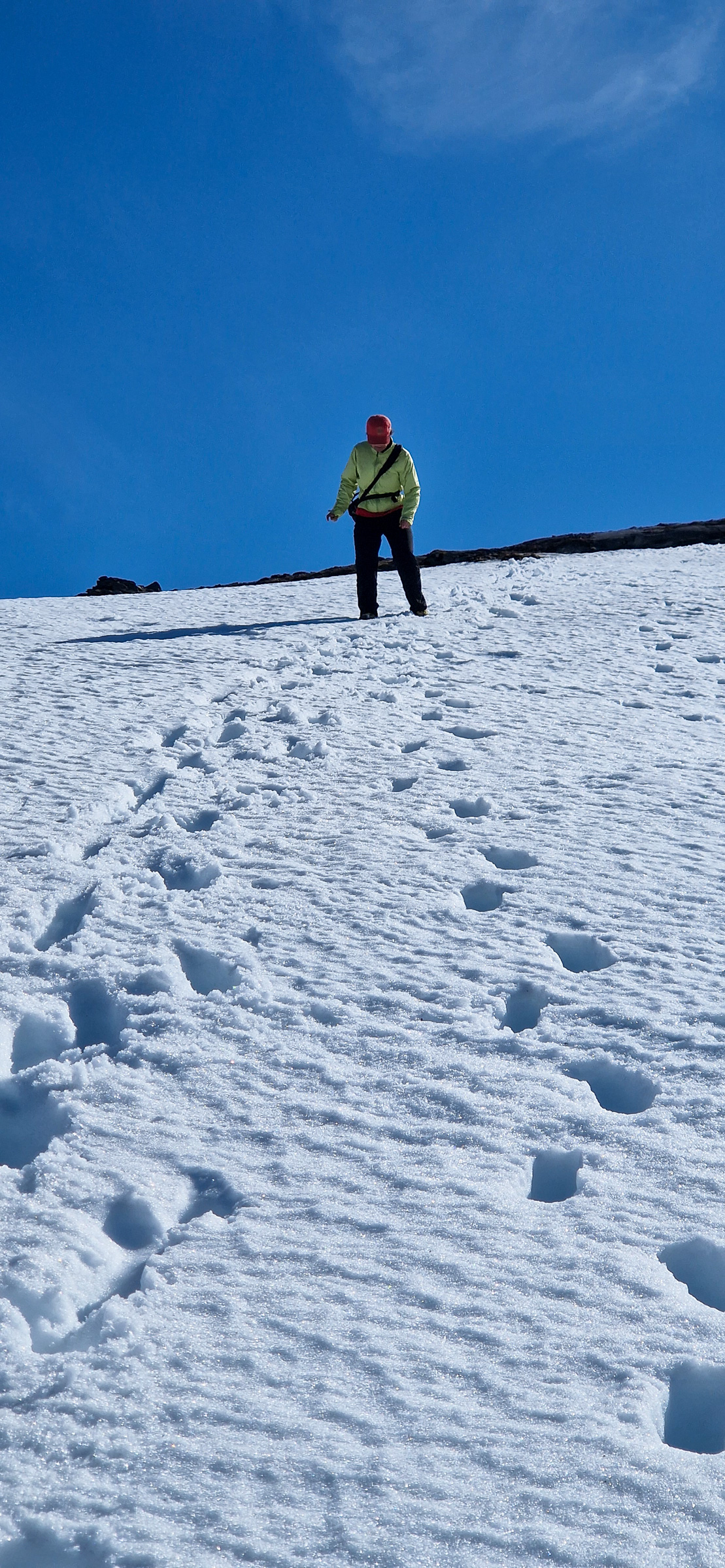
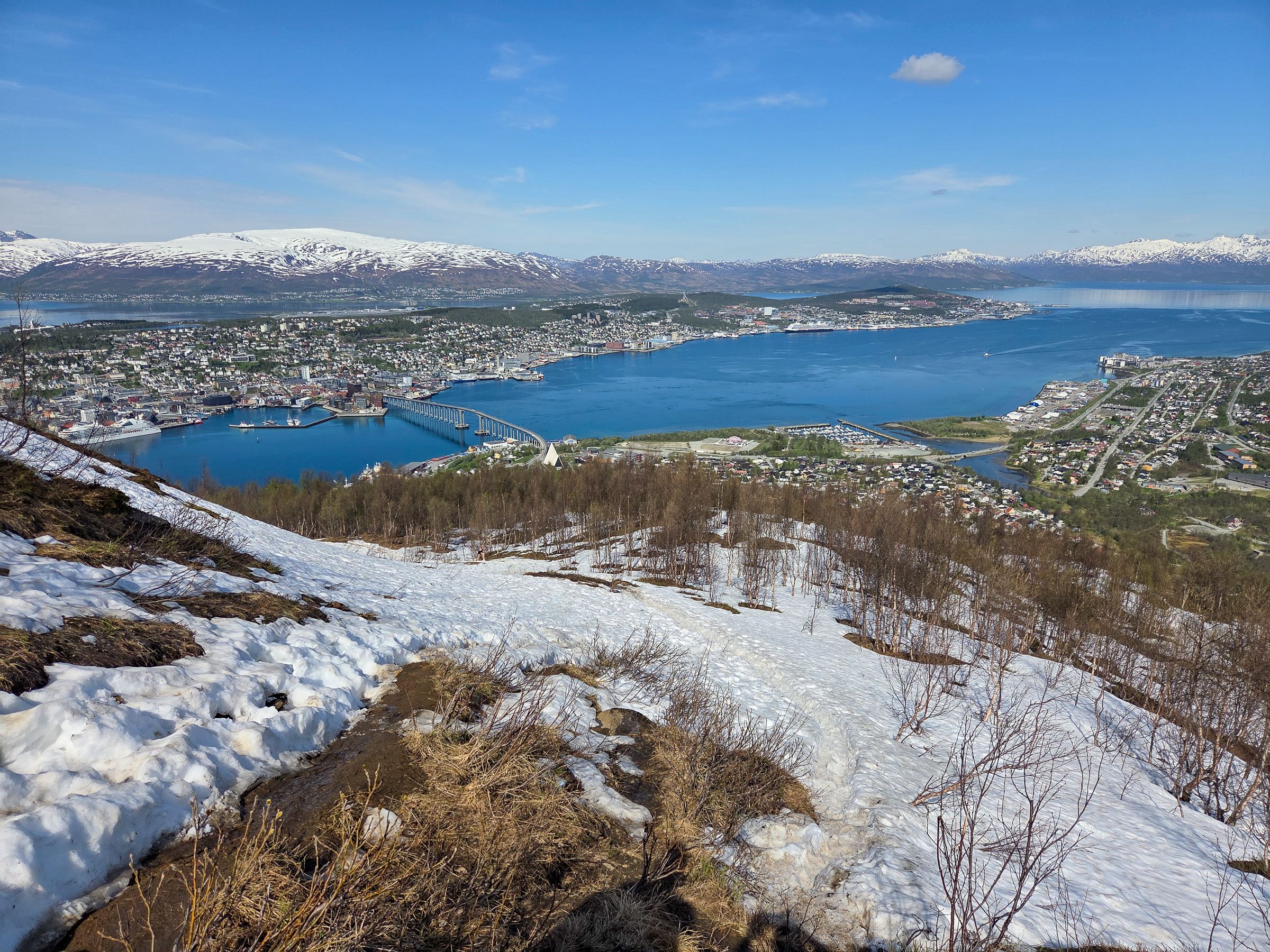
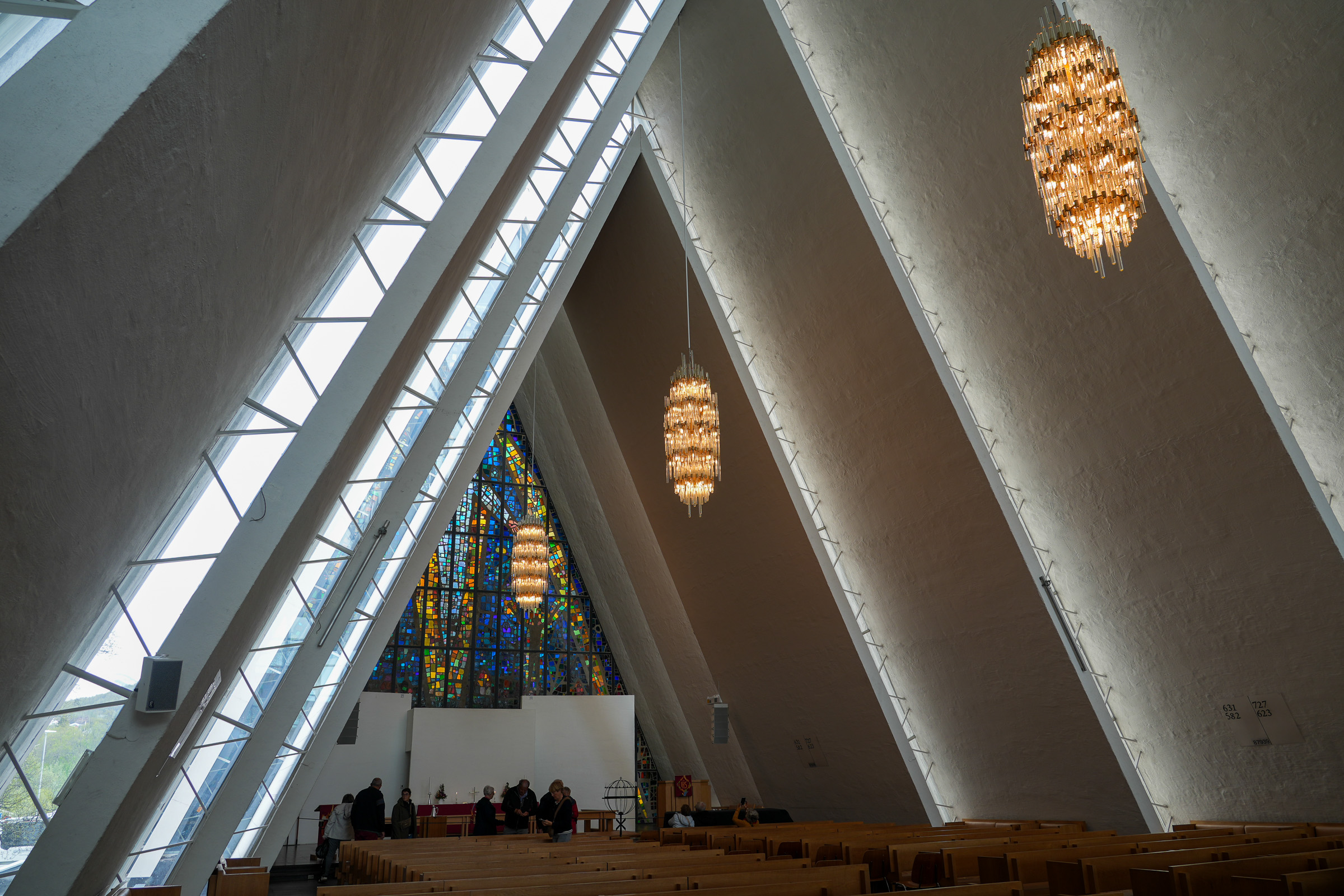
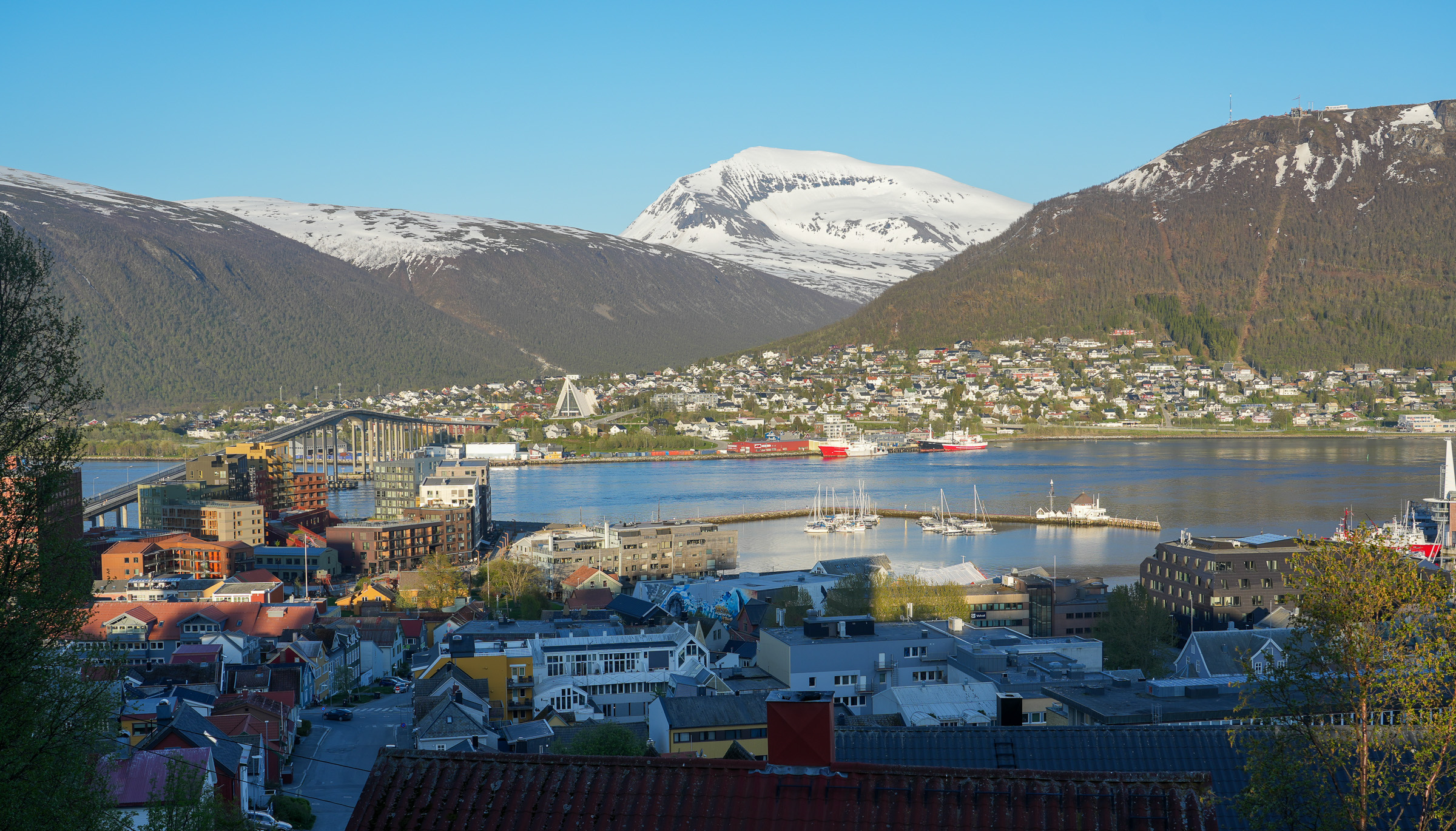
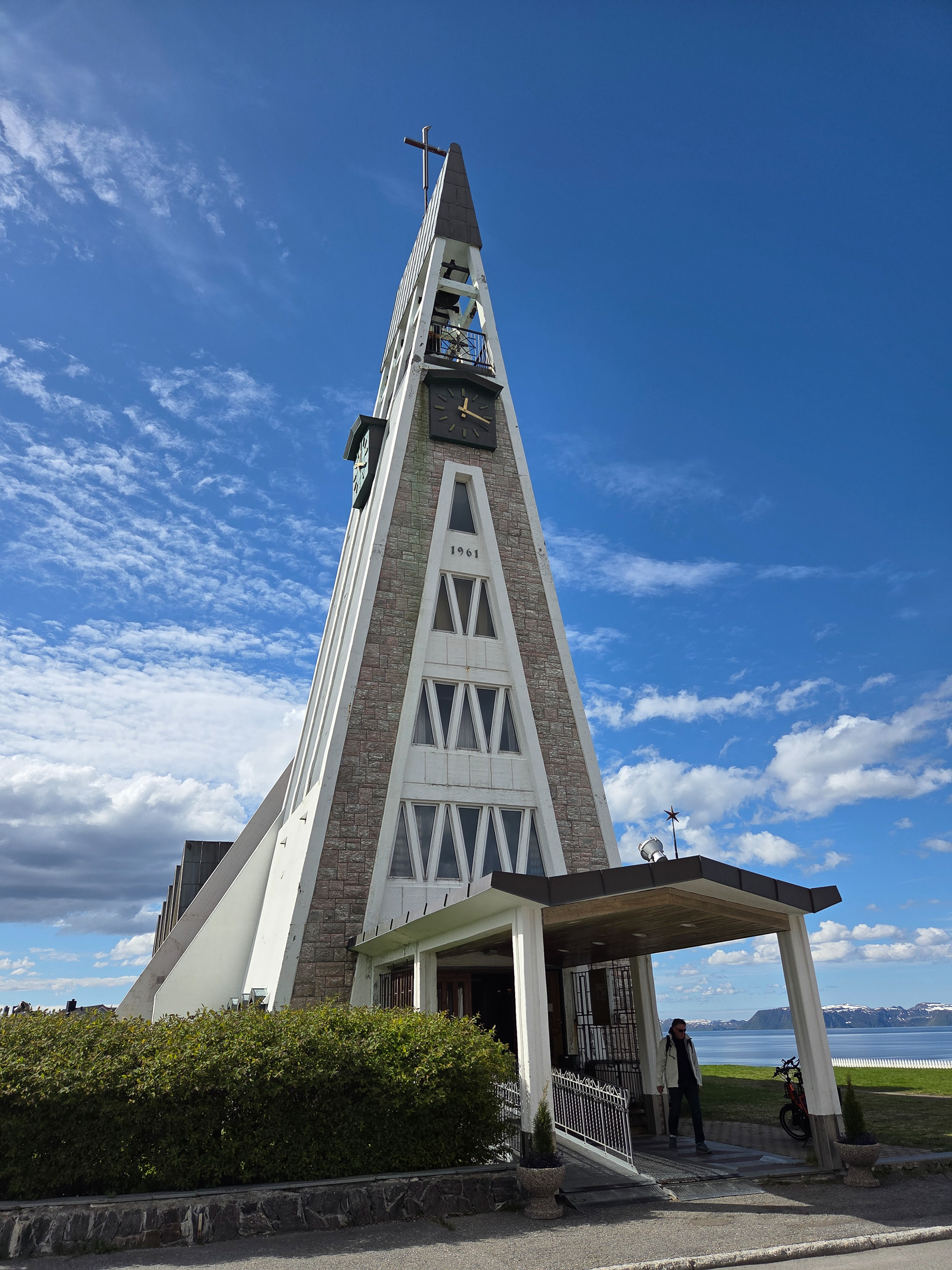
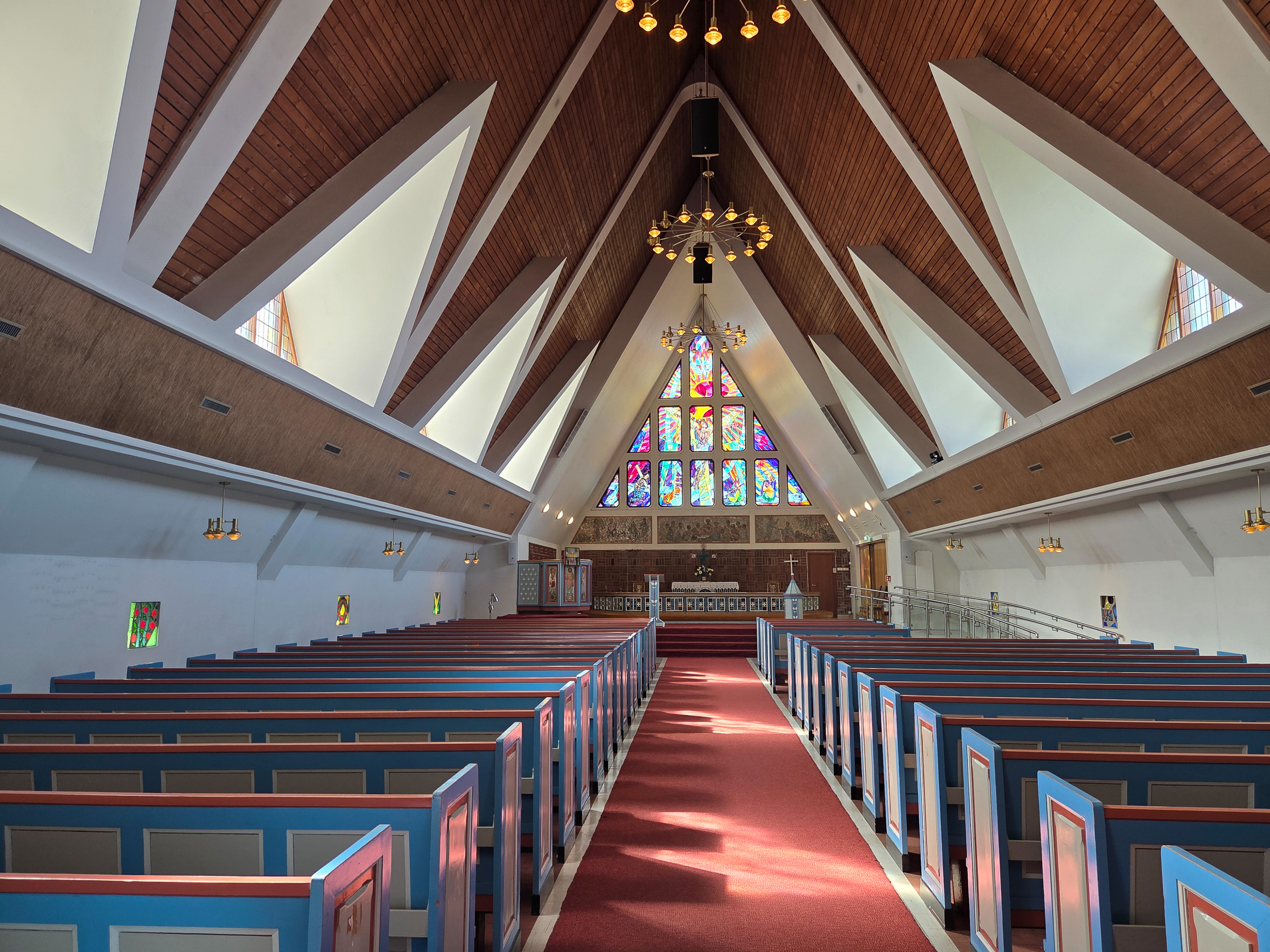
Over the next few days, we run errands, do laundry, and receive our packages from TO base manager Ben. The hike up to Fjellheisen via the Sherpa steps and back down along the rather steep trail is quite demanding. There are still snowfields on the paths and steps, making the ascent and descent more challenging. The cable car is closed for renovation, so we meet only other hikers and workers at the top. Once again, the view over Tromsø and its surroundings is breathtaking under clear blue skies. After the descent, we make a short stop at the Arctic Cathedral, one of Tromsø’s landmarks.
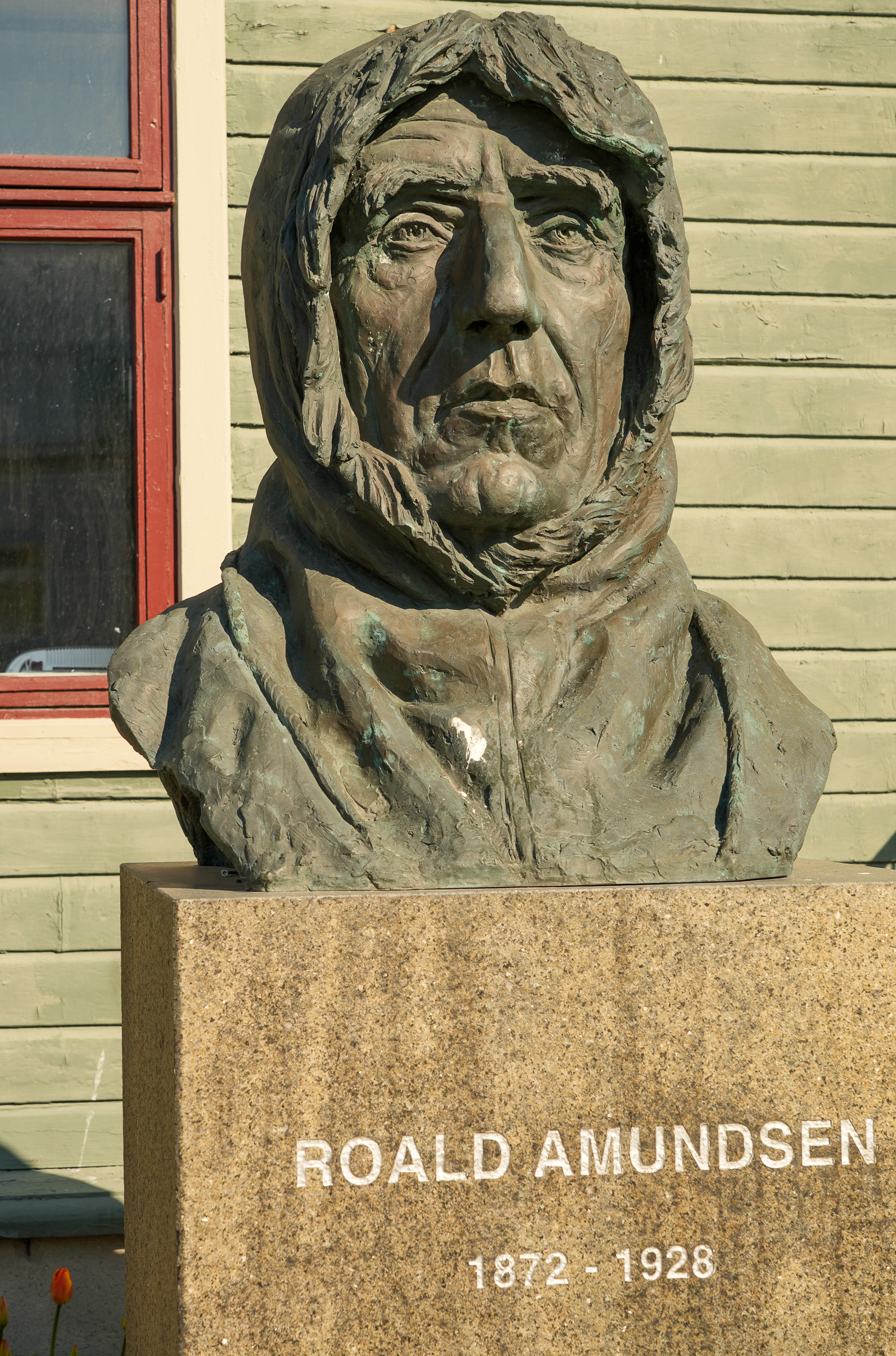
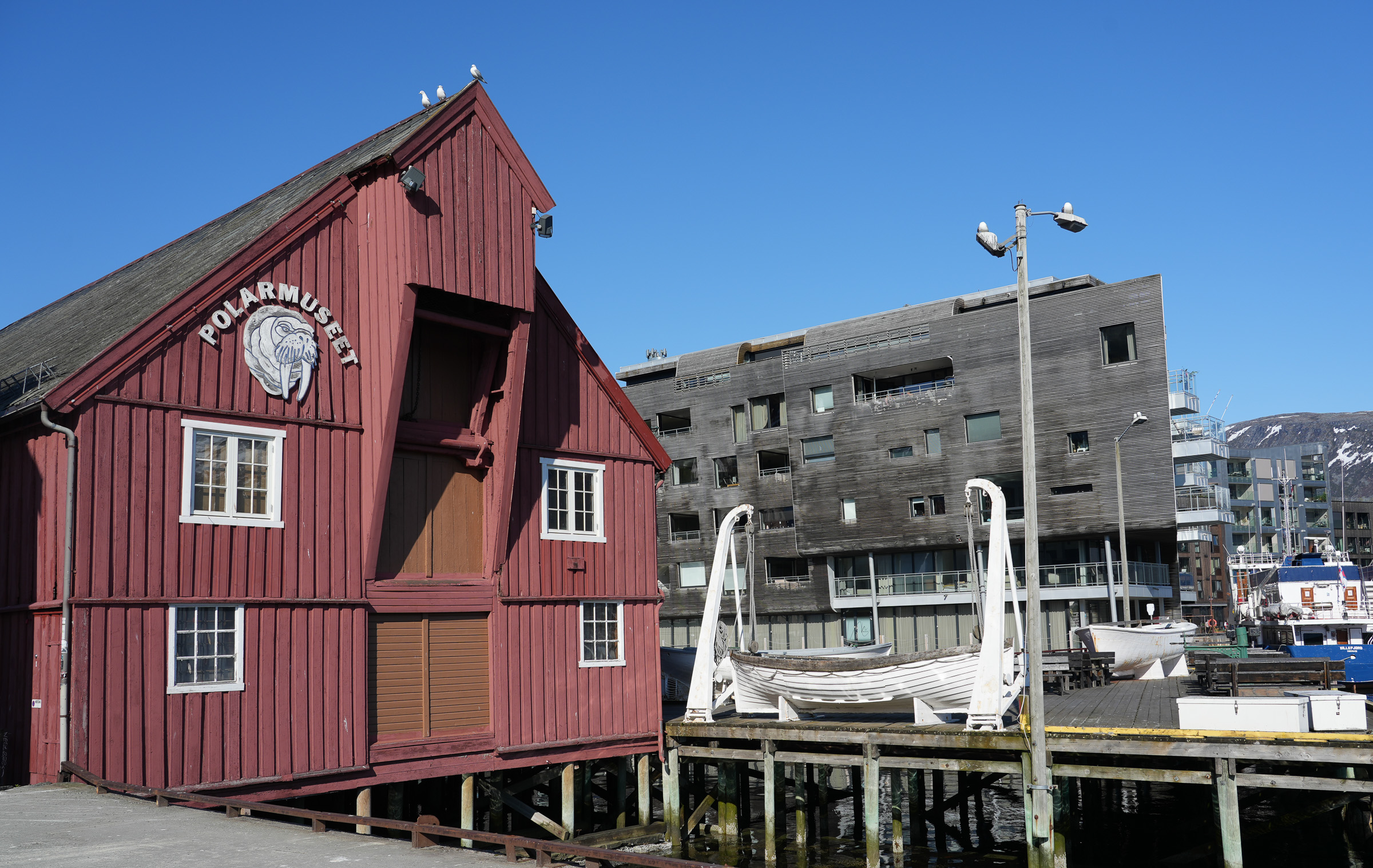
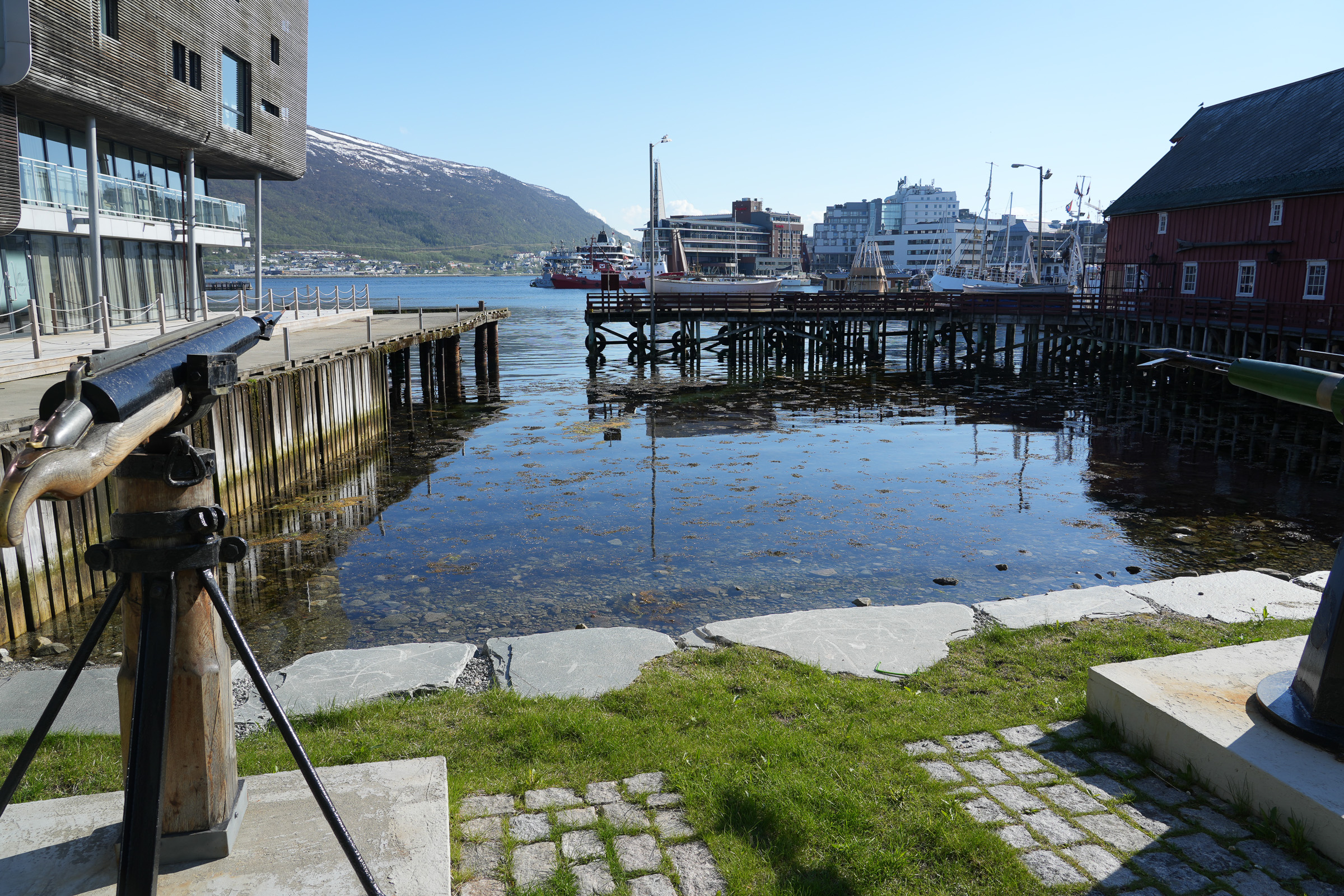
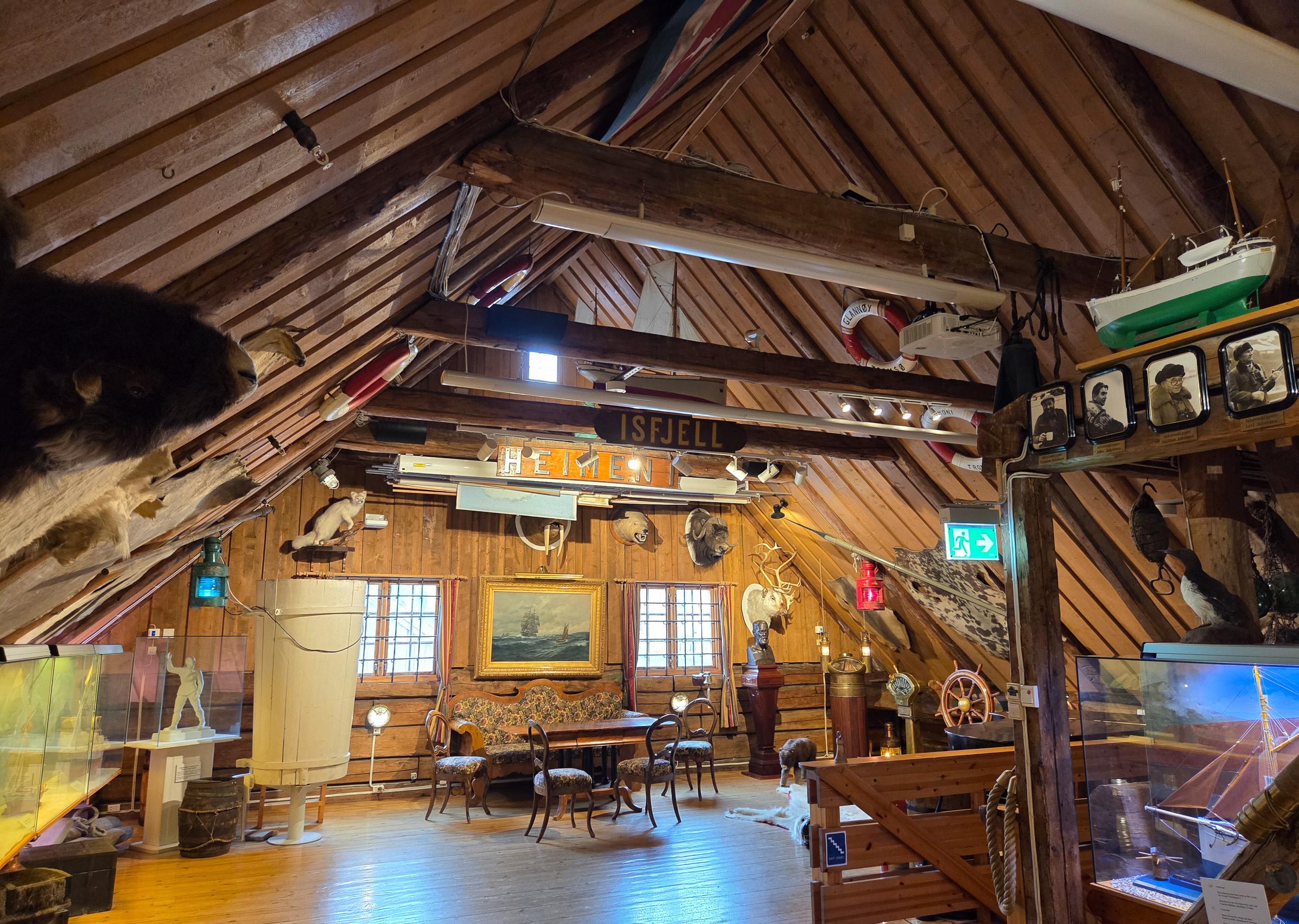
On Klaus’s birthday, it is unfortunately raining, so we enjoy a long, relaxed breakfast before heading to the Polar Museum, which vividly documents the polar expeditions of Amundsen, Nansen, and other explorers. The museum is the perfect introduction to Polaria, an aquarium showcasing Arctic wildlife and exhibitions on the impact of climate change on food chains and living conditions in the Arctic region, as well as impressive films about the Northern Lights and the nature of Svalbard. The stars of the show are, of course, the seals and bearded seals during training and feeding time.
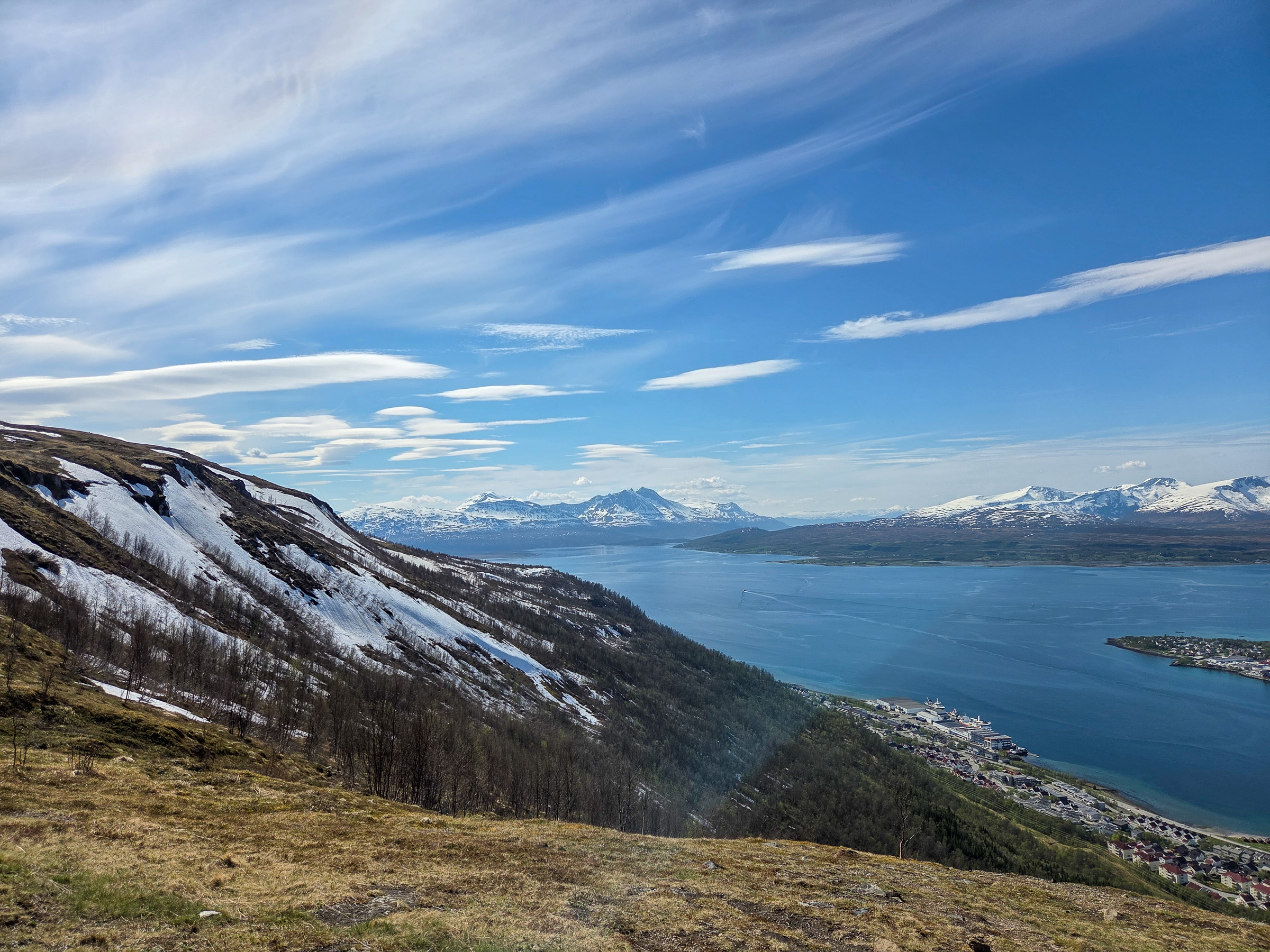
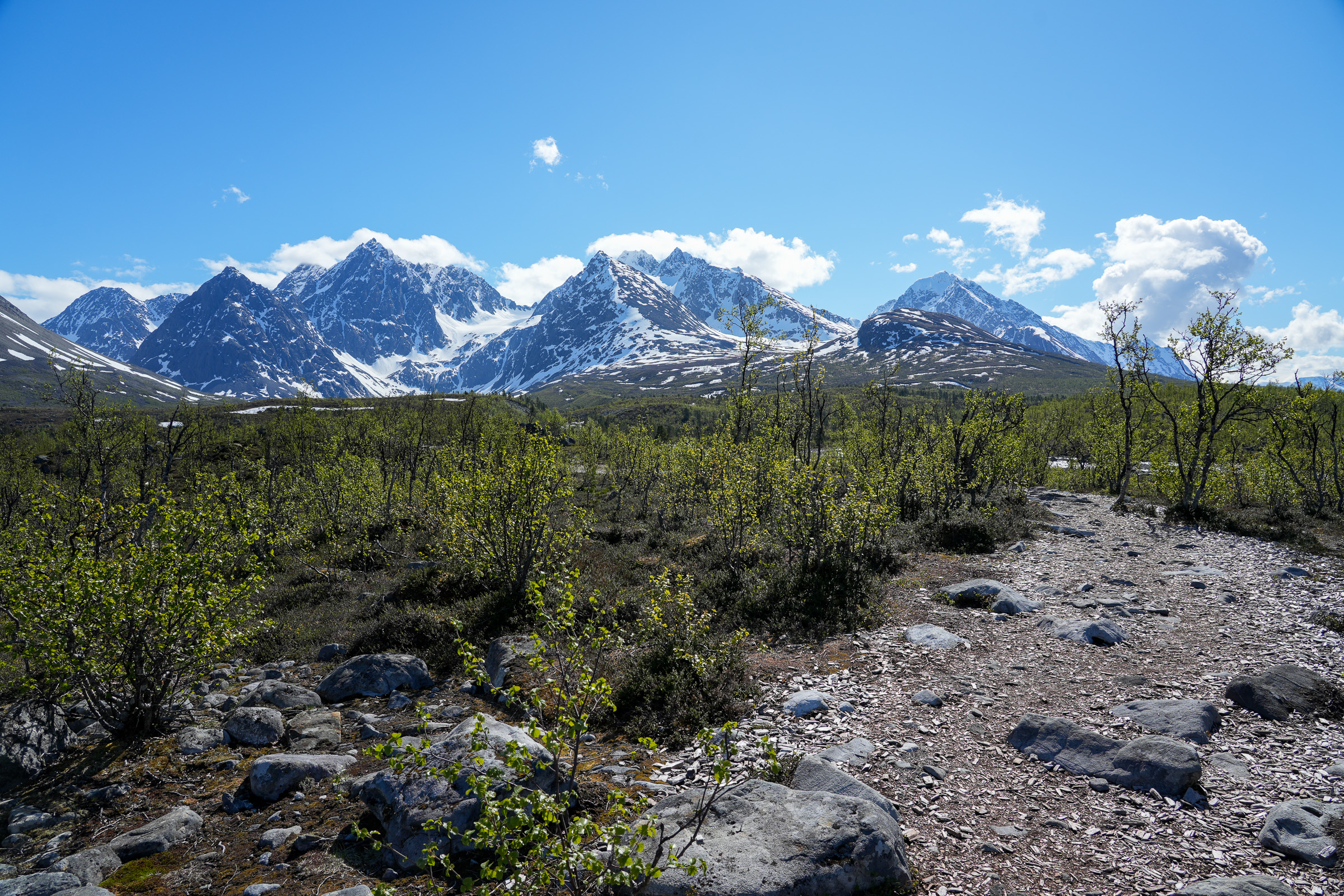
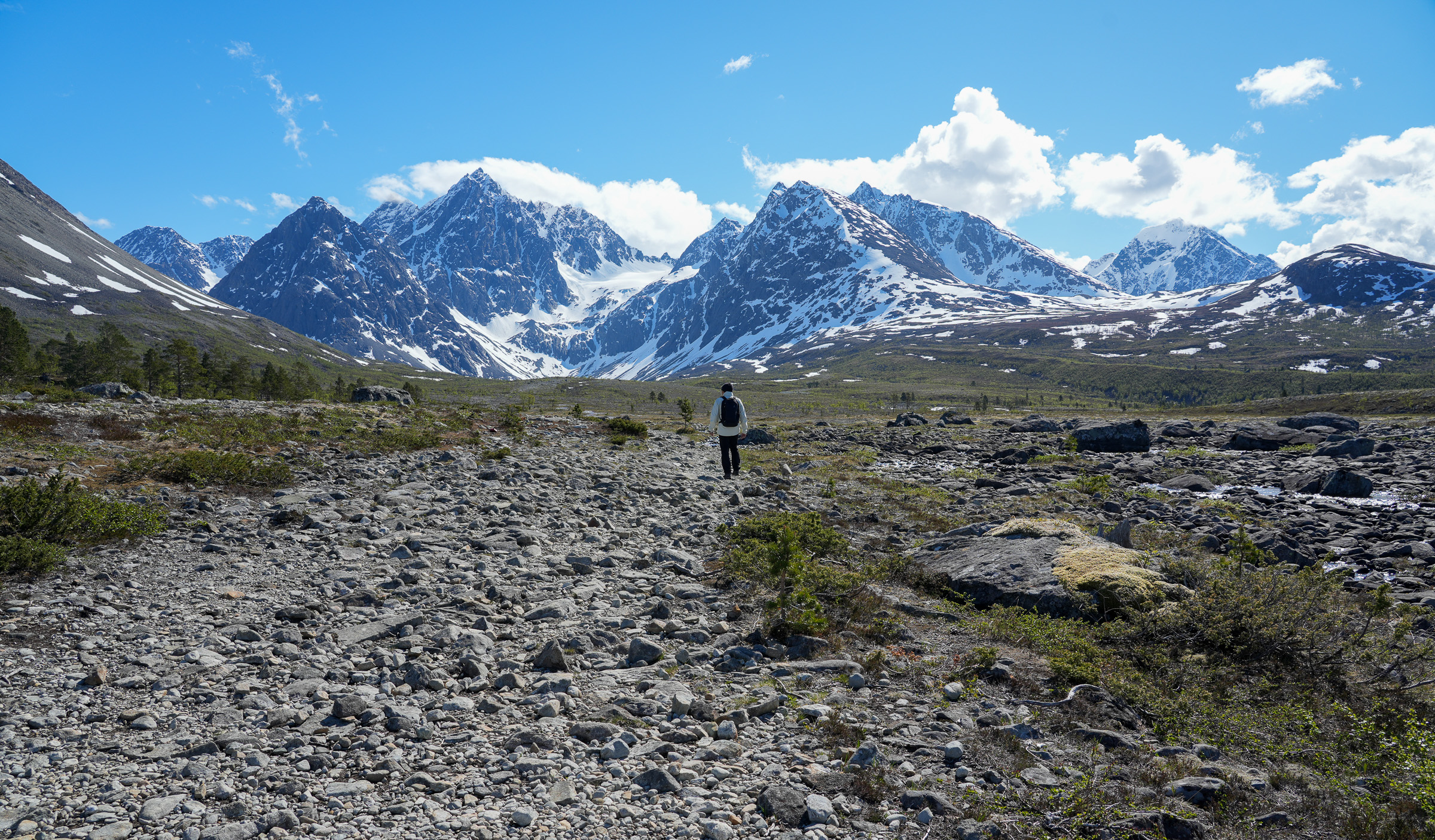
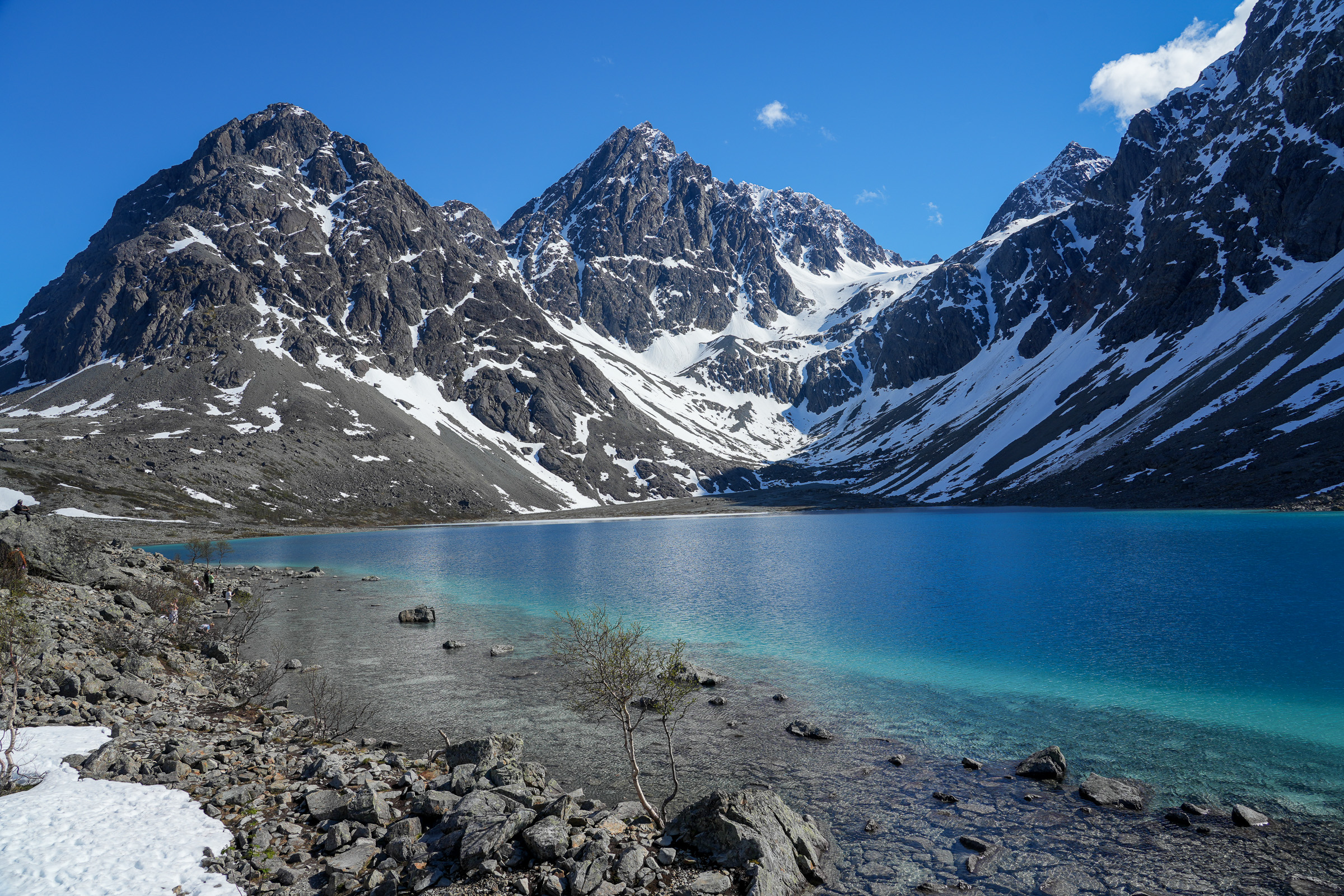
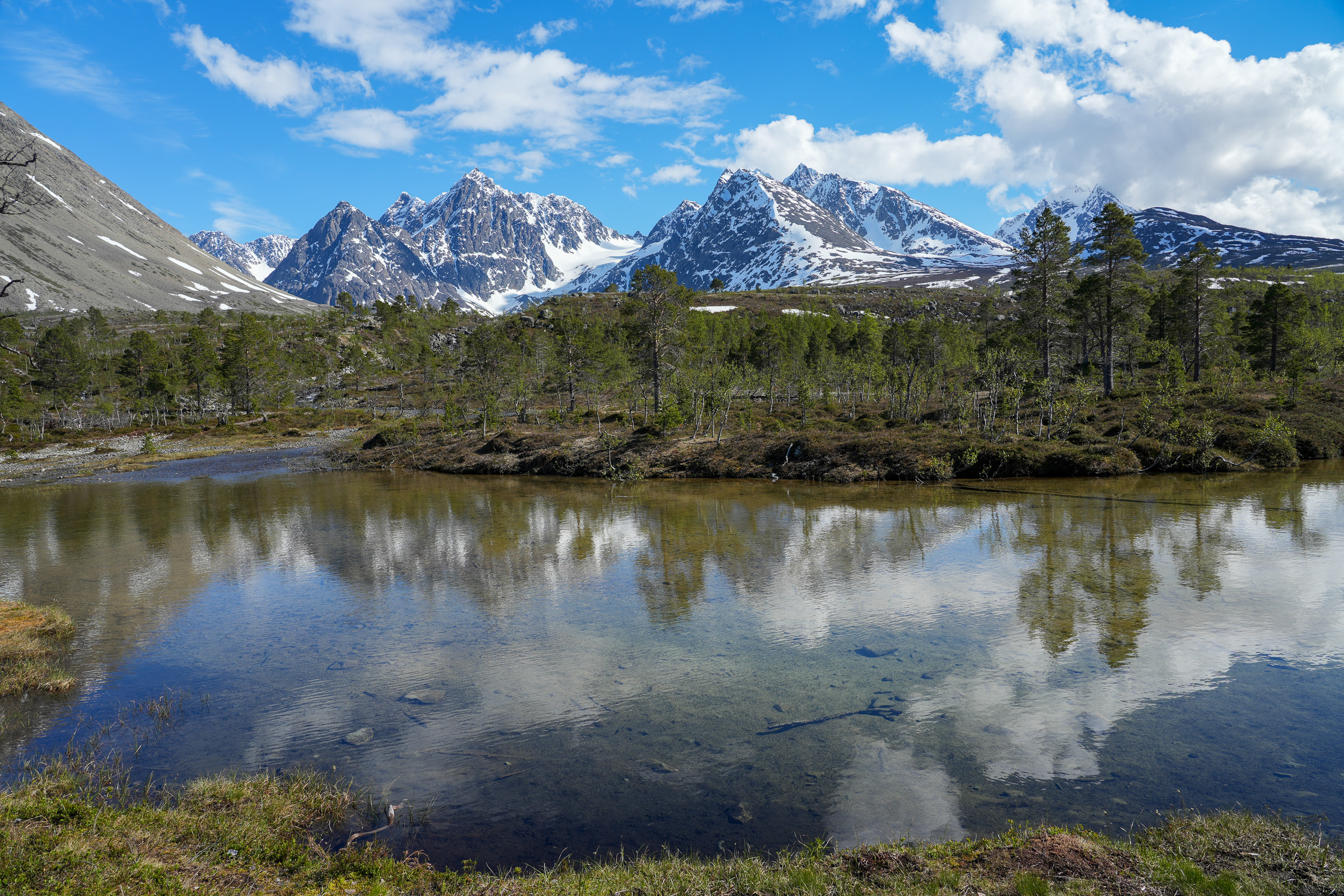
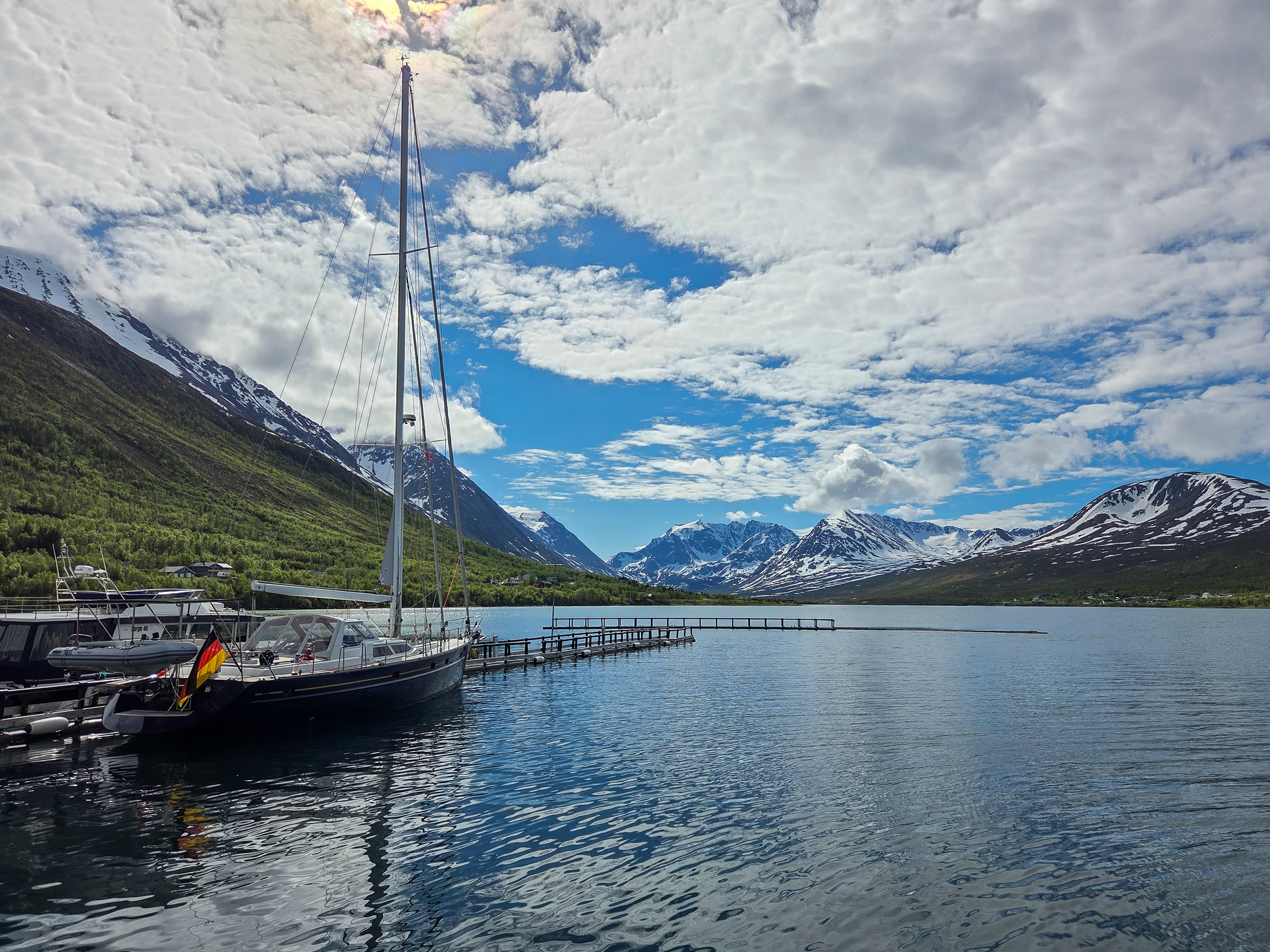
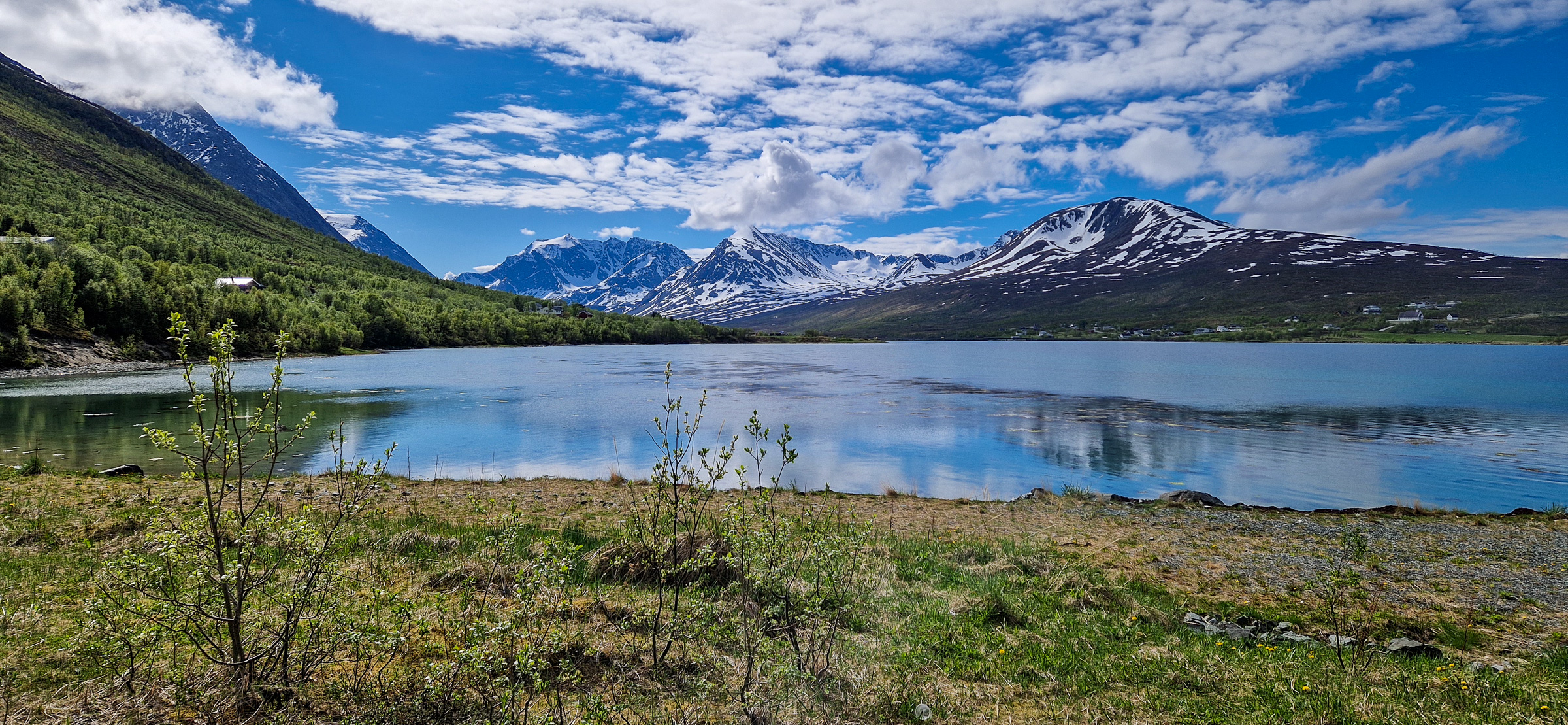
After five days, we leave Tromsø and head towards the Lyngen Alps. From the harbour at Sandneset, we set off on a combined cycling and hiking tour to Blåisvatnet, a strikingly blue mountain lake in this range. Once again, we are impressed by the steep, still snow-covered mountains and the magnificent nature surrounding us. By the evening, we definitely feel what we have done: 50 km by bike and a good 9 km hike are clearly noticeable.
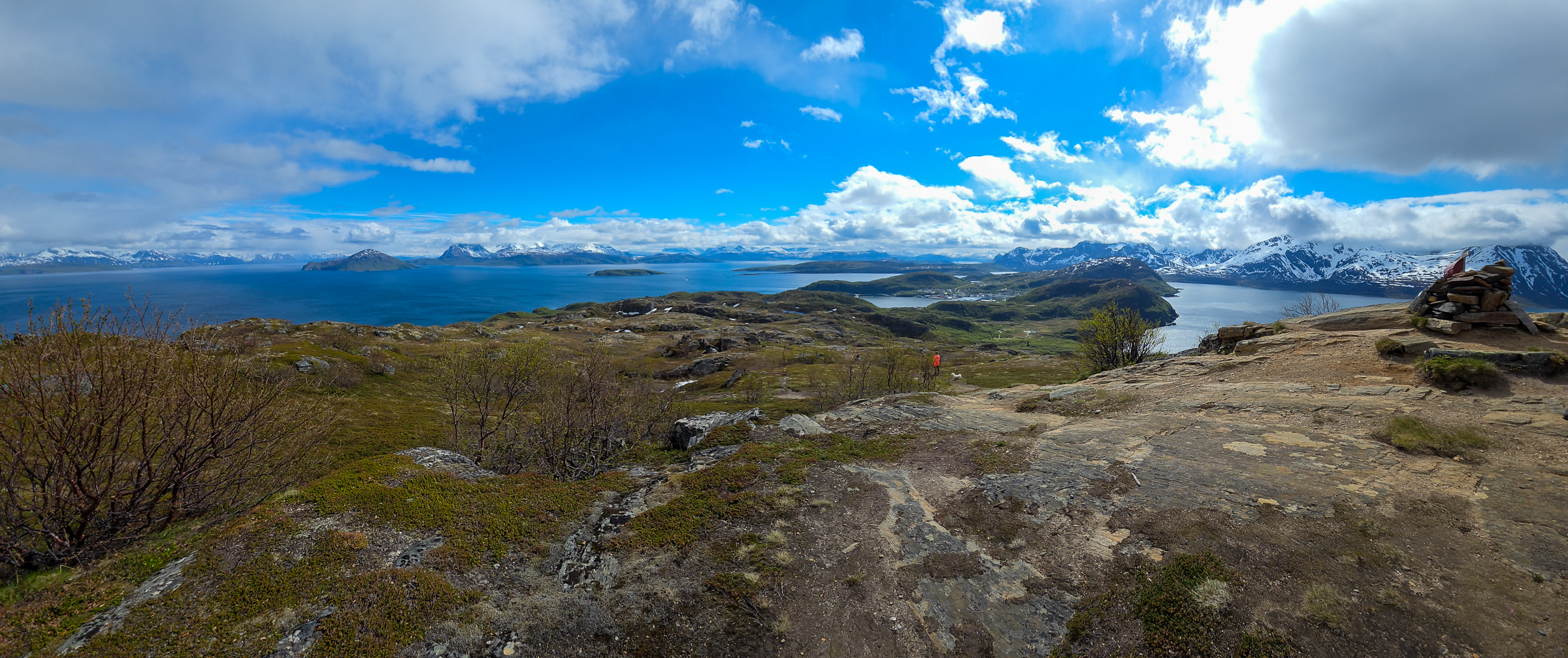
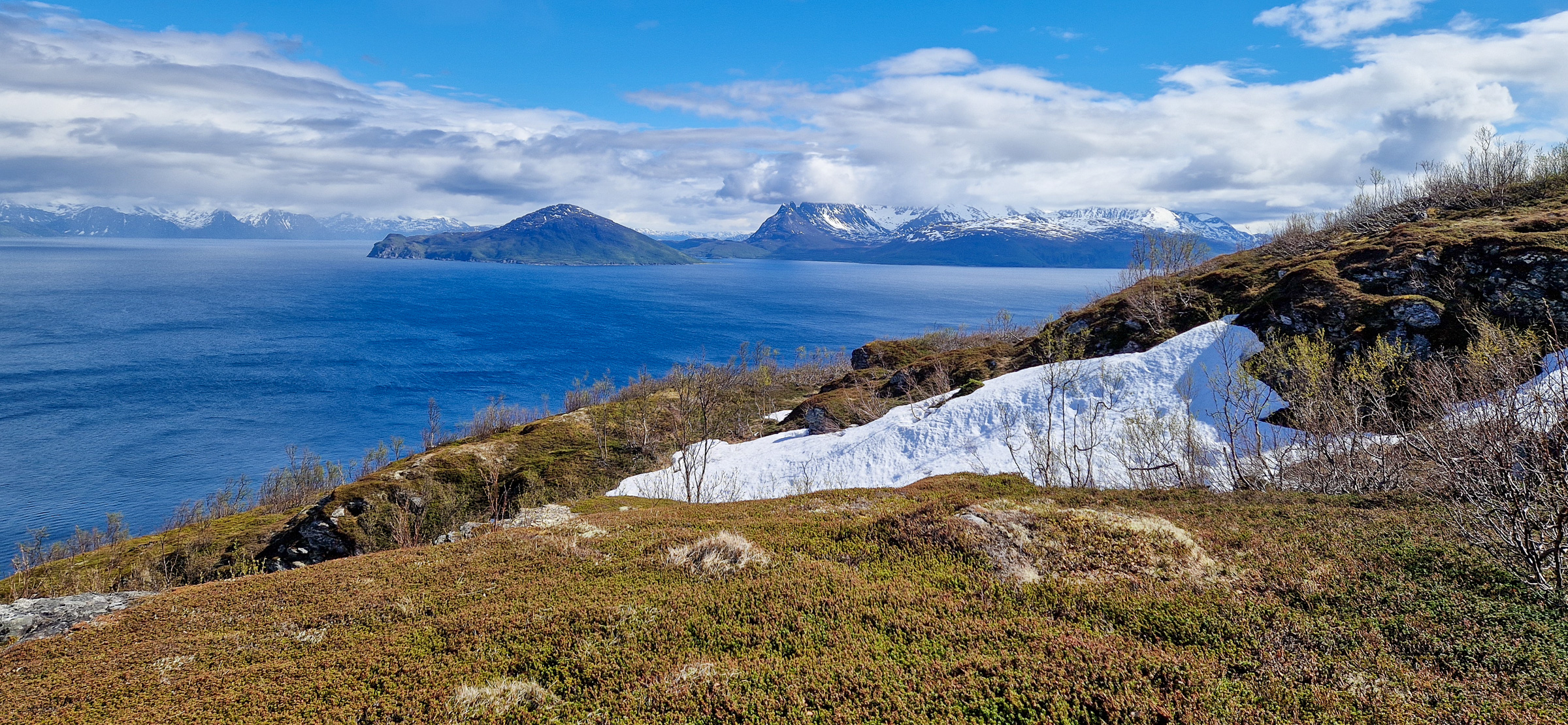
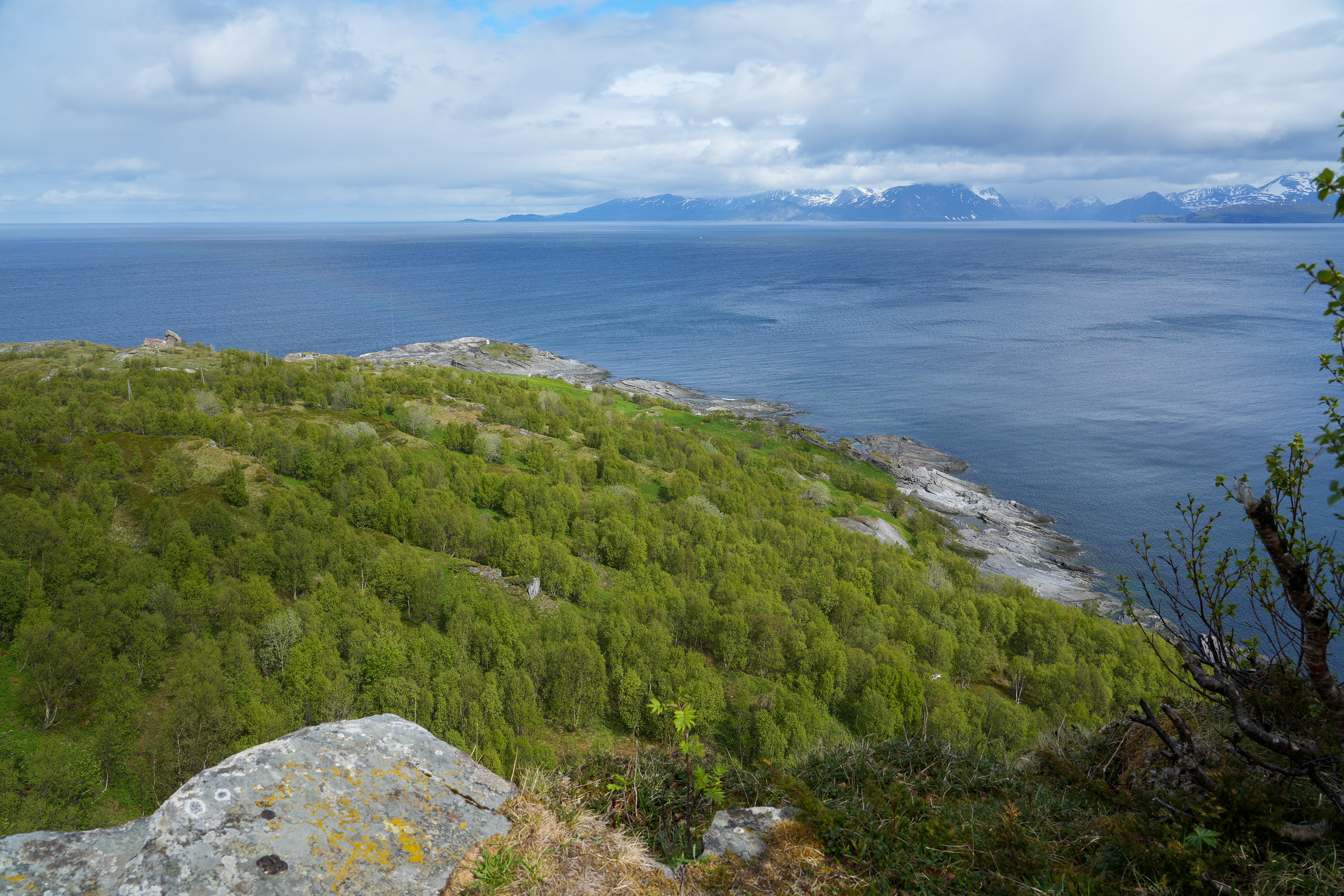
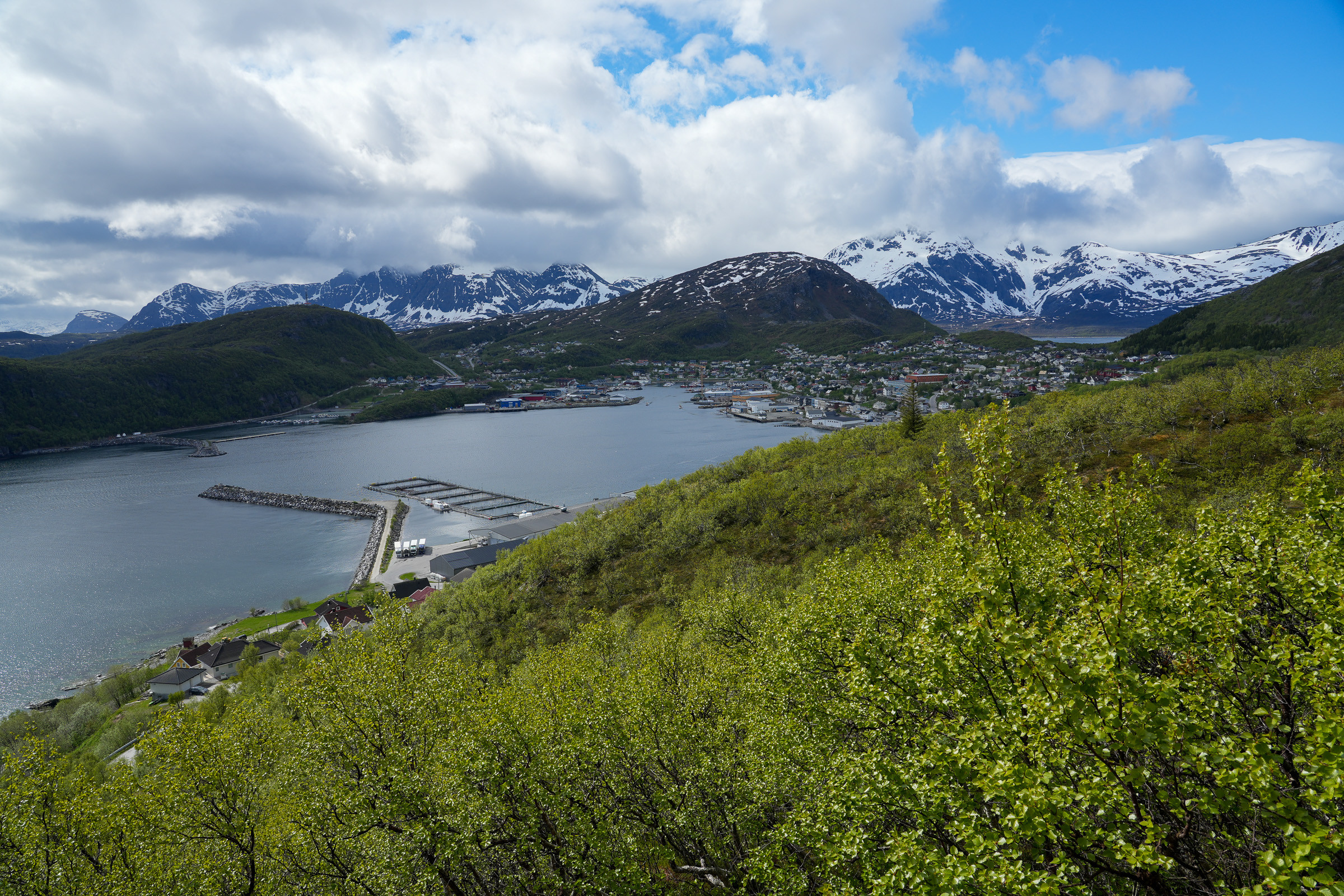
In the fishing harbour of Skjervøy, we find our next berth. For the first time, our fishing efforts are unsuccessful, so dinner consists of lasagne instead of fresh fish. Skjervøy looks quite different from the larger islands with their towering mountains. Here, we hike across Brenner Pass, enjoy views of the former Engnes Coastal Fortress, and climb Langlia, whose summit offers sweeping views over Skjervøy’s harbour and town, as well as the surrounding islands. Once again, we are treated to perfect weather, with clear blue skies from morning to evening.
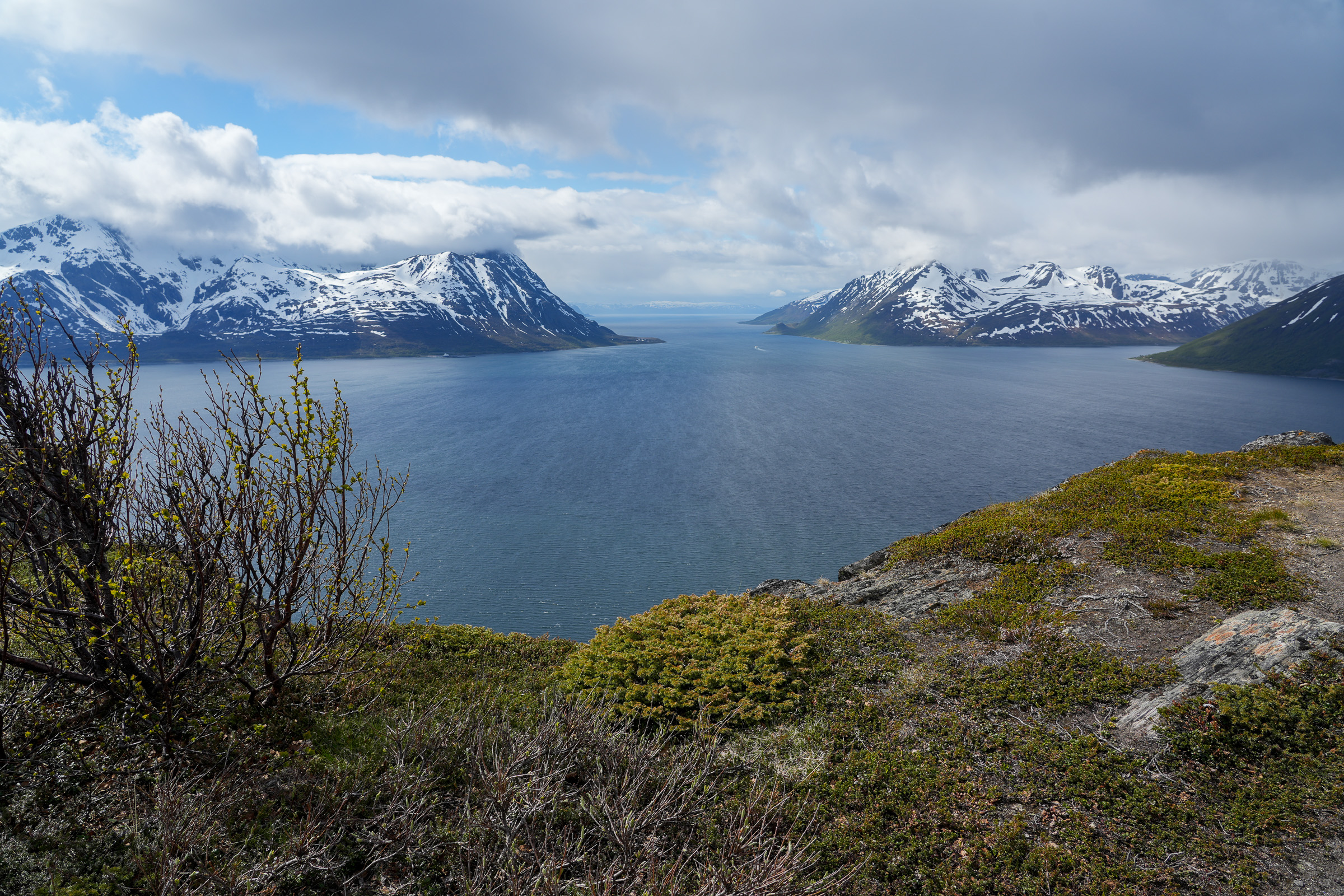
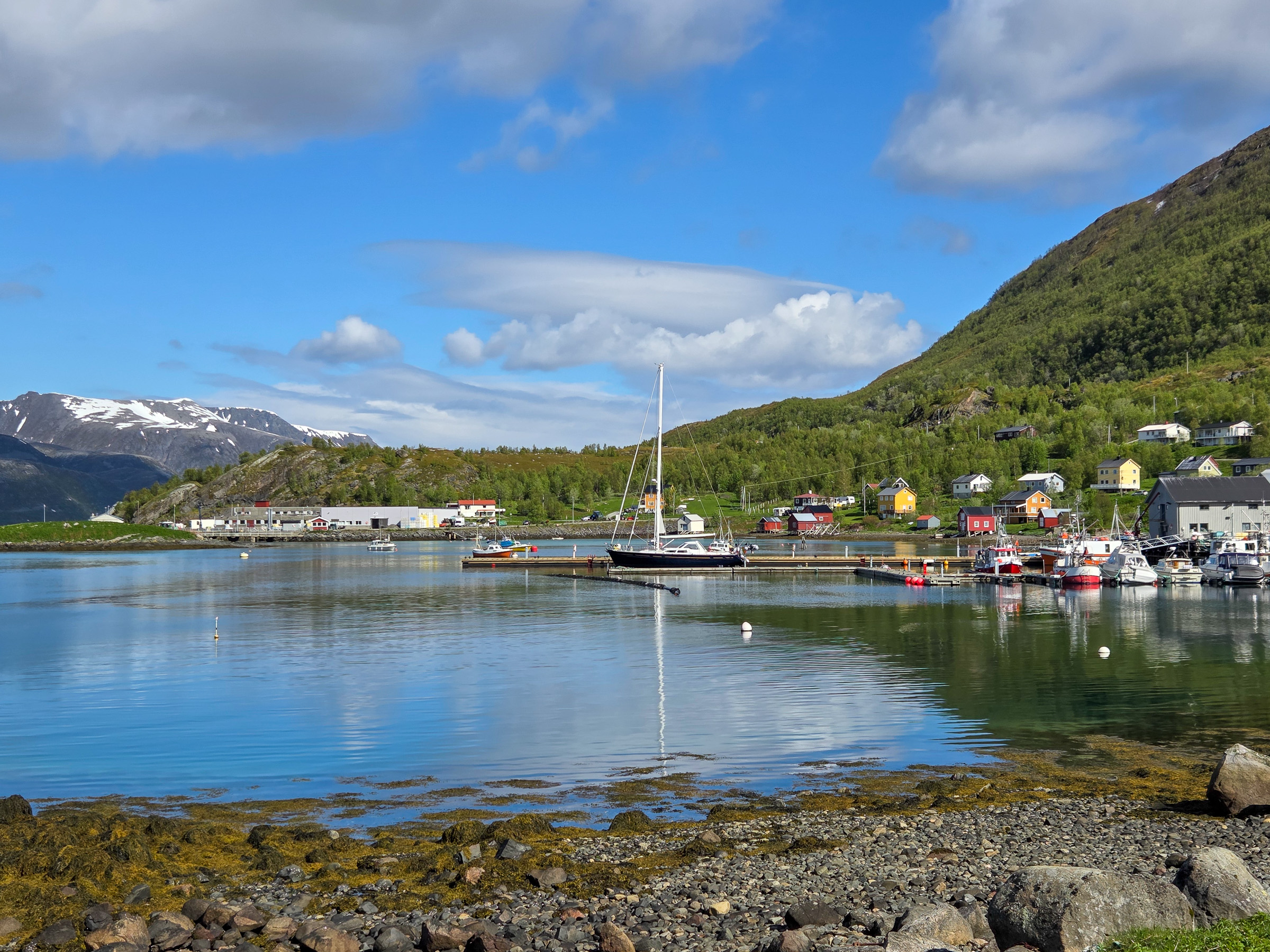
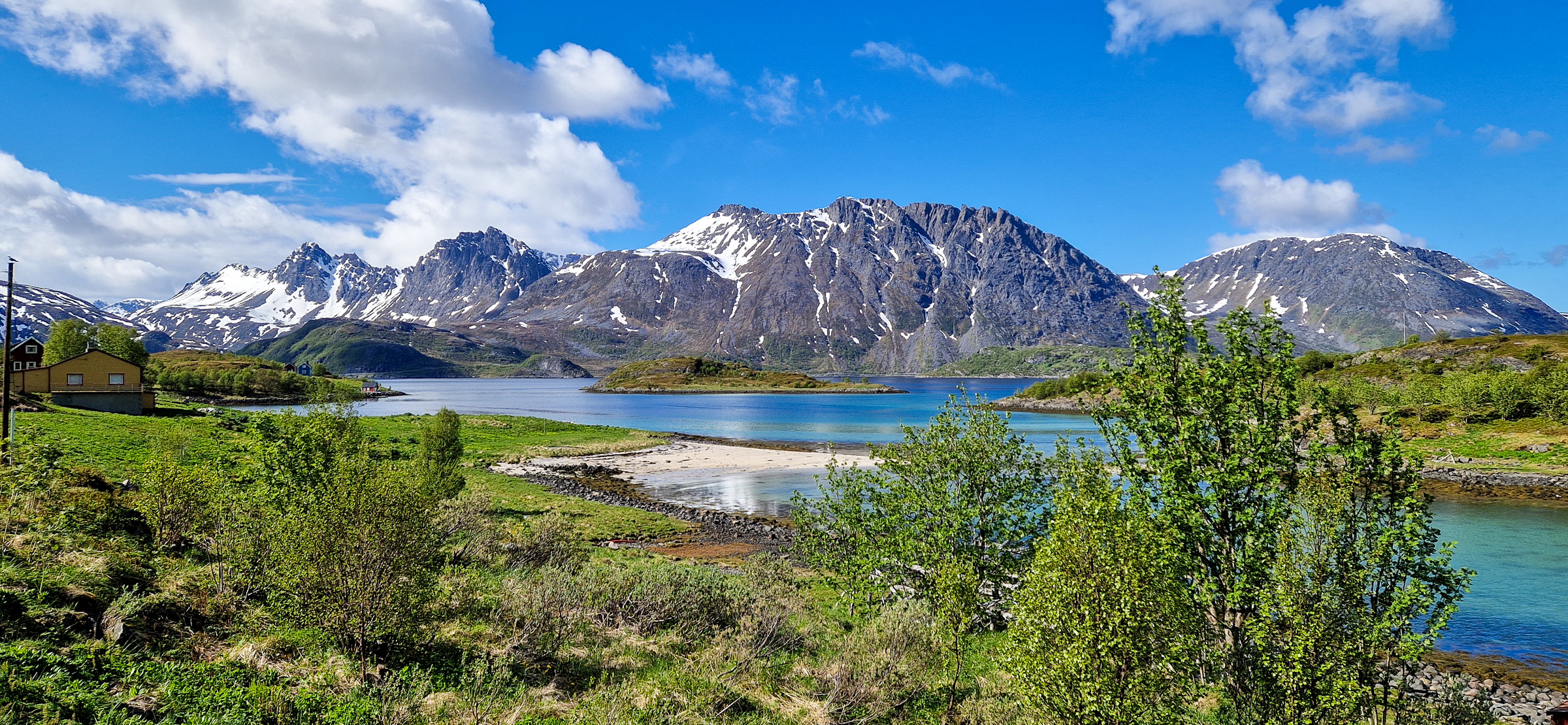
Bergsfjord, recommended by many, is our next short stop. Very idyllic and well sheltered between the mountains, we find it beautiful and would have liked to stay longer. However, the wind forecast forces us to use the following day for our onward passage north. The wind is more variable than predicted and not quite coming from the expected direction, but we still manage to sail half the distance to Hammerfest. We even get to use our gennaker for about an hour. In perfect weather, we enter Hammerfest at 7:30 p.m. As usual, we are not berthed at the guest quay, but at a large new pier used by fishing vessels. The harbour master also drops by for a chat when we return from our burger dinner.
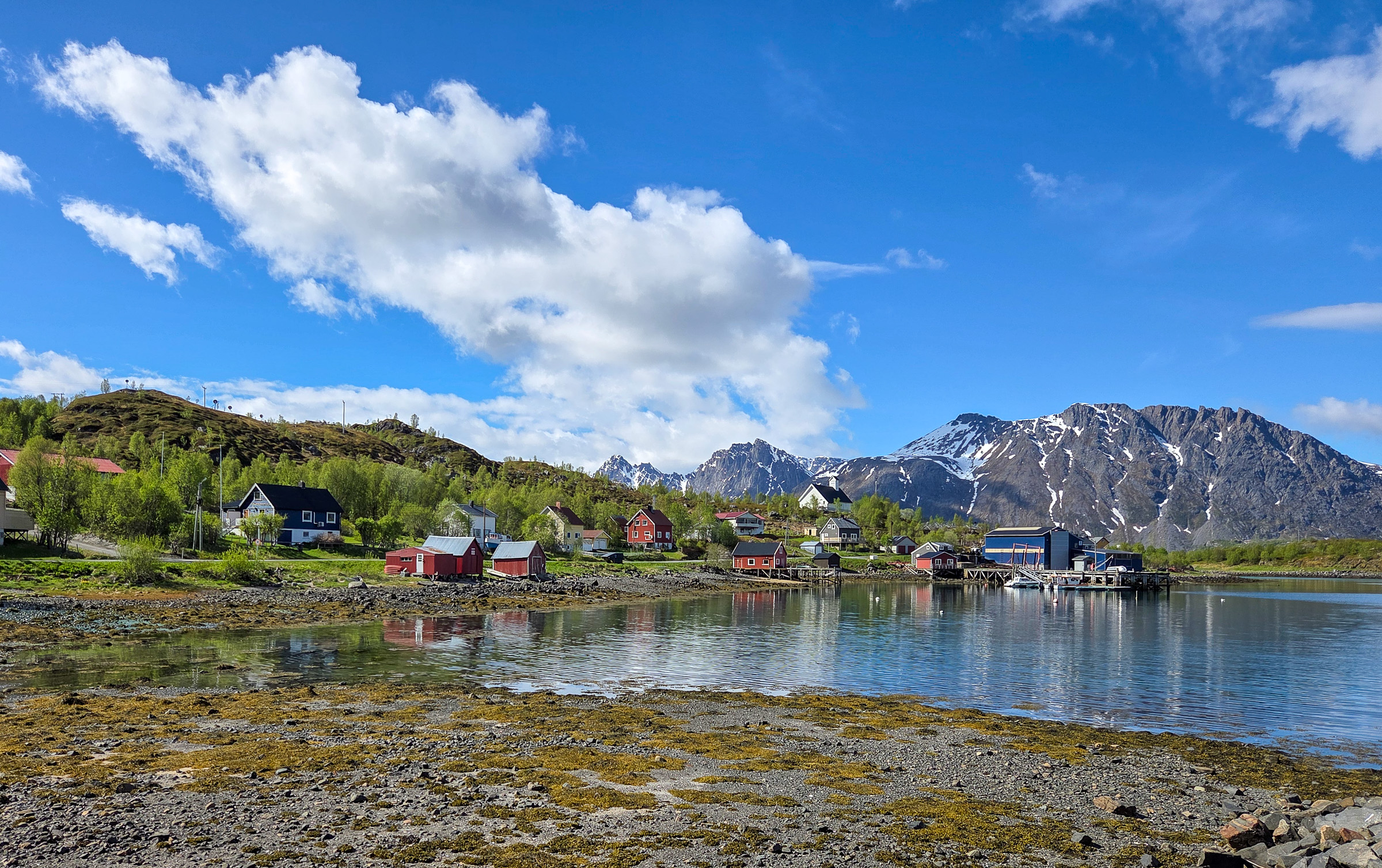
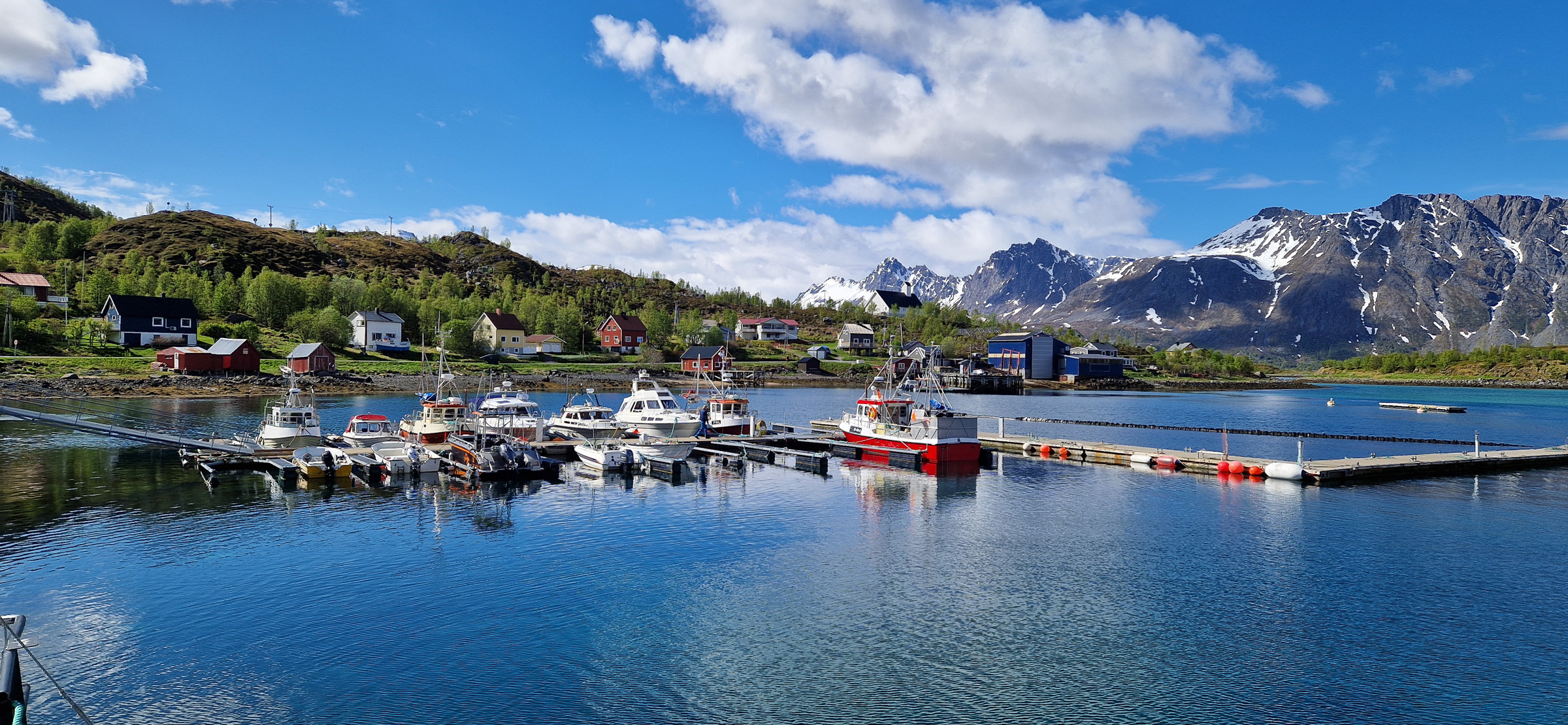
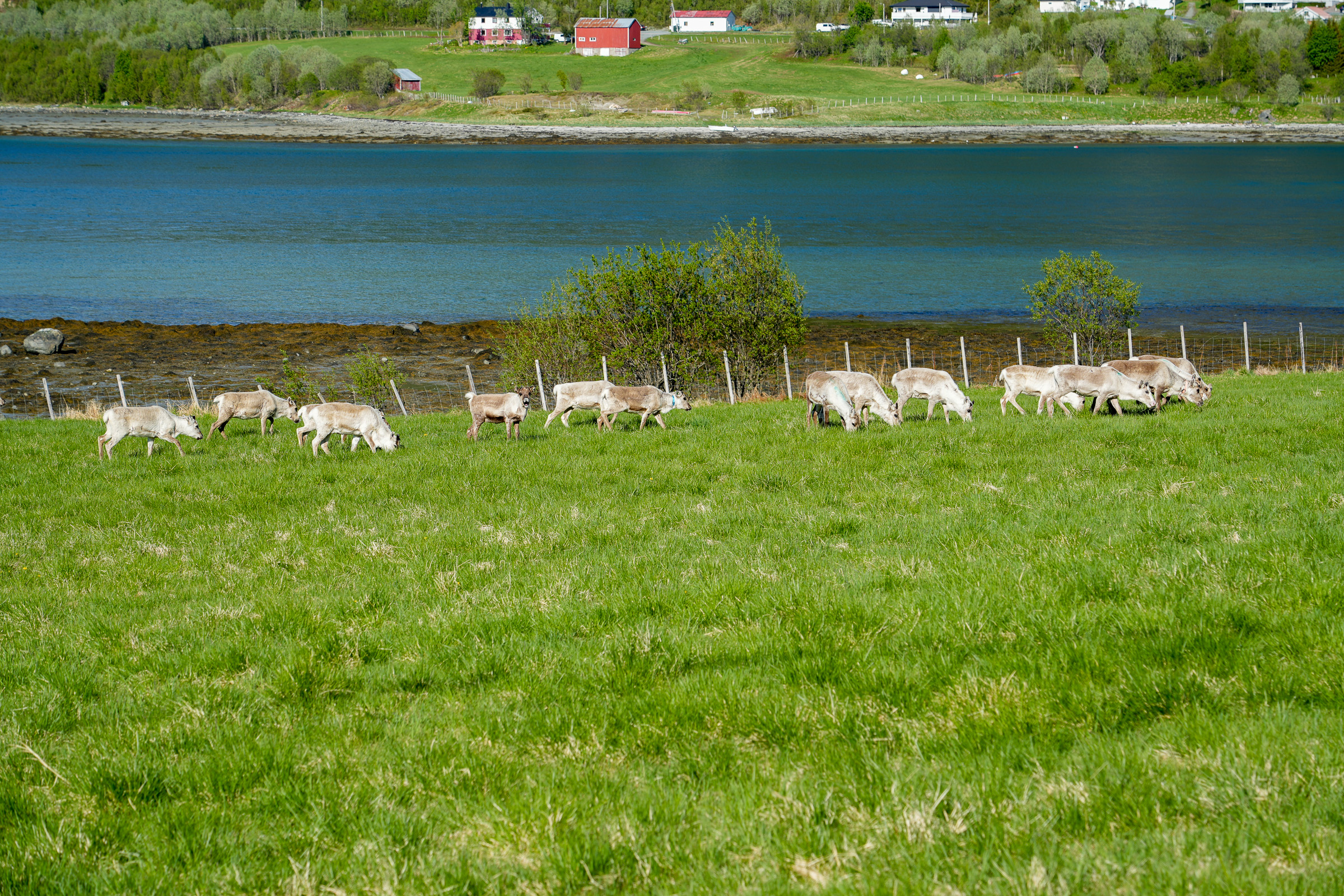
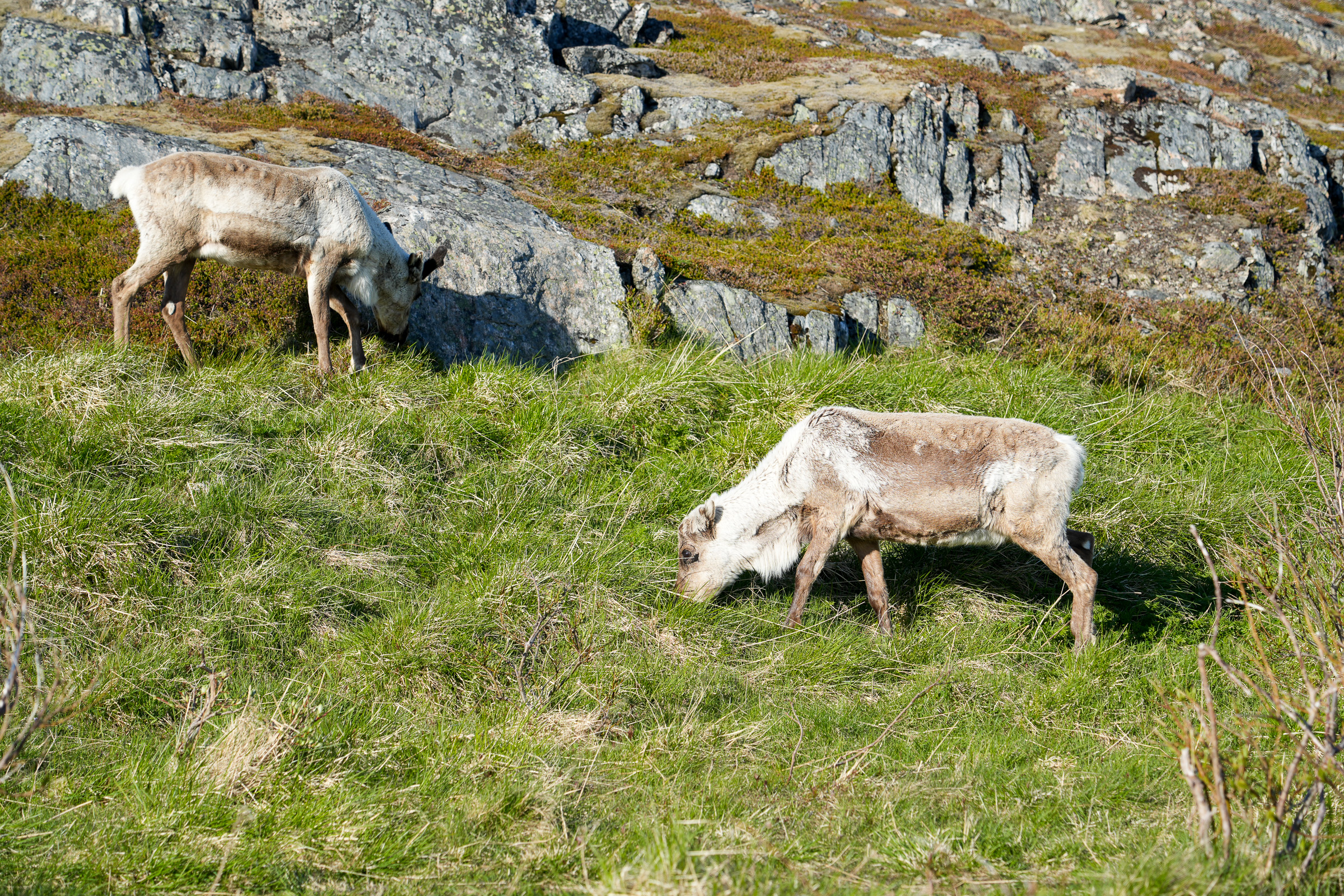
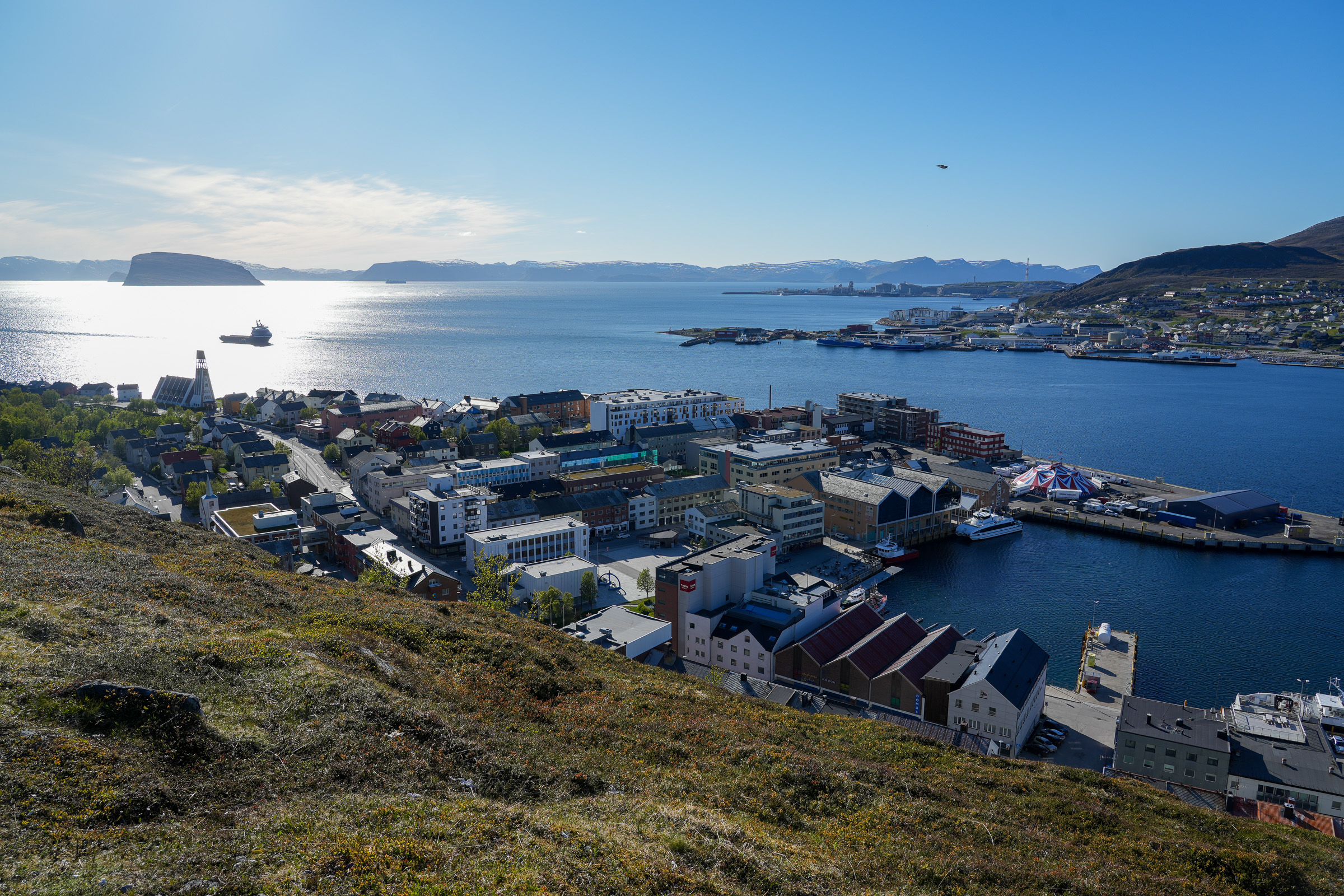
Despite the sunshine, it is cold – 70 degrees north are definitely making themselves felt. We use the following day to hike up Salen via the zigzag trail. A few reindeer roam around at the summit, and the views over Hammerfest are beautiful. The vegetation is sparse, and trees can only be found in sheltered valleys. Even so, it is an impressive landscape.
On June 1st, we celebrate another birthday with breakfast, cake, and candles. Afterwards, we unpack our bicycles and set out to buy a new hairdryer and the groceries we are still missing. One of Hammerfest’s highlights is the Meridian Column, the northernmost and most famous monument of the UNESCO World Heritage Site “Struve Geodetic Arc,” one of the most important scientific projects of the 19th century. Using this chain of survey points stretching 2,821 kilometres, scientists were able to determine the exact shape and size of the Earth for the first time.
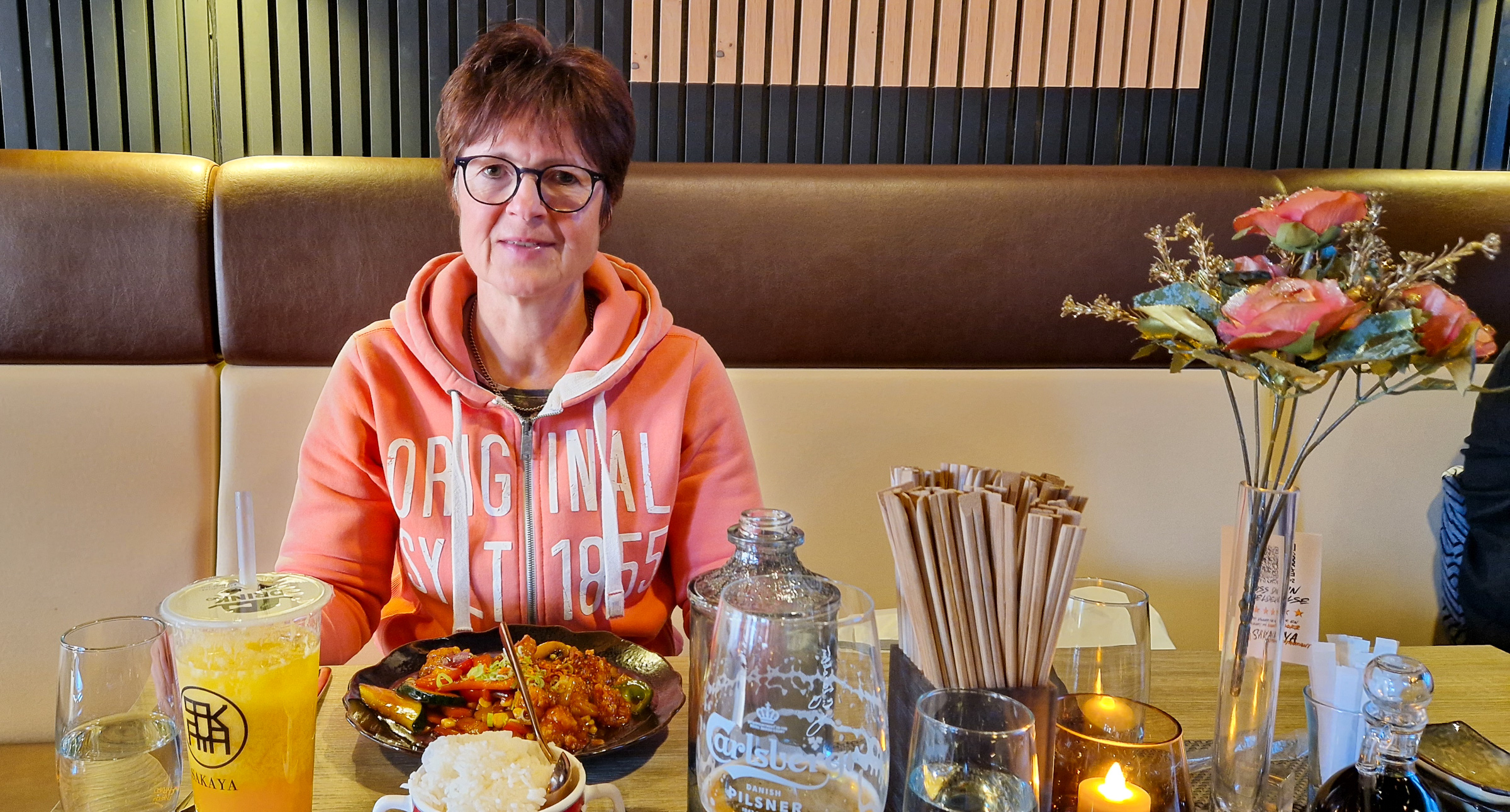
In the evening, we celebrate with a birthday dinner at Sakaya.
Leave a reply