

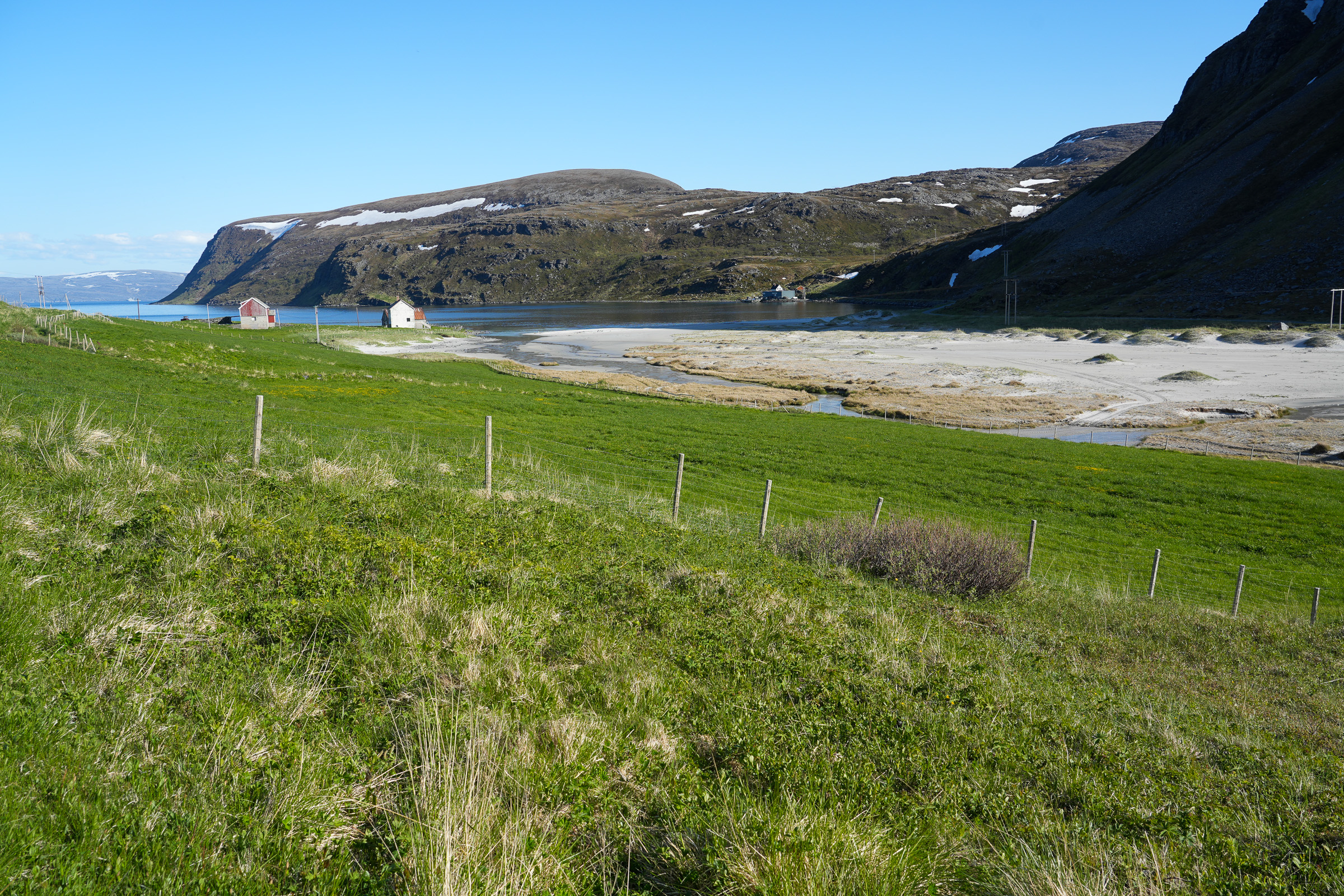
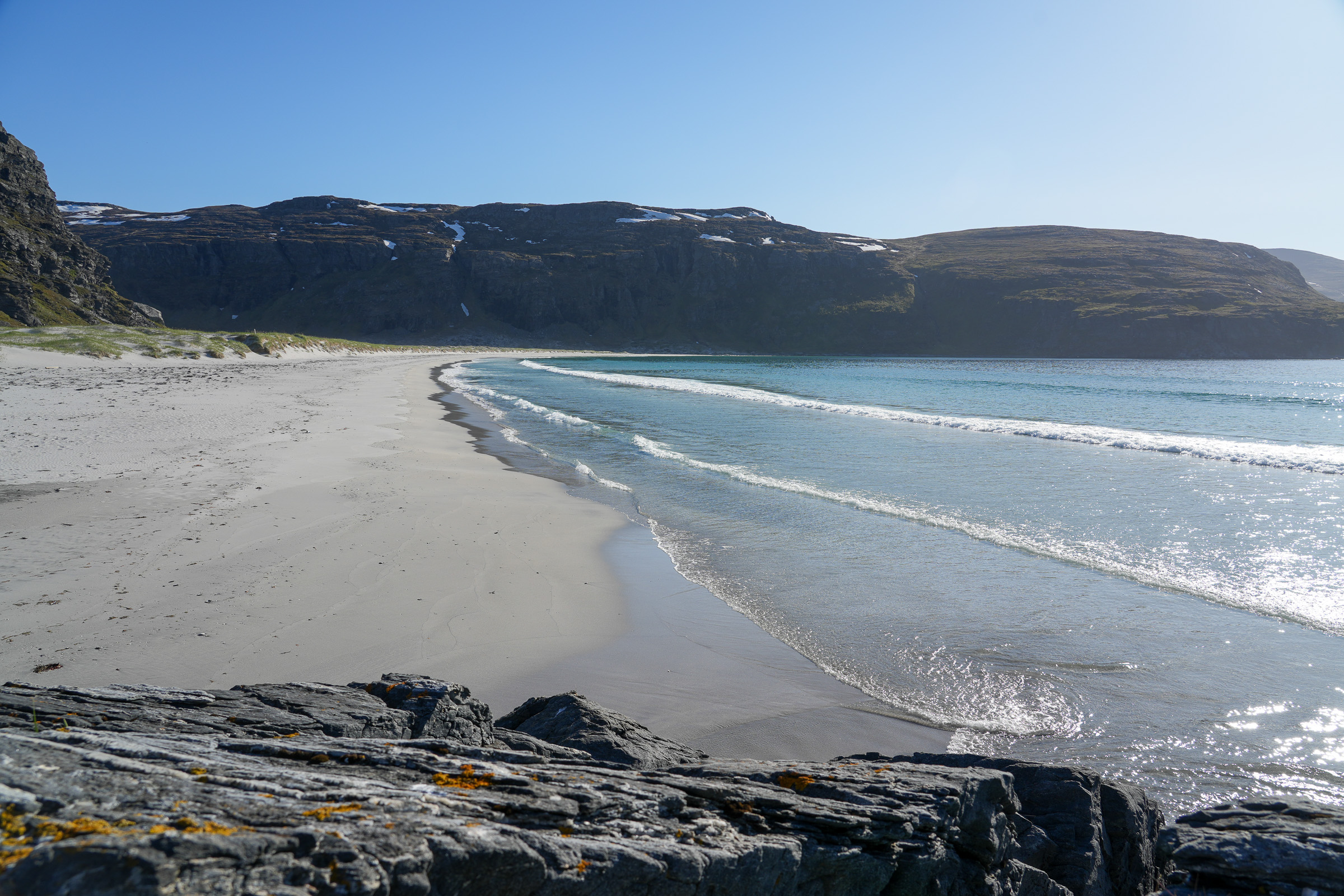
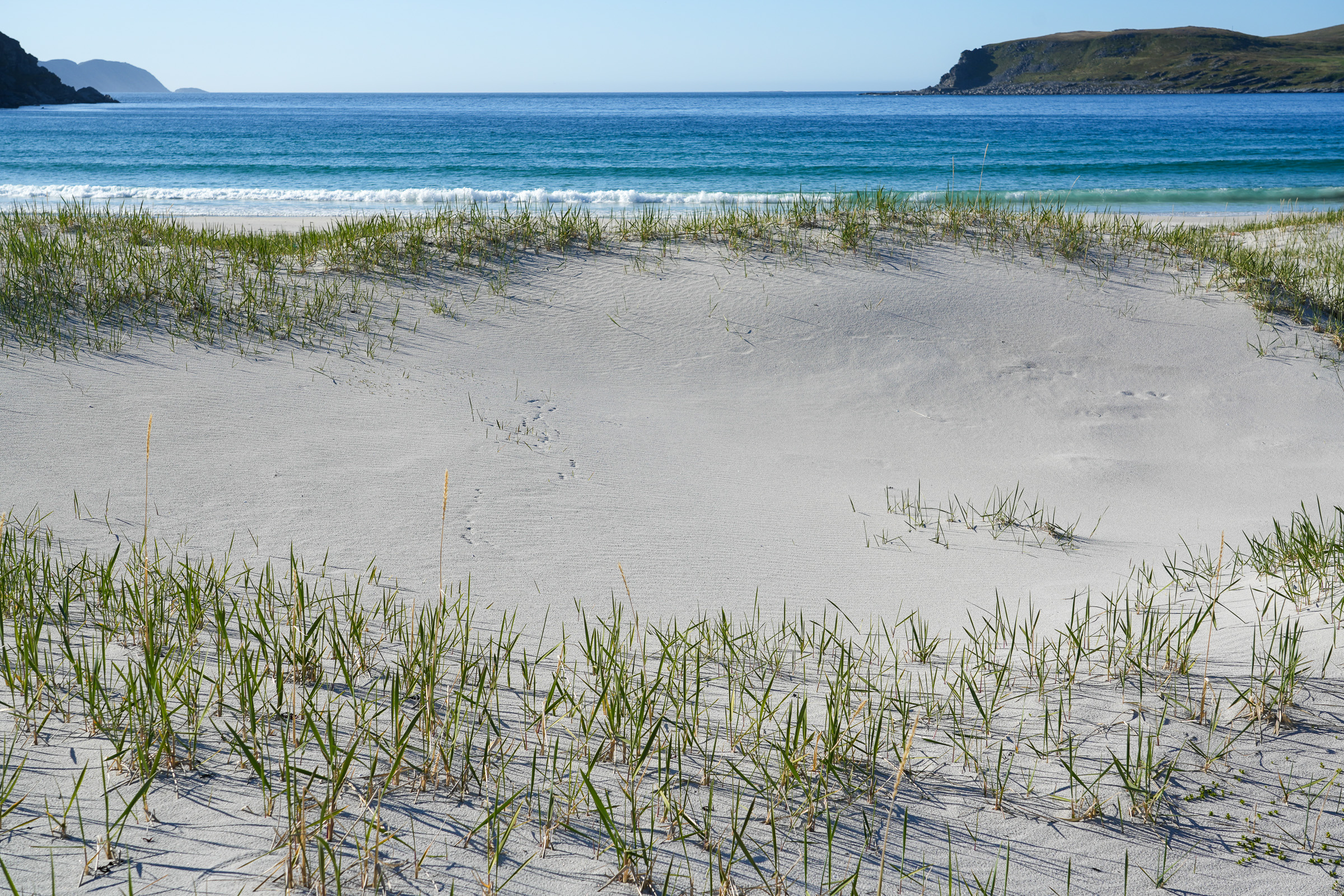
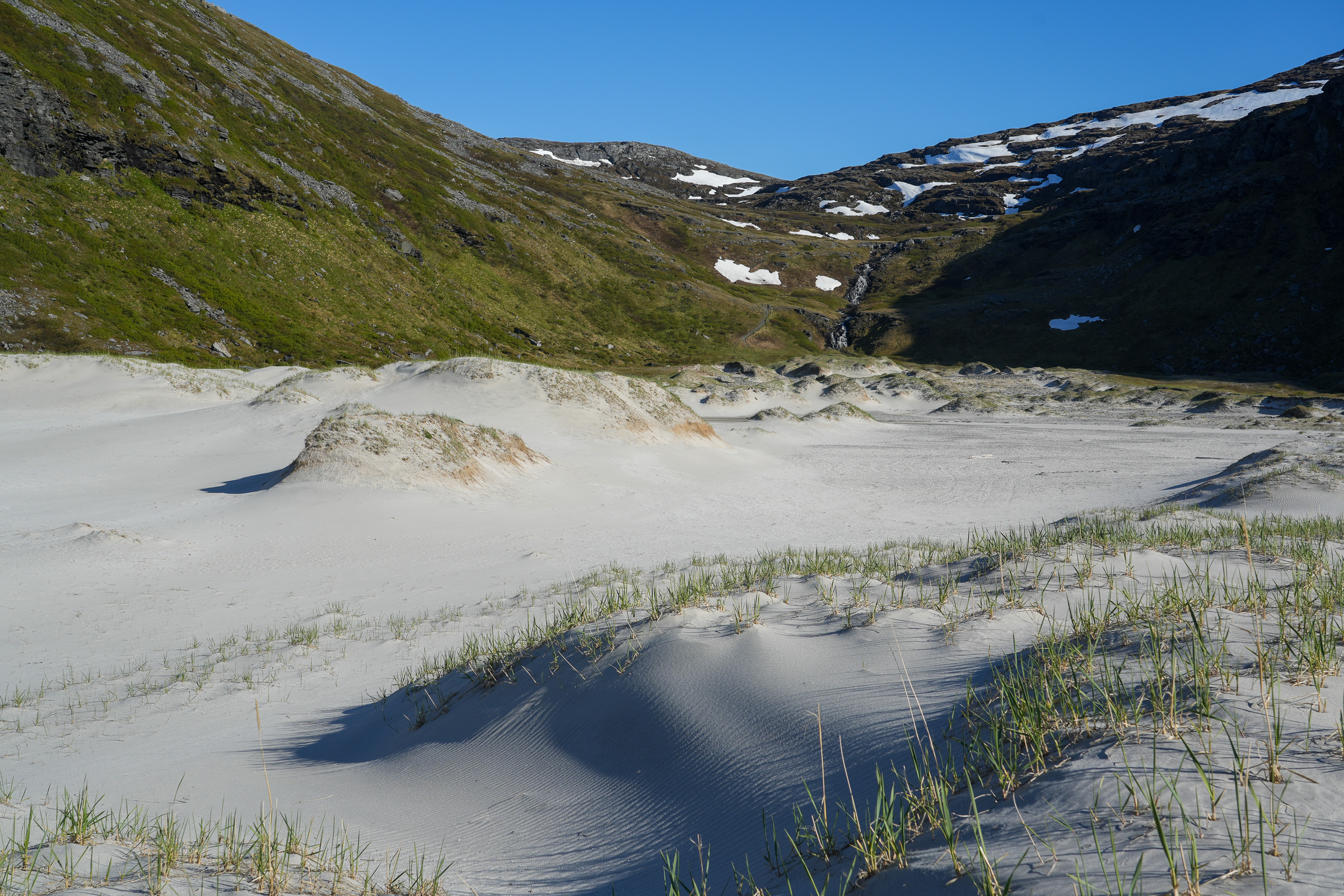
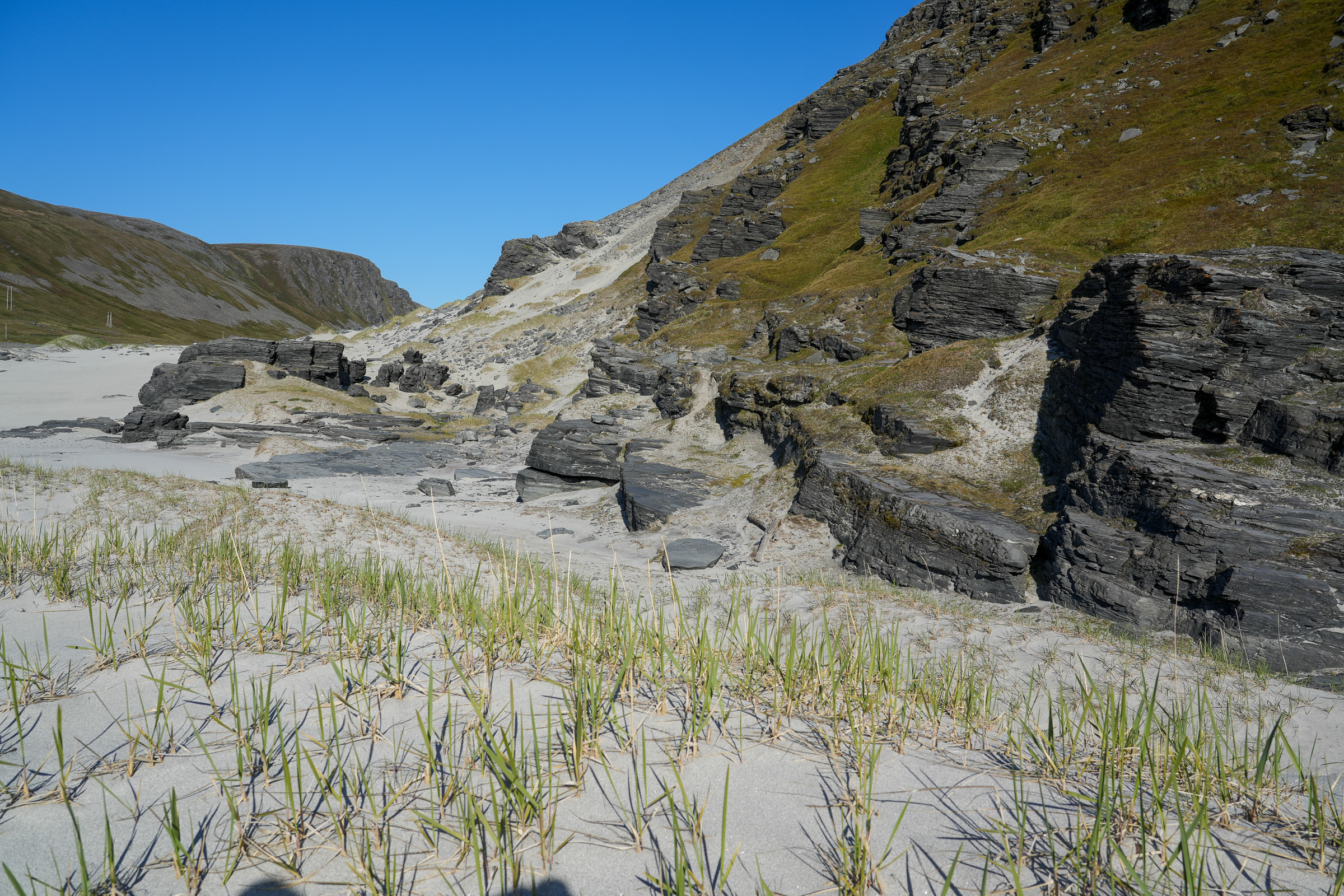
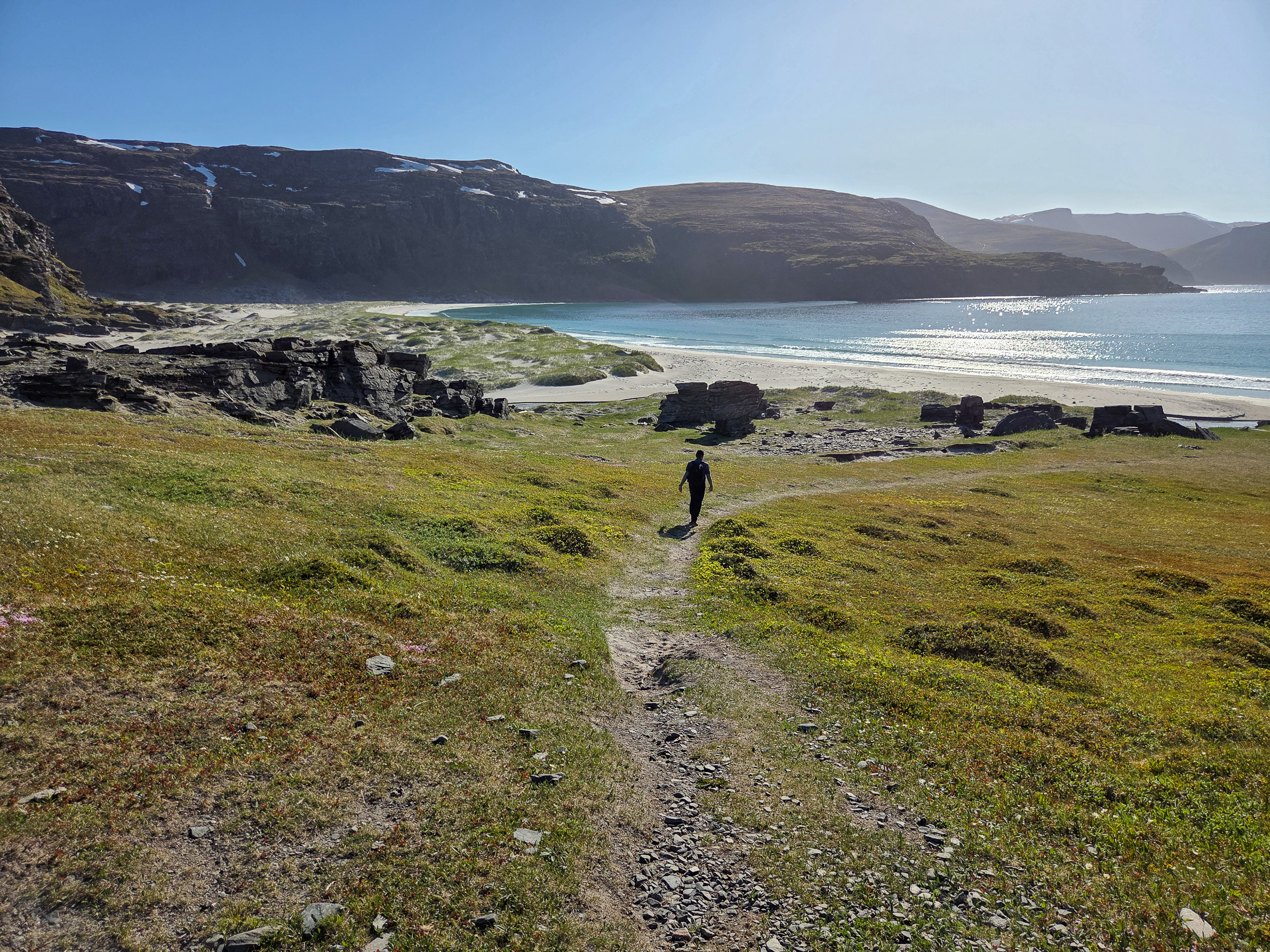
From Hammerfest we first sail to Akkarfjord. There, in addition to a solid guest pier, we find a beautiful sandy beach nestled in a landscape of dunes. We lace up our hiking boots and set off. After a few kilometres on the road, the path turns to gravel, and soon we reach the beach and the impressive rock formations surrounding it. The beach is wonderfully white and deserted, the water a vivid turquoise blue. We stroll all the way to the far end and then hike back through the dunes. Otherwise, Akkarfjord is simply idyllic and peaceful. However, the postcard scenery of Norwegian villages is still about to get even better.
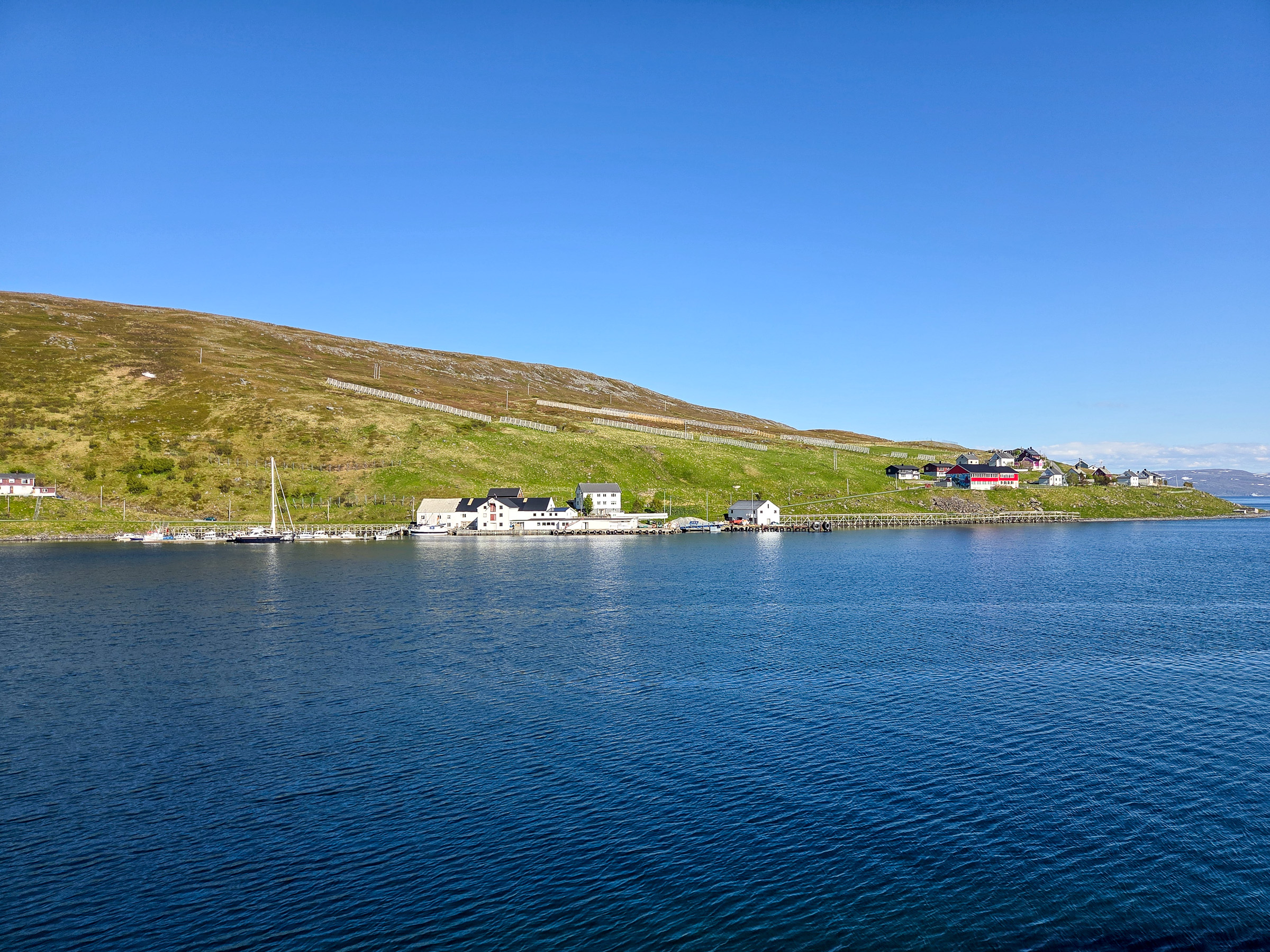
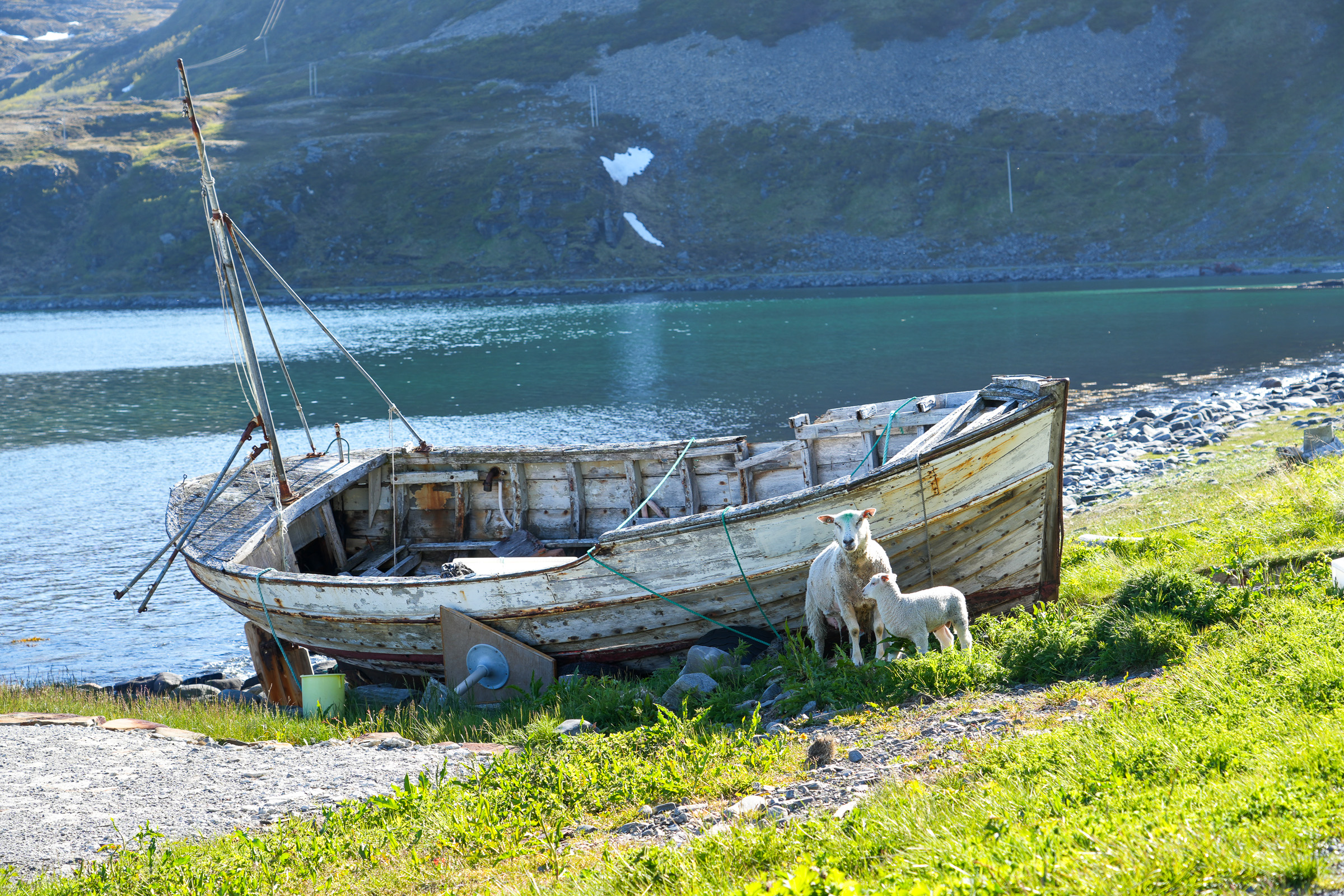
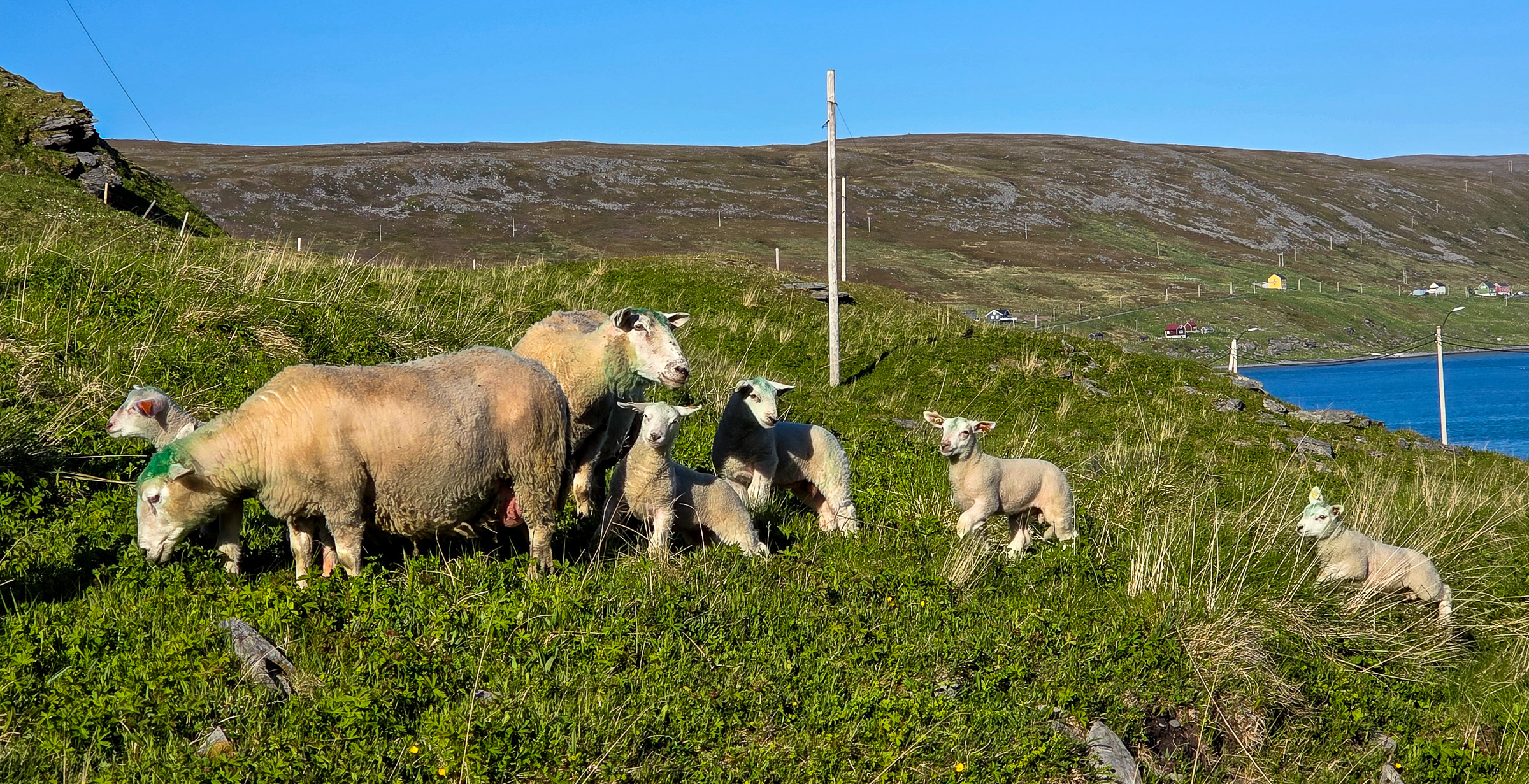
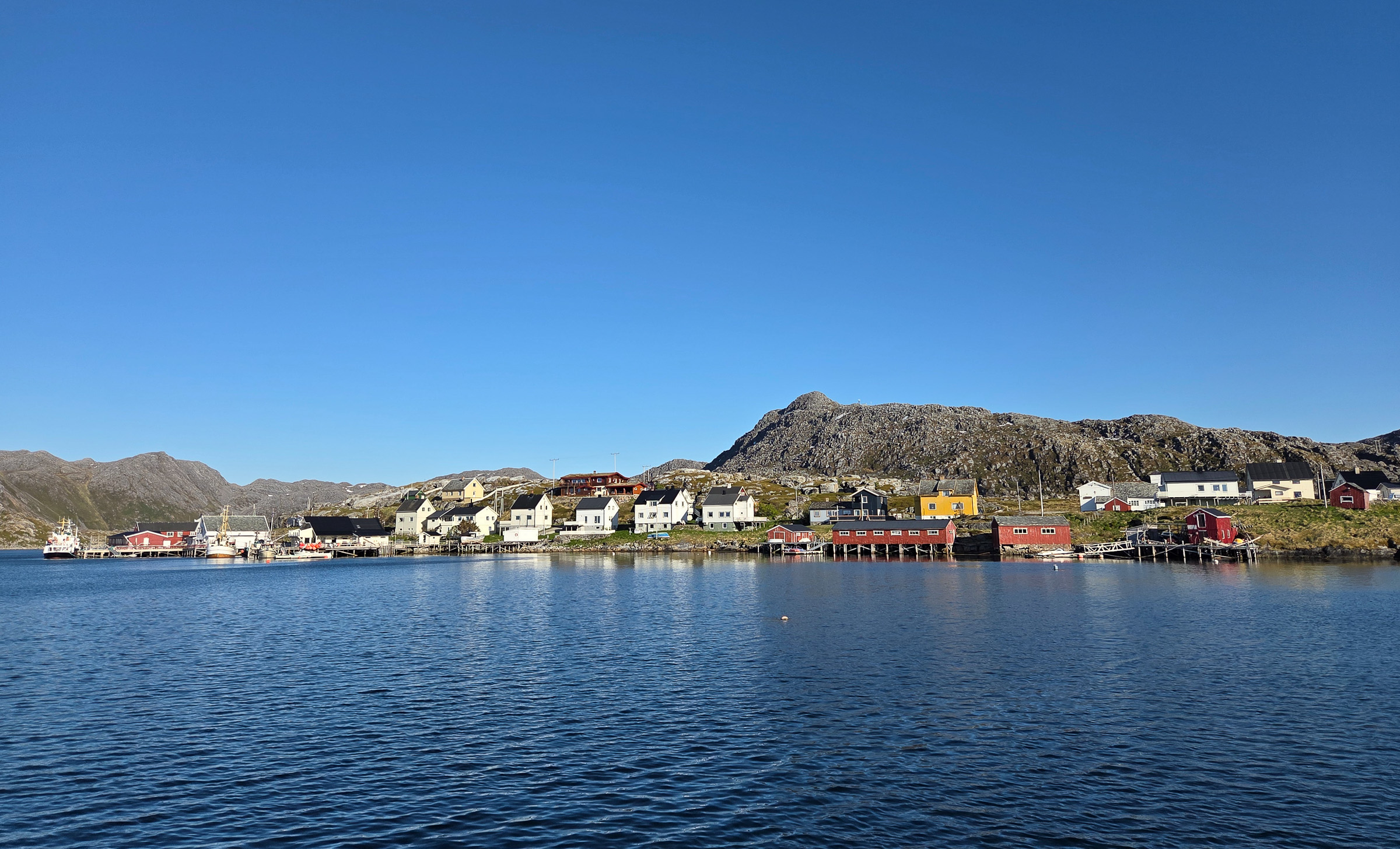
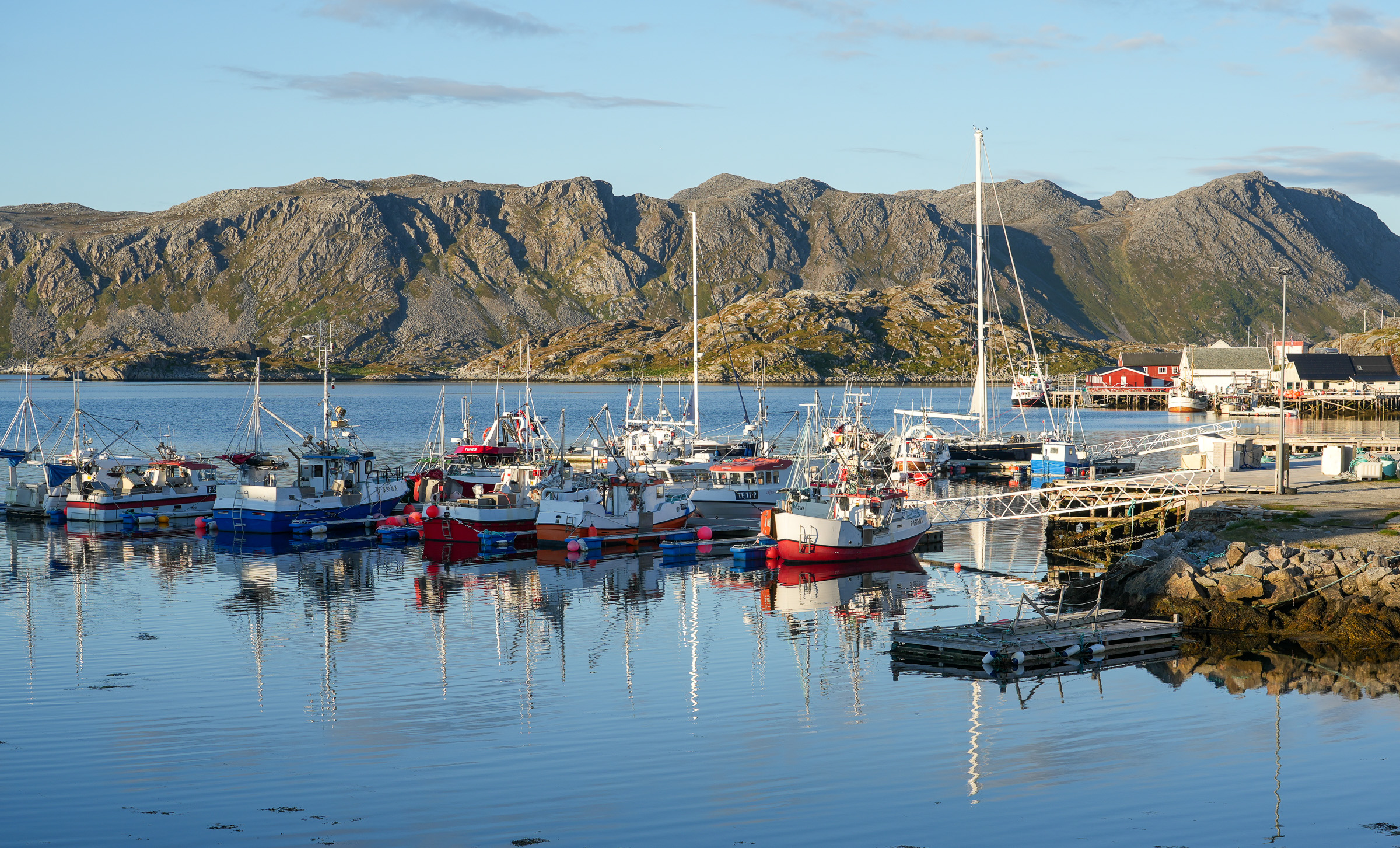
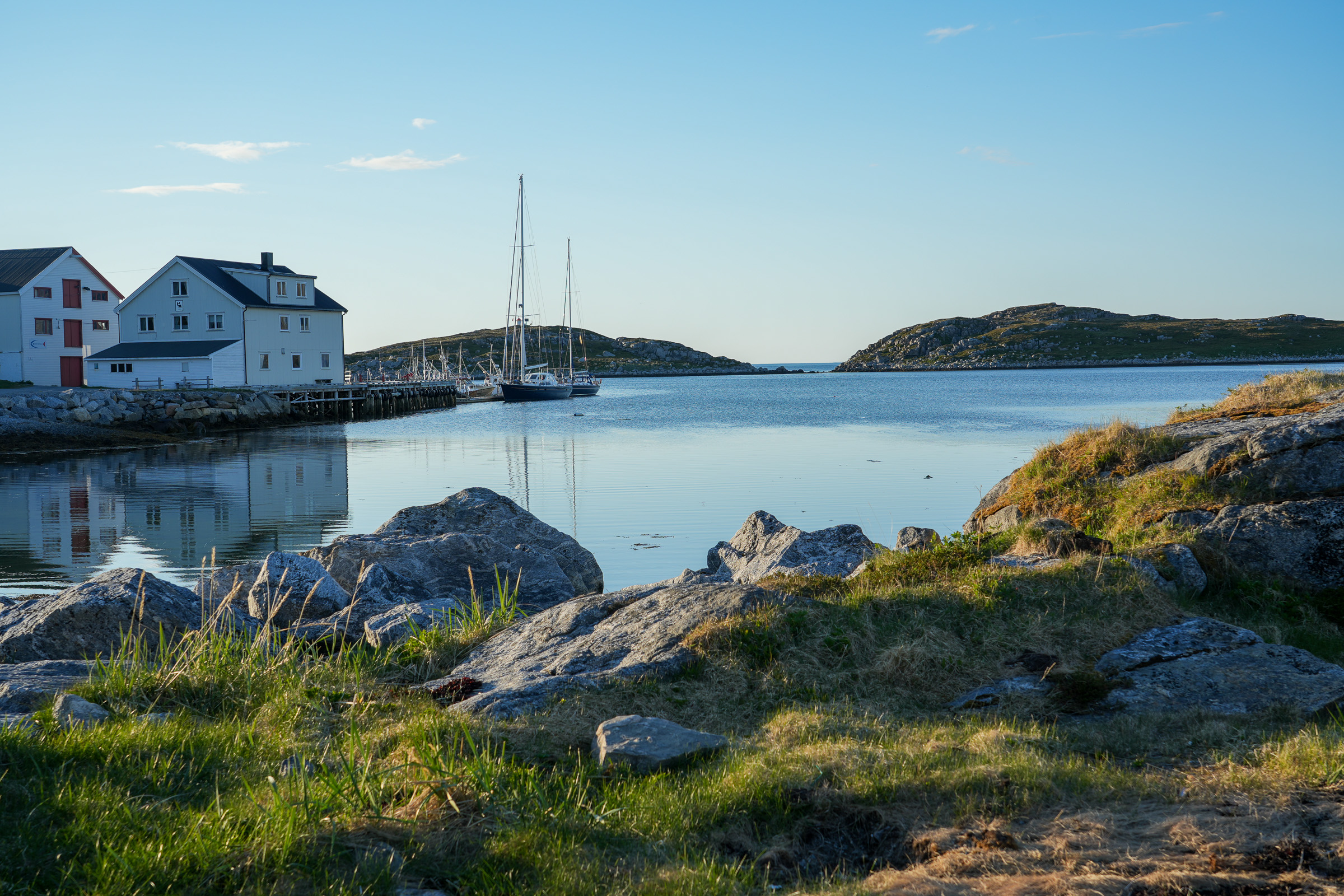
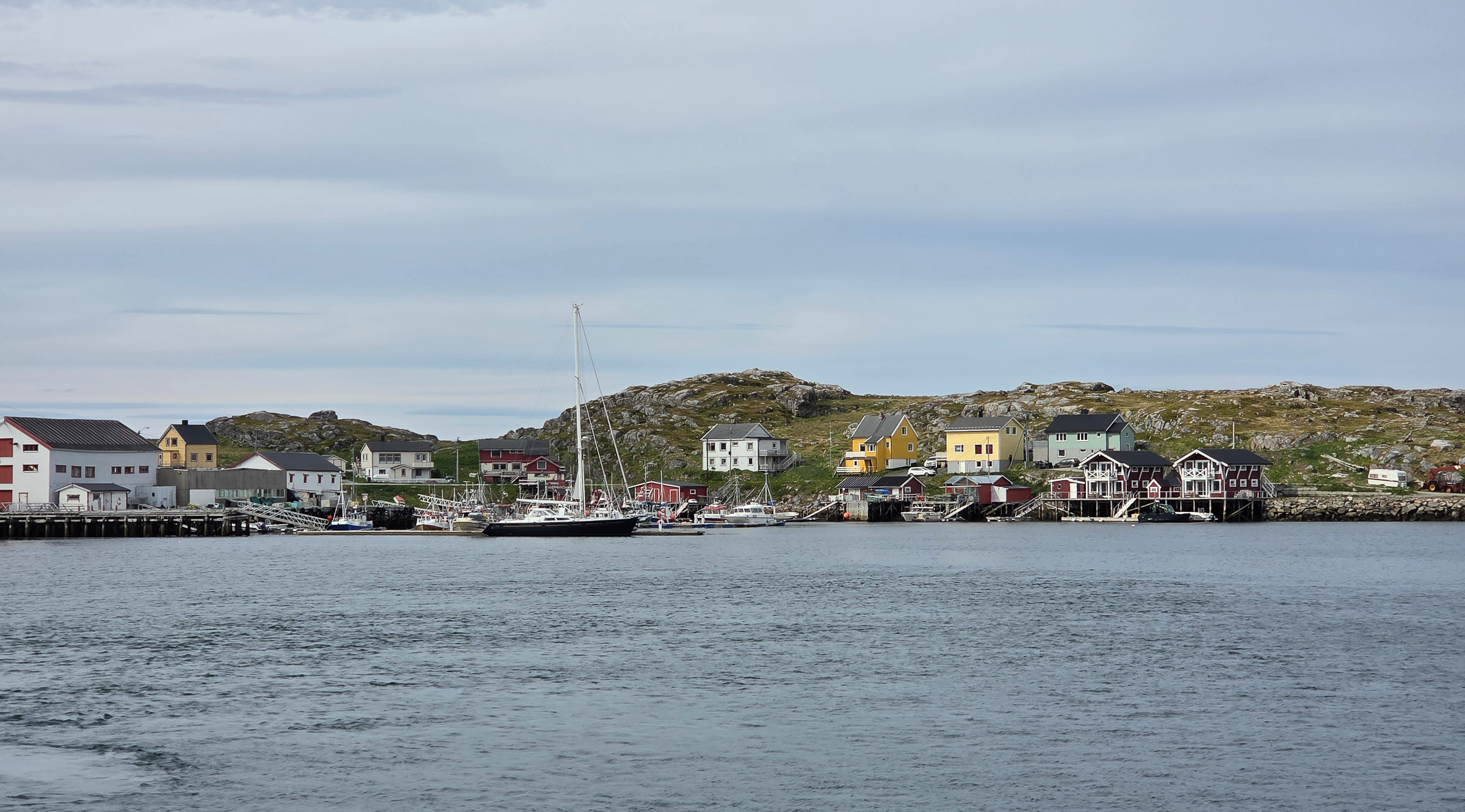
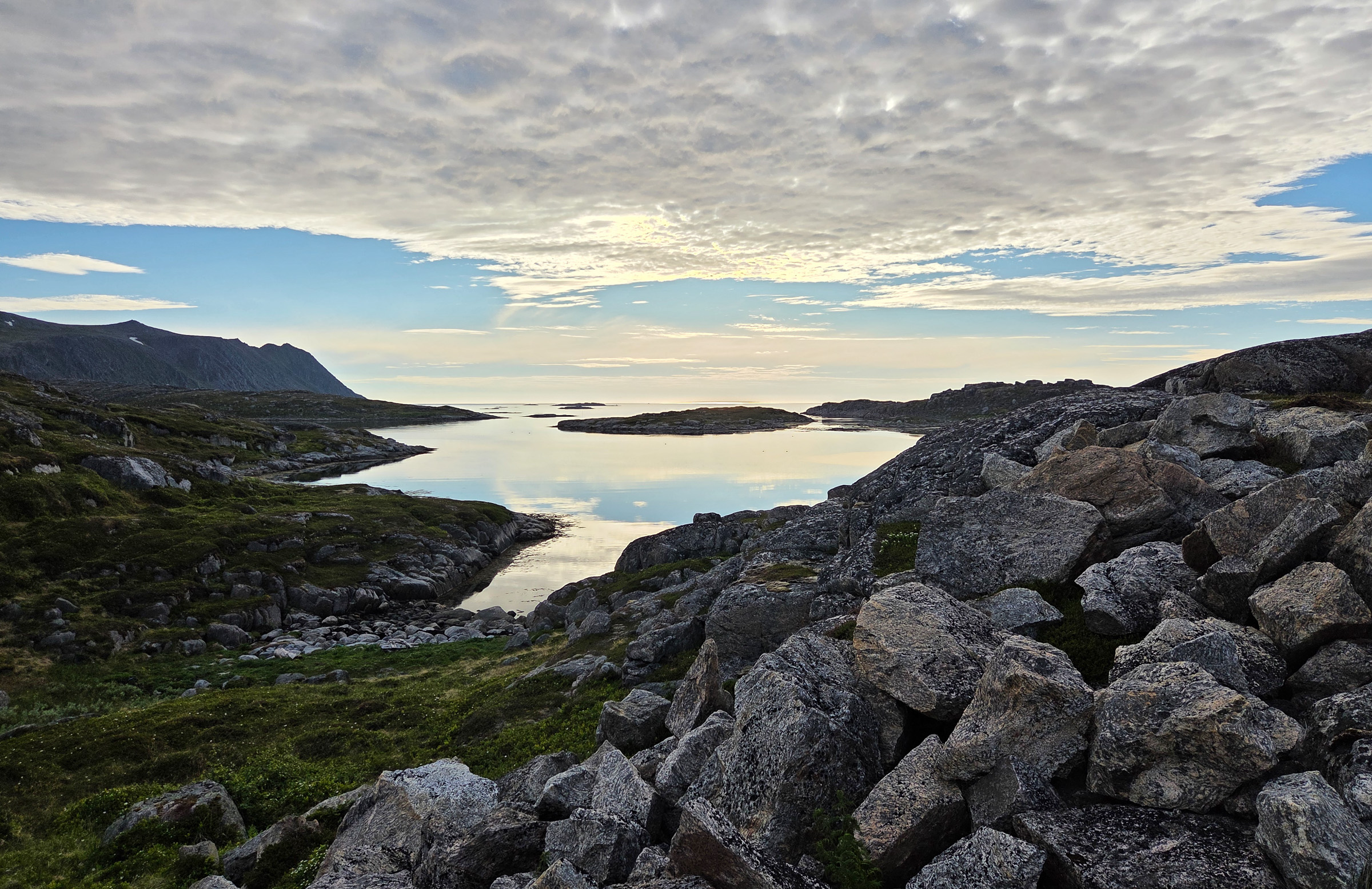
The next leg takes us to Gjesvær, seven nautical miles southwest of the North Cape on the island of Magerøya. As its name and location suggest, the landscape here is very barren, shaped by rock formations and low vegetation. Gjesvær is a picture-perfect fishing village and also features several nearby bird sanctuaries on small rocky islets.
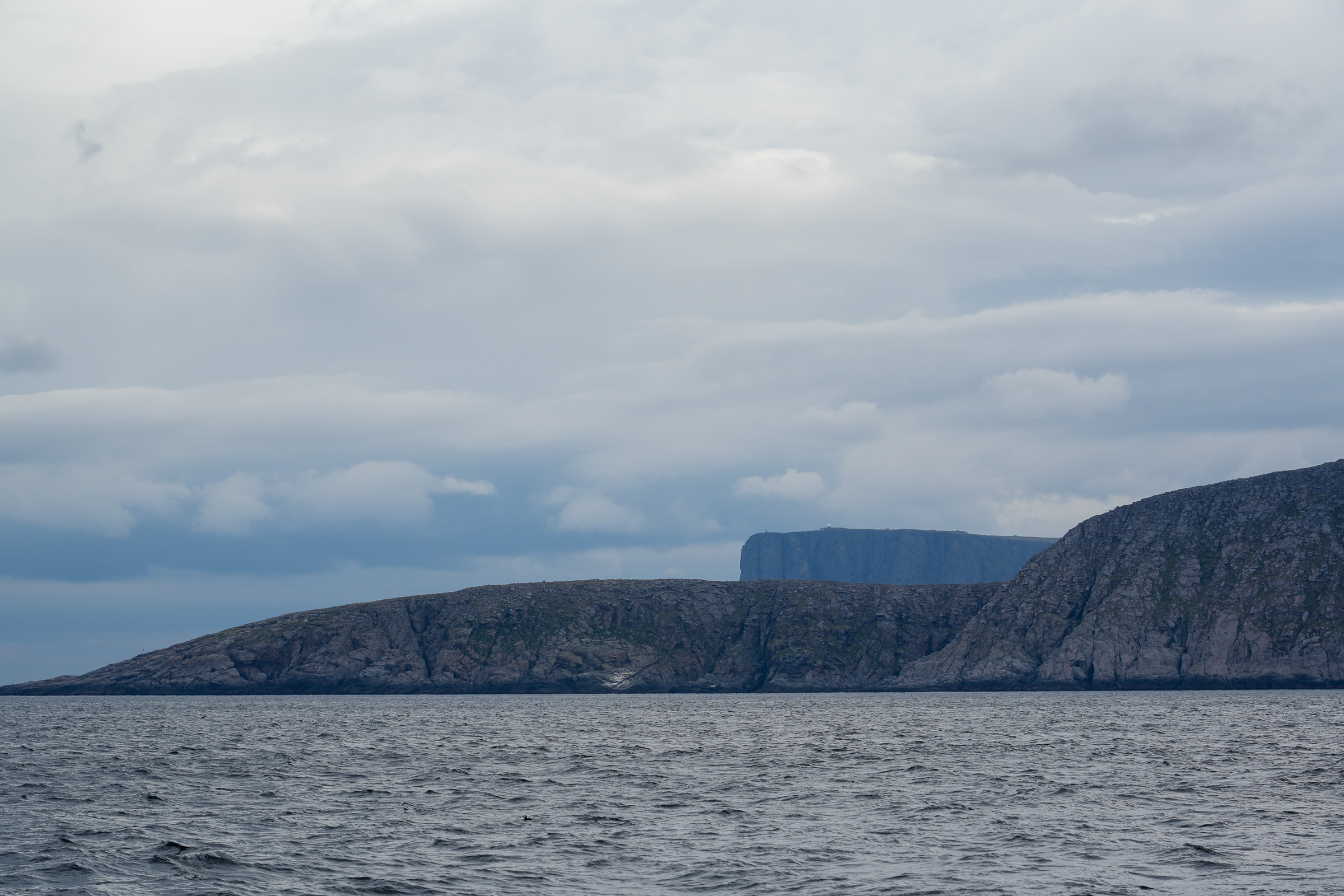
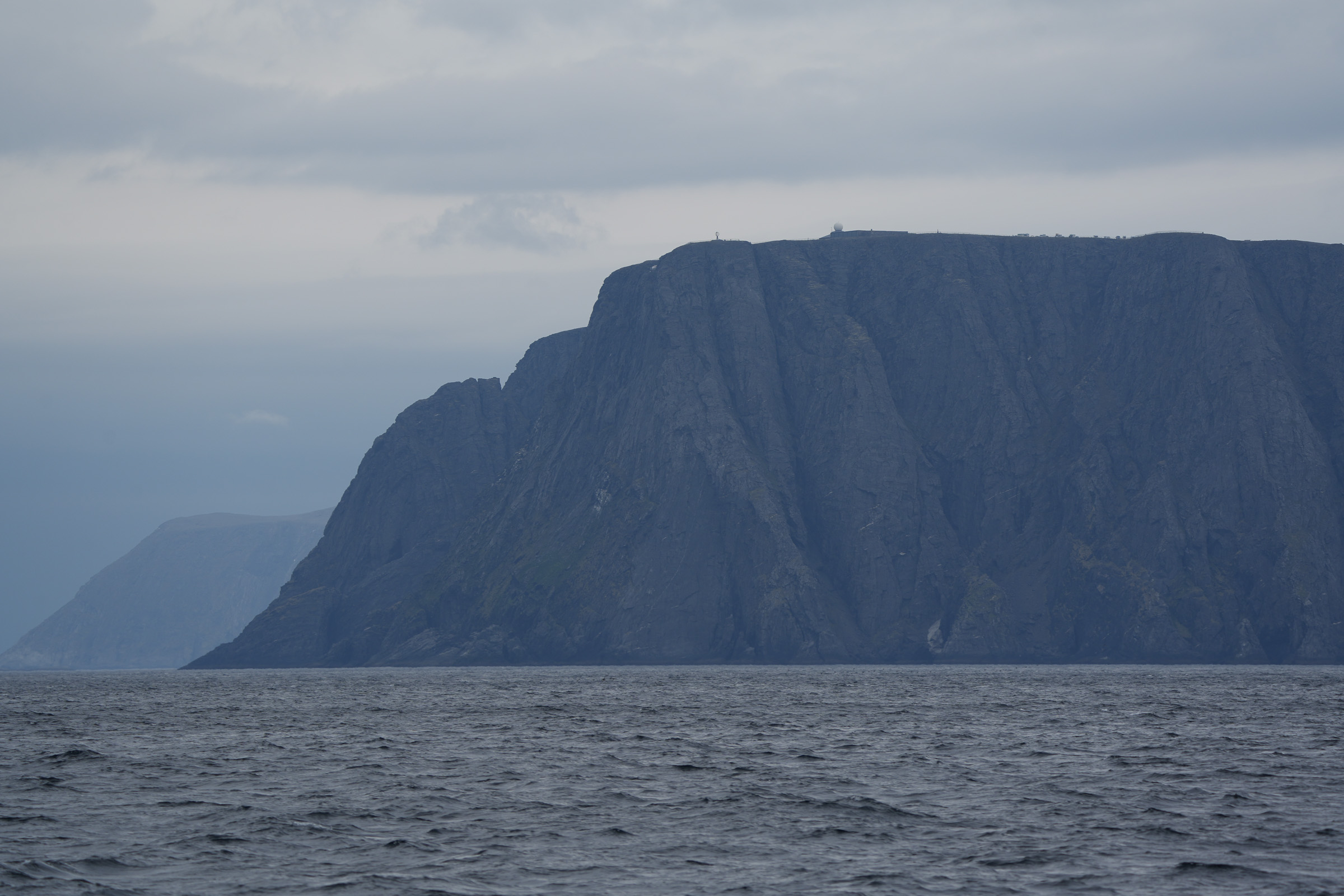
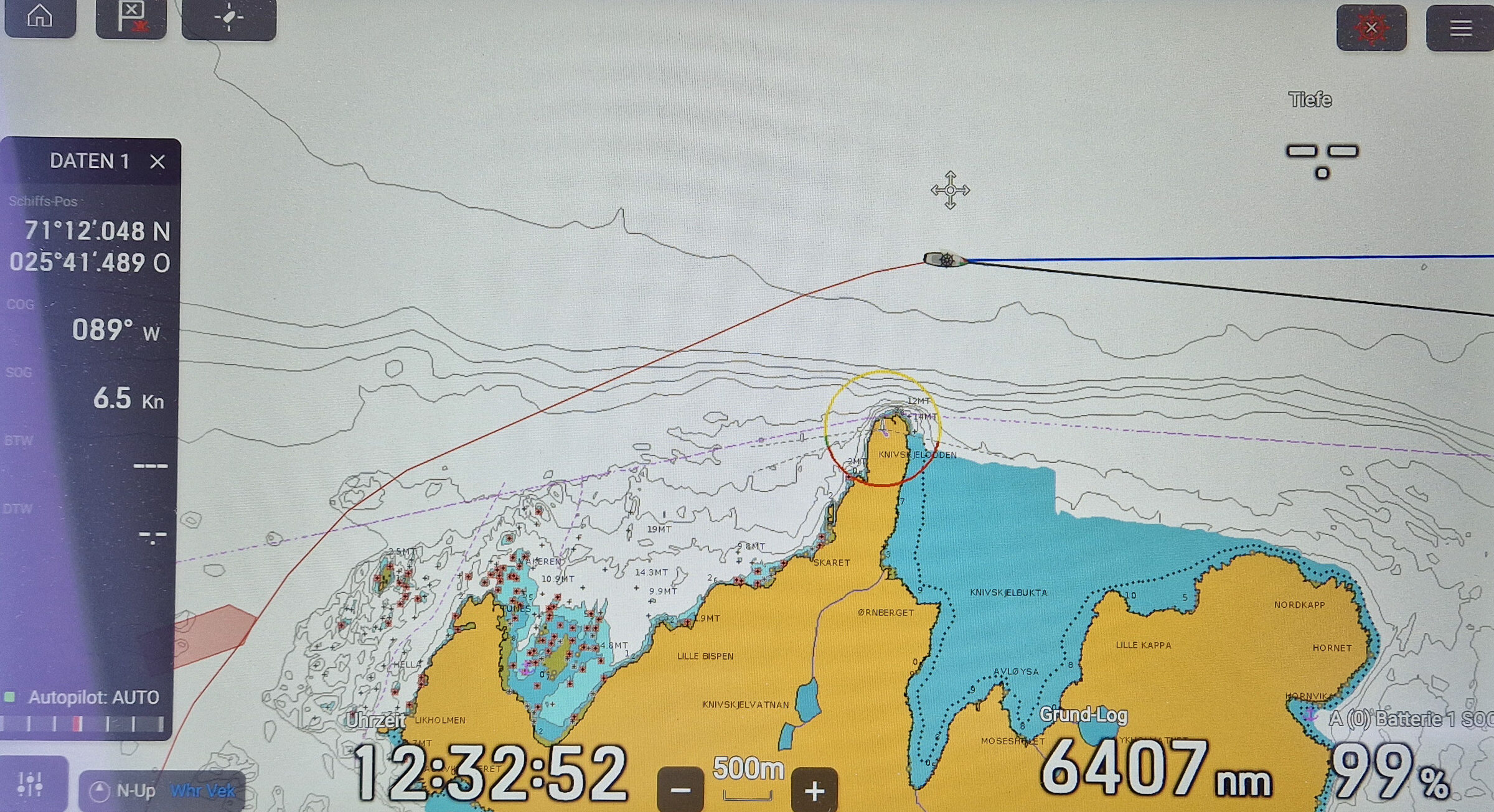
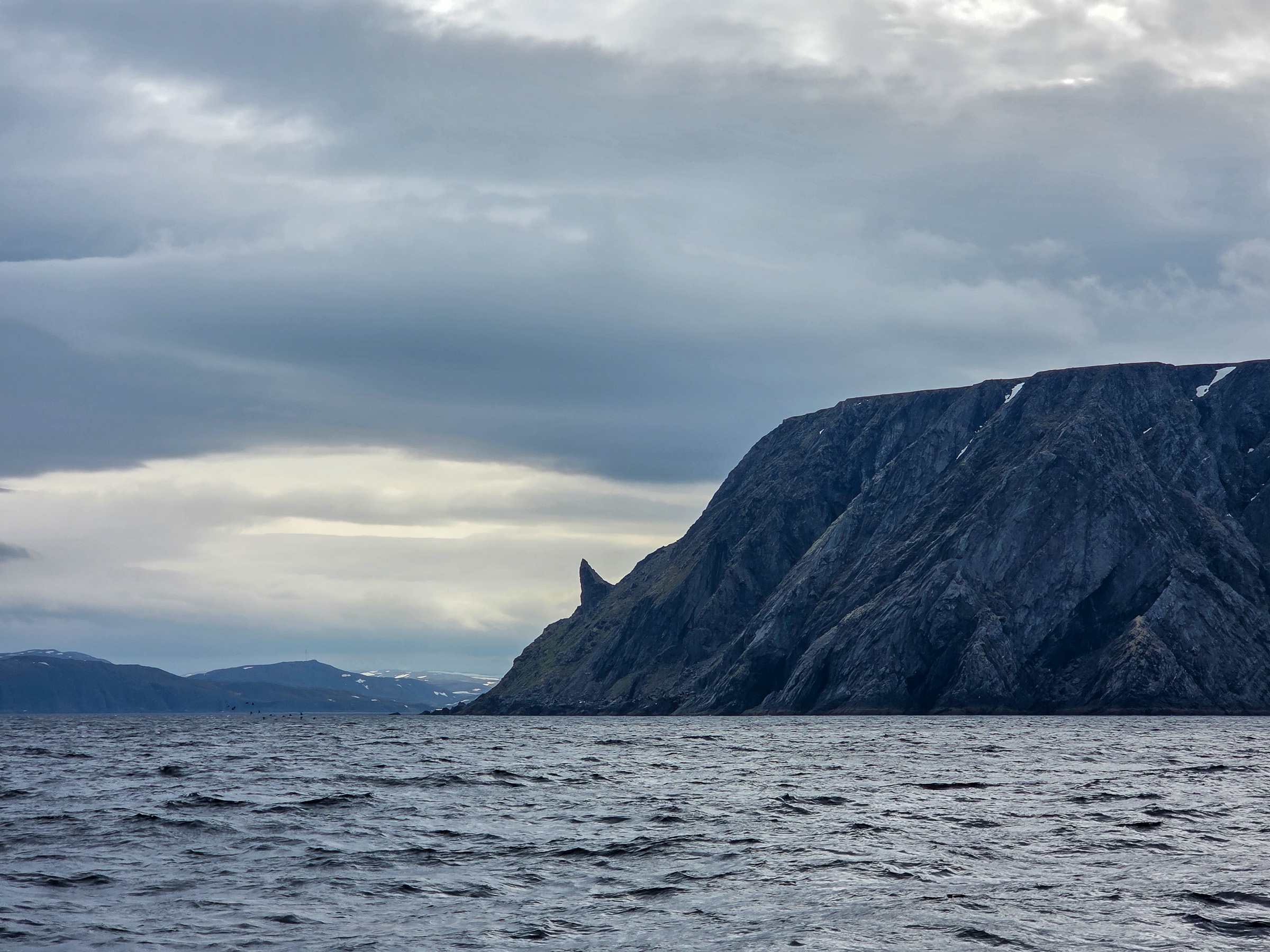
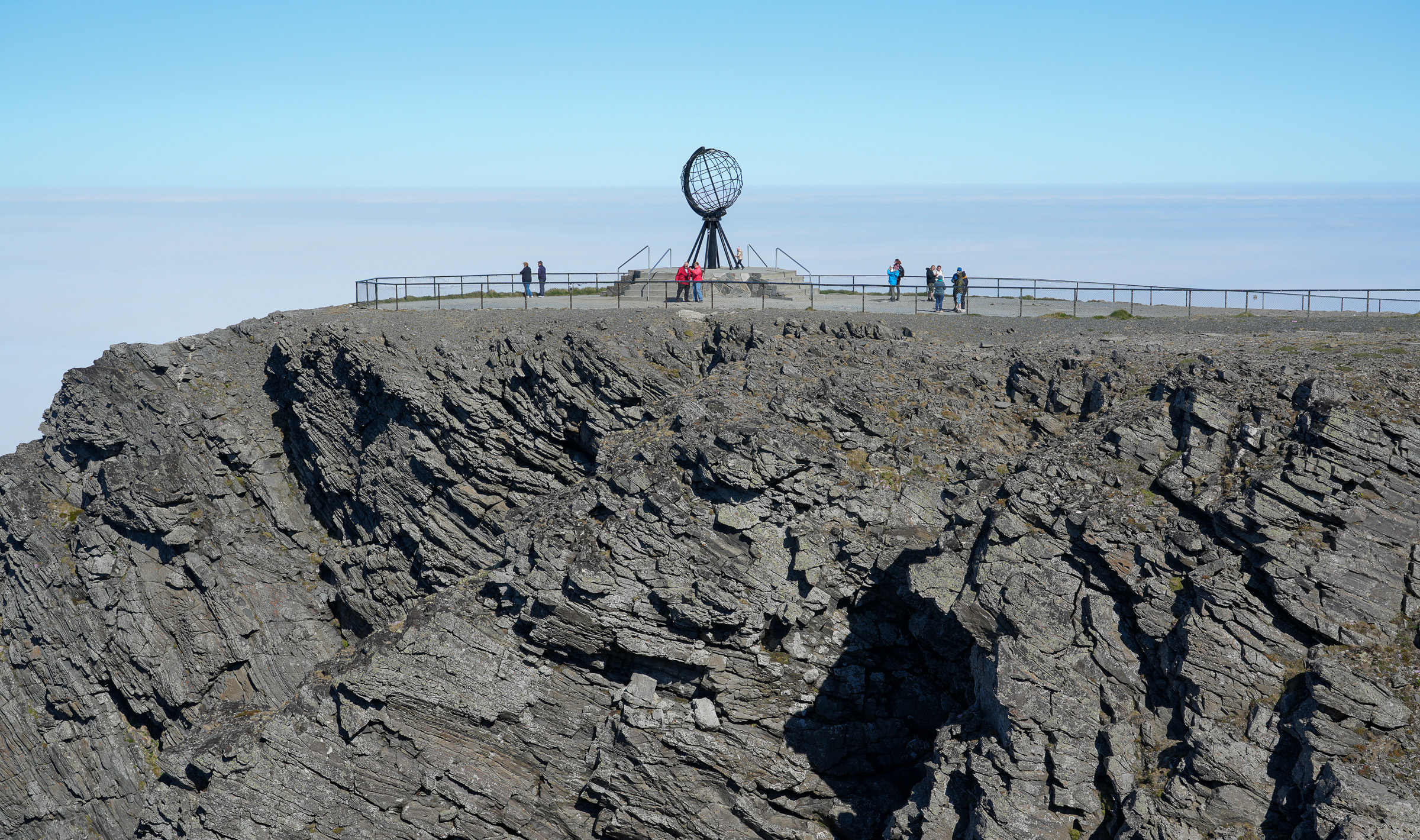
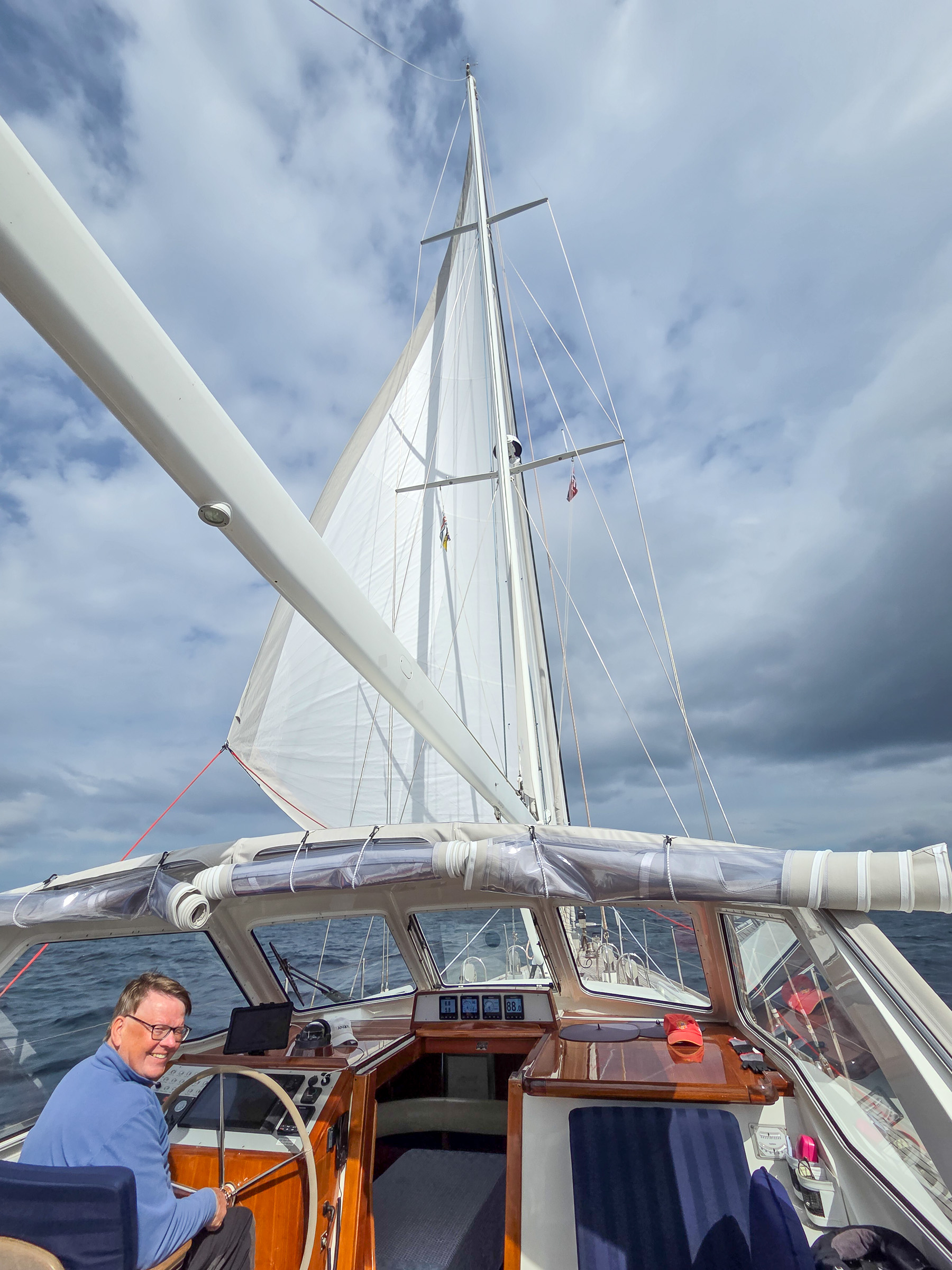
Originally, we had planned to go on a bird safari the following day, but the forecasted wind looked ideal for a circumnavigation of the North Cape, while the days after that would be difficult. So we set off early the next morning for the northernmost point of our journey. It is overcast, but we have good wind and are able to sail past the Cape. From below, we can see the monument and, of course, groups of tourists. In the distance, we spot a few humpback whales, though they prove rather camera-shy.
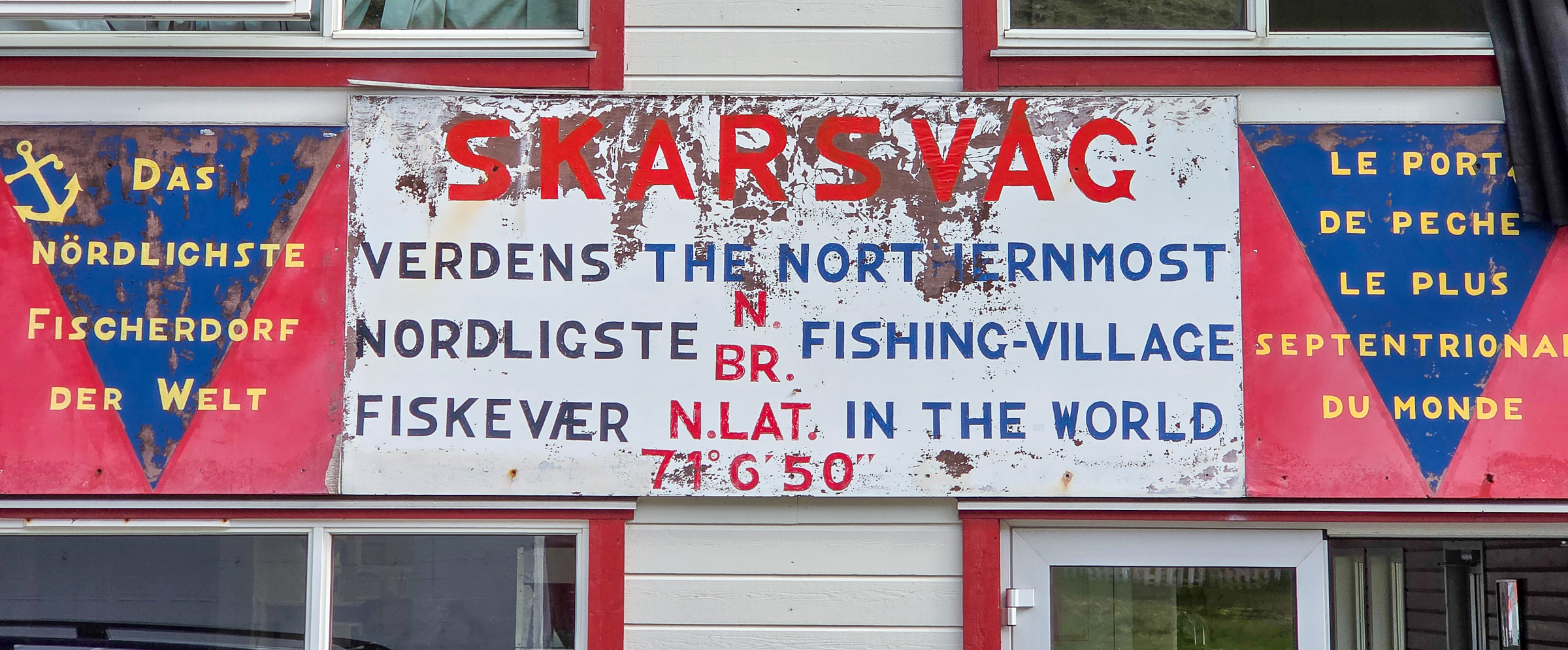
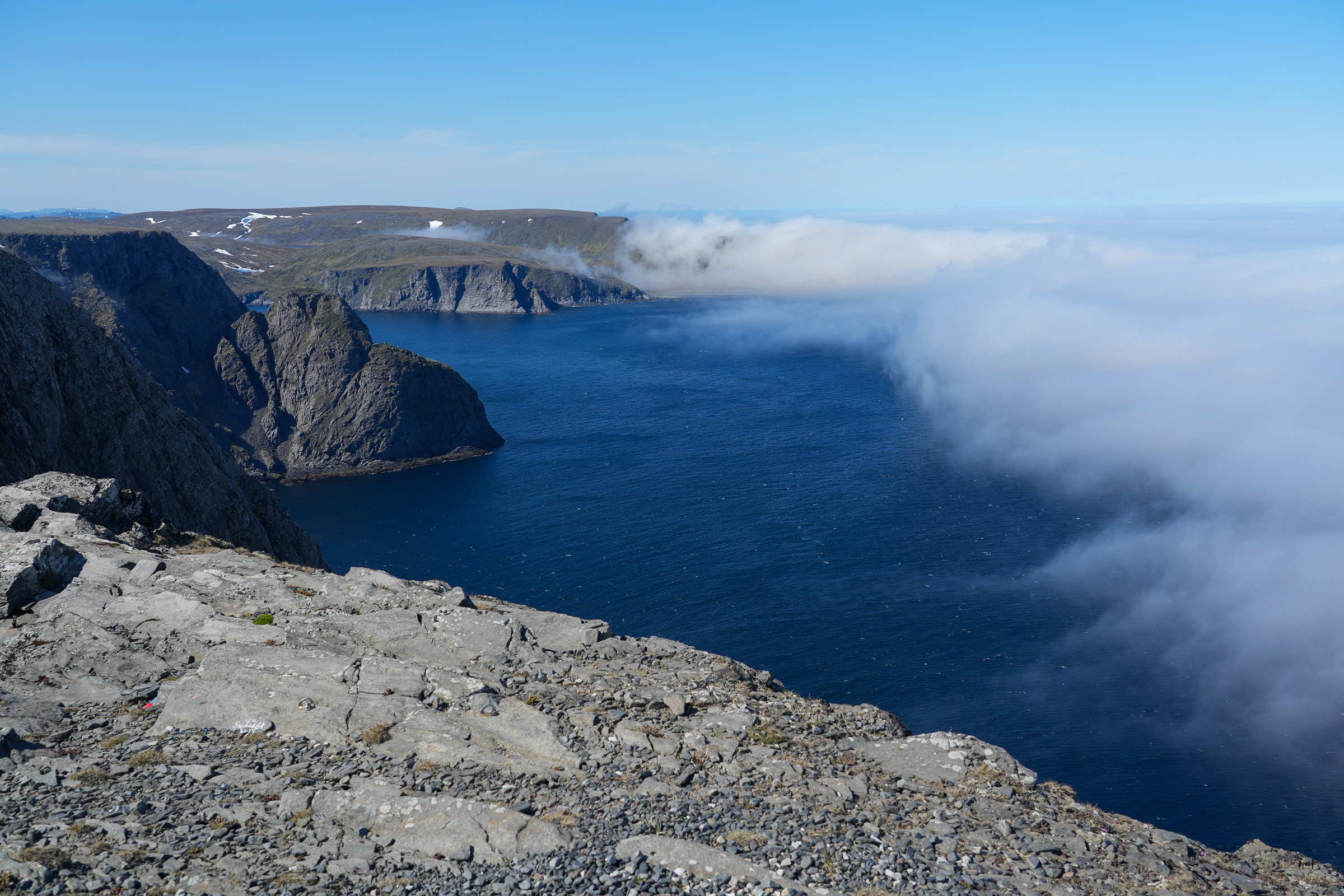
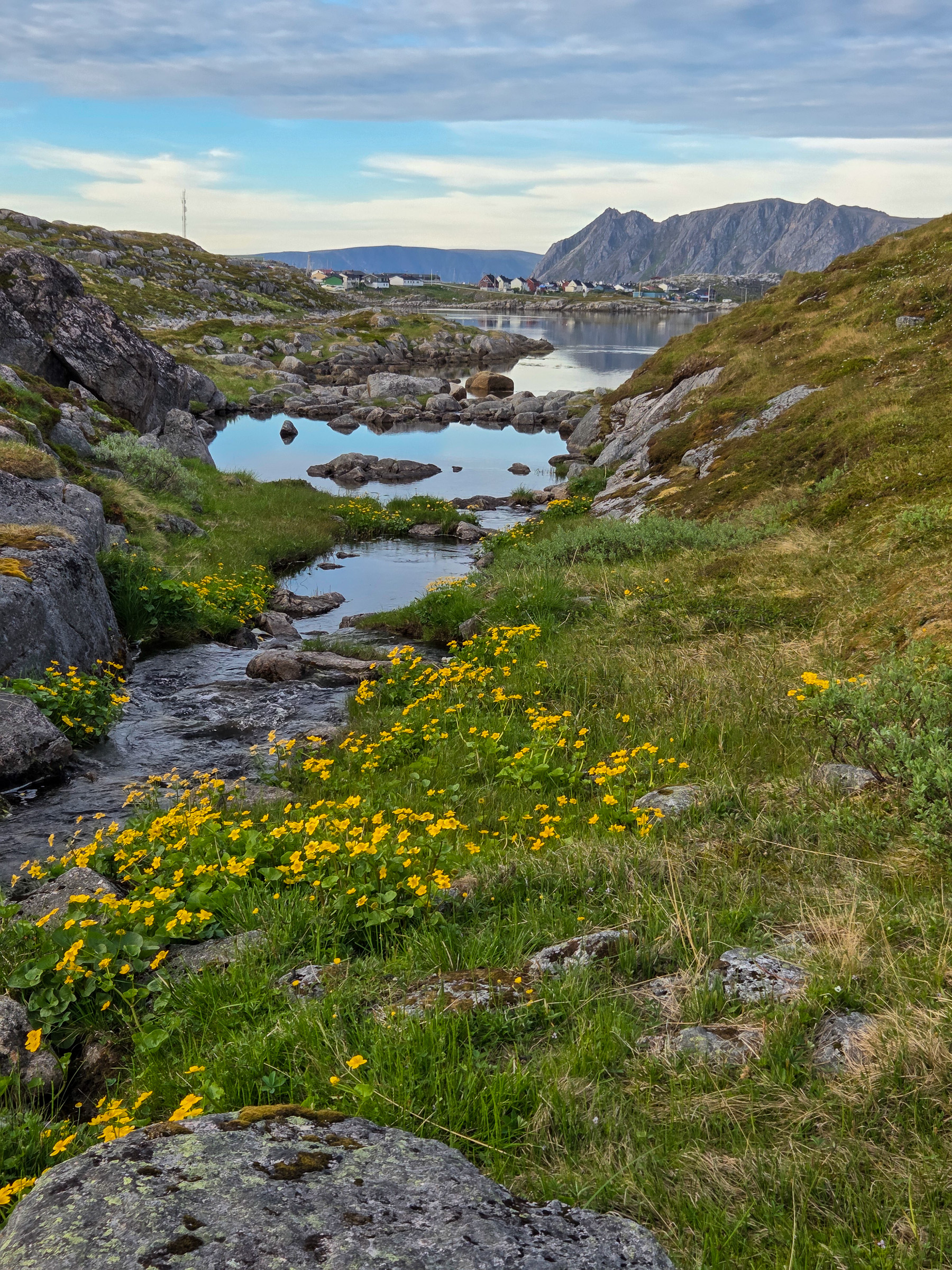
The cliffs of the North Cape rise about 300 metres almost vertically from the sea, forming a vast plateau. At one corner, Hørnvika juts out like a striking rocky spur. Keeping the “Cape effect” in mind, we turn towards Skarsvåg and soon reach the northernmost fishing village in Norway. The sky opens up, and the landscape transforms into a perfect postcard scene.
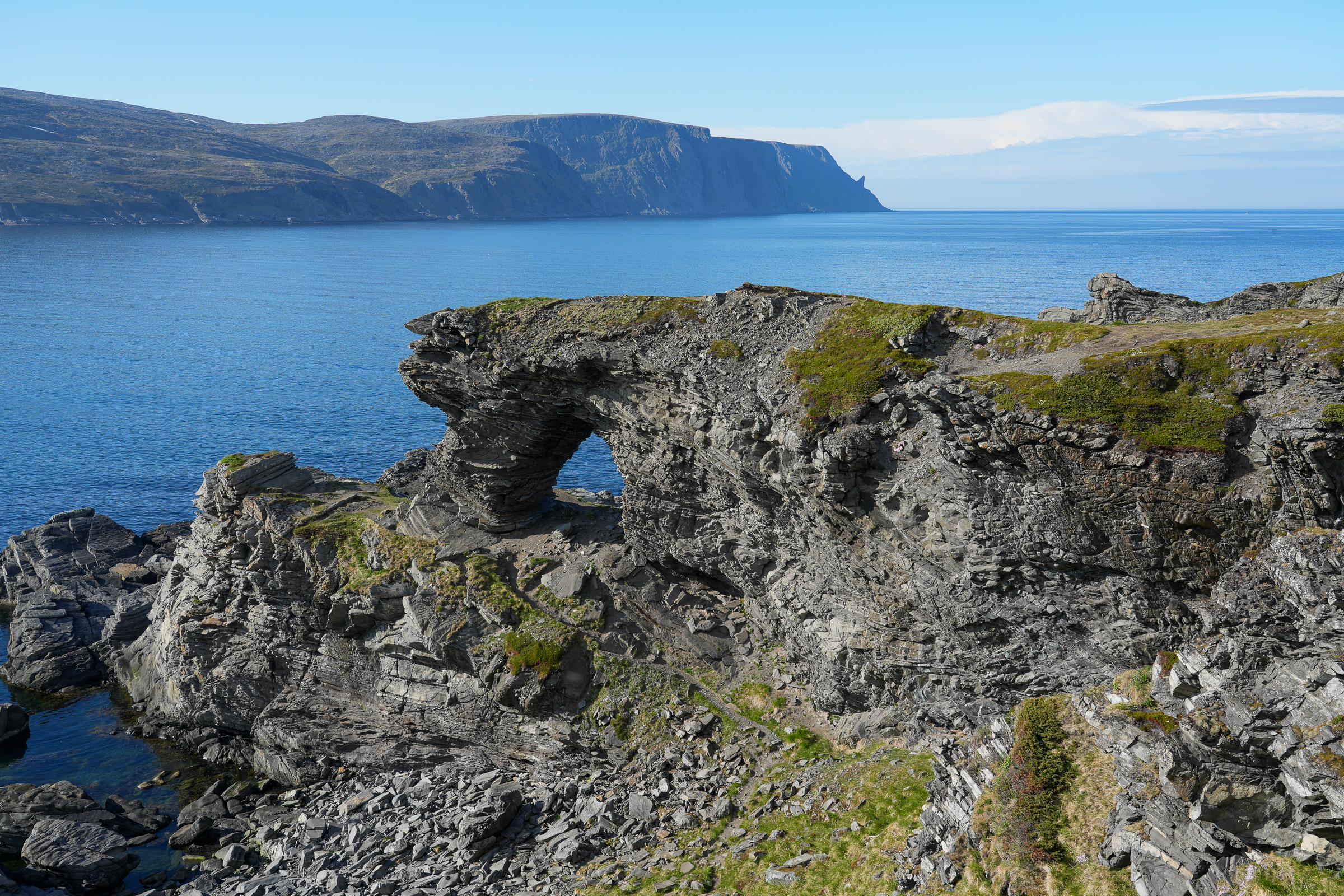
Since it is so beautiful, we continue on foot to Kirkeporten, a rock formation with a natural arch through which the North Cape can be seen. The landscape is striking—somewhat lunar in character, yet softened by patches of fresh green. The rock formations are breathtaking, as is the view through Kirkeporten, the “church portal.”
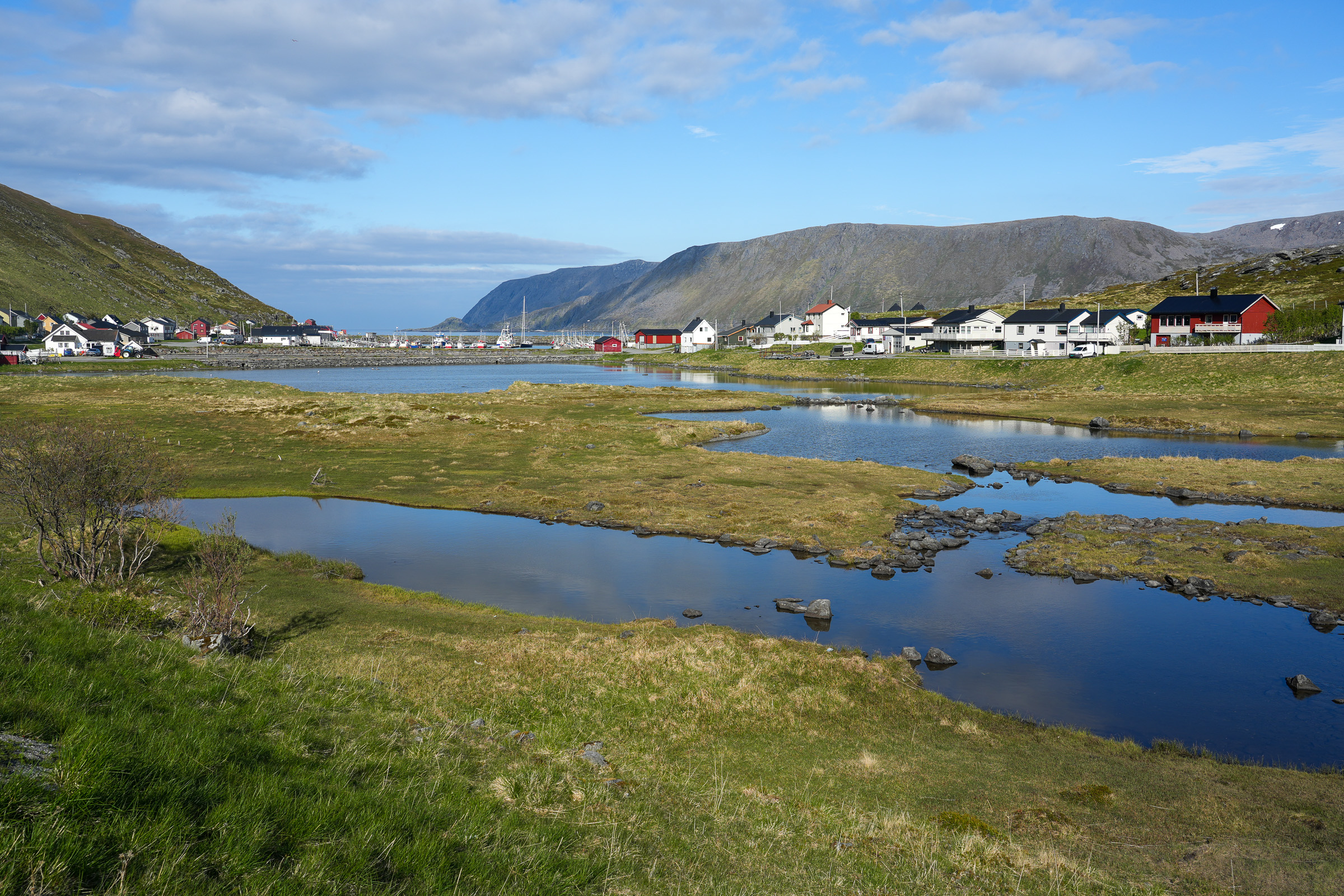
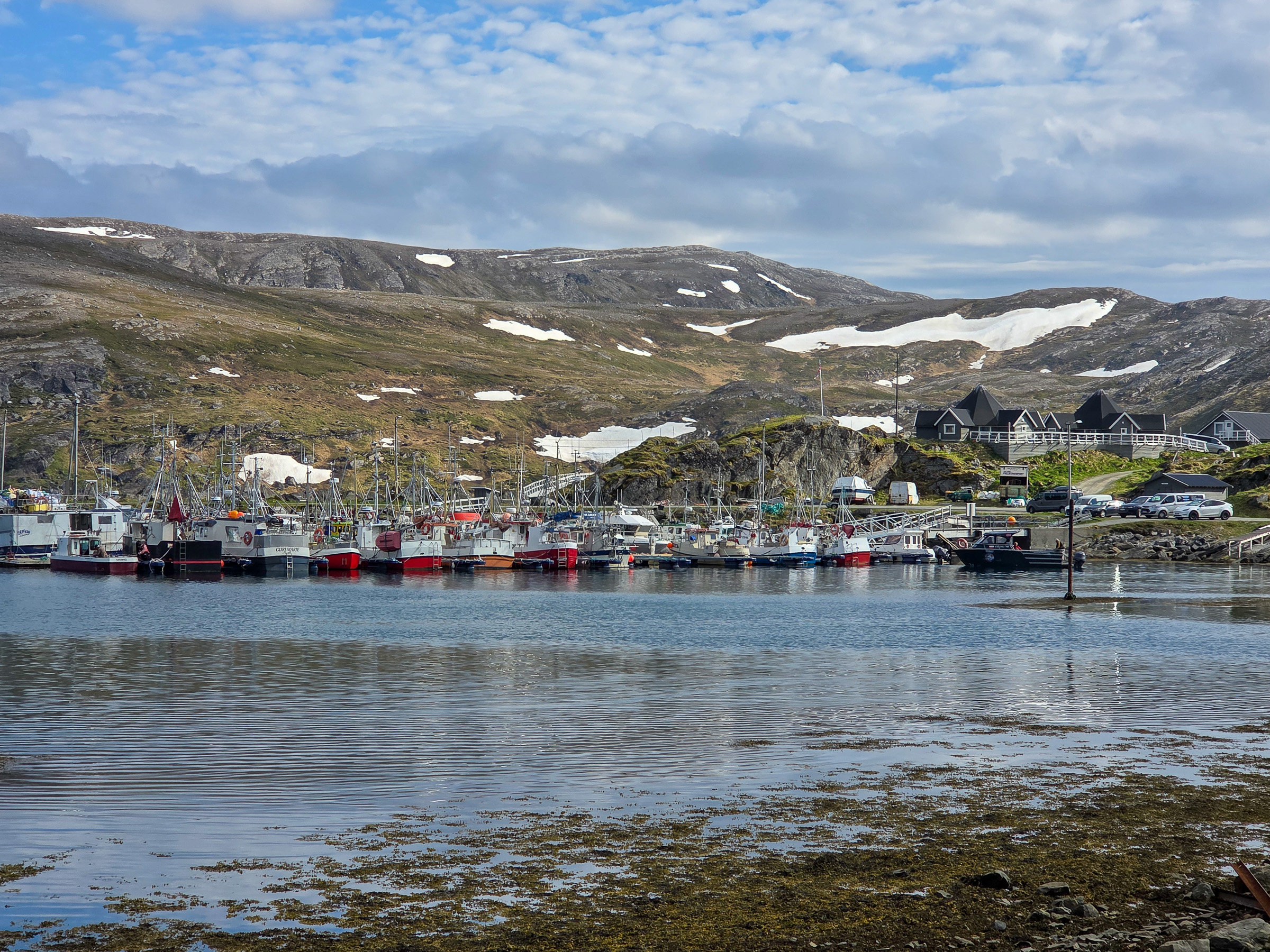
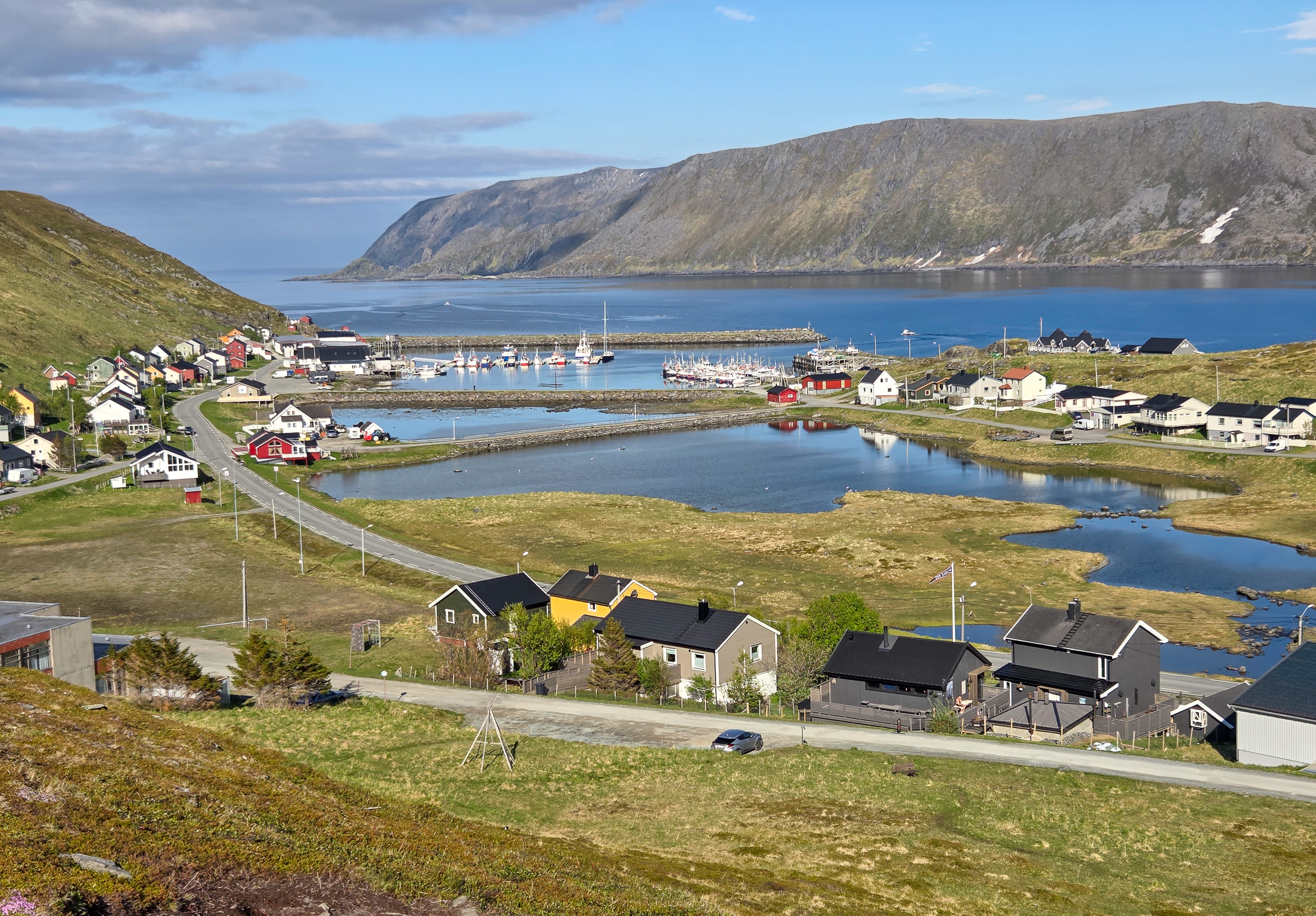
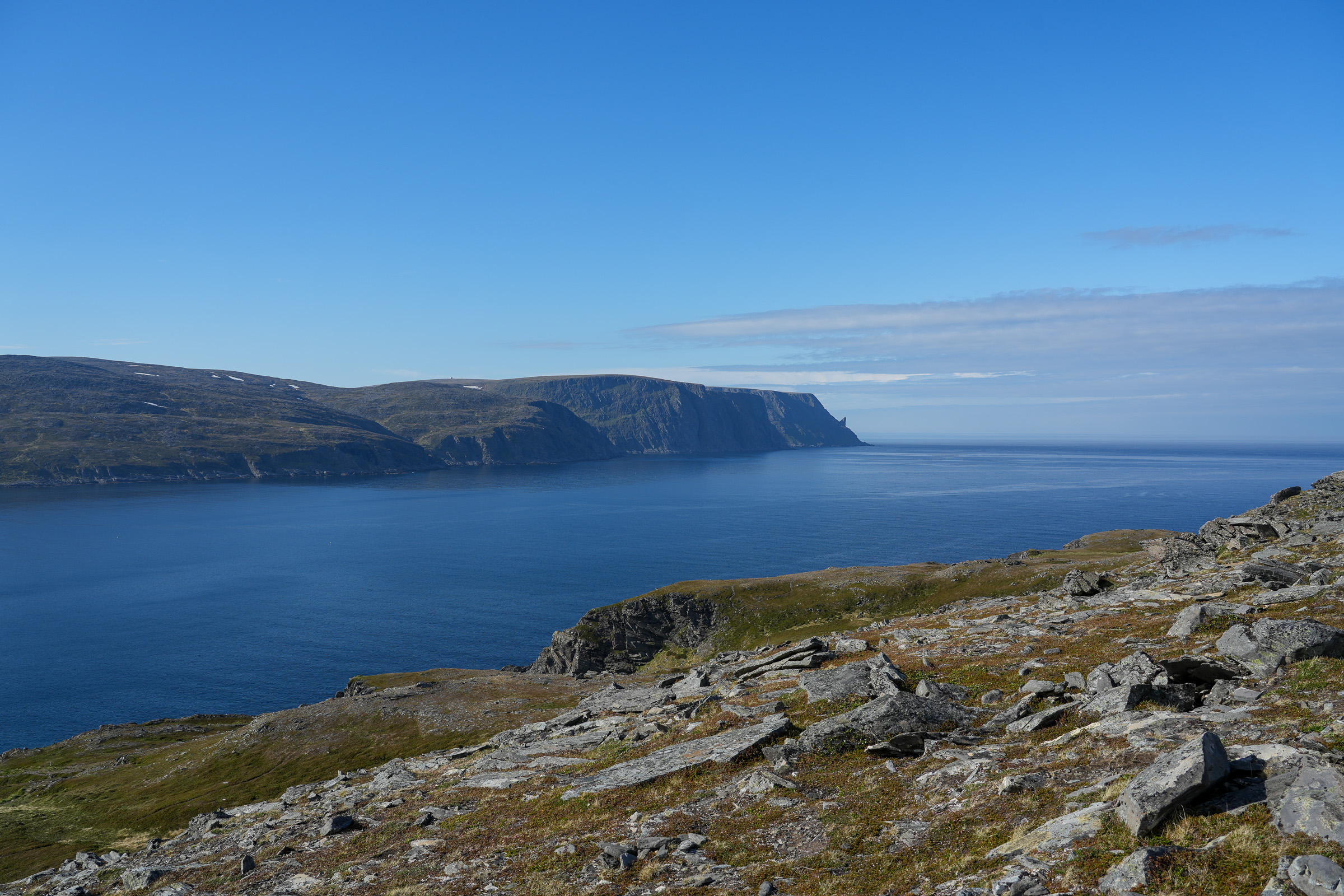
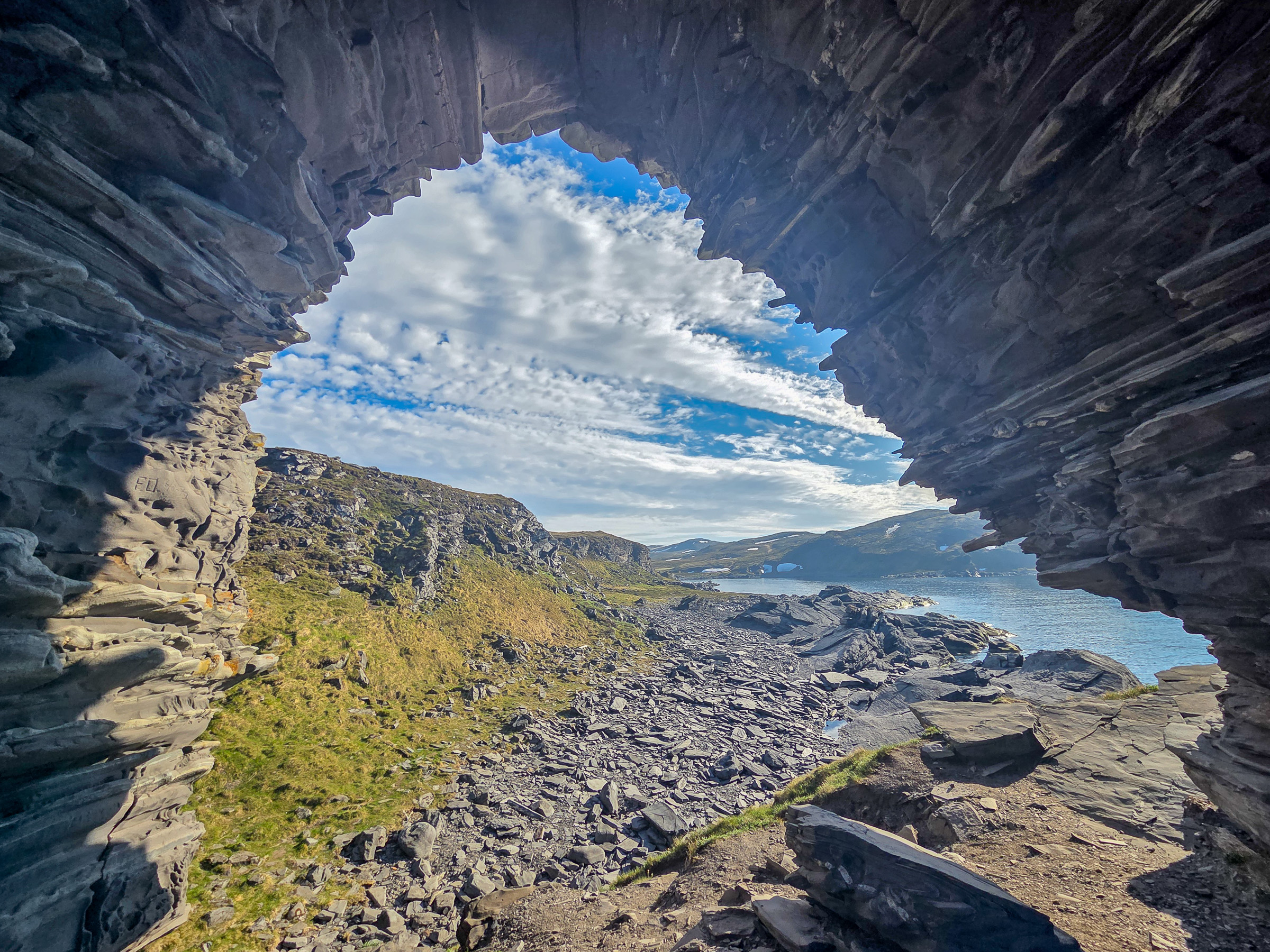
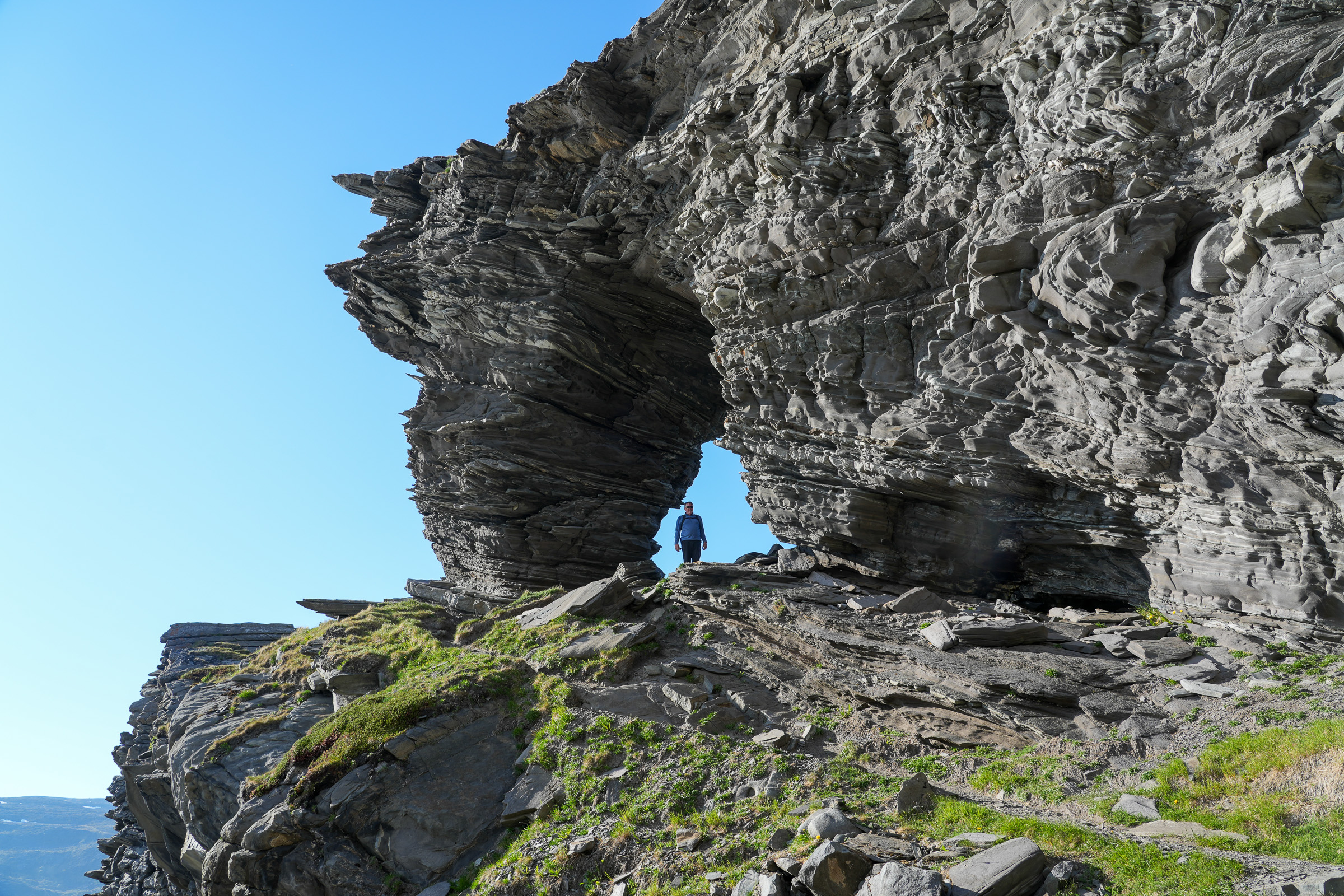
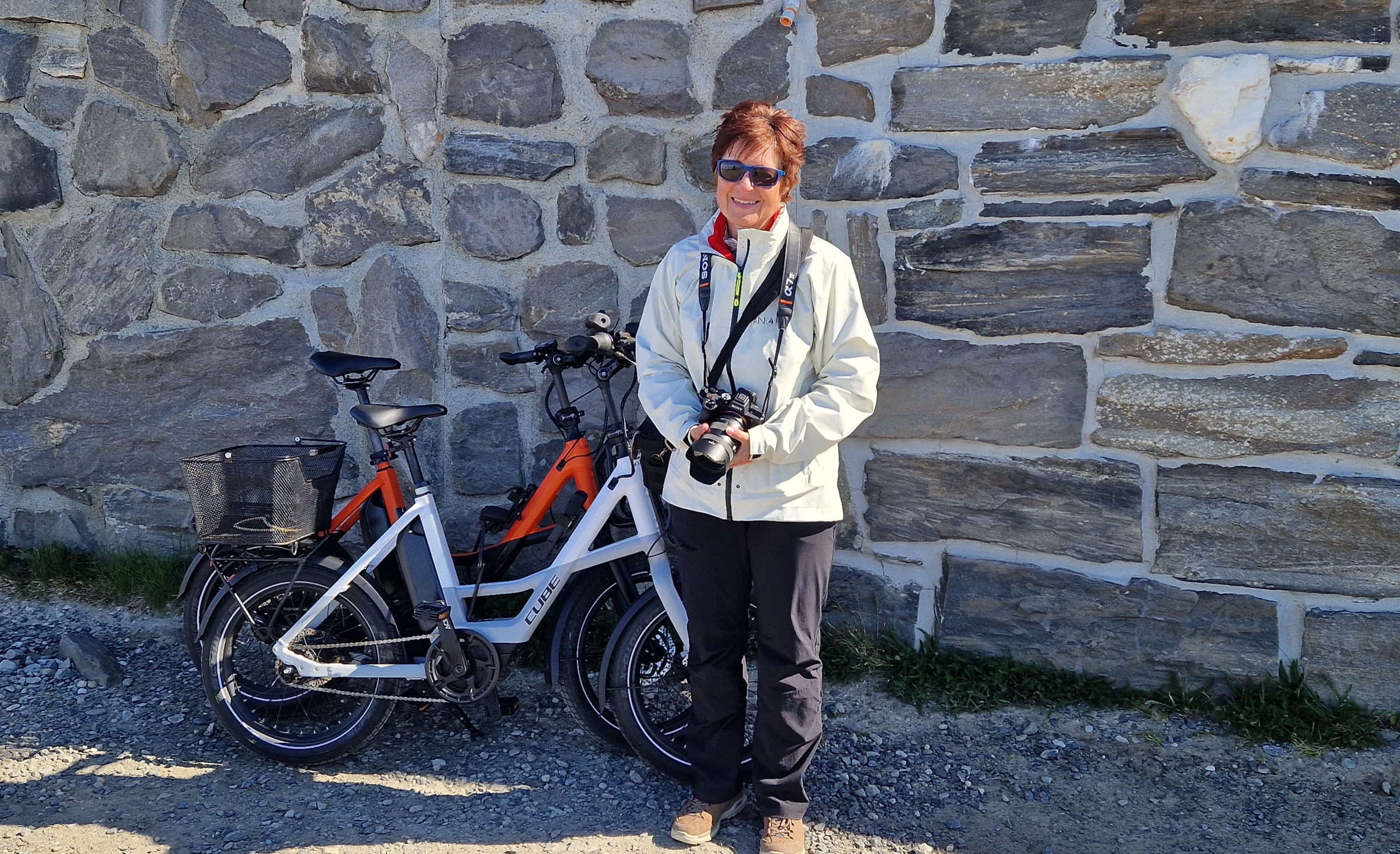
The next day fog is forecast. In Skarsvåg it is still clear and bright, but further up towards the North Cape thick banks of fog are already hanging over the landscape. We cycle the 14 kilometres with 300 metres of elevation gain. The road climbs steadily, and the wind blows hard straight into our faces. Without the support of our batteries, we would have struggled to make it to the top. Even so, the ride is demanding due to the cold wind and the heavy, persistent fog banks.
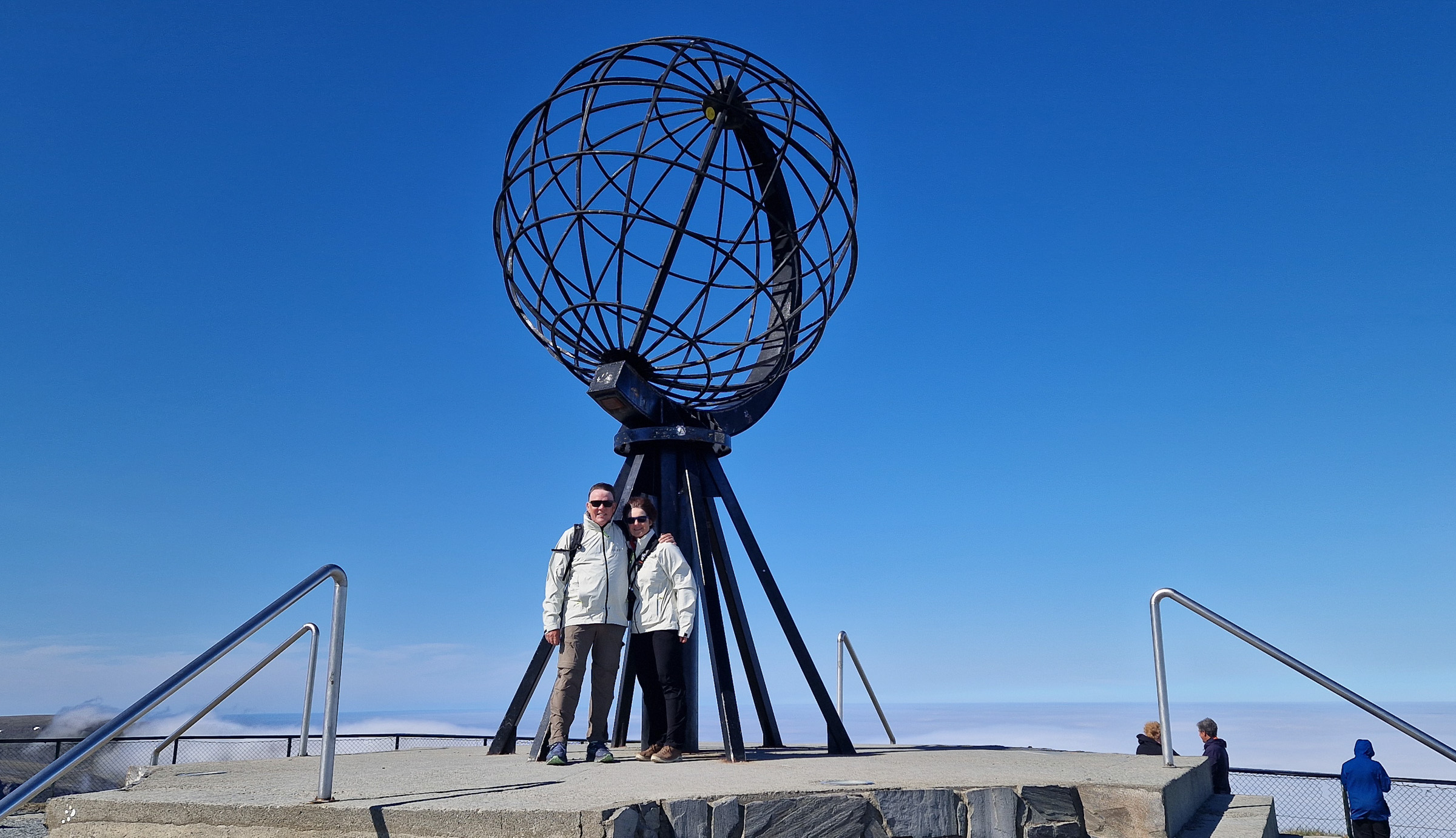
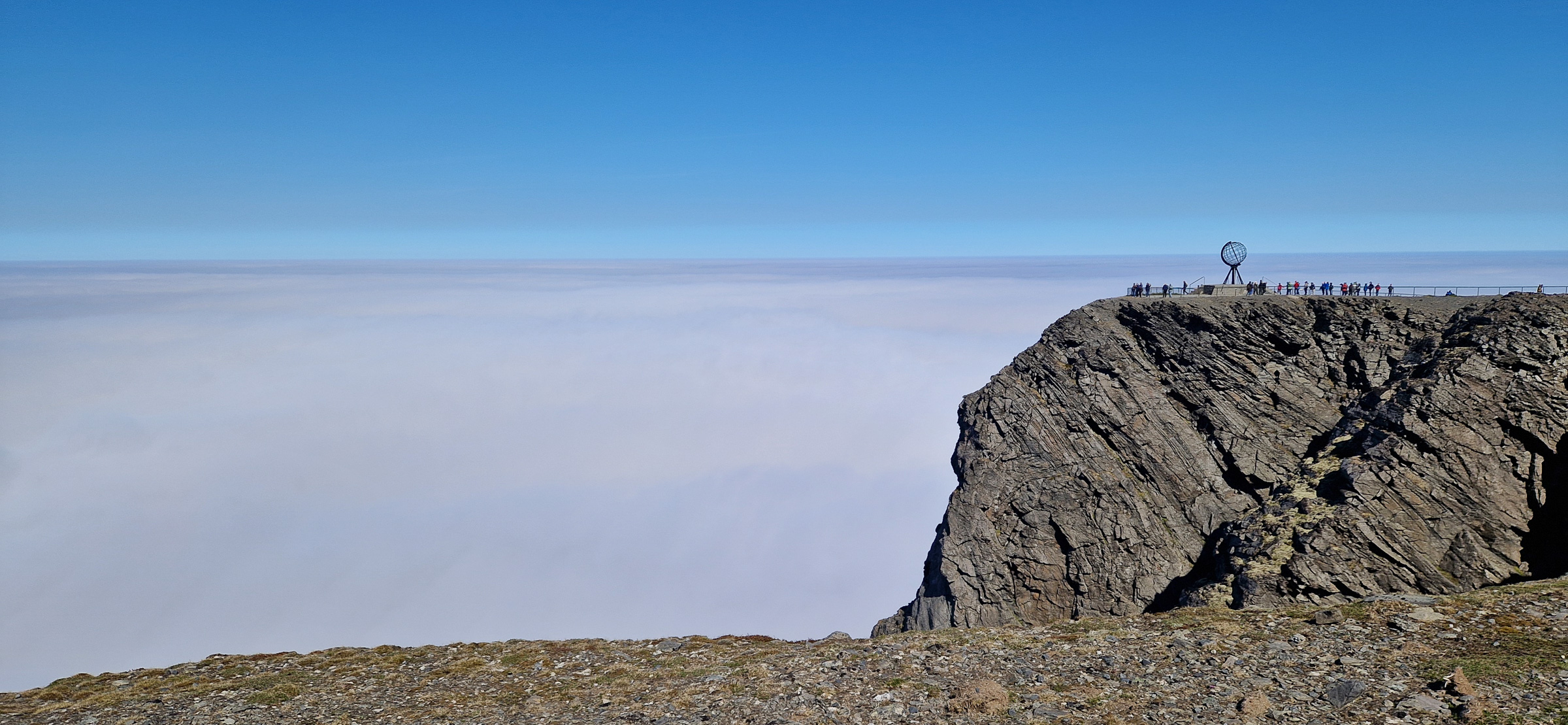
Numerous motorhomes pass us, and we overtake a few other cyclists without electric assistance. At the top, it is sunny, but the wind is still strong. We skip the visitor centre because of the absurd entrance fee and head straight to the monument to take the obligatory photos. What is particularly striking is the layer of fog hanging over the sea. We certainly would not have wanted to sail through that!
We meet a Swiss couple we had overtaken earlier. They are travelling with regular bikes and luggage and are rightly proud to have made it to the top. After a long chat, we get ready for the descent. Once again, we ride through the fog banks, and the wind has shifted, now hitting us cold from the side. But downhill is faster, and soon we are back at the bottom, relieved to find that Skarsvåg is sunny and free of fog.
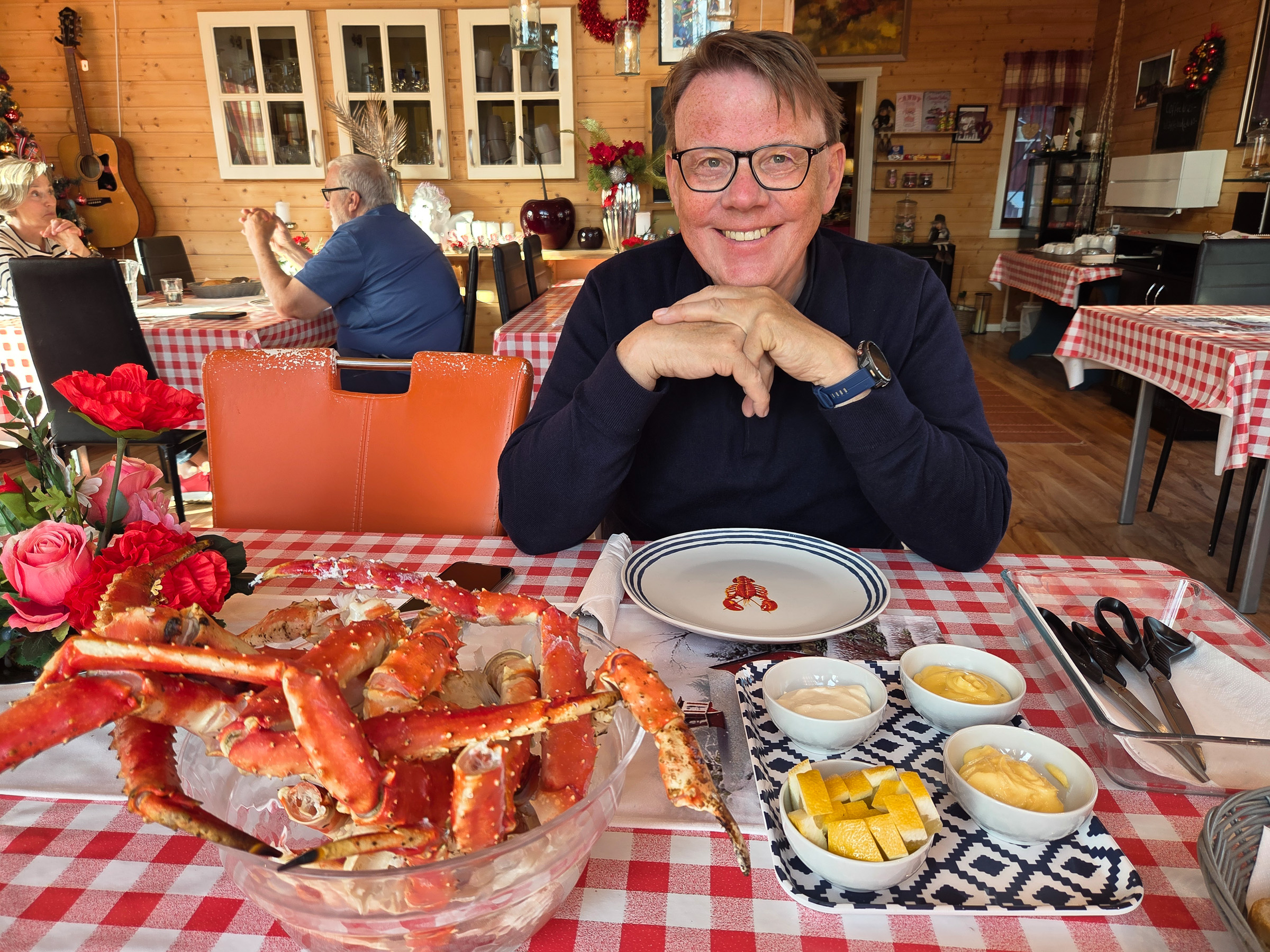
After a short break, the second highlight of the day follows: the king crab dinner at the Christmas house. In the festively decorated cabin, filled with Christmas crafts and knitted goods, you can, by prior reservation, enjoy this delicacy in a rustic setting at a reasonable price. Soon a large bowl full of long legs is placed in front of us, and we get to work with scissors and cutlery. It takes some effort, but the meat is simply delicious!
For the next day, we hope the fog will have lifted. We plan to return to Gjesvær to make up for our bird safari. In fact, visibility is good enough, and we set off early. The safari starts at midday, so we leave at seven in the morning. Once again, we sail around the North Cape. Travelling in the opposite direction changes the perspective, and in the soft sunlight everything looks different once more.
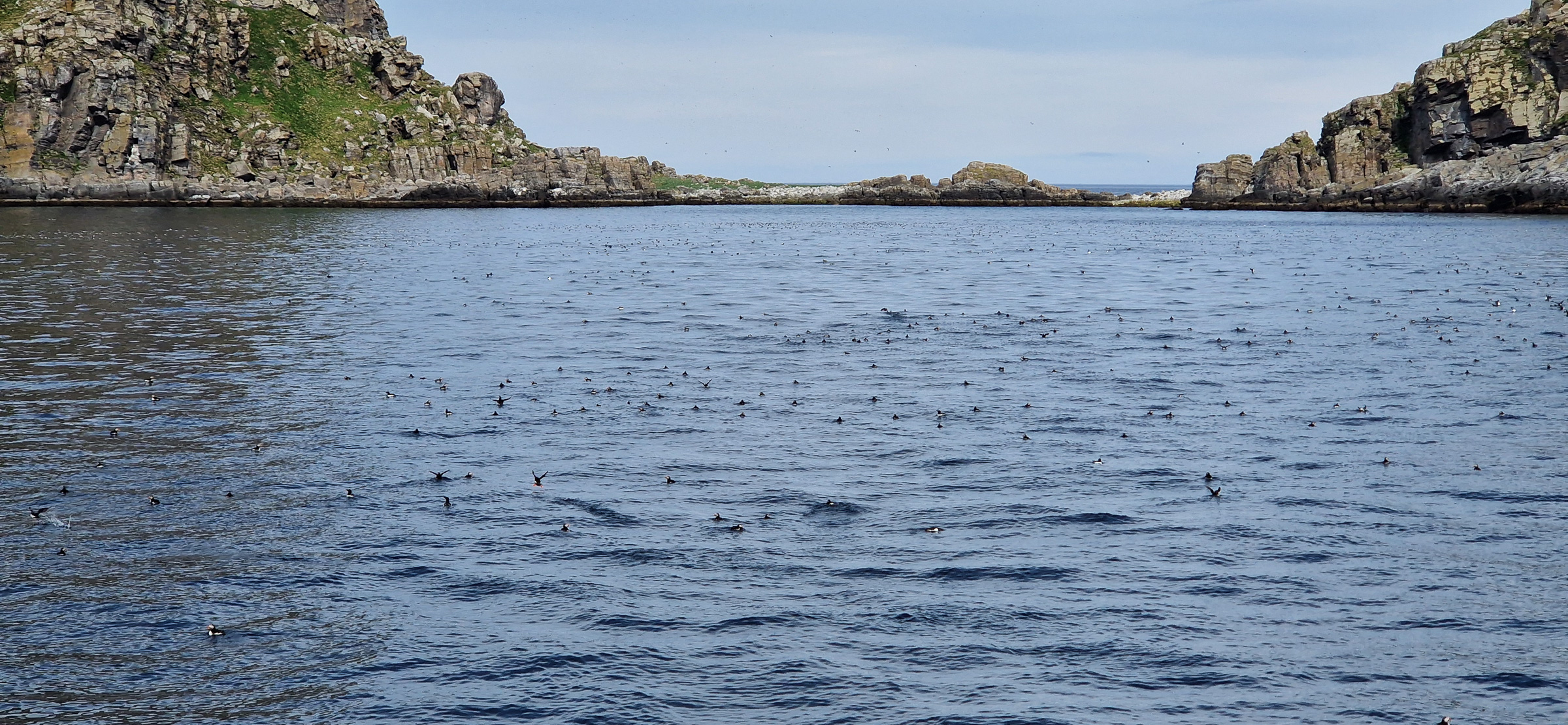
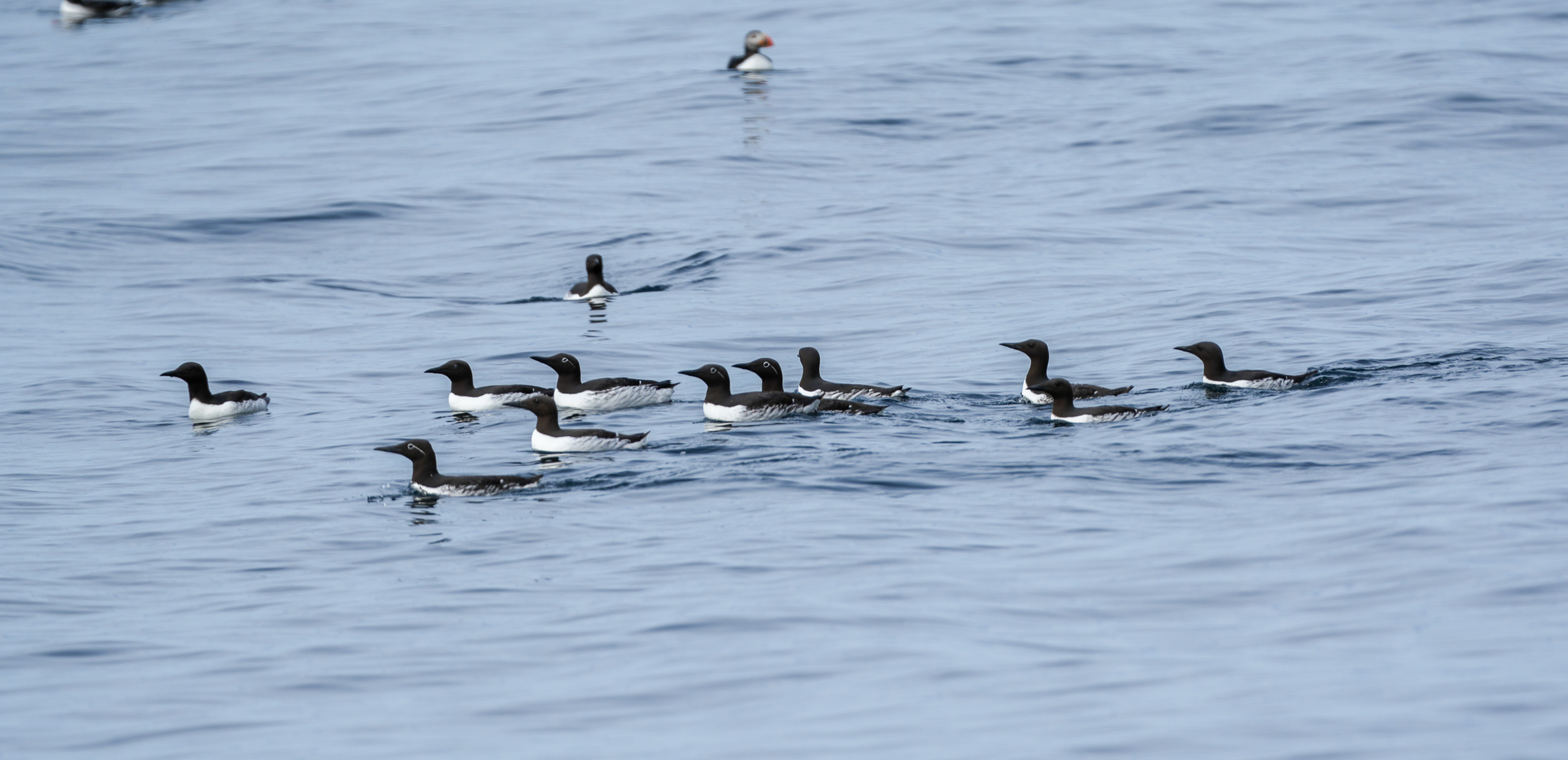
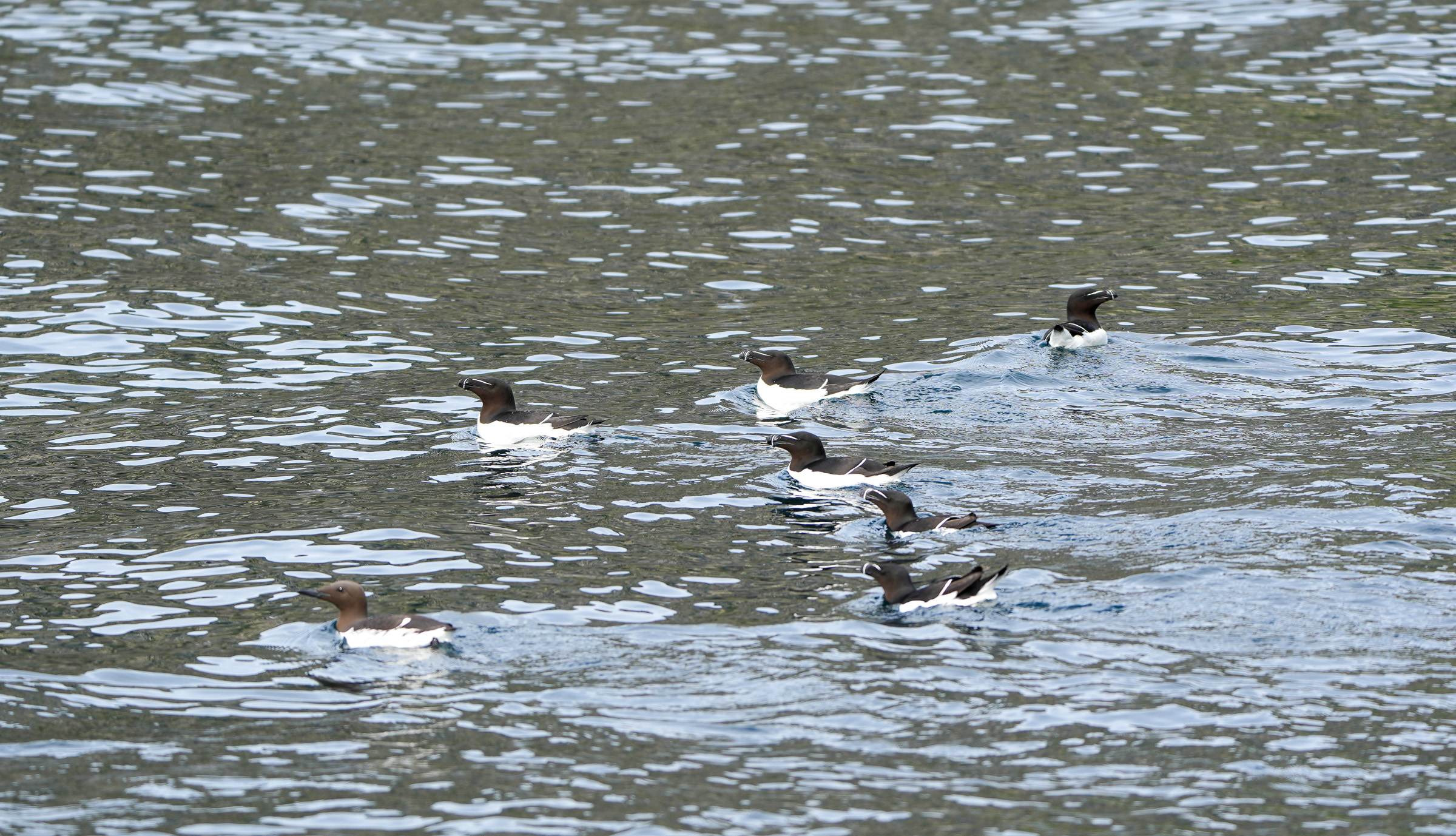
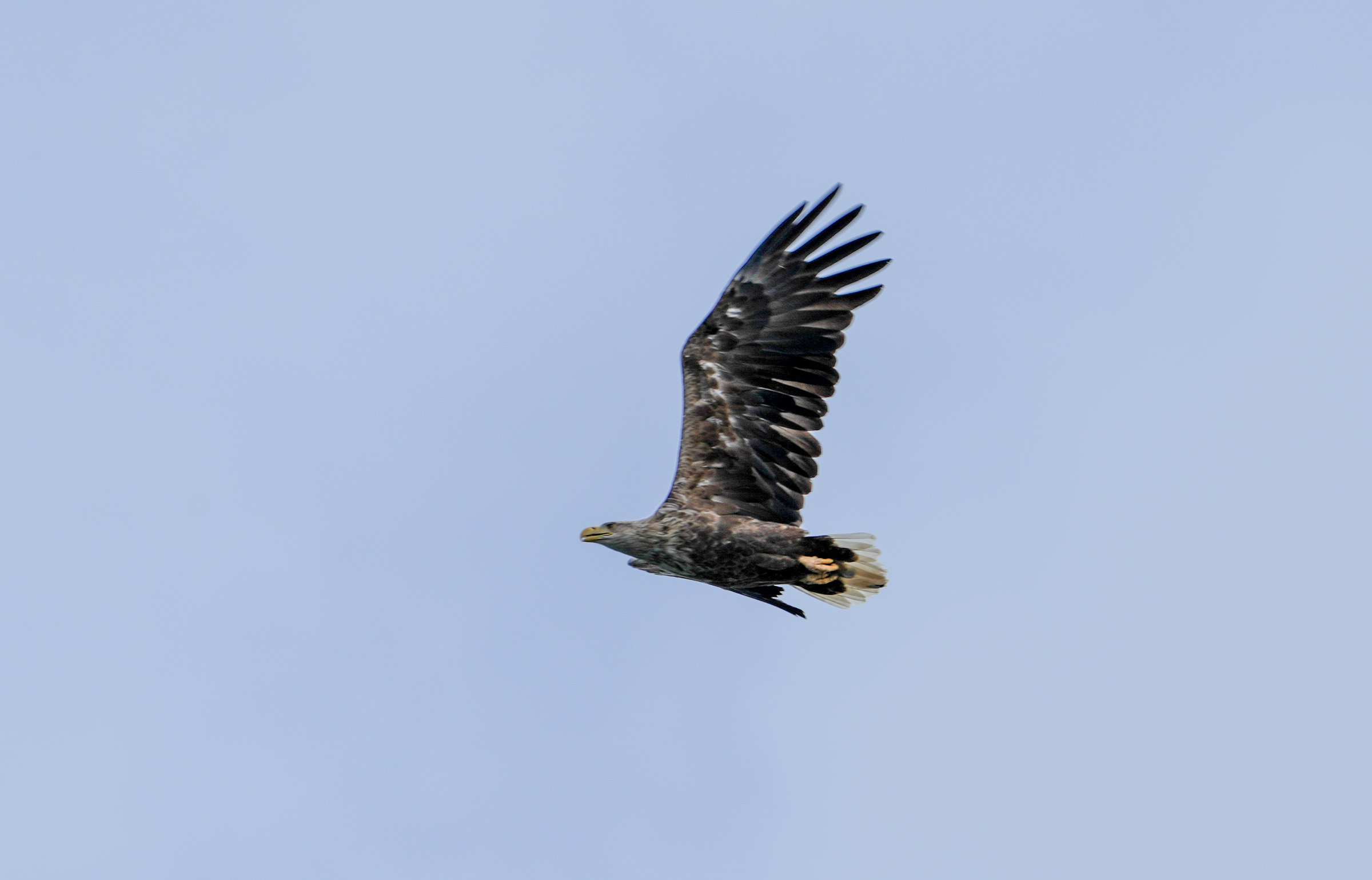
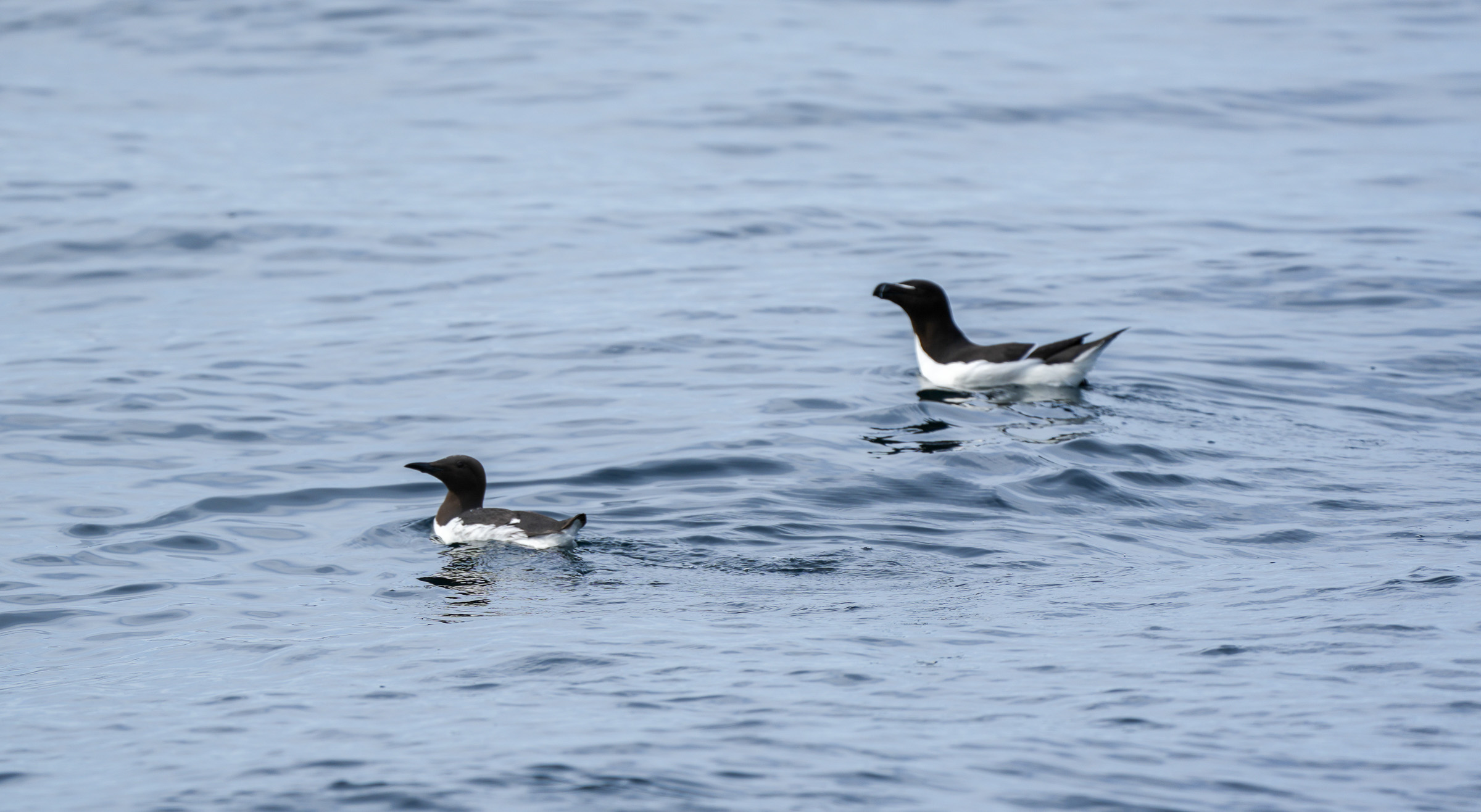
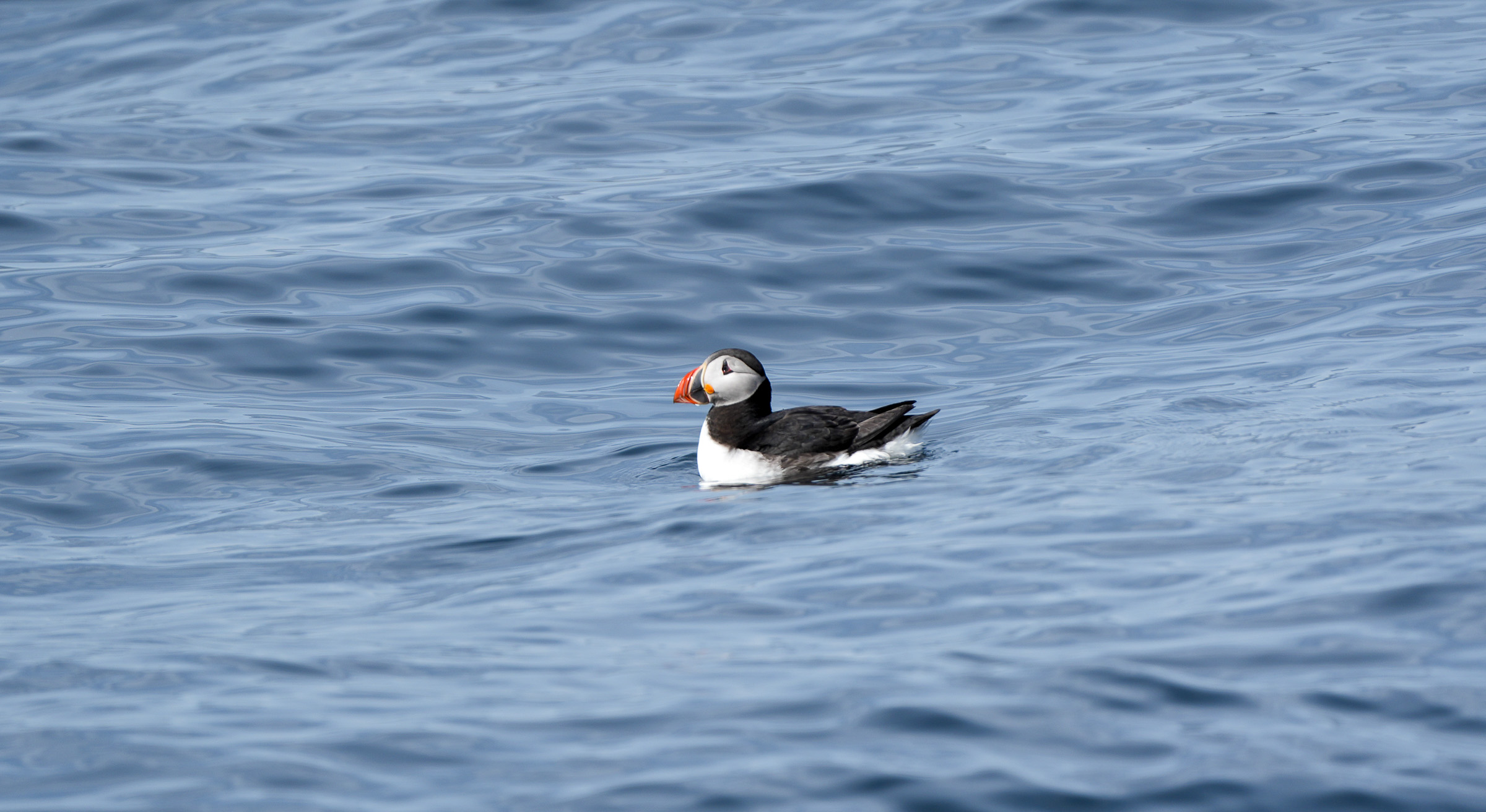
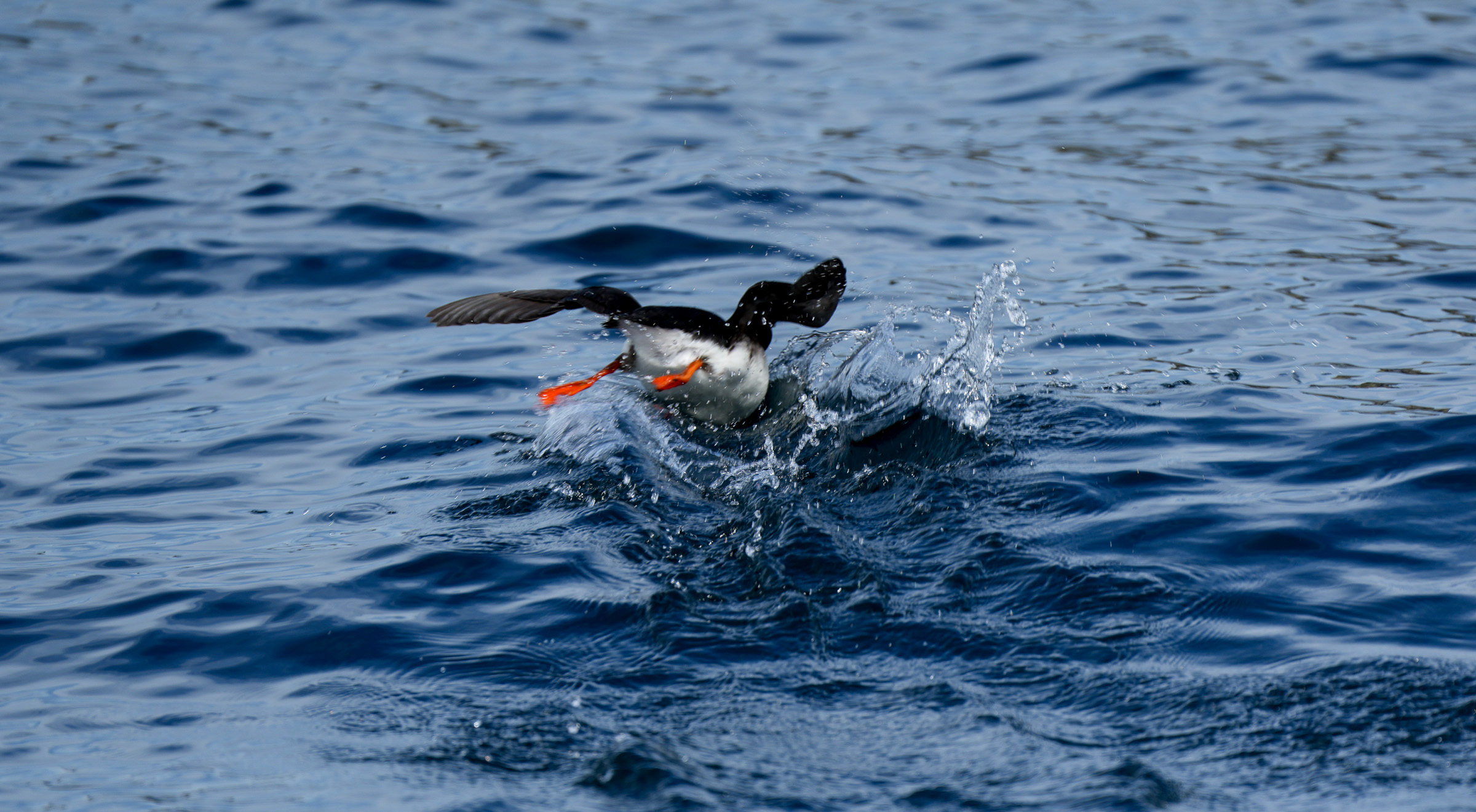
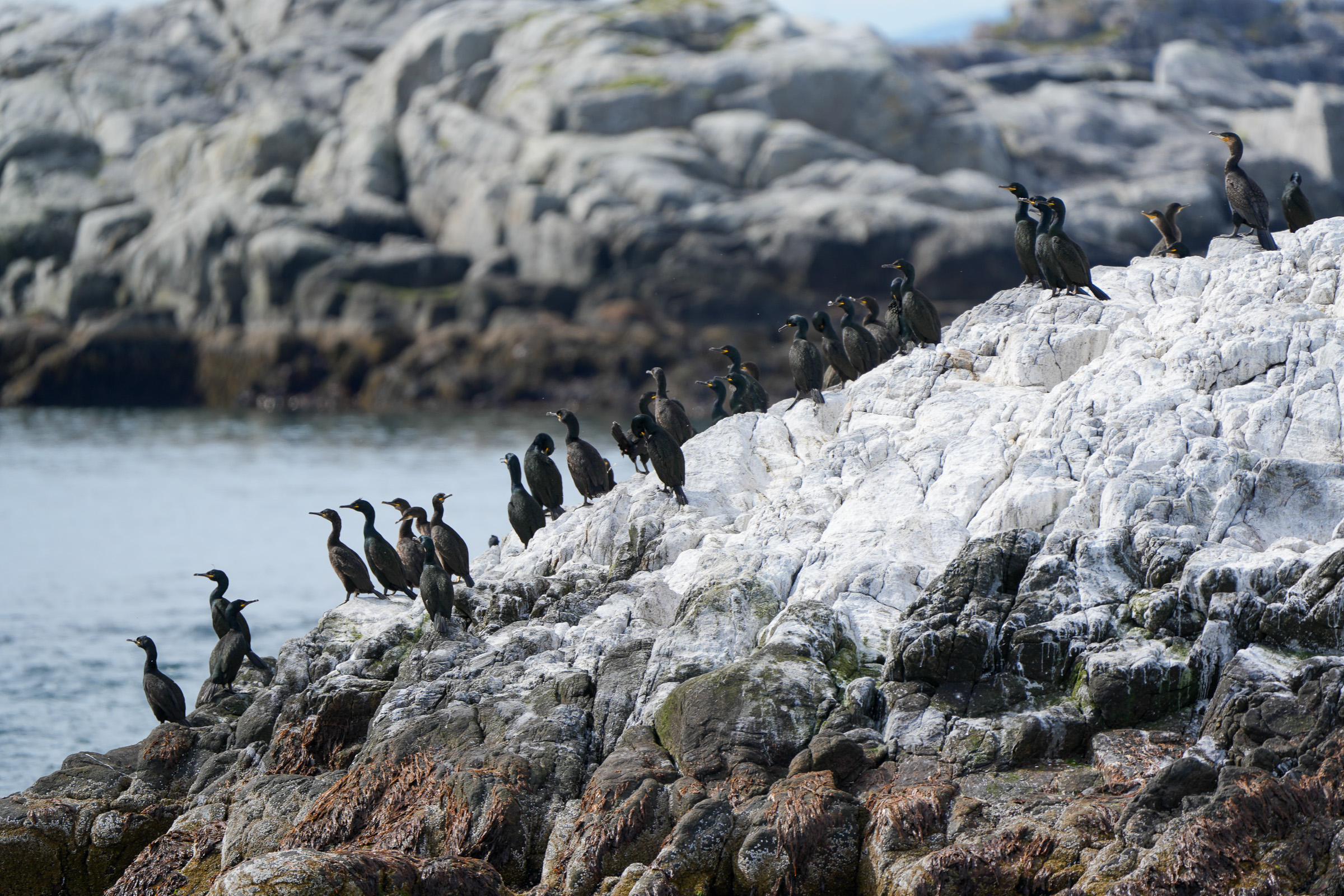
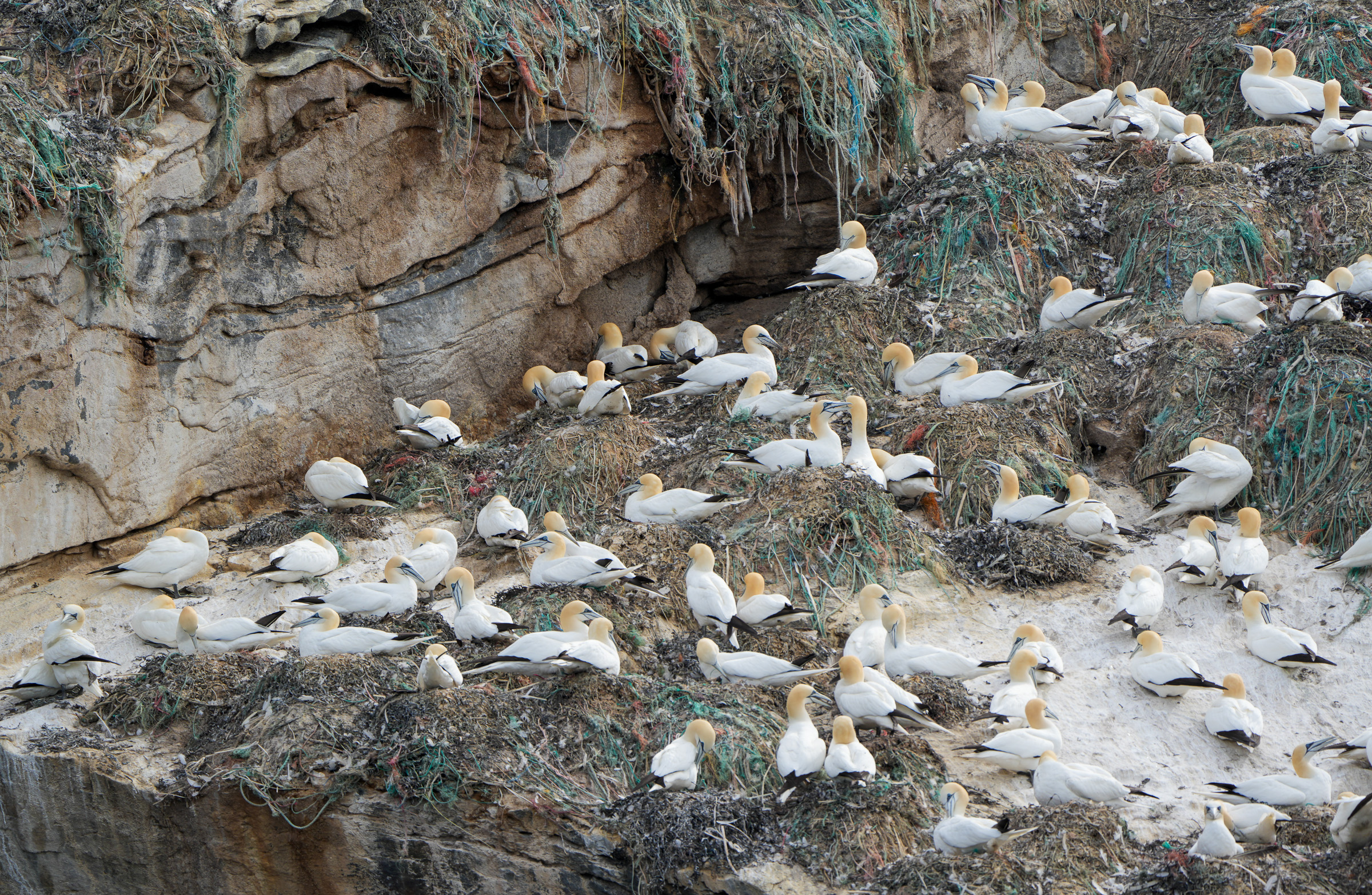
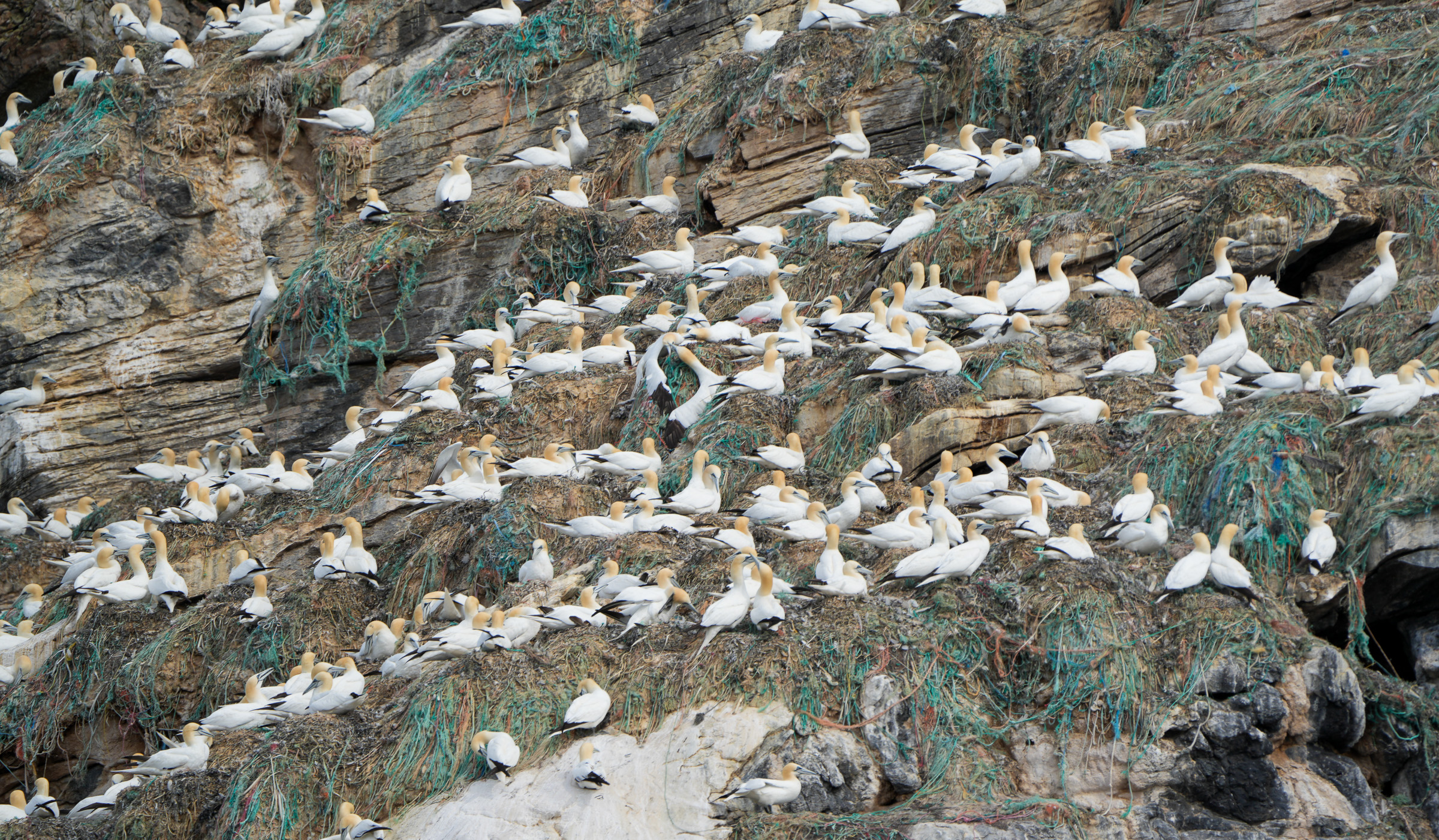
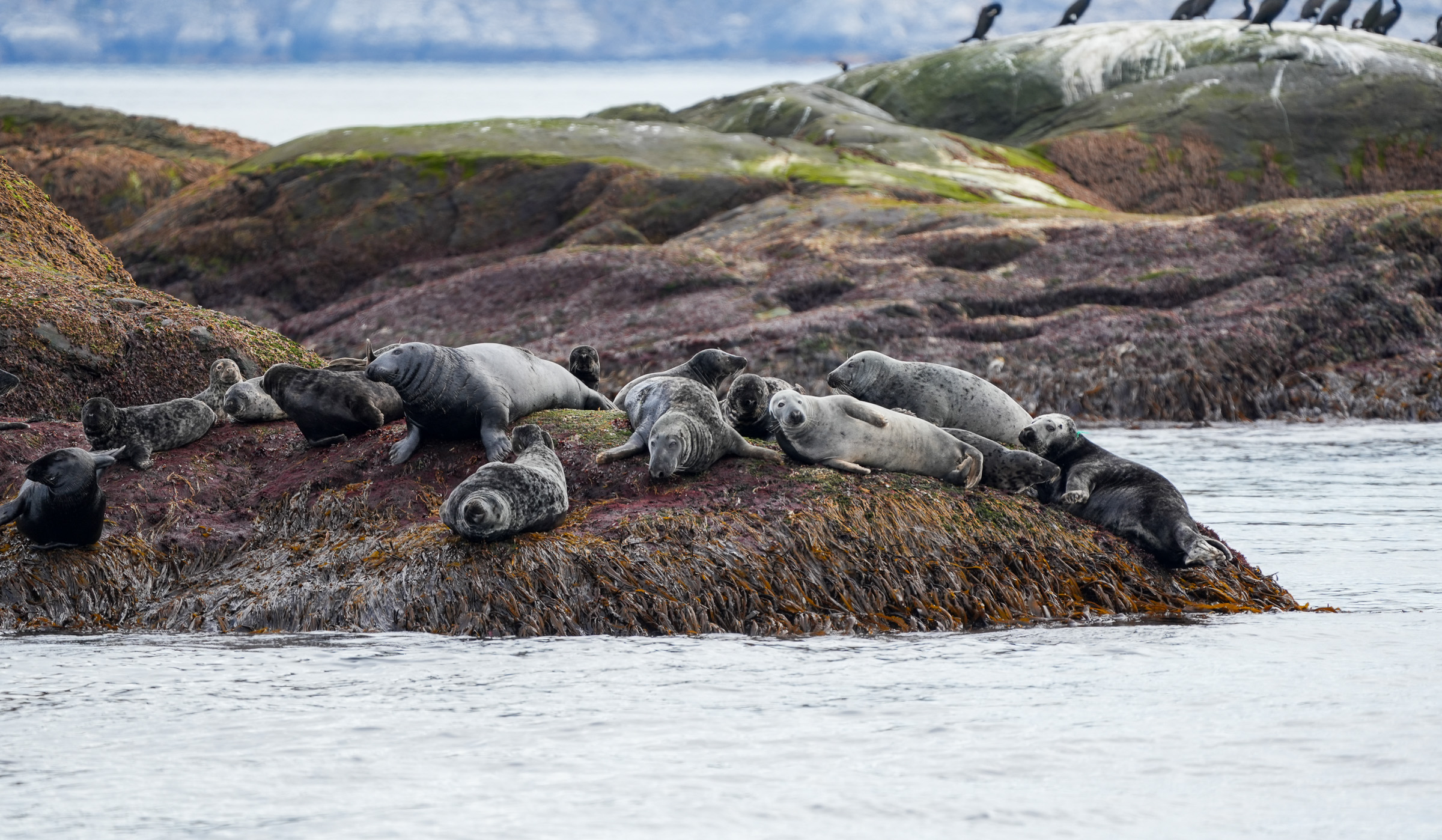
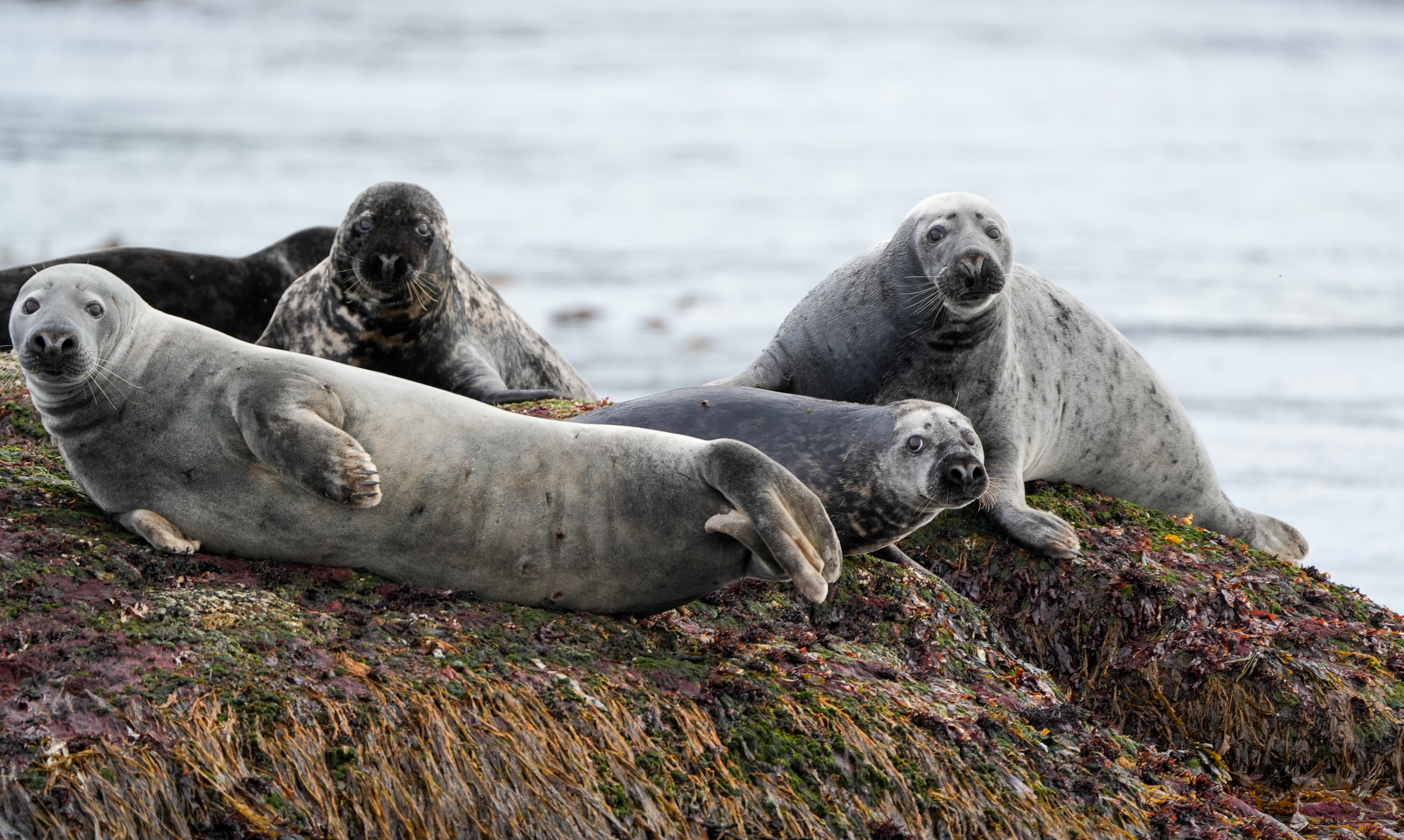
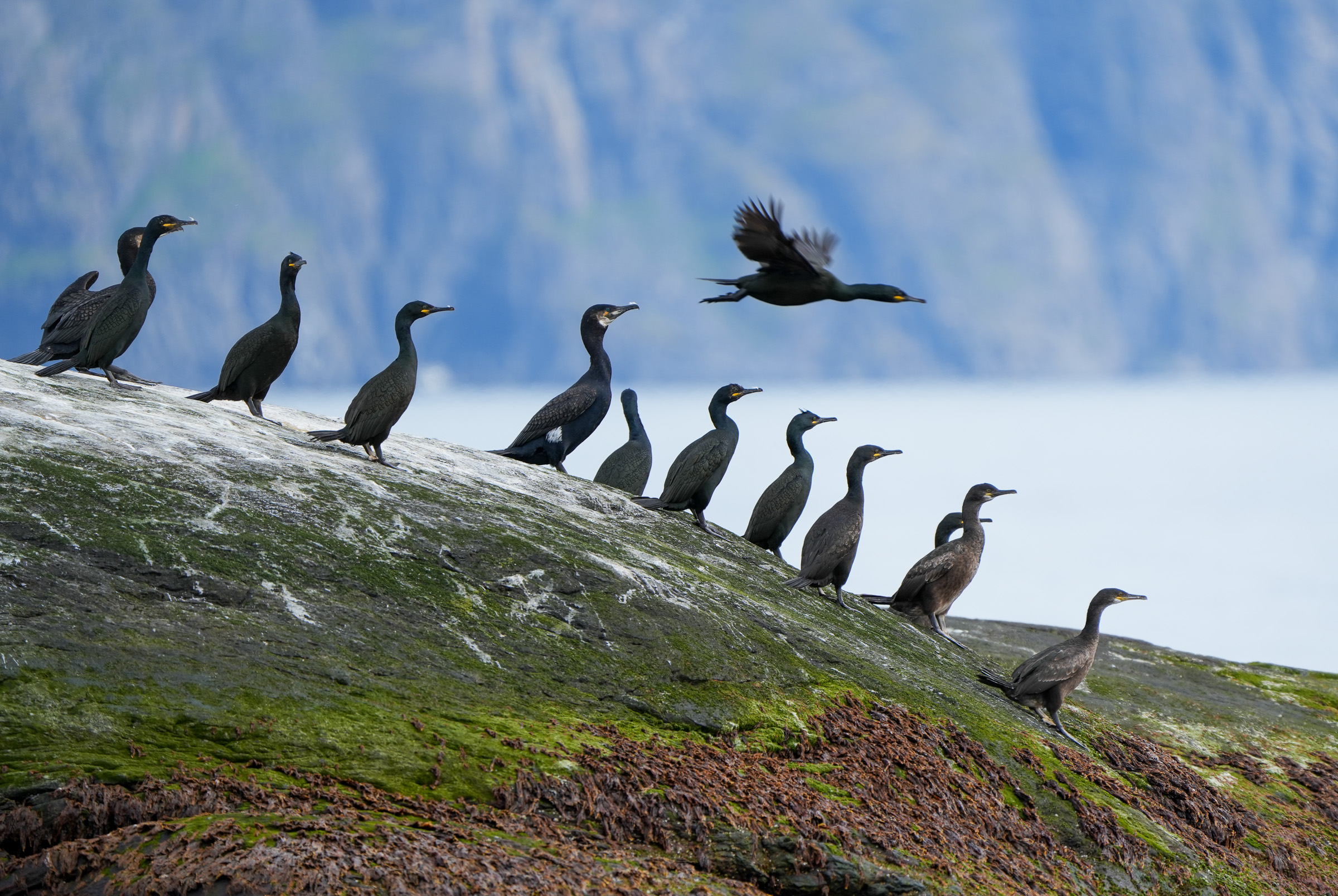
We arrive in Gjesvær right on time at 10:30 a.m., giving us plenty of time to take care of Anori and prepare for the bird safari. This is when the large new telephoto lens comes into its own. It is not particularly handy, but the images it produces are impressive. We see Atlantic puffins, common guillemots, razorbills, white-tailed eagles, black guillemots, and various species of gulls. As a final highlight, a group of grey seals is lounging on the rocks. A tour well worth it.
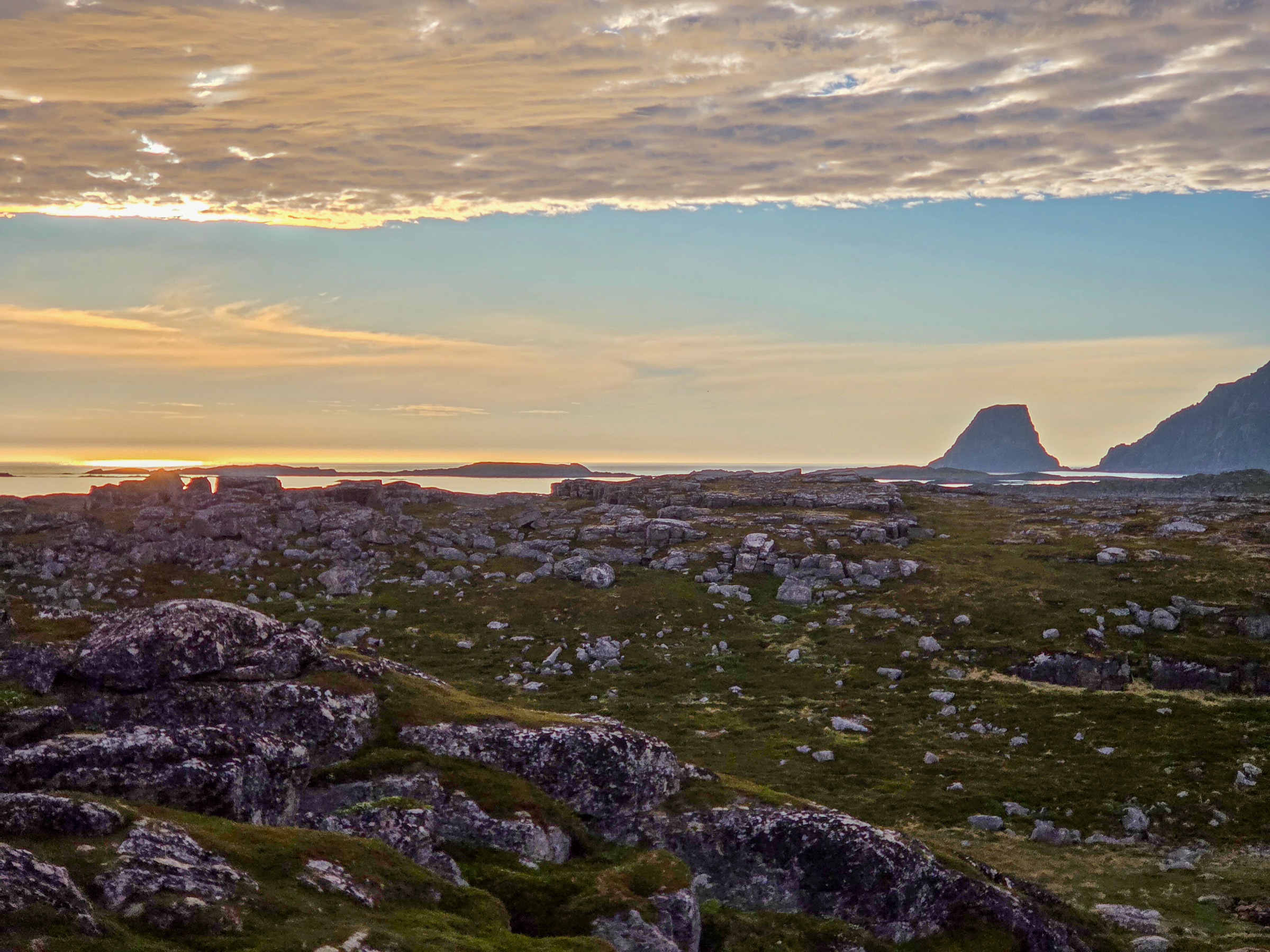
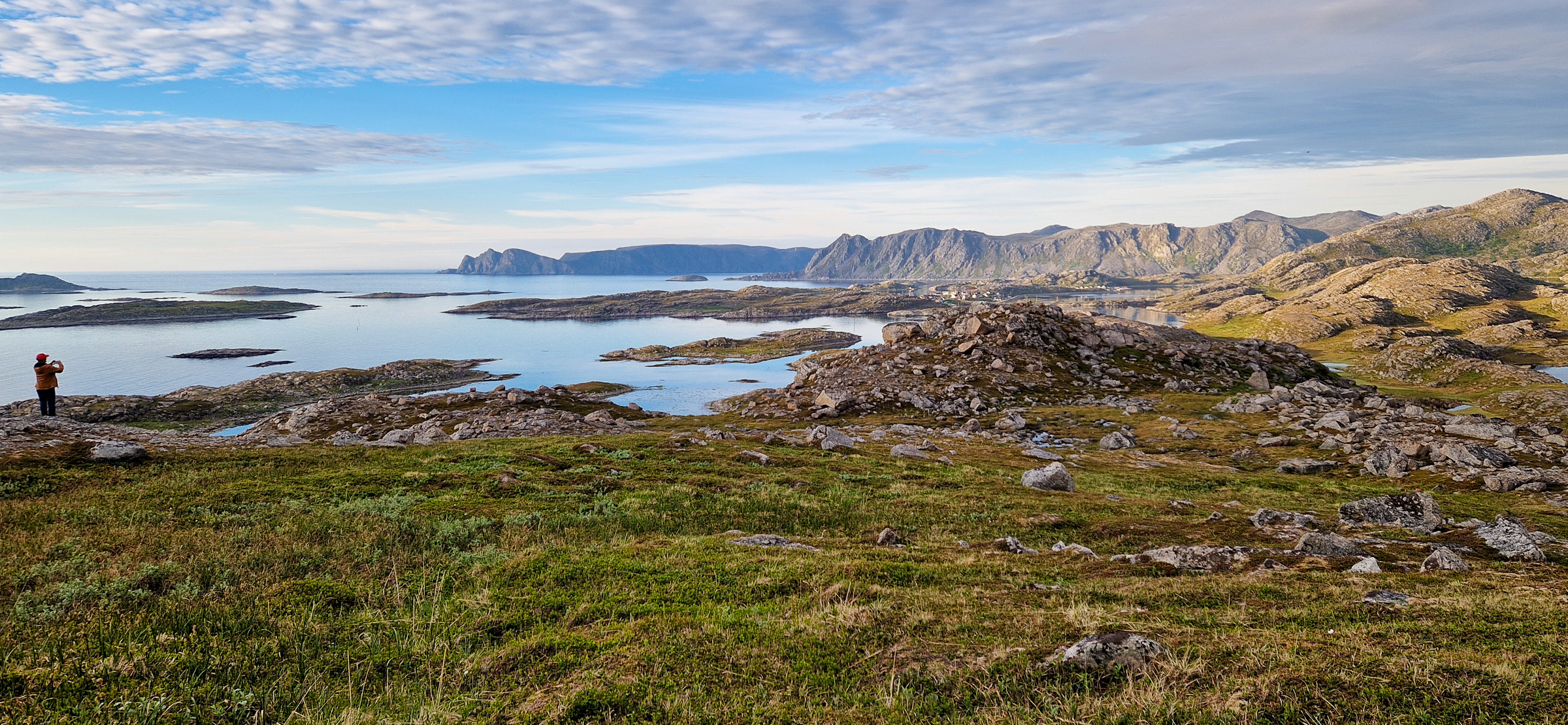
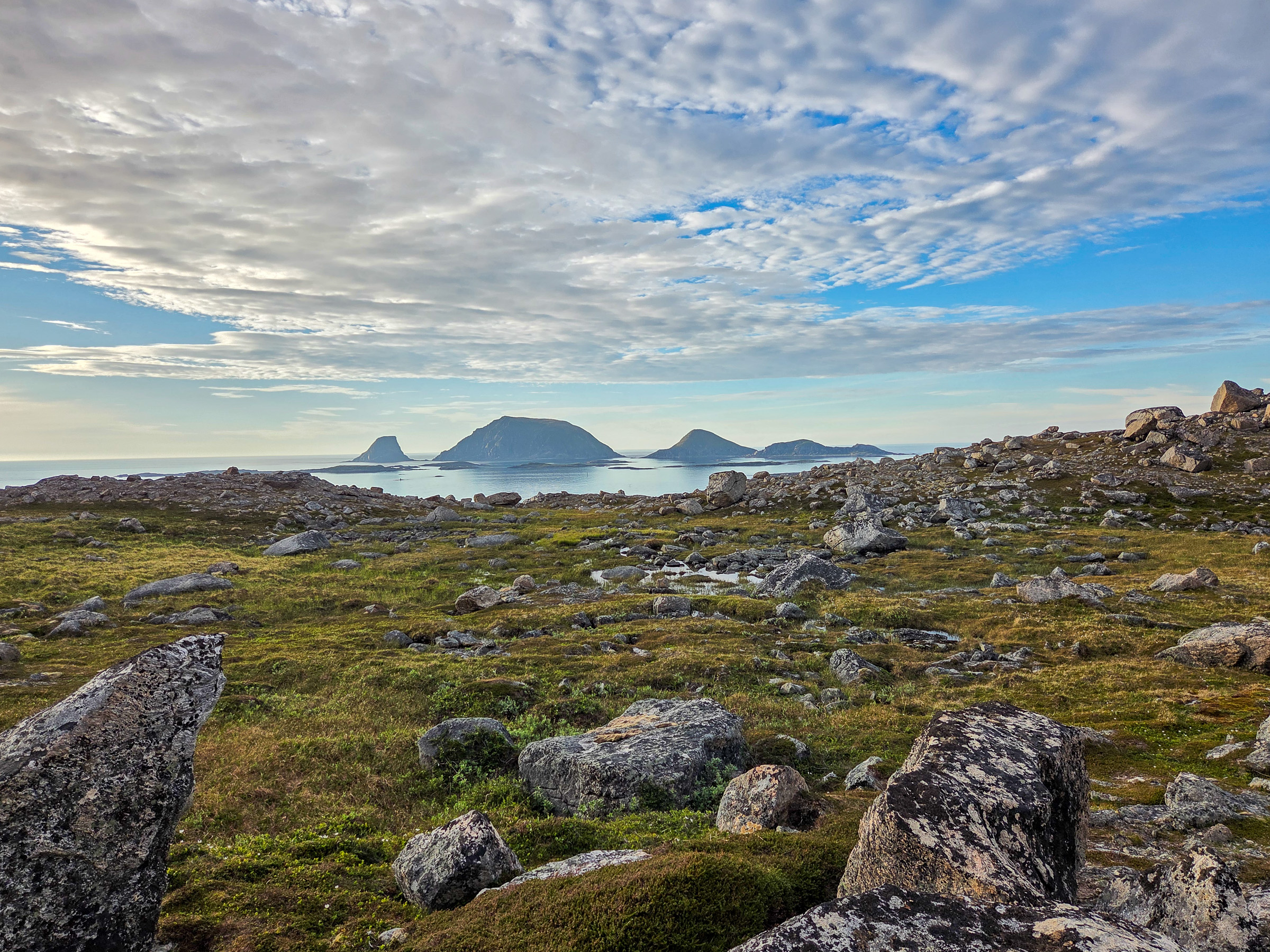
After dinner, we go for a hike to Lilletuva. We do not climb all the way to the summit, but reach a viewpoint from which we can overlook the bird cliffs, the surrounding islands, and Gjesvær. In the evening light, the atmosphere is once again beautiful. Gjesvær ranks very high on our list of the most beautiful fishing villages.
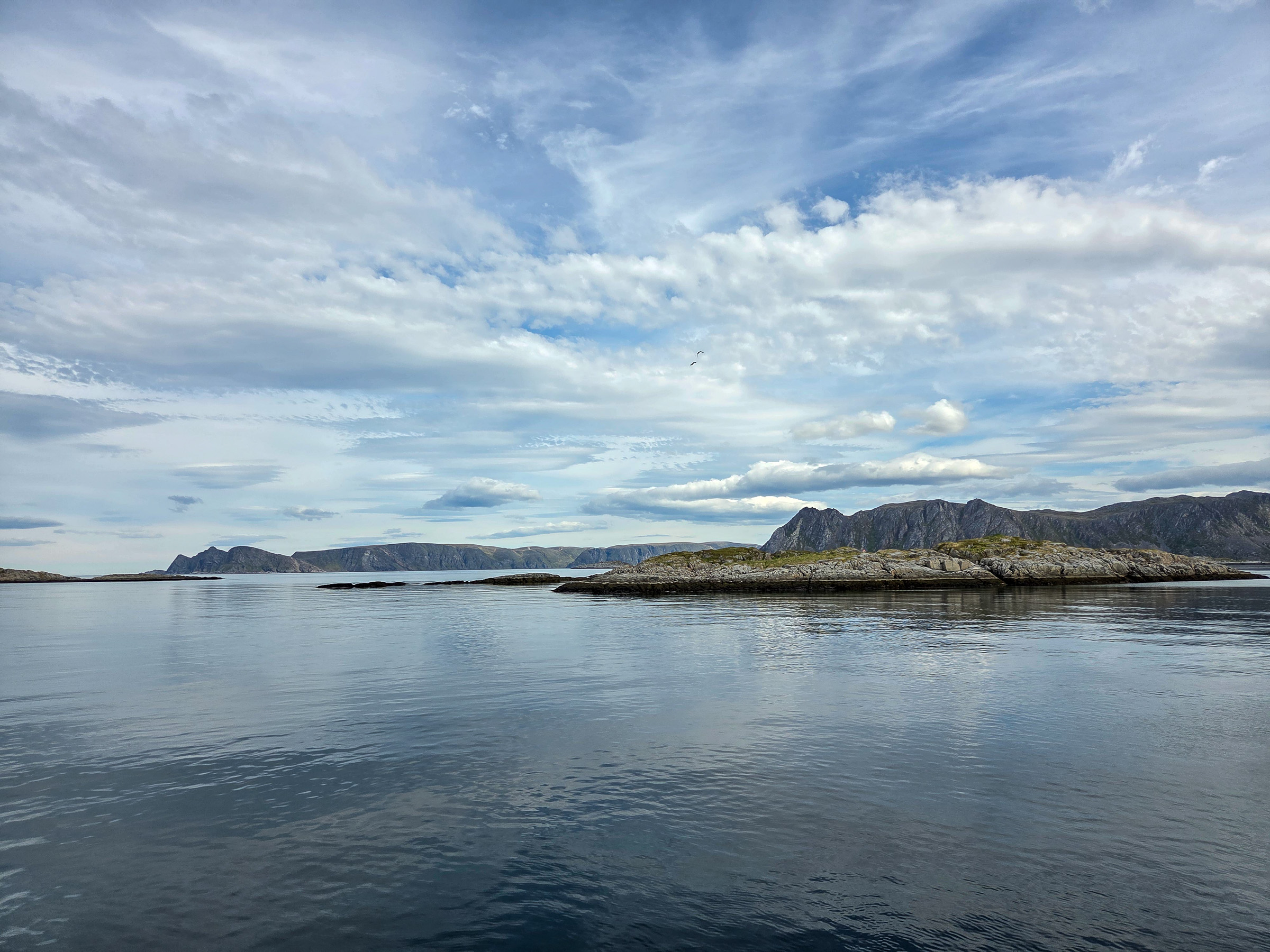
The next day we bid a final farewell to the North Cape and begin our return journey with a slightly heavy heart. The northernmost point of our voyage now lies behind us. Yet Norway is full of beauty, and we are certain that many more exciting discoveries still await us.
Leave a reply