

Working with Wetterwelt in Kiel, we identify a weather window for the passage to Iceland. The crossing is expected to take around five days, and of course we want to sail rather than motor. Three days after our arrival in Bodø, the time has come. In preparation, we give Anori another thorough clean, do the laundry, stock up on provisions and cook some hot meals for the passage. We fit lee cloths to the berths. As a precaution, we rig the preventer and check the engine and rig.
At 10 am on 6 July, we leave Bodø bound for Iceland. We fill up the fuel tanks once more at the fuel dock in Bodø, and then we are off. For the first four hours, we still have to motor, but then we set the sails, even though the wind is still light. There is occasional rain, but otherwise everything is quiet. We start our watch system on the first evening, changing over every four hours. Our electric blanket helps us get to sleep when we crawl into our bunks.
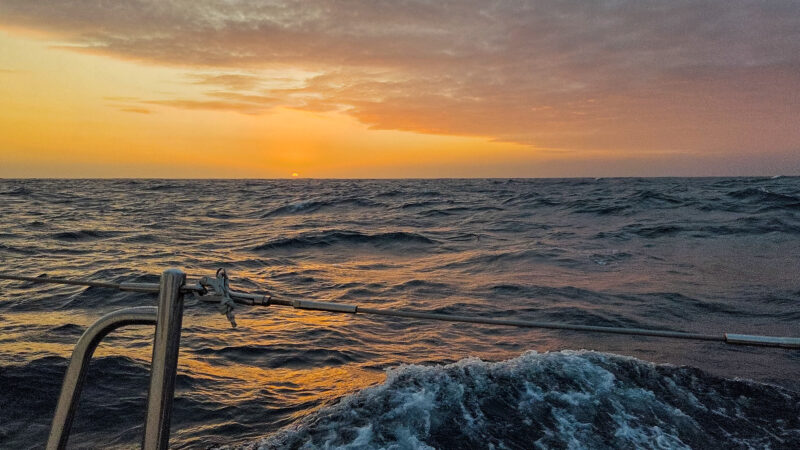
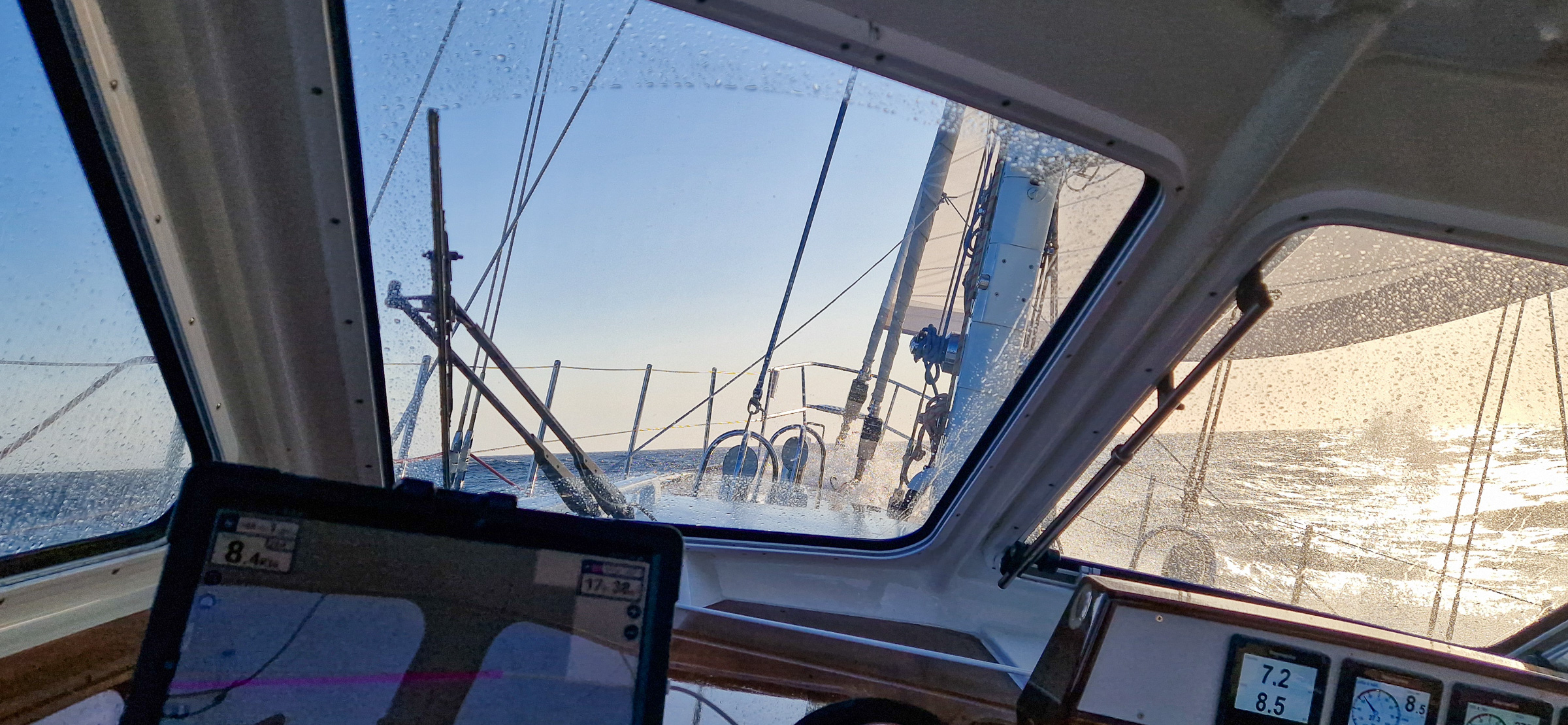
Towards morning on our first full day of sailing, the wind picks up and the sea becomes rougher. We reef and later set the small headsail as the wind reaches Force 5 to 6. The sea becomes uncomfortably lively, with waves of up to 3 metres hitting us on a beam reach. On the plus side, we are making good progress.
On the third day, the strong south-westerly wind eases somewhat and veers towards the west, putting it further forward. We therefore have to sail closer to the wind. After 327 nautical miles, we tack for the first time! During the third night, the wind increases again towards morning, and we reef once more. Unfortunately, the sea becomes rougher too, so we slow Anori down enough to avoid continually crashing into the waves.
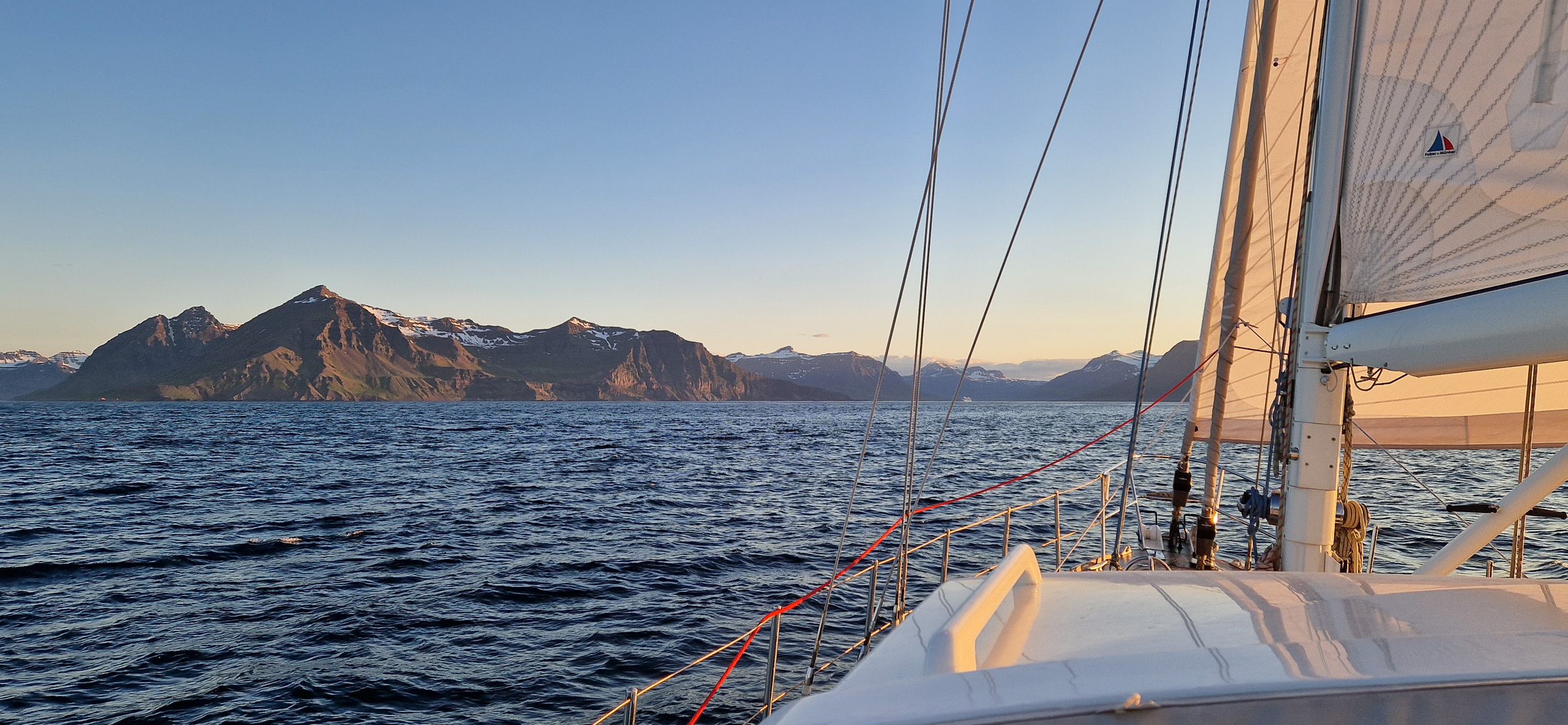
Early in the afternoon of the fourth day, land comes into sight. The fulmars that have faithfully accompanied us all the way are replaced by gannets. As the wind continues to veer towards the west, we tack for the second time on this passage. This puts us on a direct southerly course, but also takes us into Iceland’s wind shadow. After 623 nautical miles under sail, the engine has to take over again. We still have around 80 nautical miles to go to Seyðisfjörður. Shortly after midnight Icelandic time, we berth at the pier. We take care of Anori and then fall into our bunks, exhausted but proud.
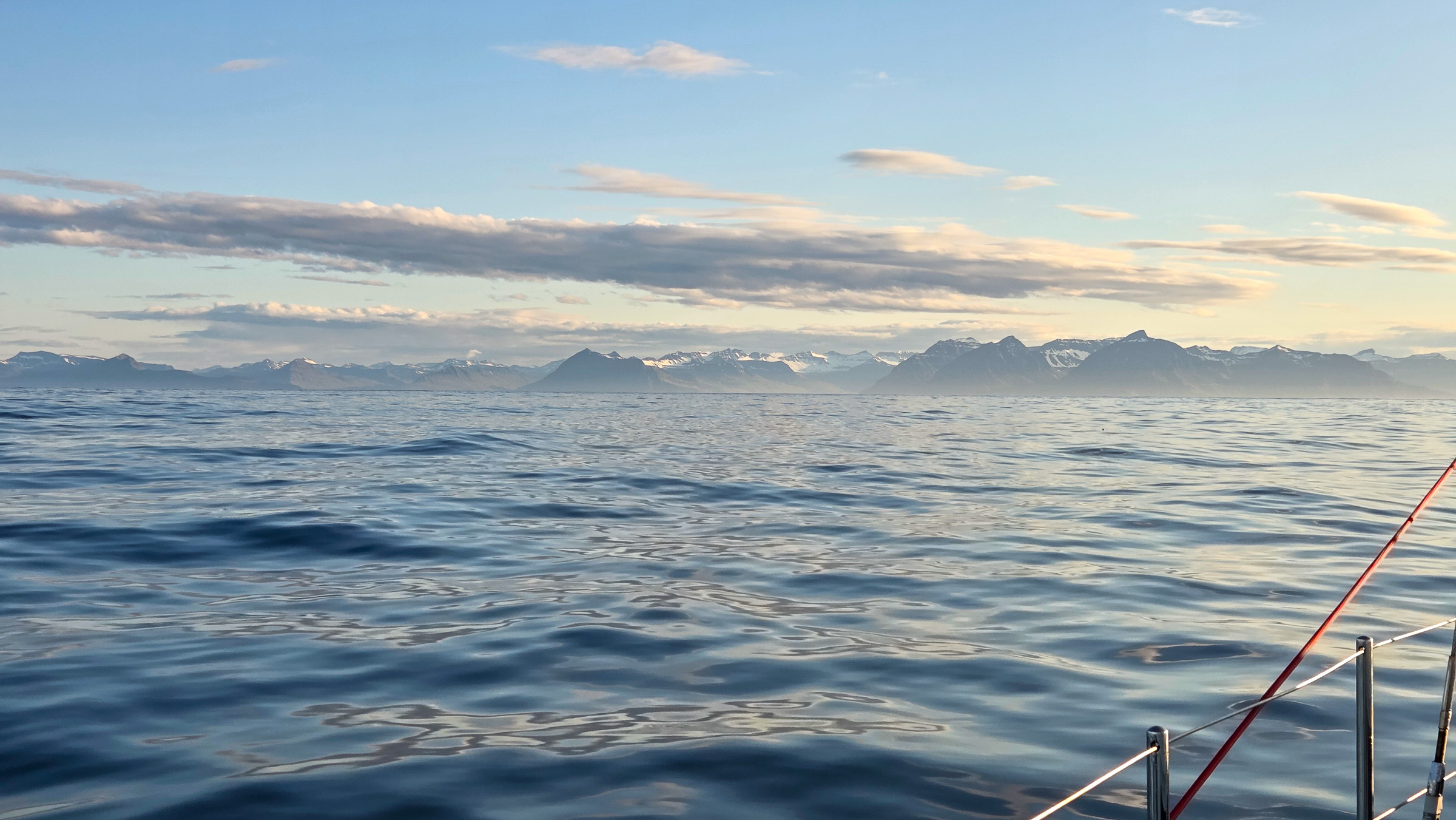
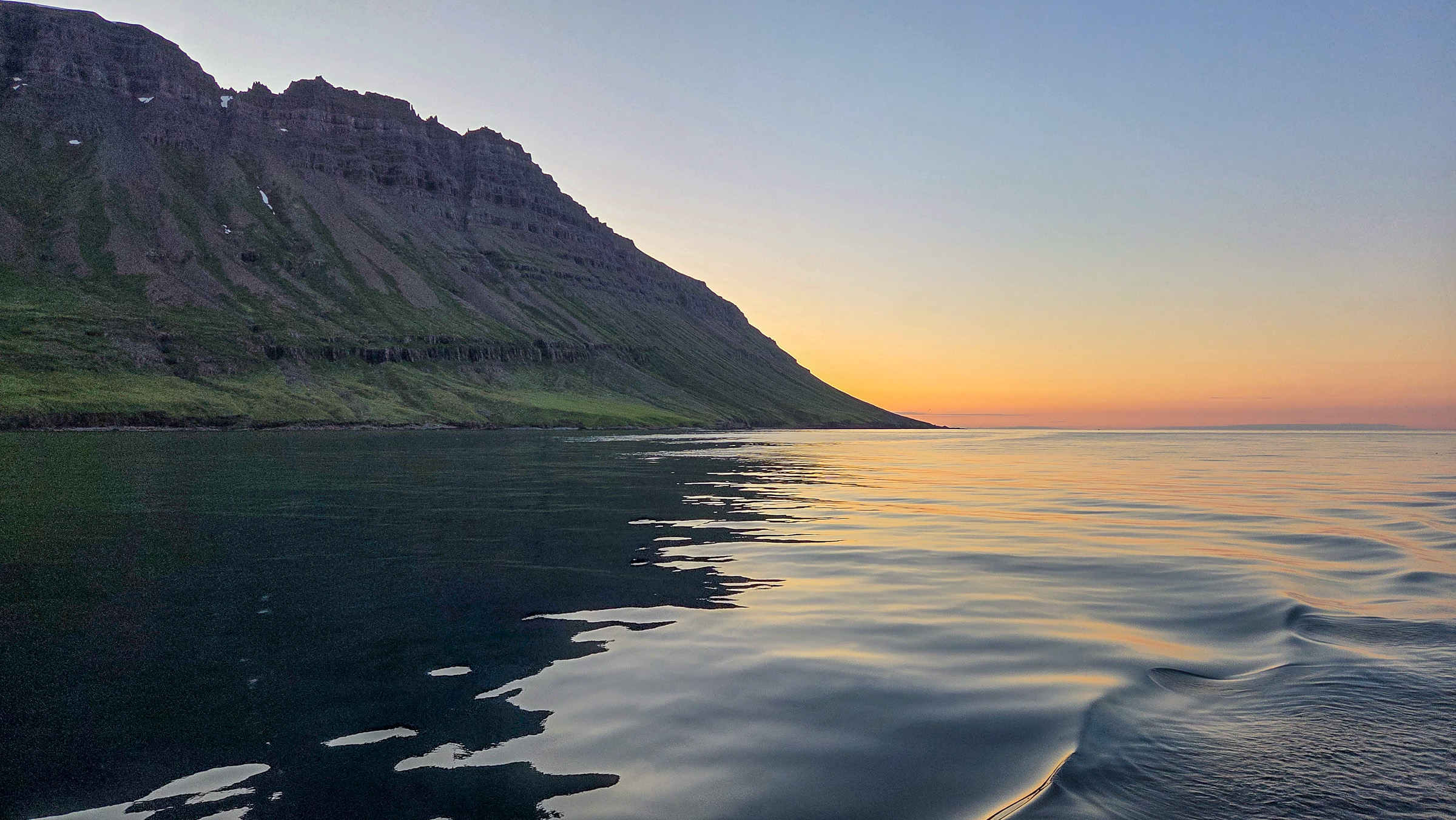
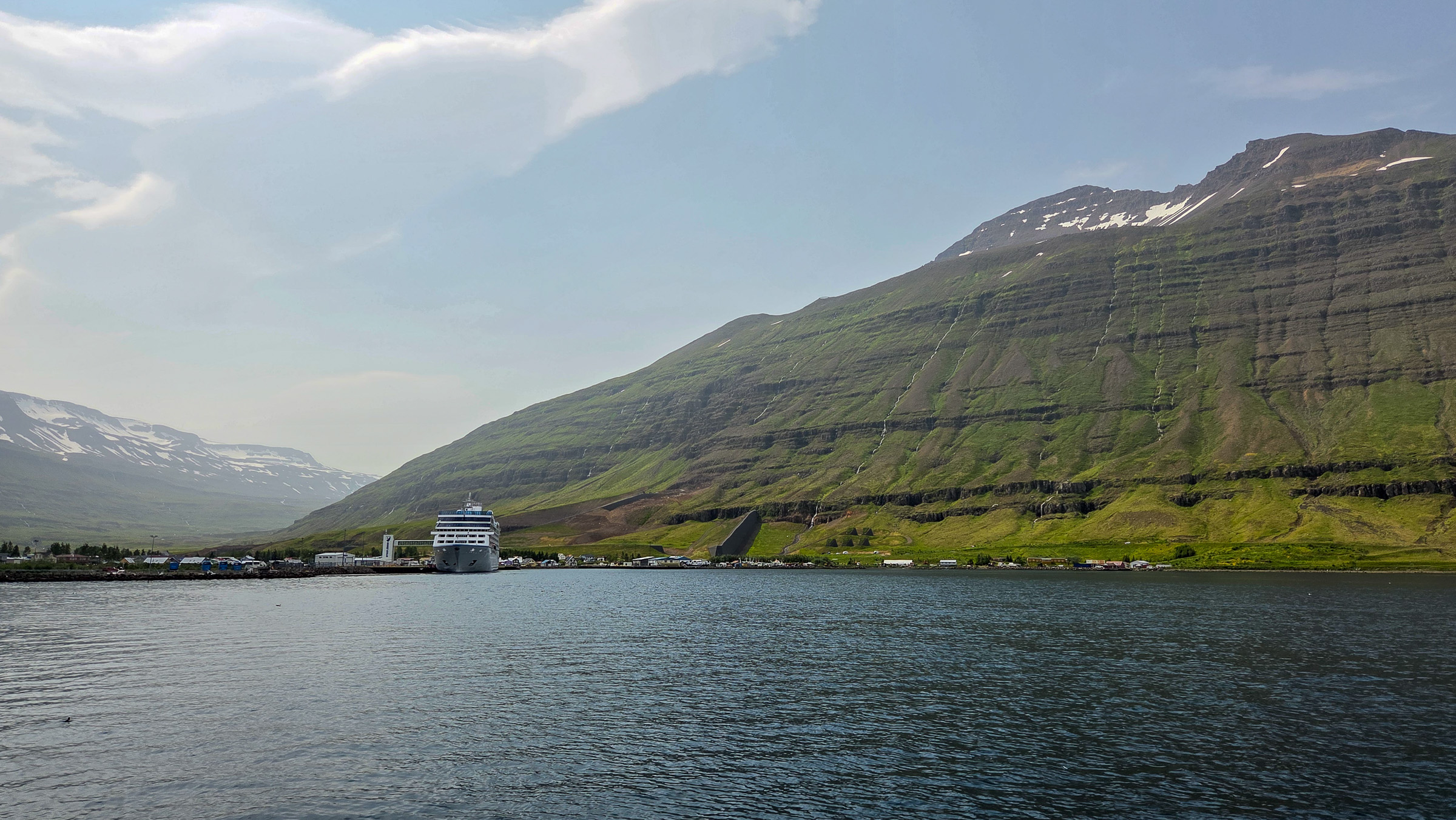
756 nautical miles are now behind us. At times, the passage was pretty rough, but Anori handled the seas with confidence and, fortunately, neither of us suffered from seasickness. Regular meals, sandwiches made with Klaus’s homemade bread and plenty of tea helped us get through the passage in good shape.
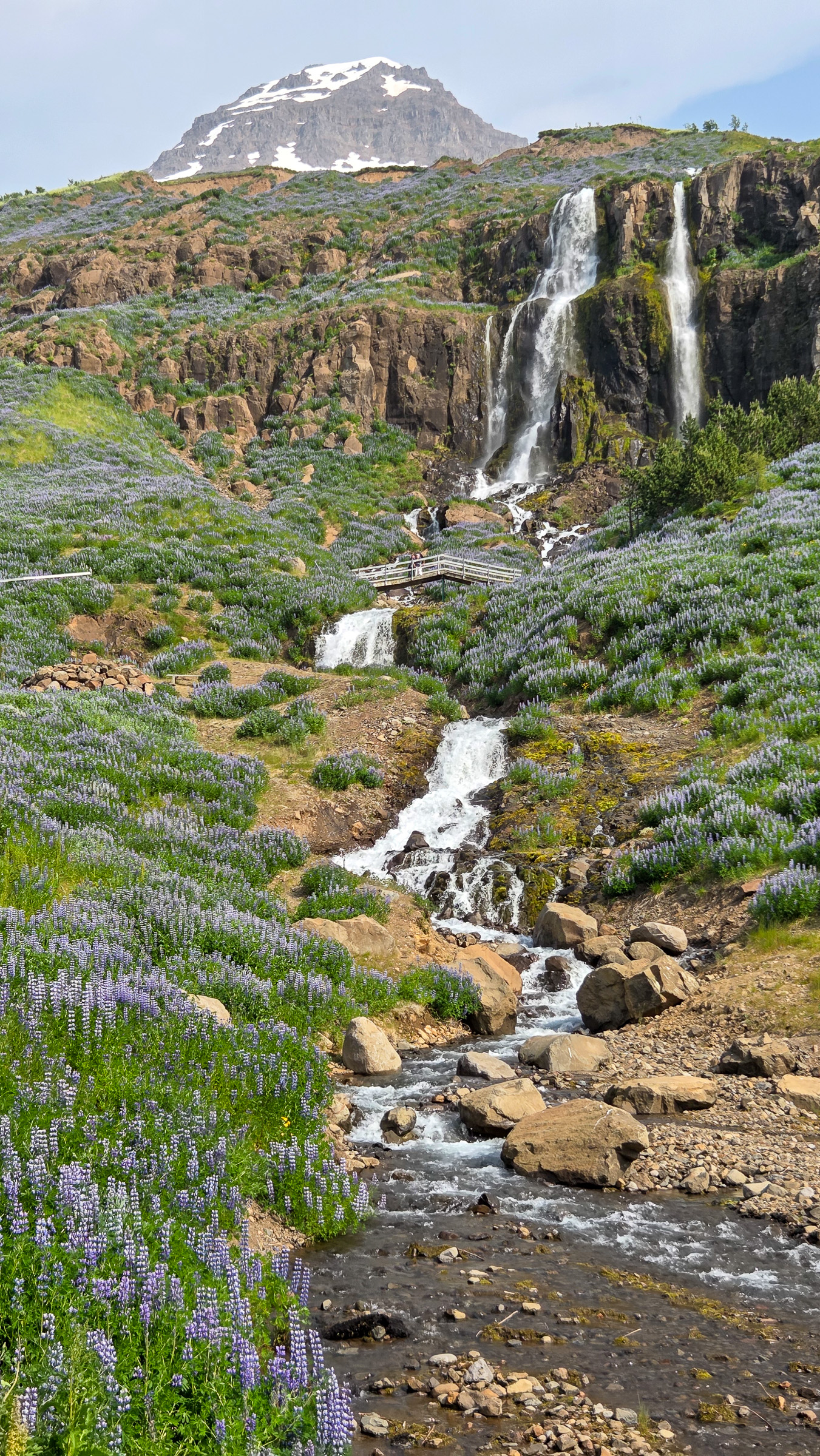
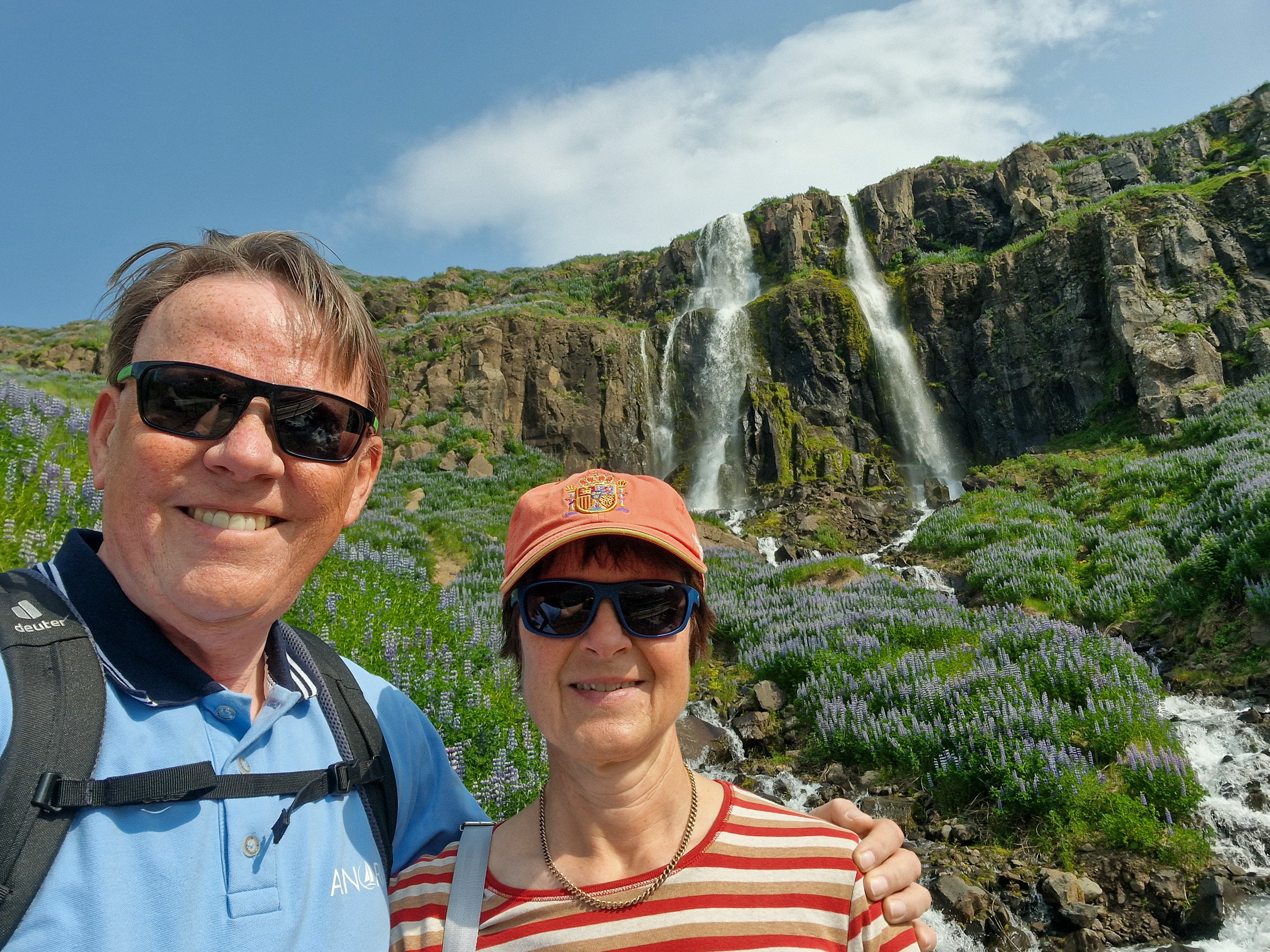
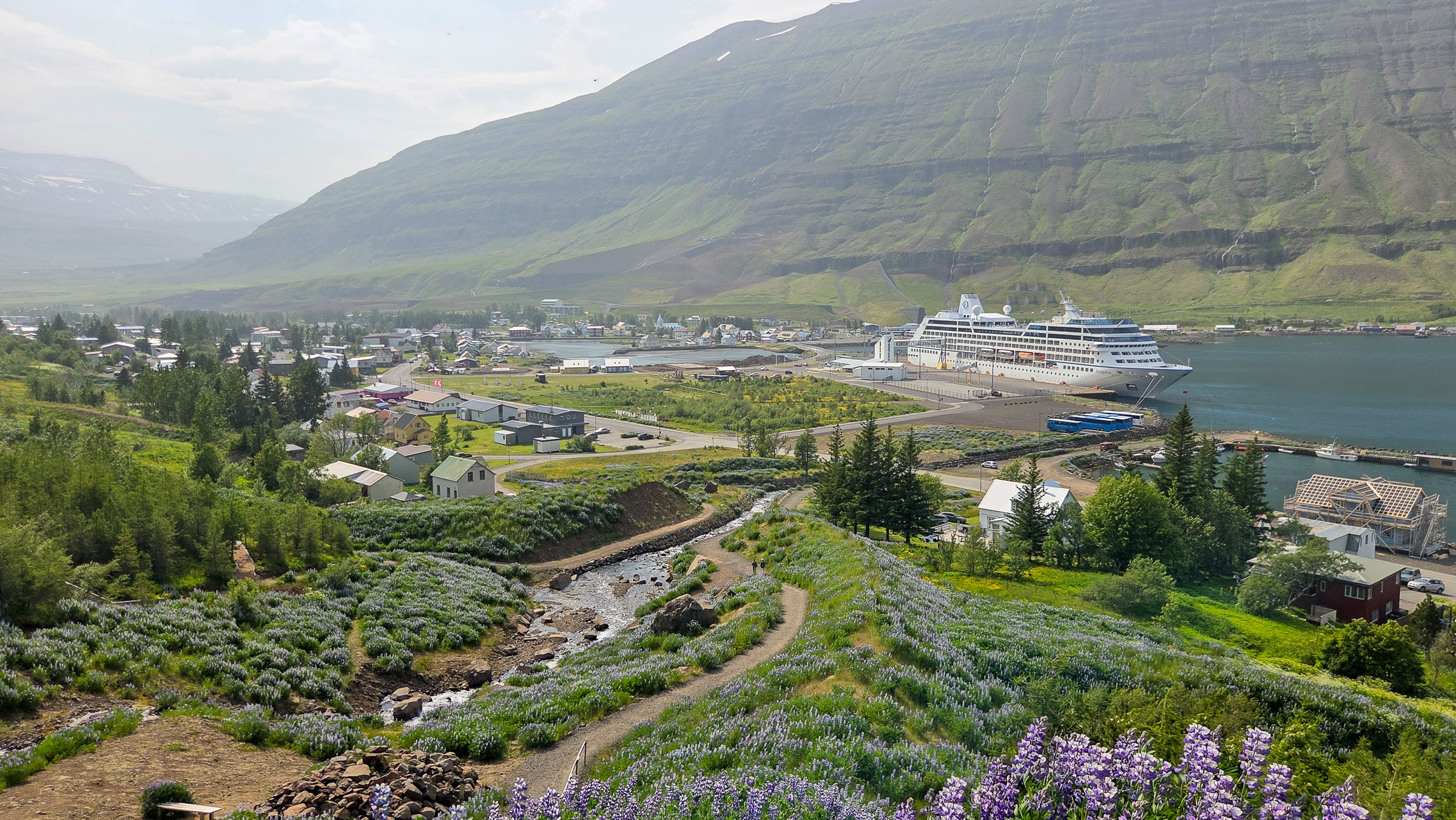
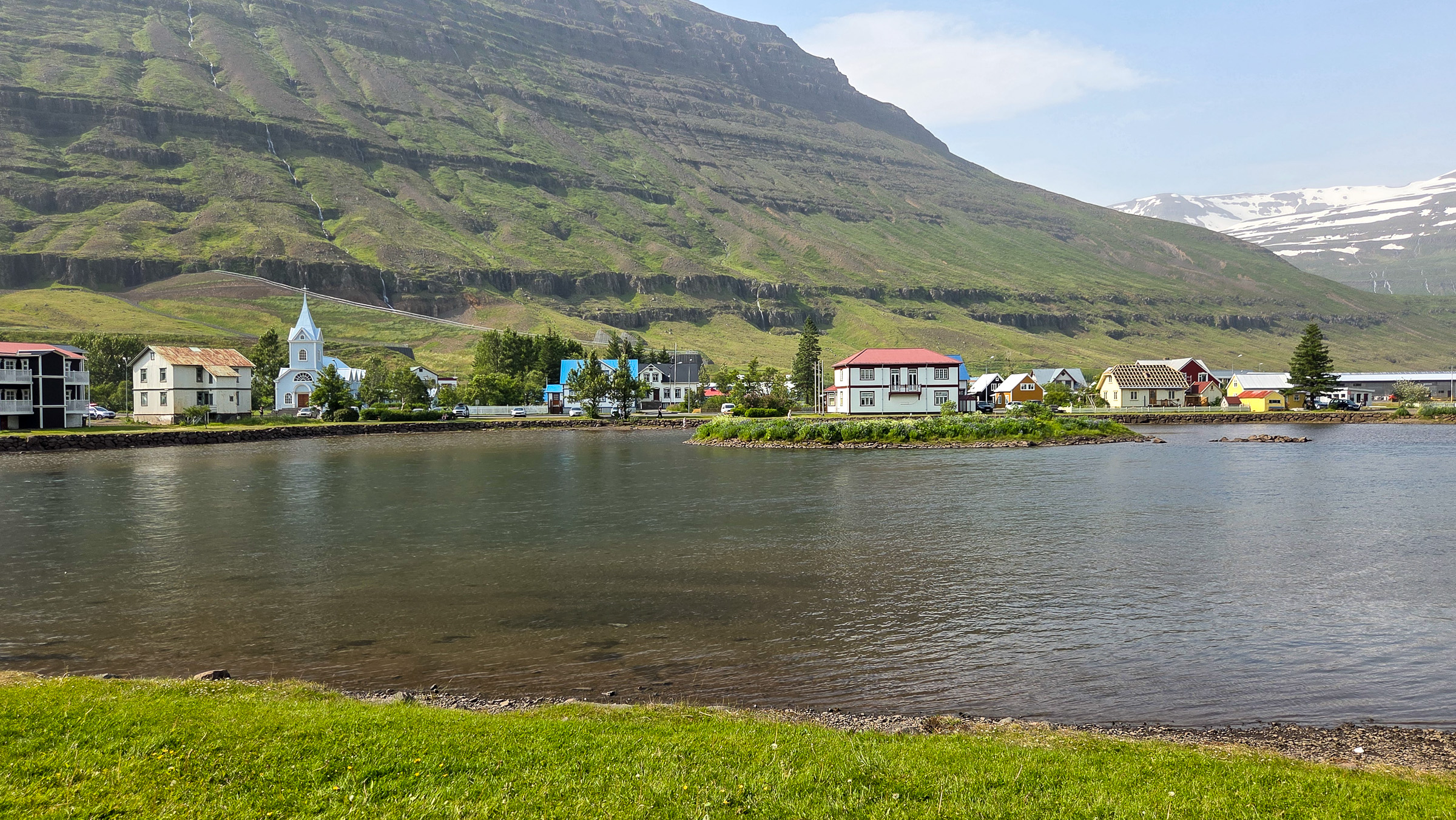
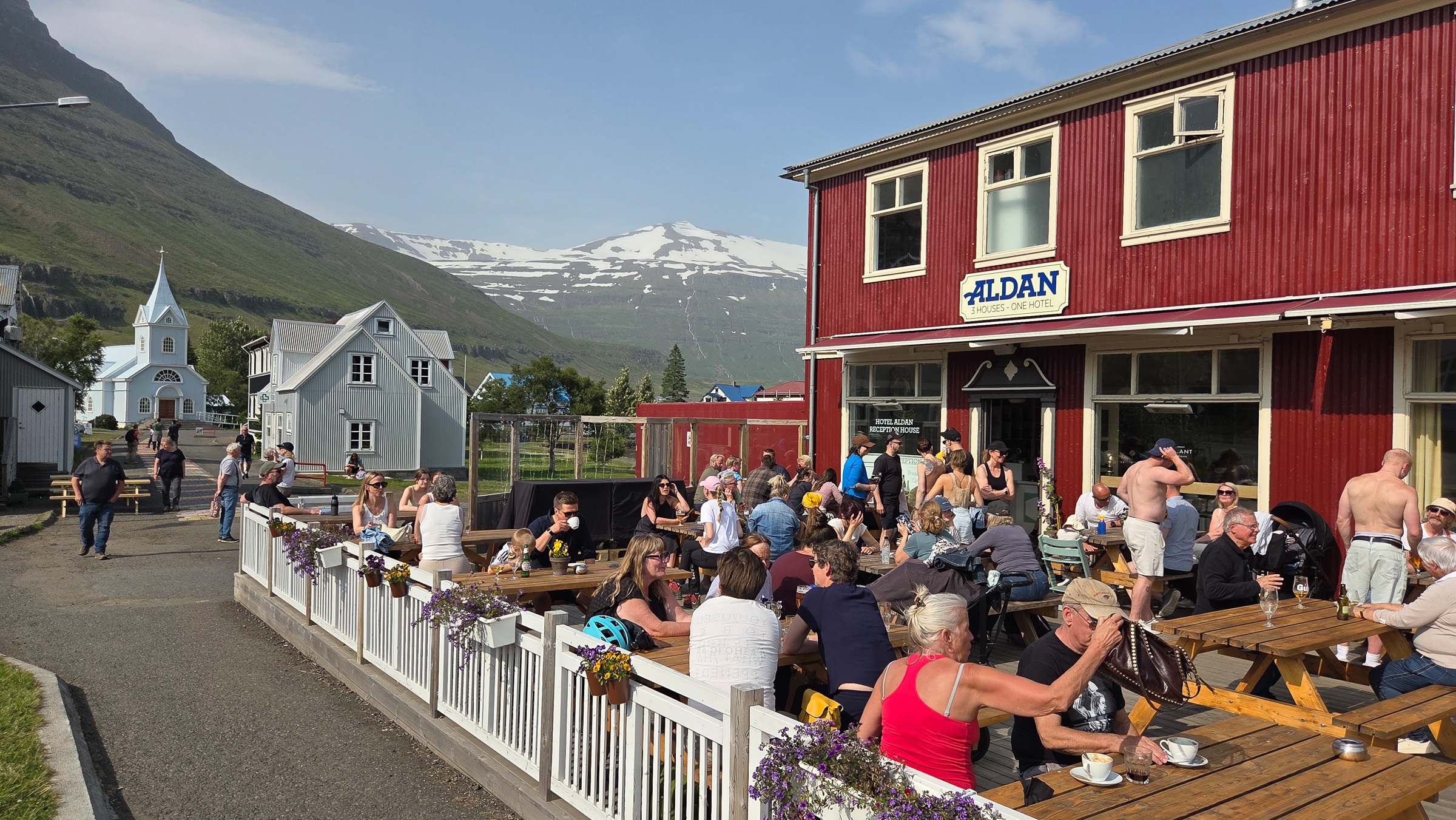
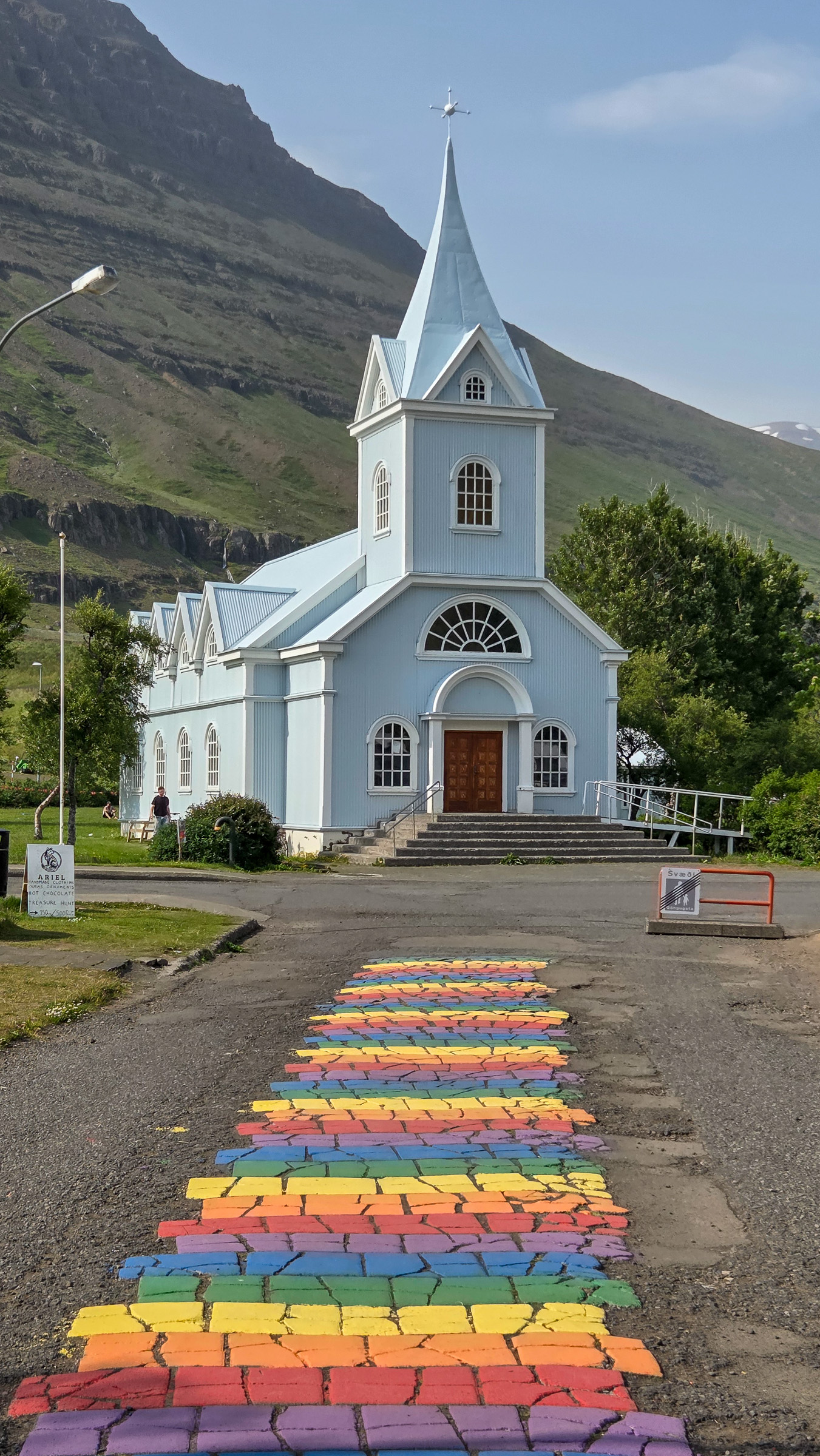
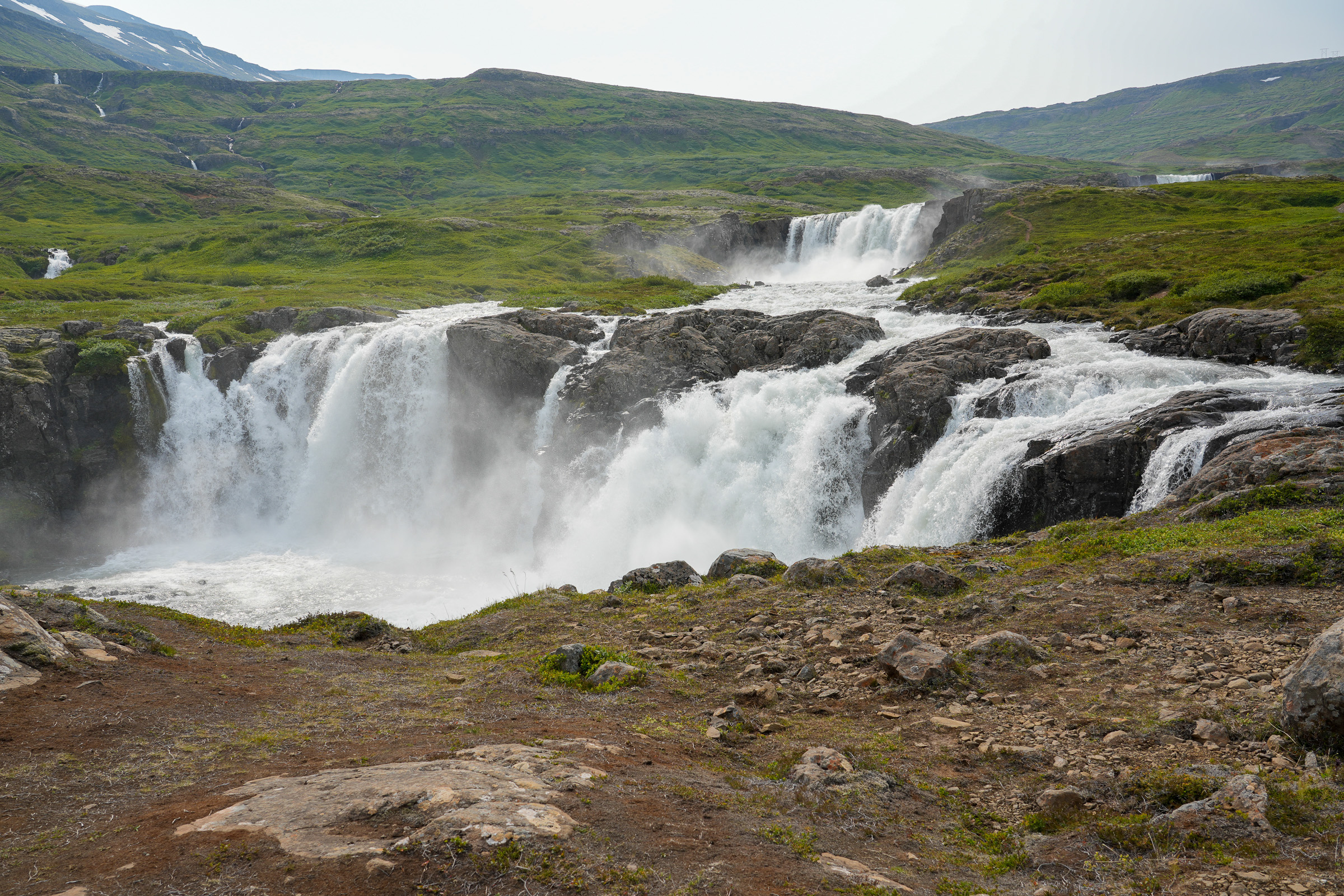
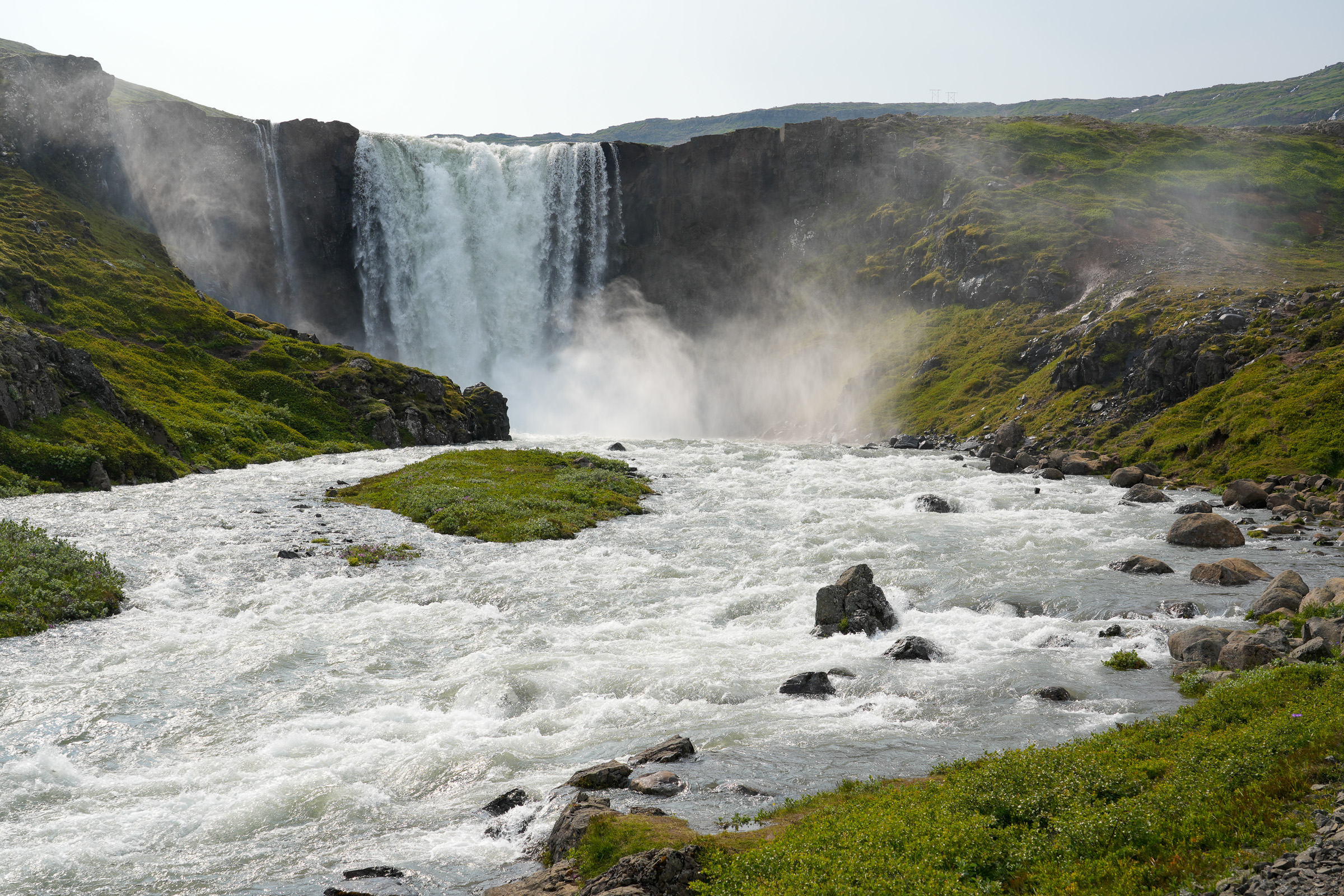
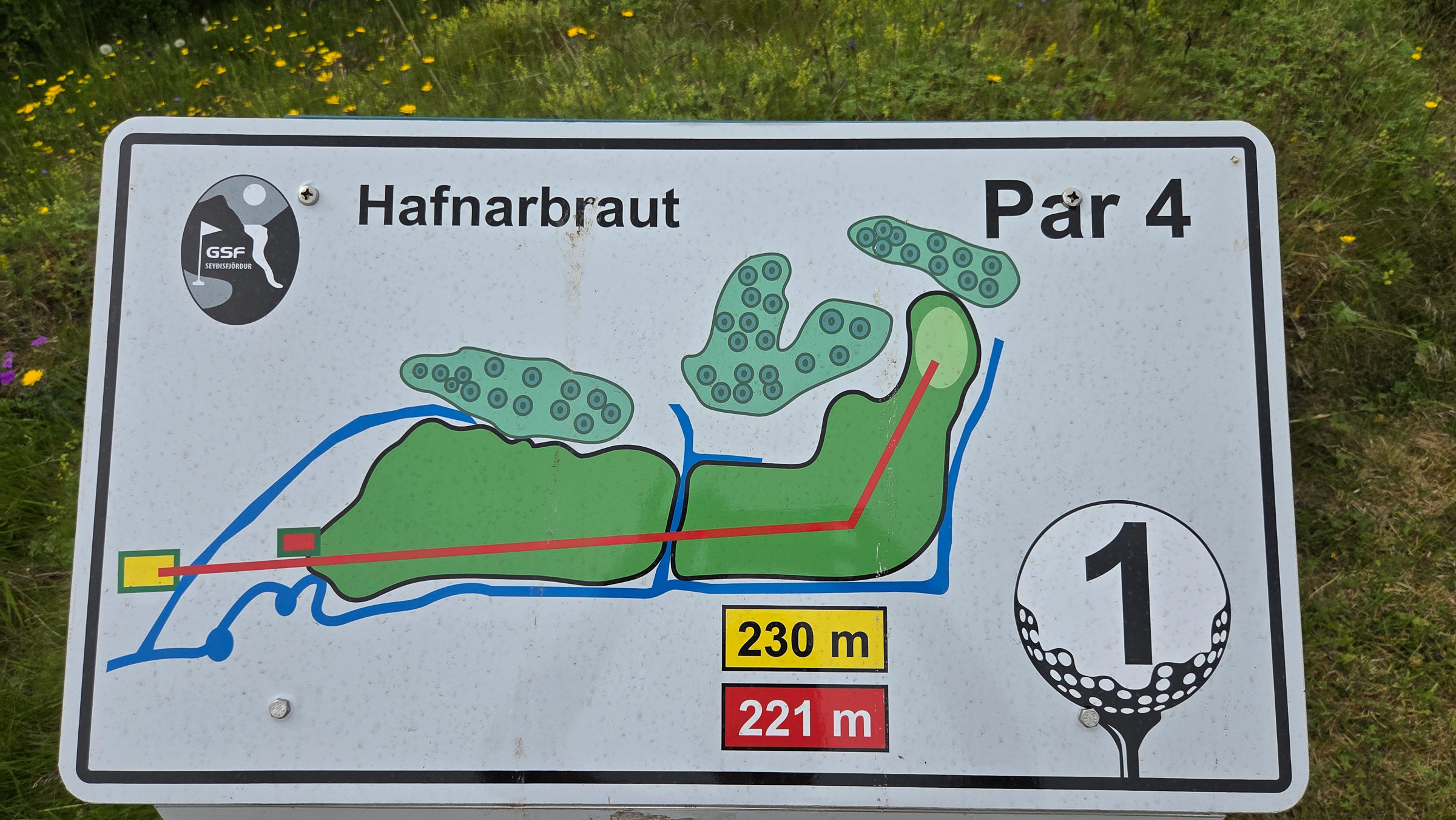
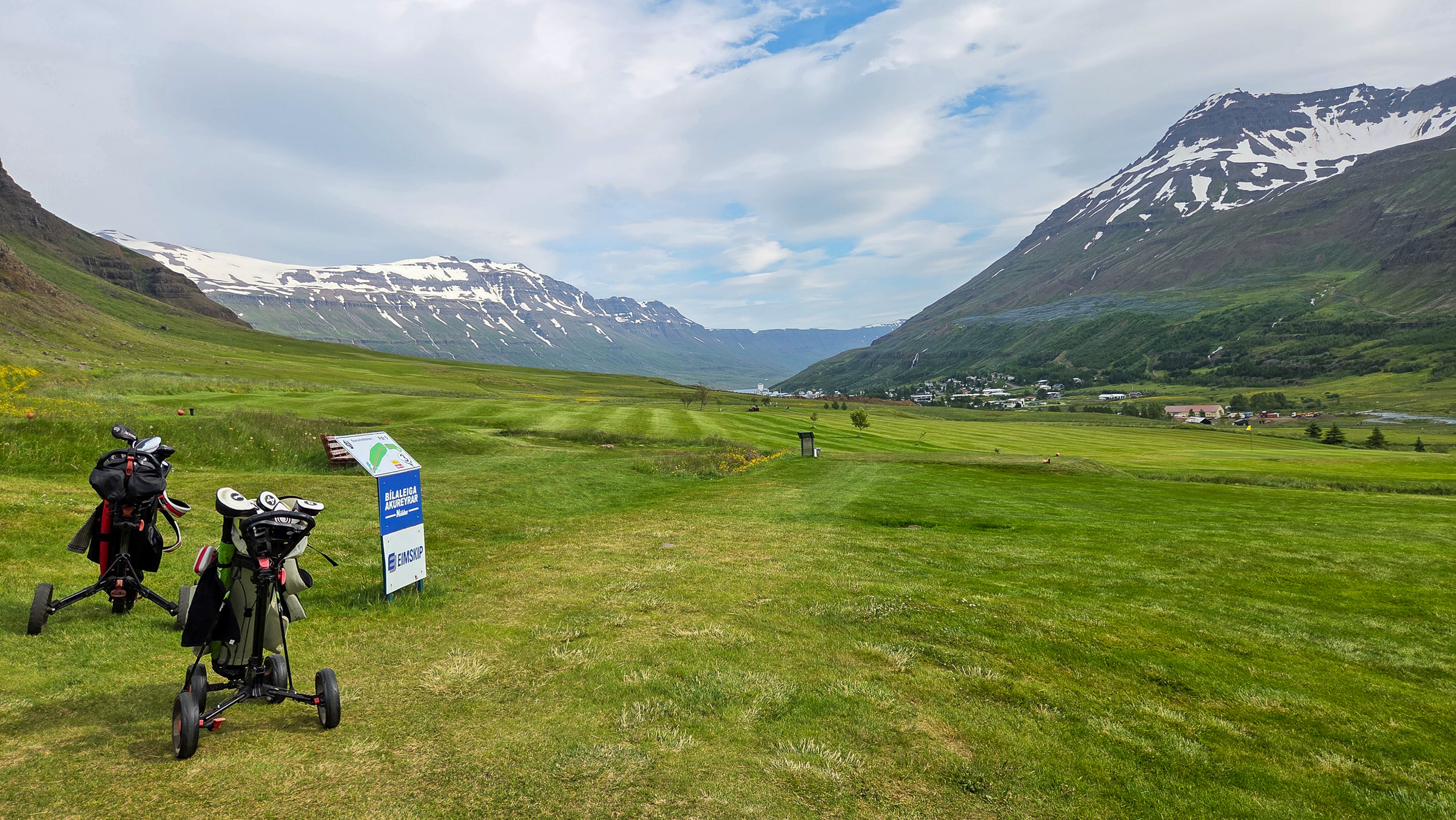
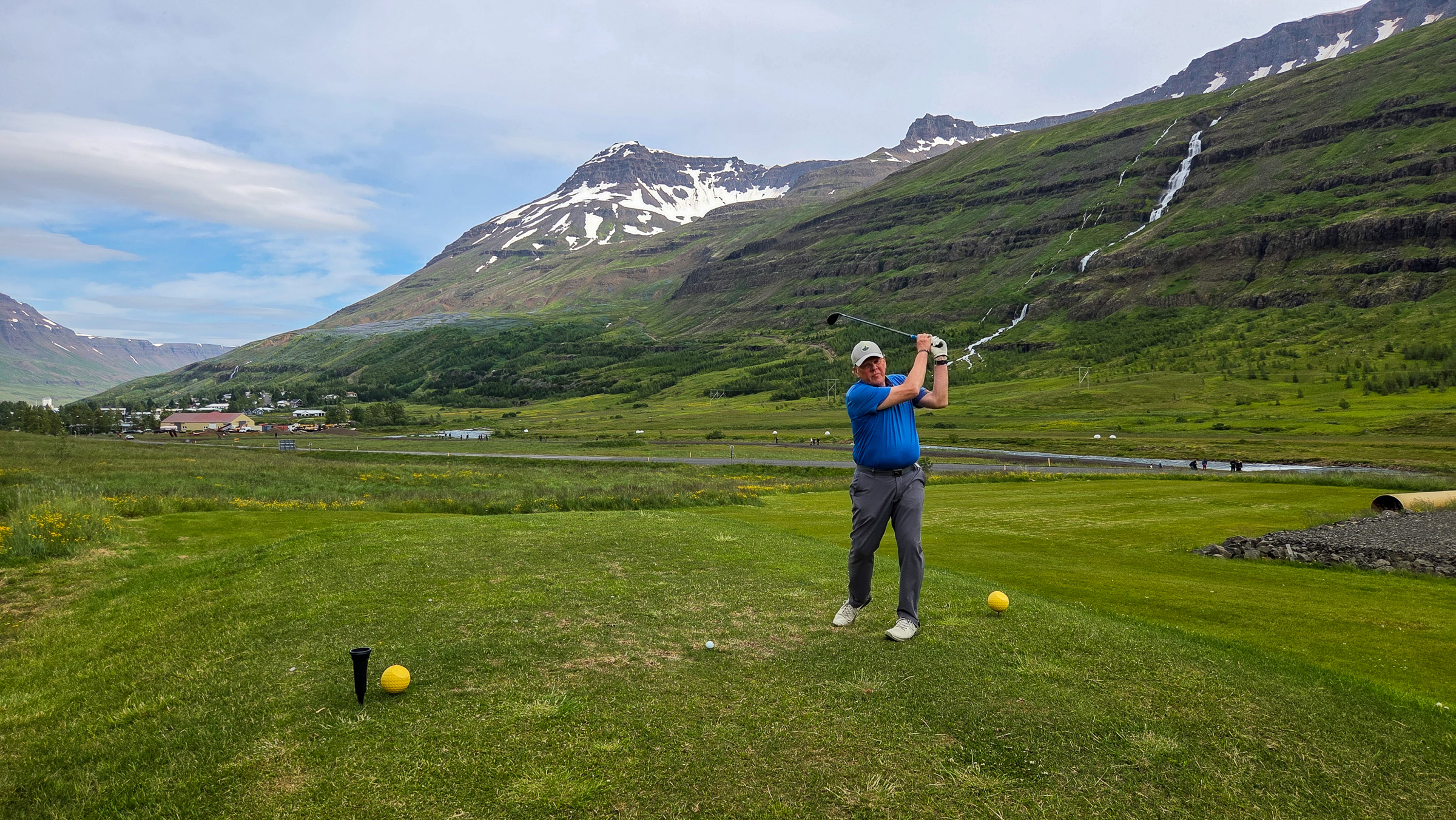
In Seyðisfjörður, we feel very welcome. The harbourmaster goes out of his way to accommodate our every need. The members of the local golf club are equally keen to make us feel at home. We sleep a lot, explore the local waterfalls, Gufufoss and Búðareyrarfoss, and play a round of golf on the lovely local course.
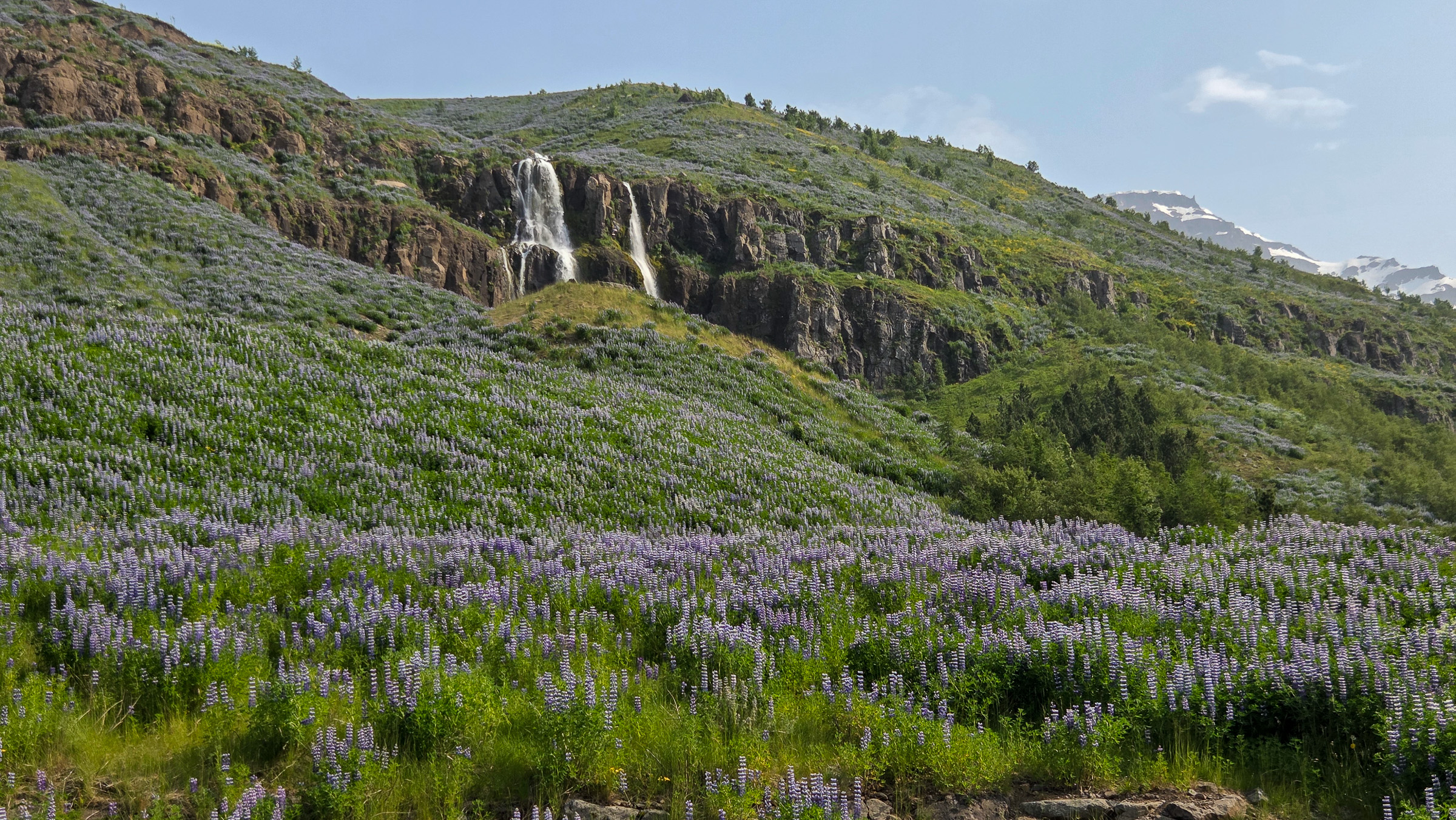
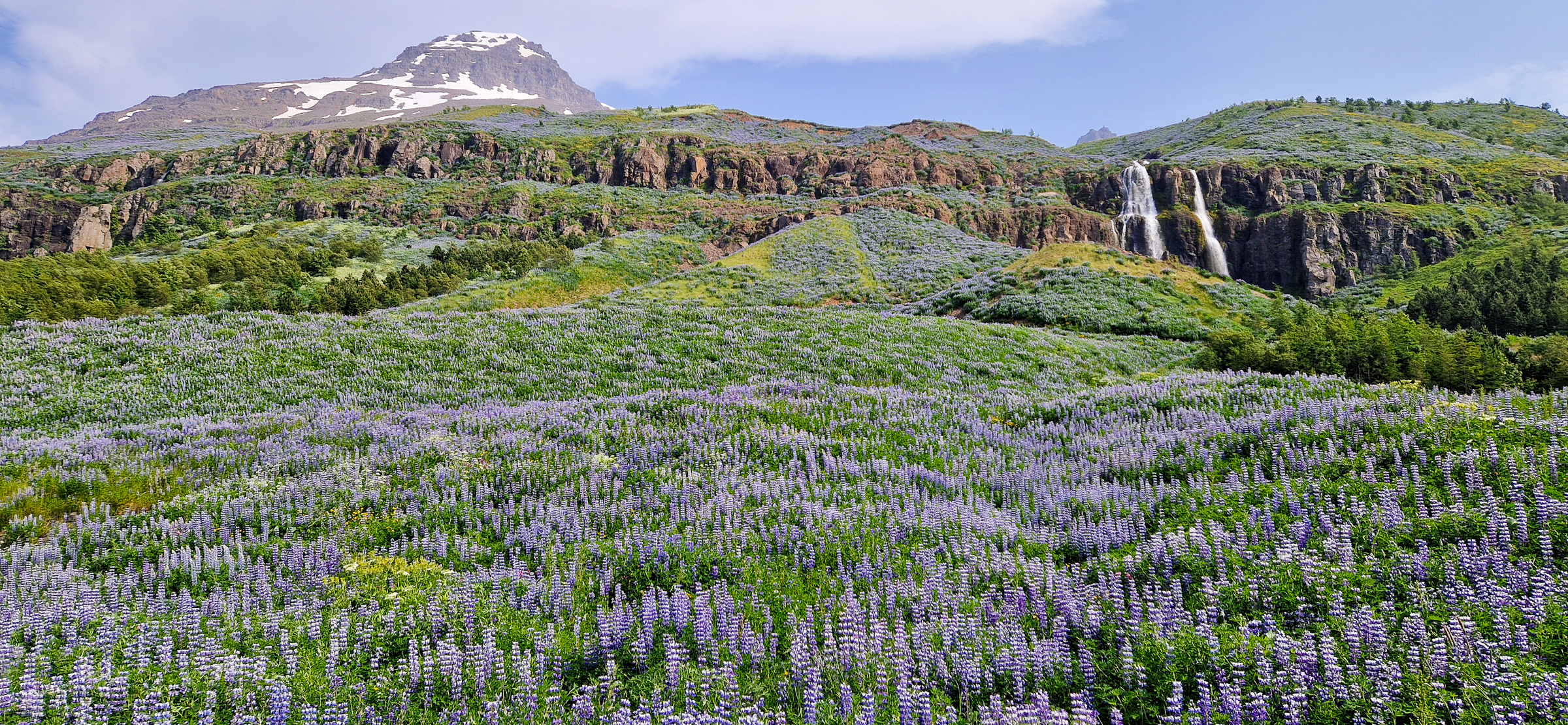
Our next destination is a safe harbour where Anori can stay for almost two weeks while we take a road trip around Iceland with Ole. Our neighbours in the marina recommend Akureyri in the north of Iceland as a safe and reasonably sheltered harbour, even for a larger boat. Unfortunately, the forecast means we have to leave again after just two days, before stronger westerly winds make the journey more difficult. So it is time to rig the lee cloths again and prepare for a two-day passage.
We set off at noon after our round of golf. A few shifts in the wind make leaving the fjord at Seyðisfjörður somewhat challenging. We will soon find ourselves longing for them, as we have to motor for most of the roughly 200 nautical miles due to a lack of wind. Individual attempts to sail are quickly abandoned as the wind proves pitifully weak. On the plus side, we spot dolphins and orcas several times and make an extra detour past the bird cliffs at Langanes, home to a large gannet colony and black-legged kittiwakes.
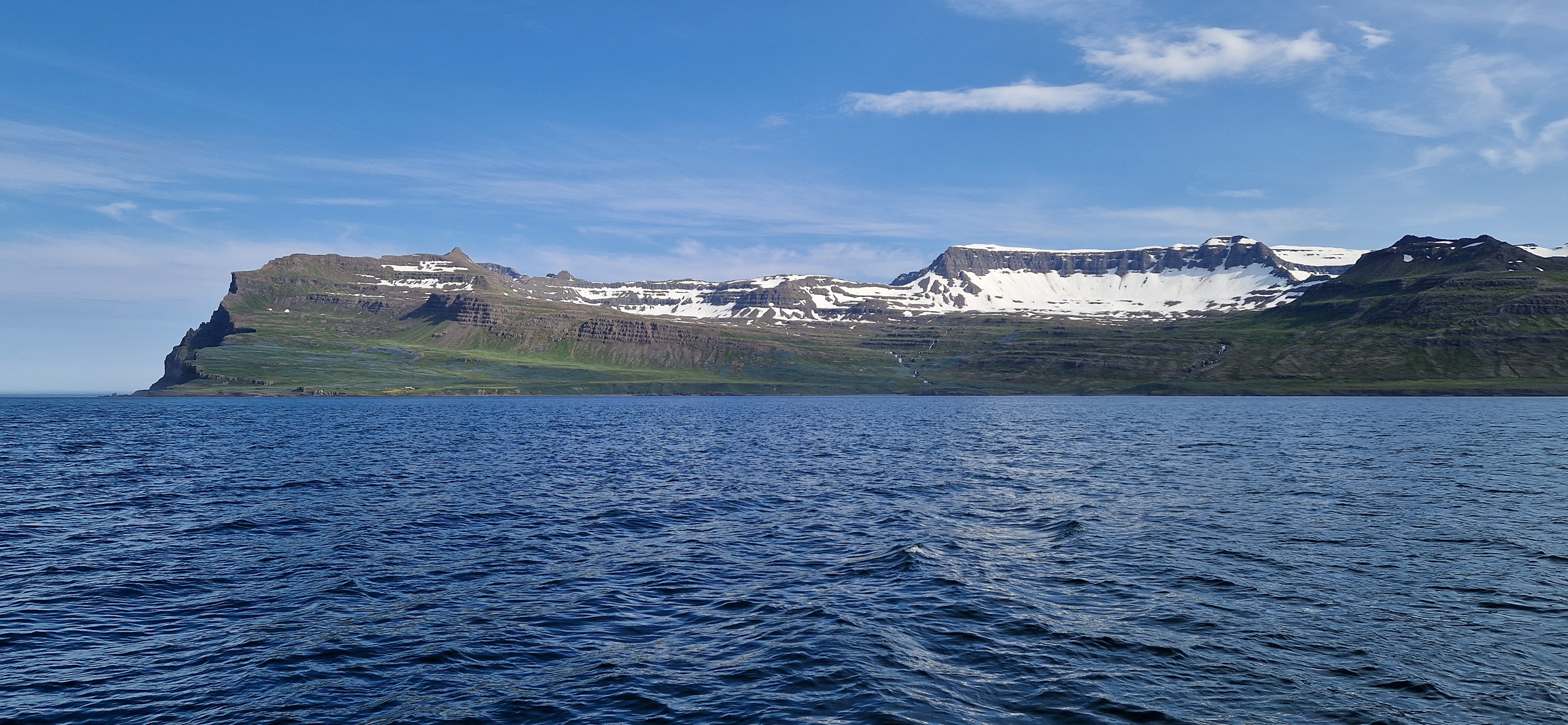
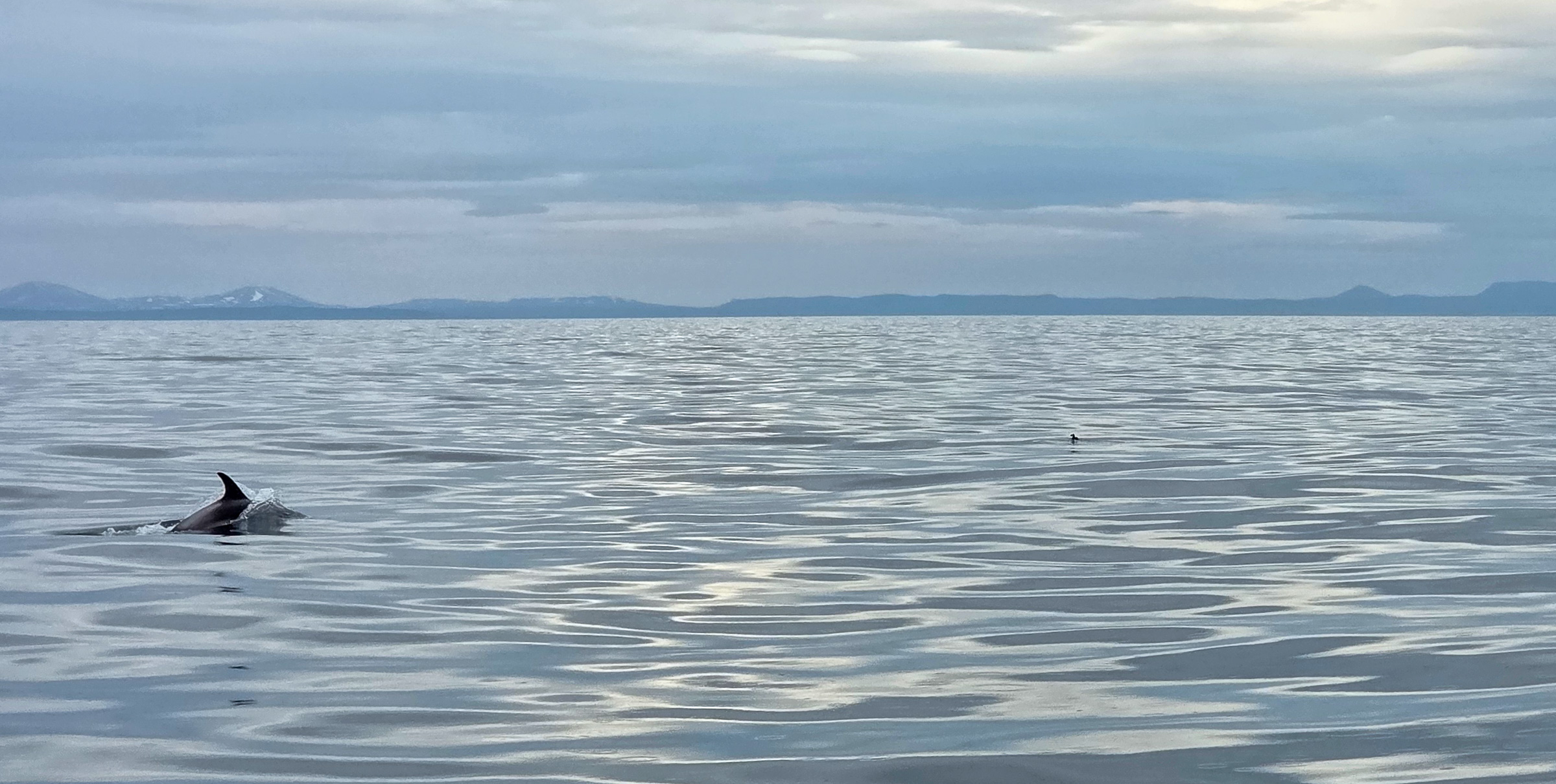
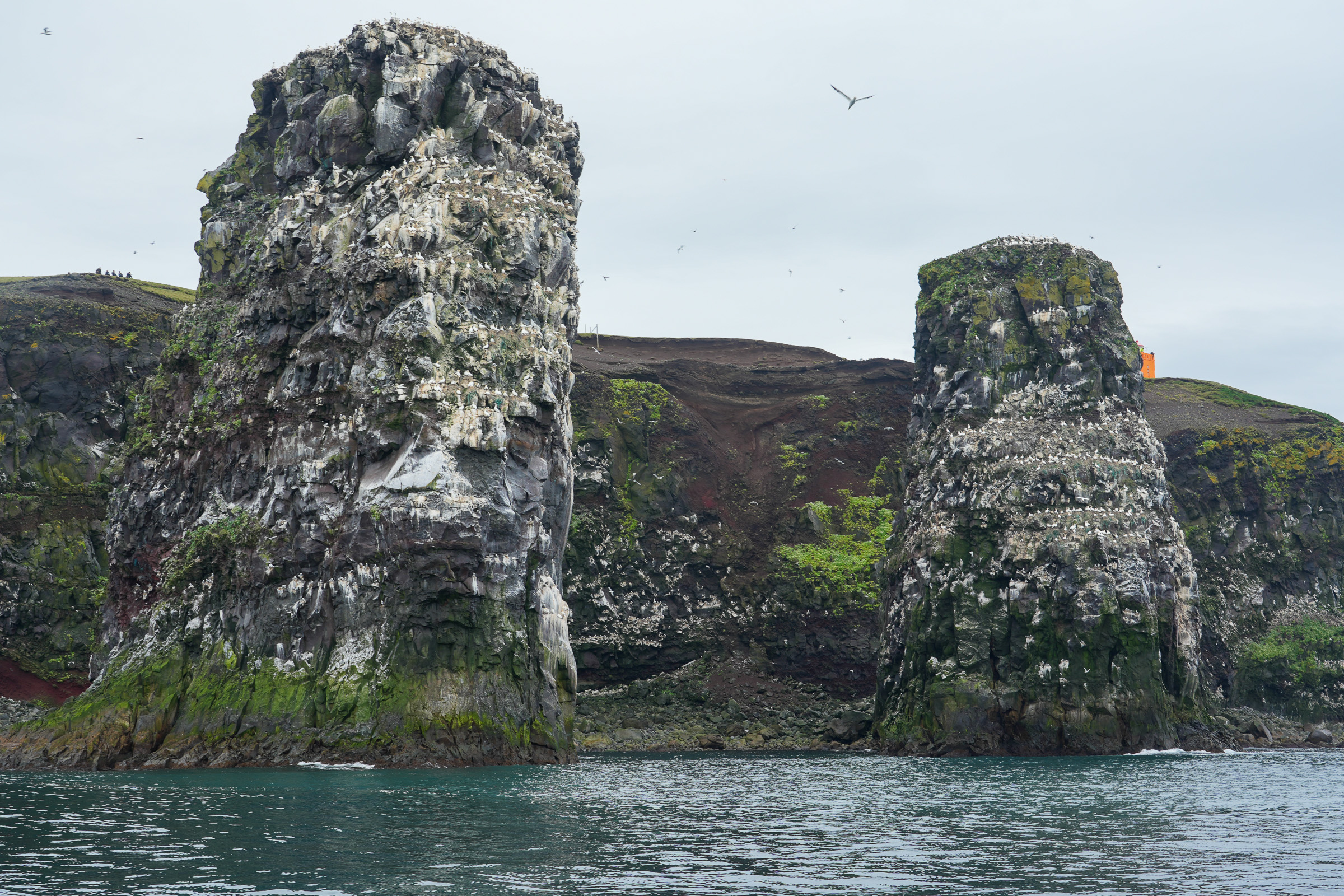
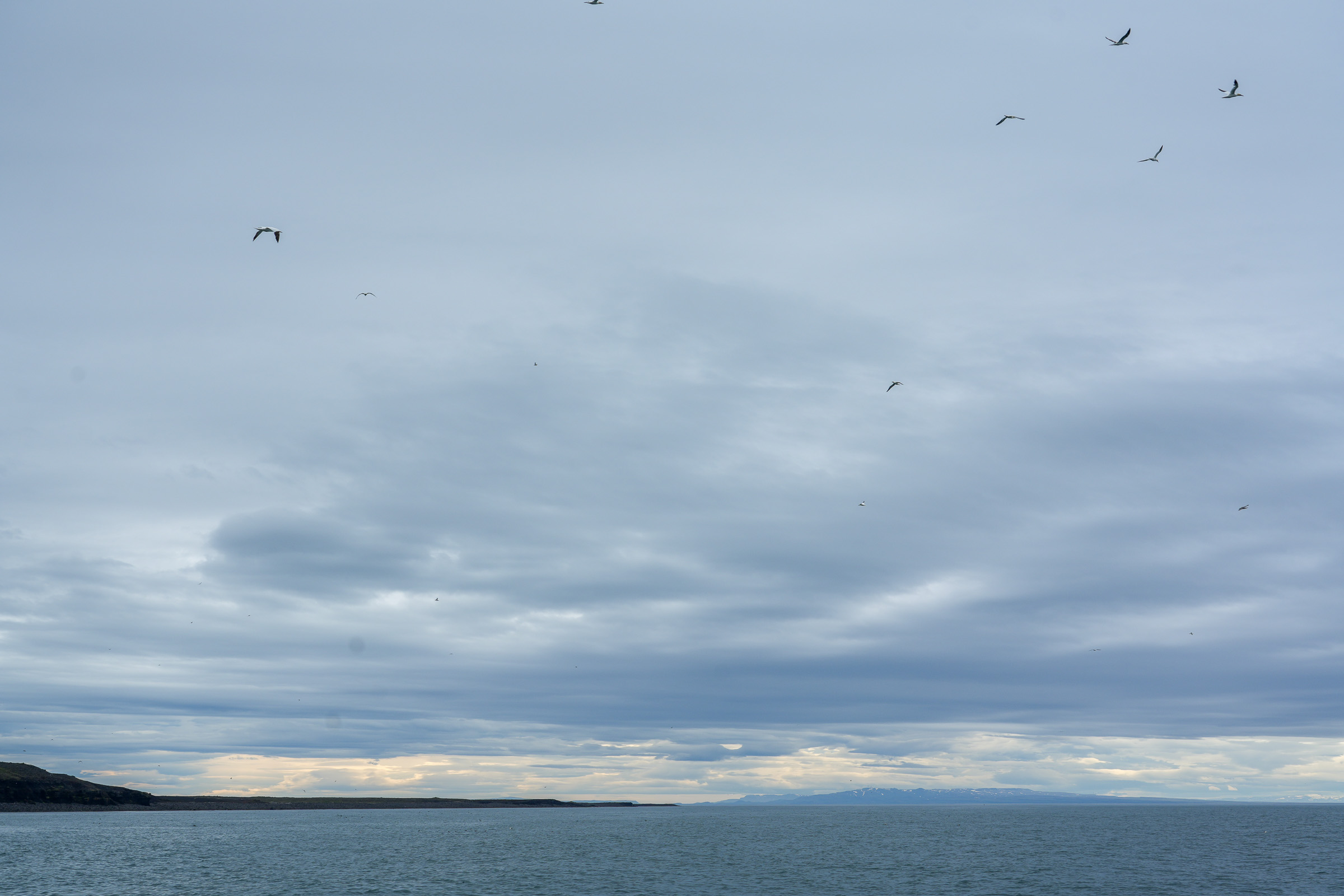
On the evening of the second day, we turn into Eyjafjörður, Iceland’s longest fjord. There are still 30 nautical miles to go to Akureyri. At first, the wind is still light and comes from ahead. Then, surprisingly, about halfway there, it steadily increases. Before long, we are facing up to 25 knots of wind. It varies in strength, and we hope that things will have calmed down by the time we reach Akureyri and manoeuvre into our berth. Far from it!
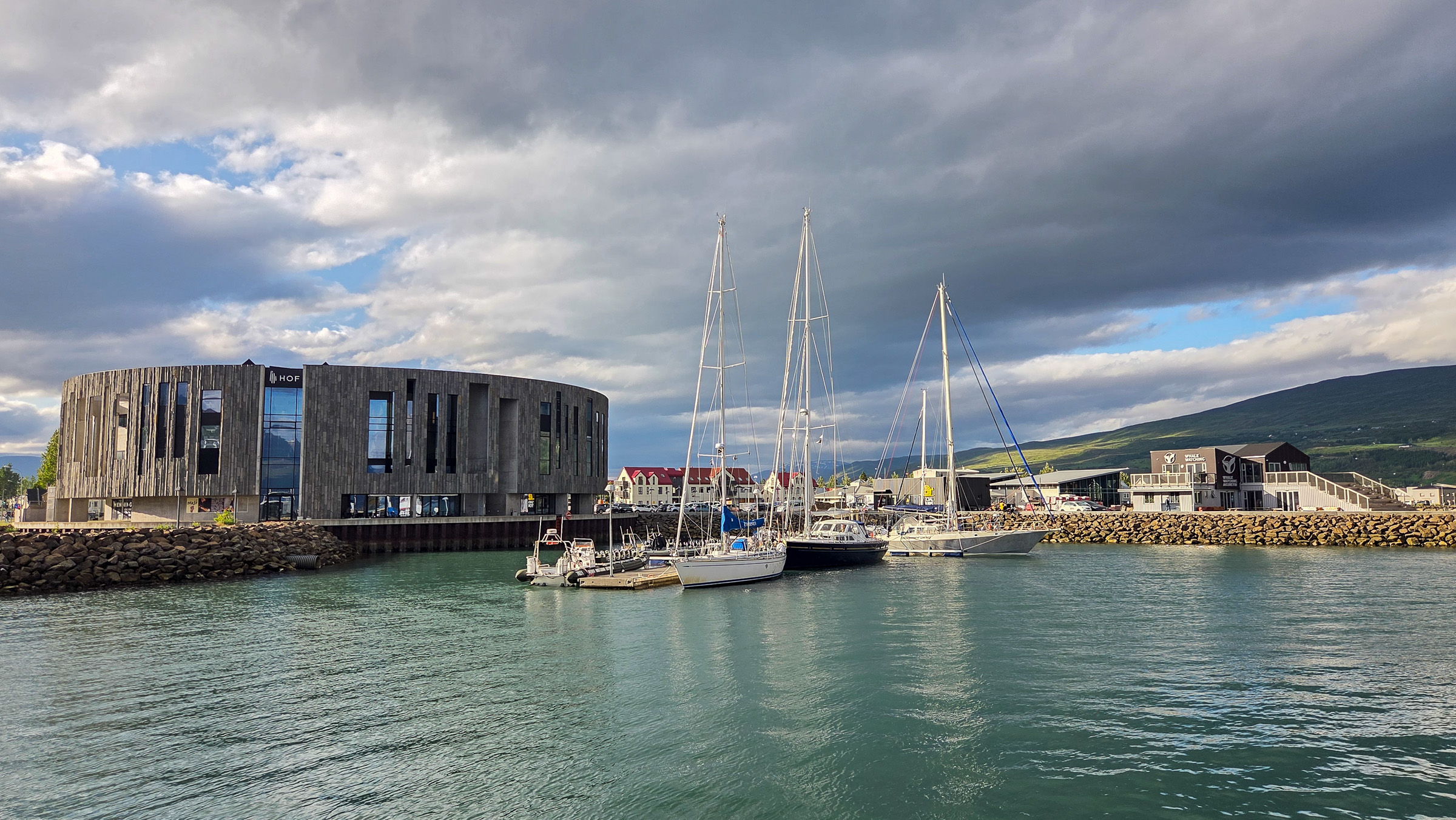
The berth we are aiming for is free, but getting alongside is no easy task with around 25 knots of wind and a decent swell. Eventually, we are alongside the floating pontoon, trying to squeeze every available fender between Anori and the pontoon. A few more lines, and finally we can get some proper sleep.
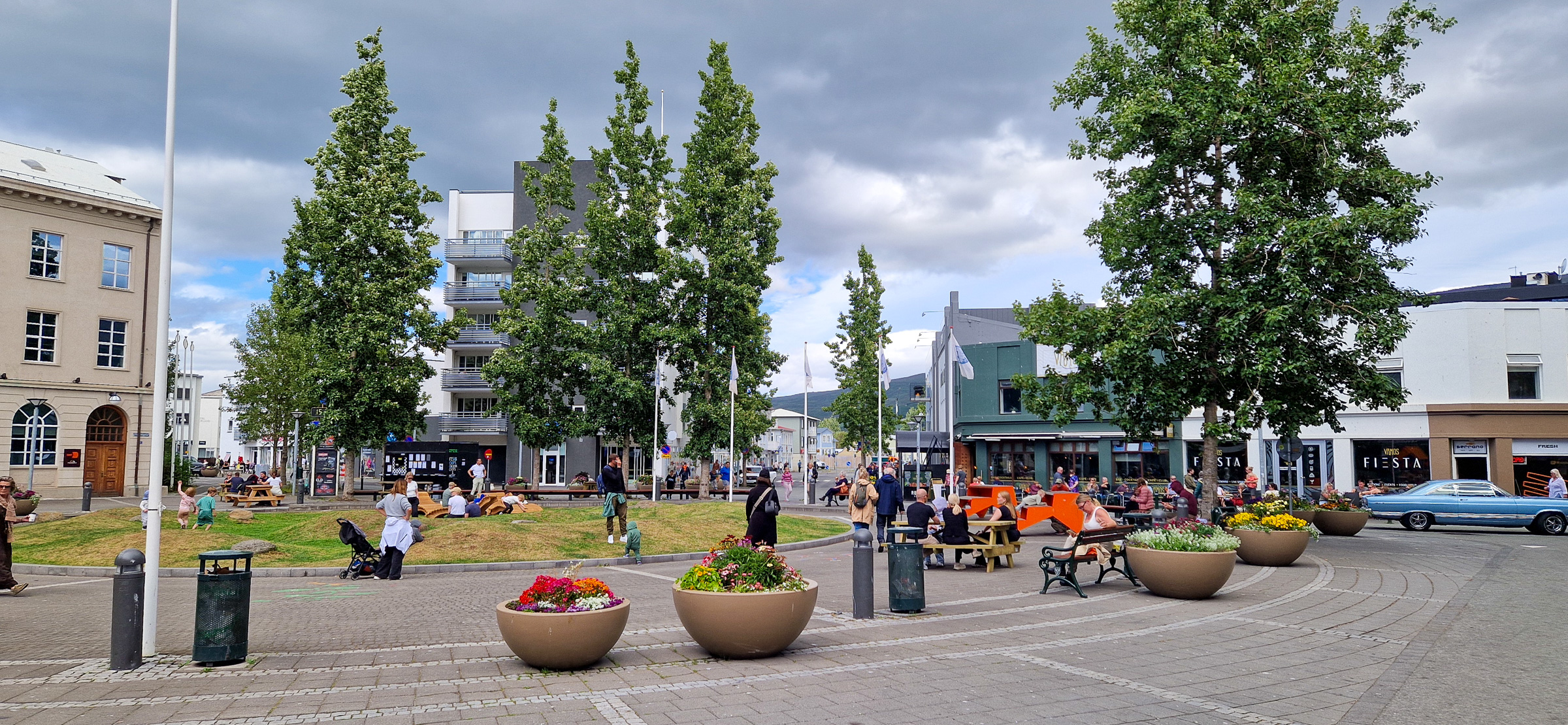
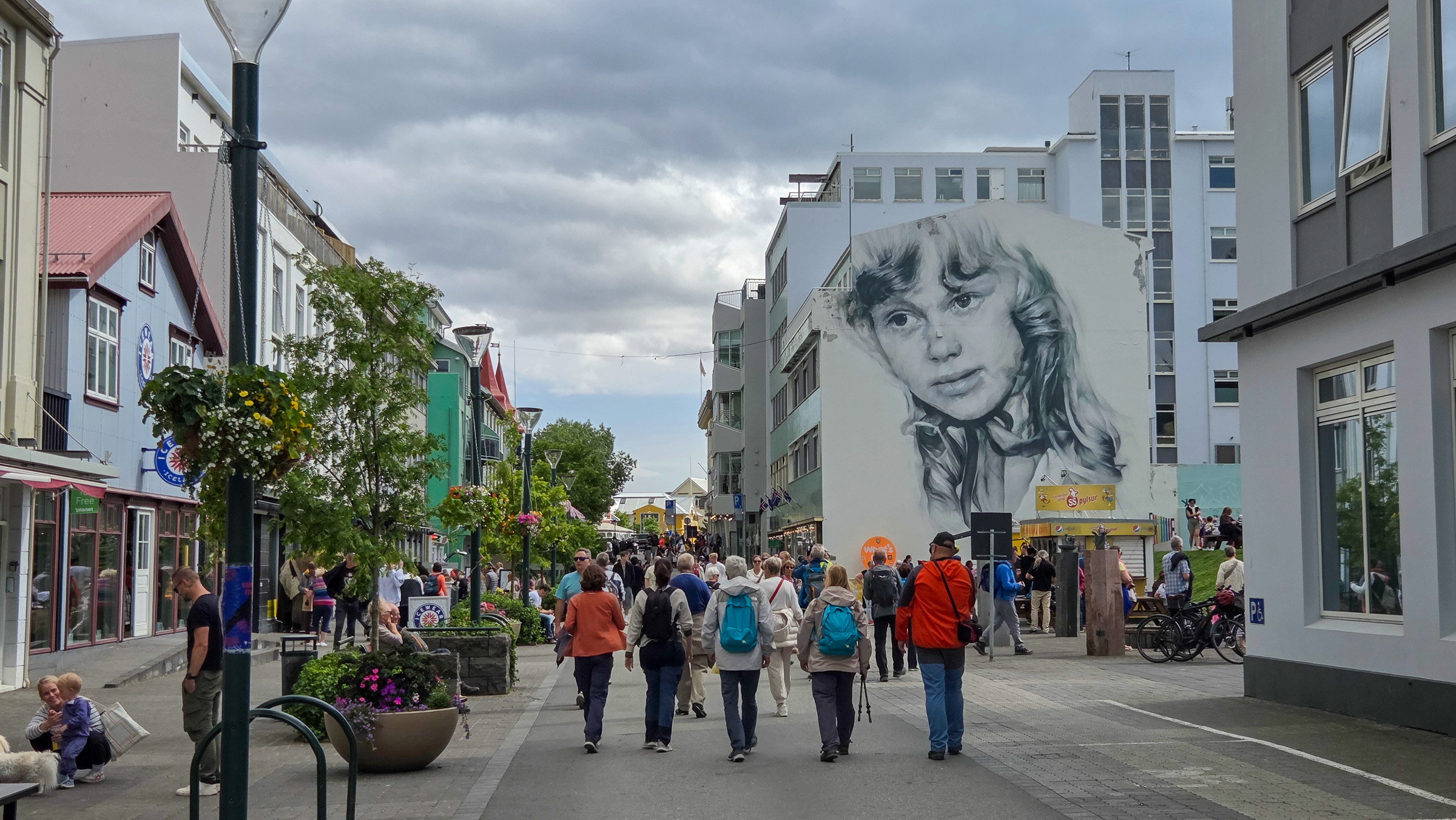
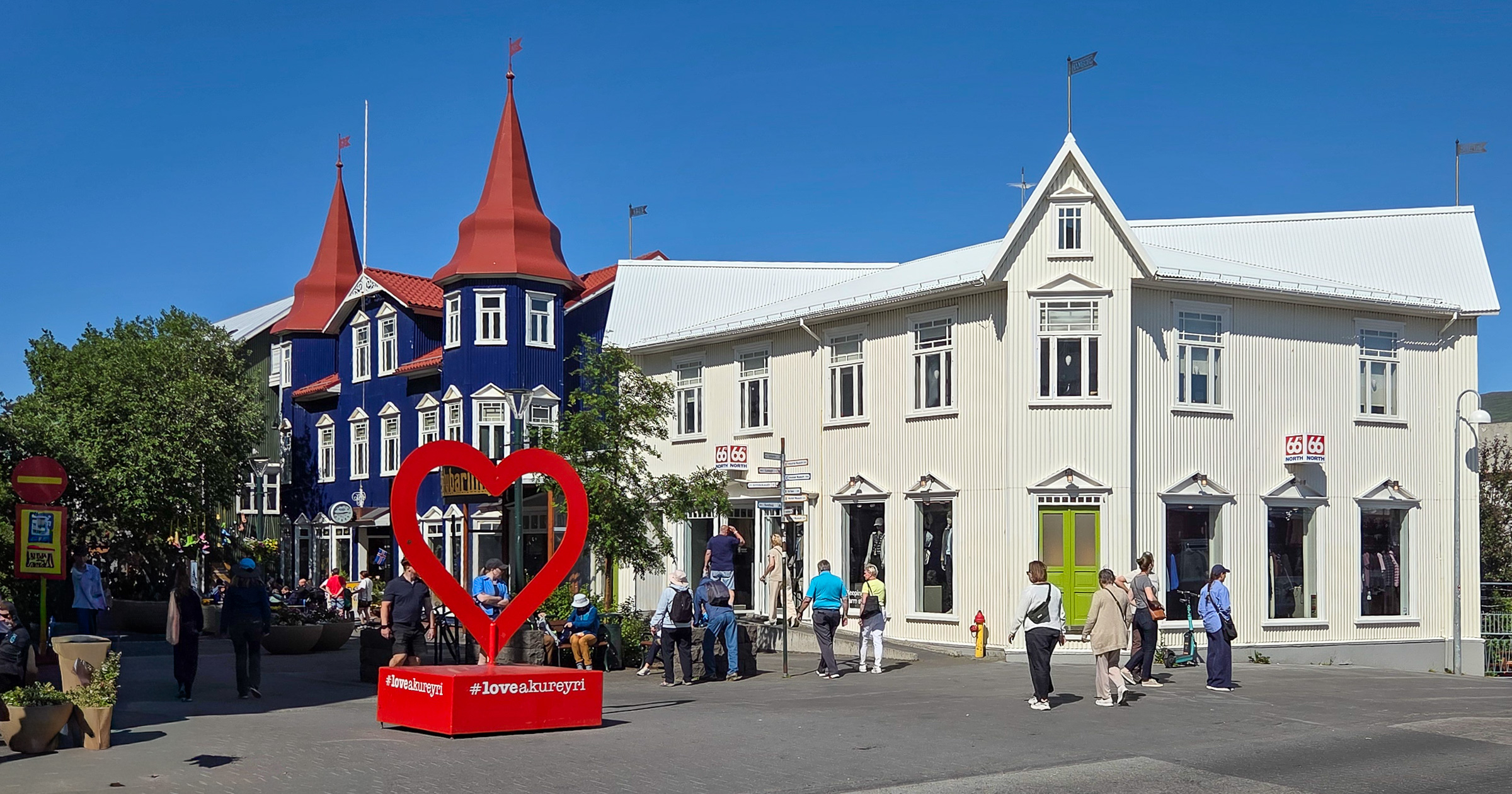
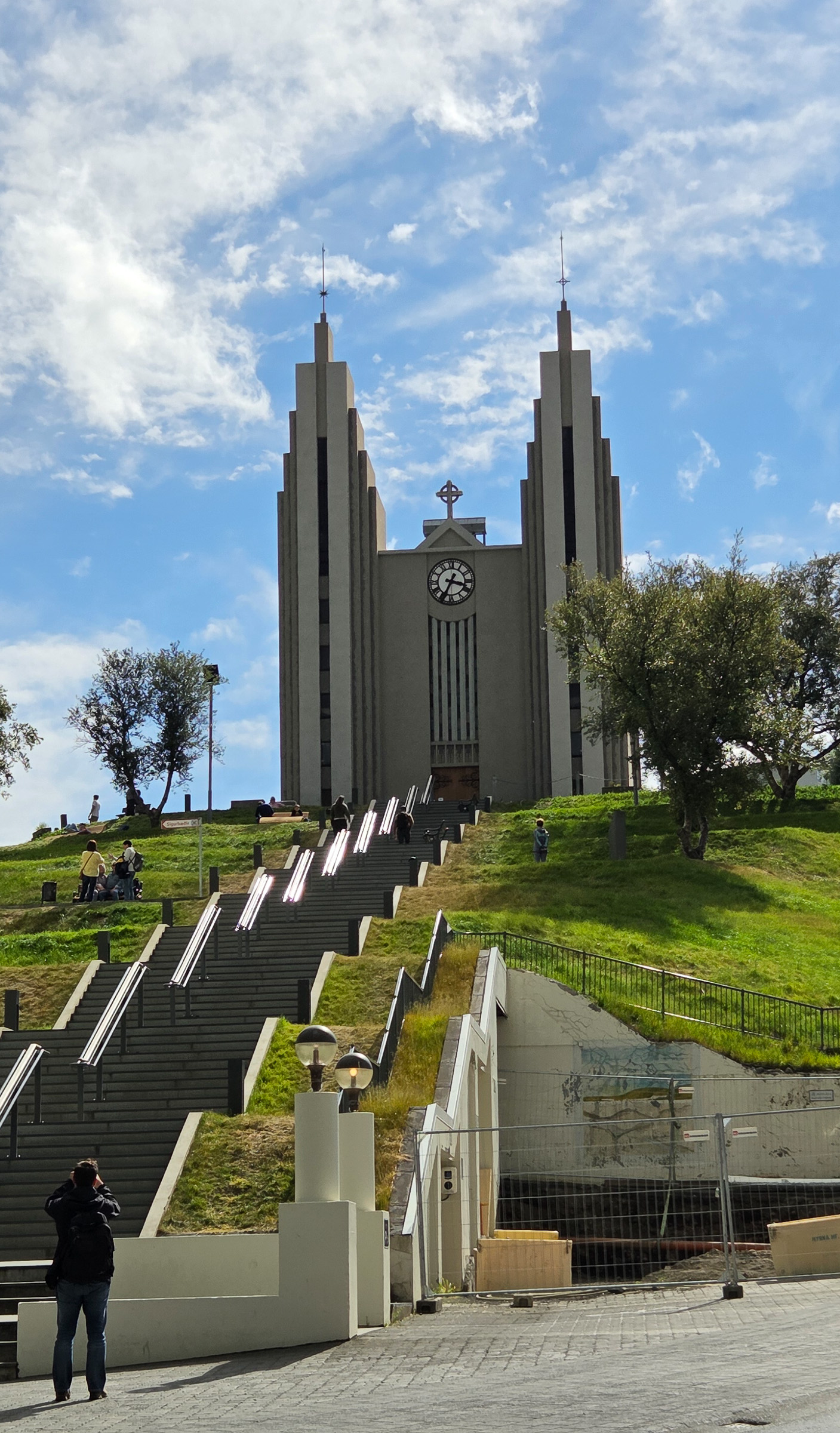
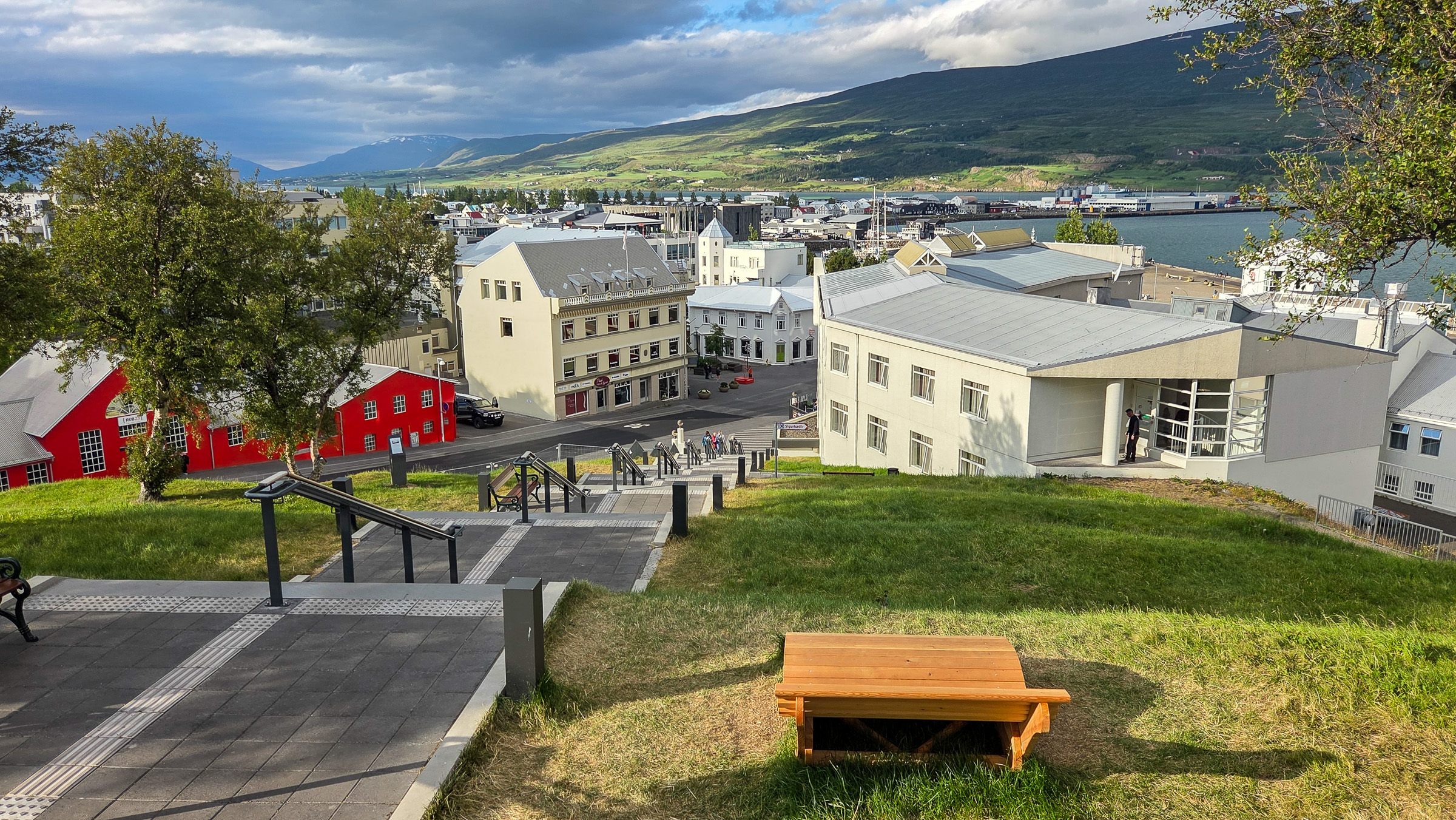
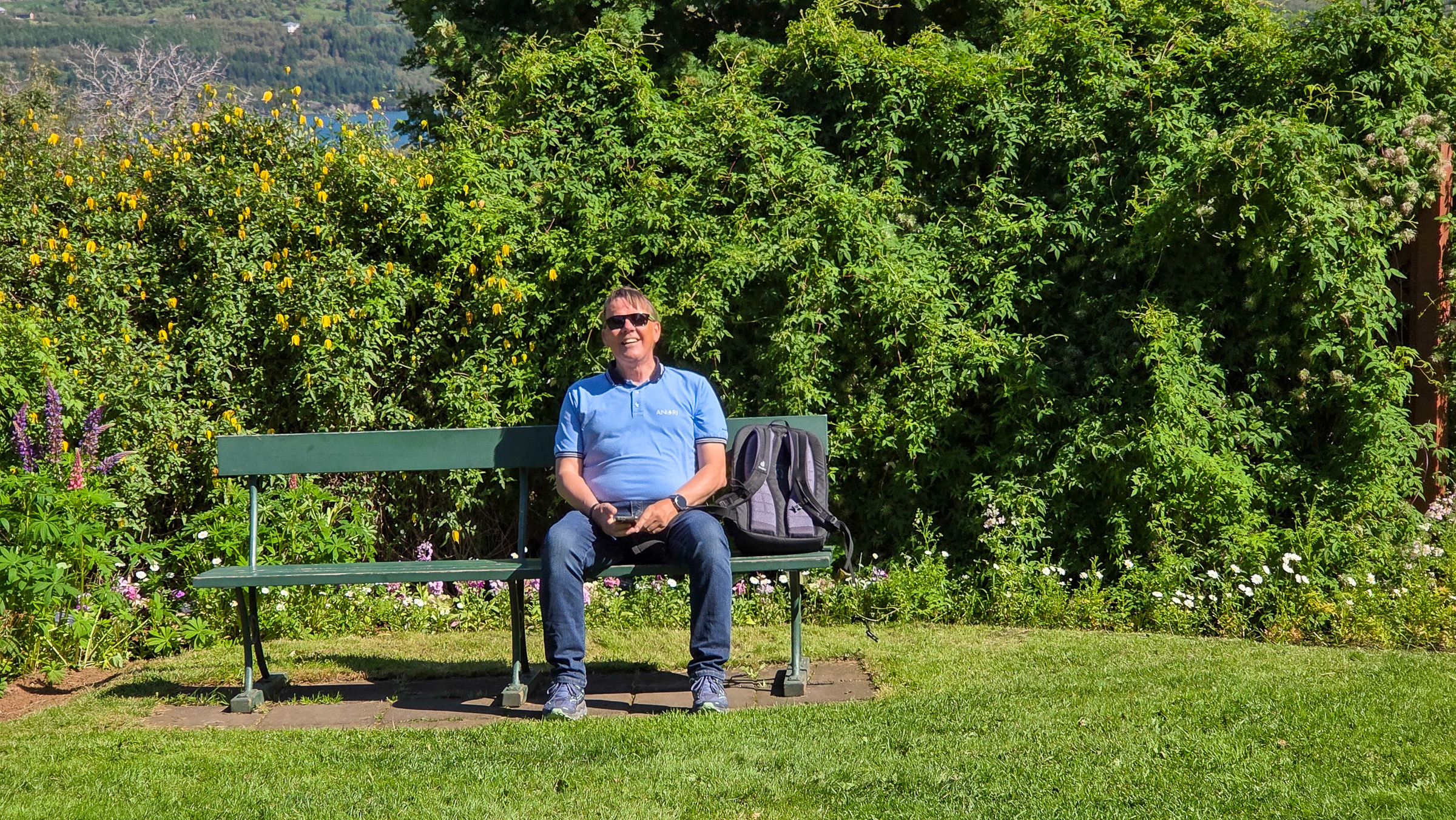
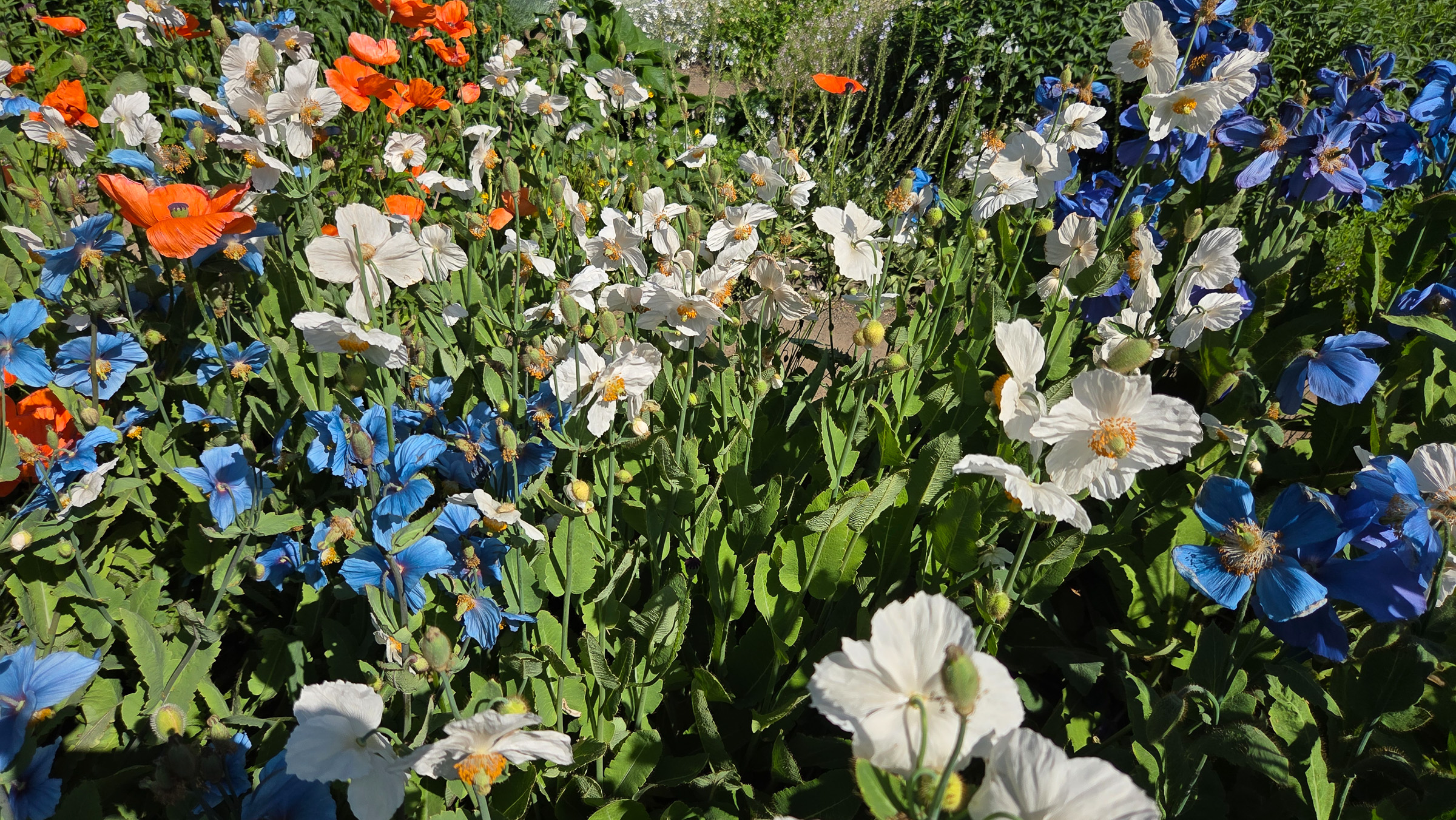
While the wind continues to rage outside for another two days, repeatedly sending swell into the harbour, we visit the harbour office and take care of everything that needs to be sorted out. We then explore Akureyri, a lively and attractive town with old houses, a bustling pedestrian area and a botanical garden. At the local golf club, we book a tee time for the day after our return. On the evening before our departure, we collect our hire car, ready to set off the following day.

Leave a reply