

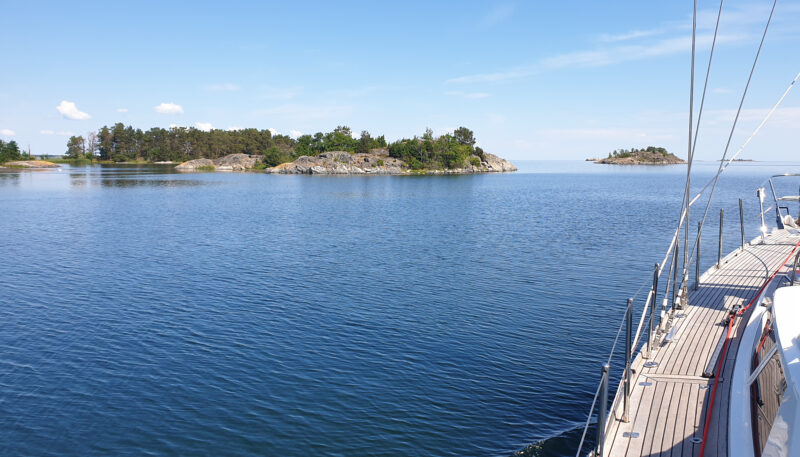
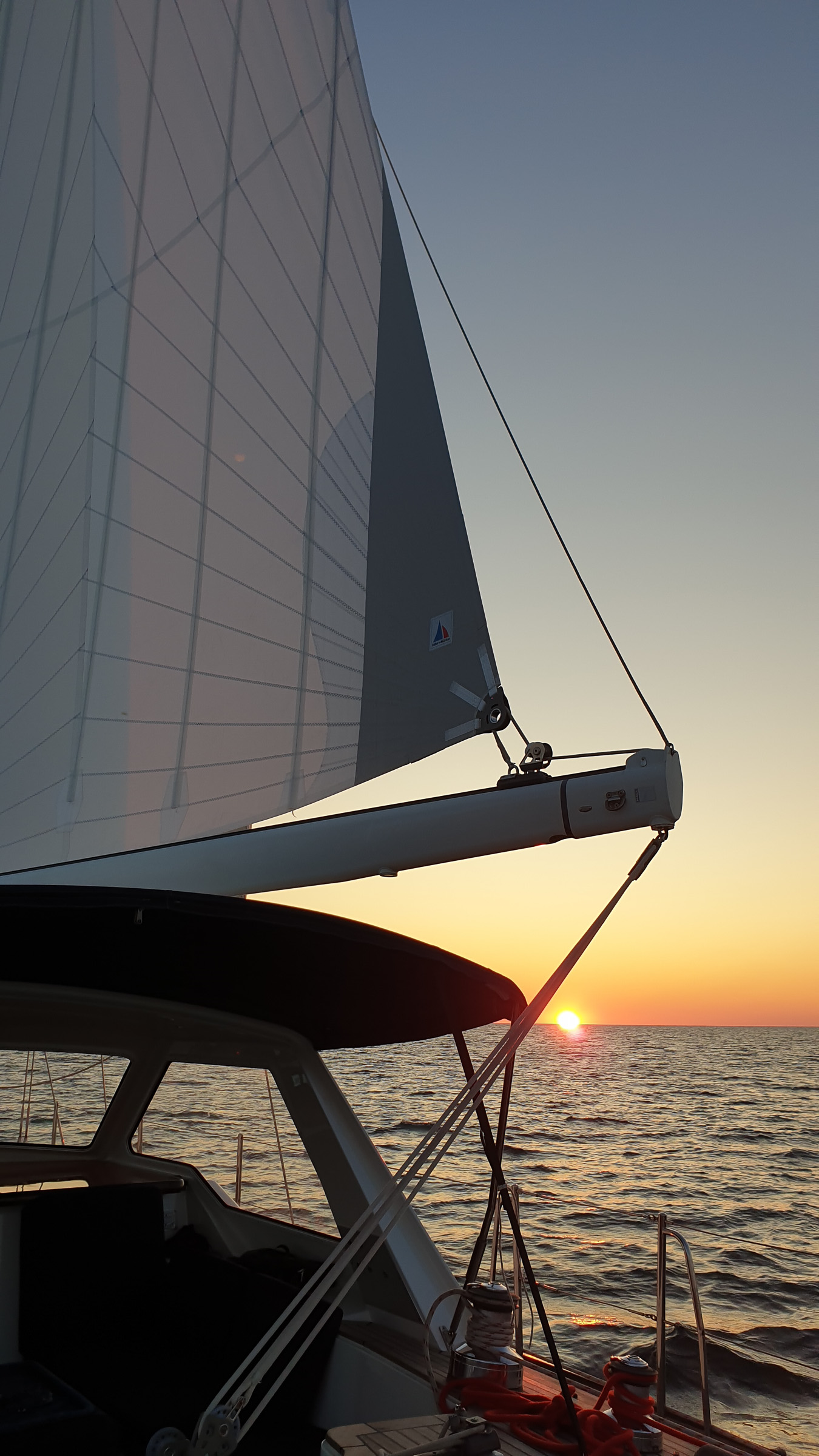
The plan was to depart from Lauterhorn on Fårö towards the mainland on the morning of 27 June. The weather check the night before told a different story: good wind during the night, calm conditions the next day. So we decided on a spontaneous change and cast off already at 8:50 pm. We were rewarded with a beautiful night of sailing in steady, favourable wind and a magnificent sunrise. Not until around 9:00 am did we have to take the sails down and start the engine.
During the crossing, however, a problem we were already familiar with made a return—and one we really didn’t need anymore. The second autopilot now also failed regularly. The first had been out of action for the entire trip. Without a functioning autopilot, it was clear we needed a solution quickly. Gryt’s Varv was within reach, so we tied up there just before noon.
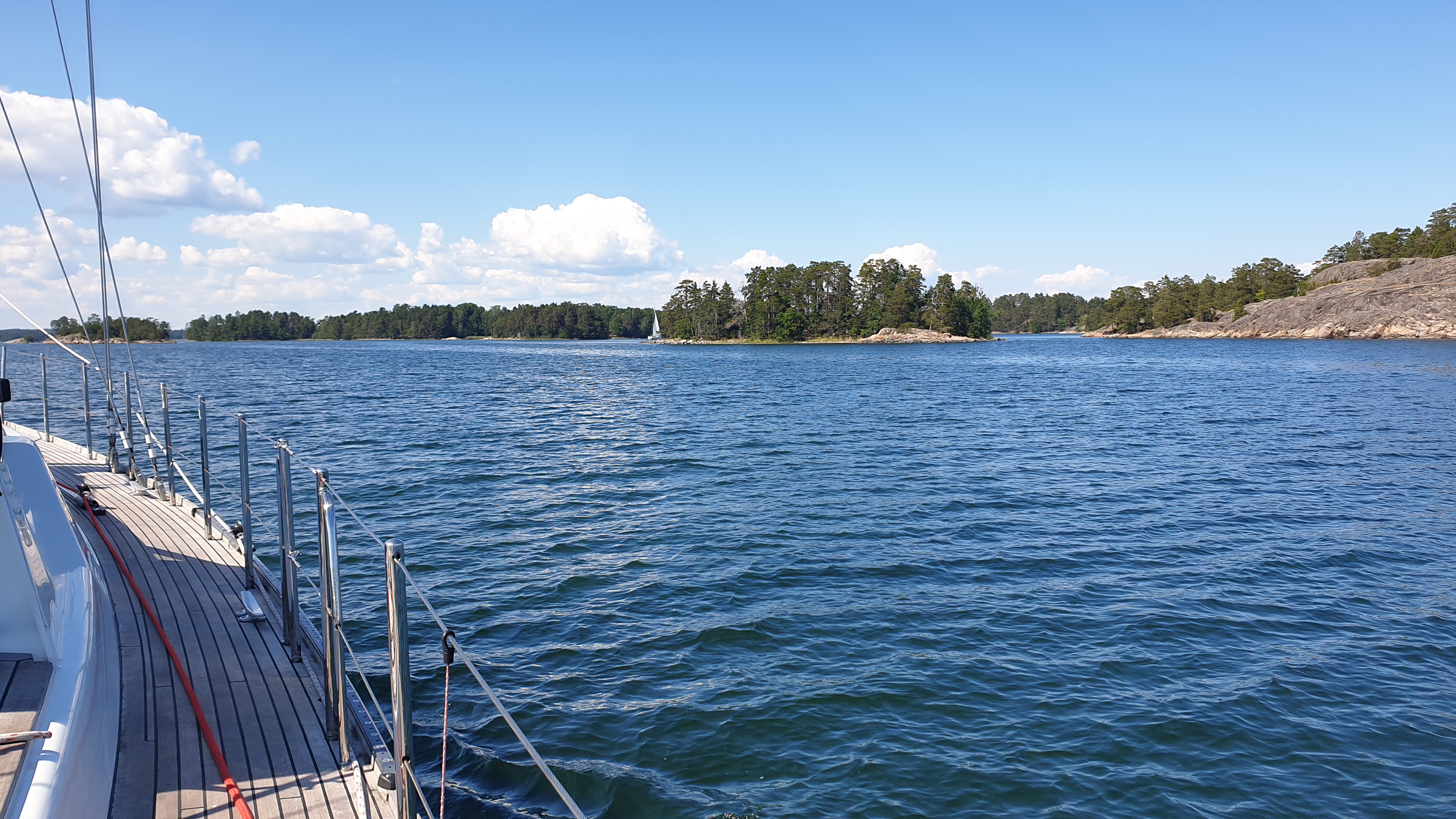
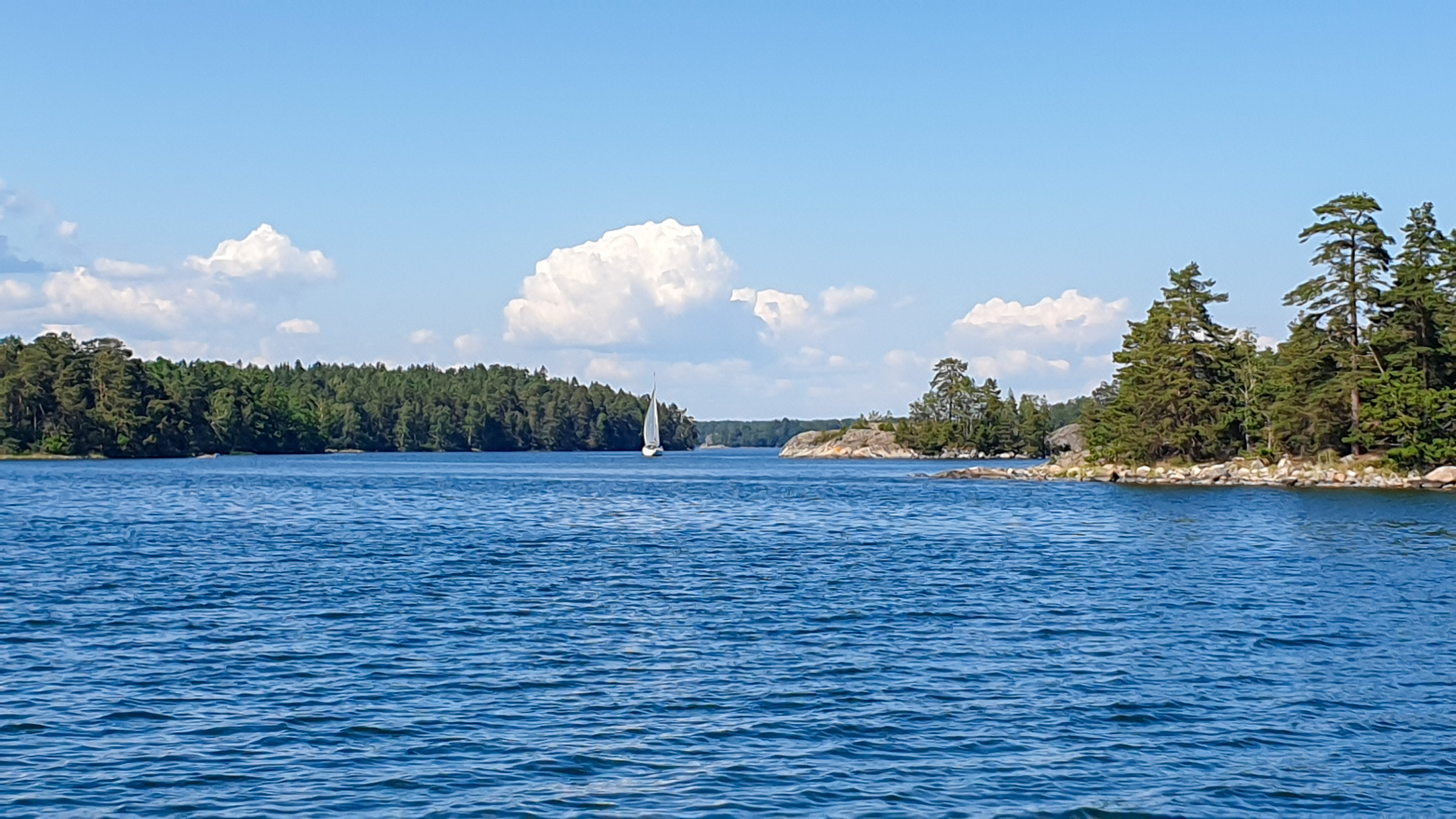
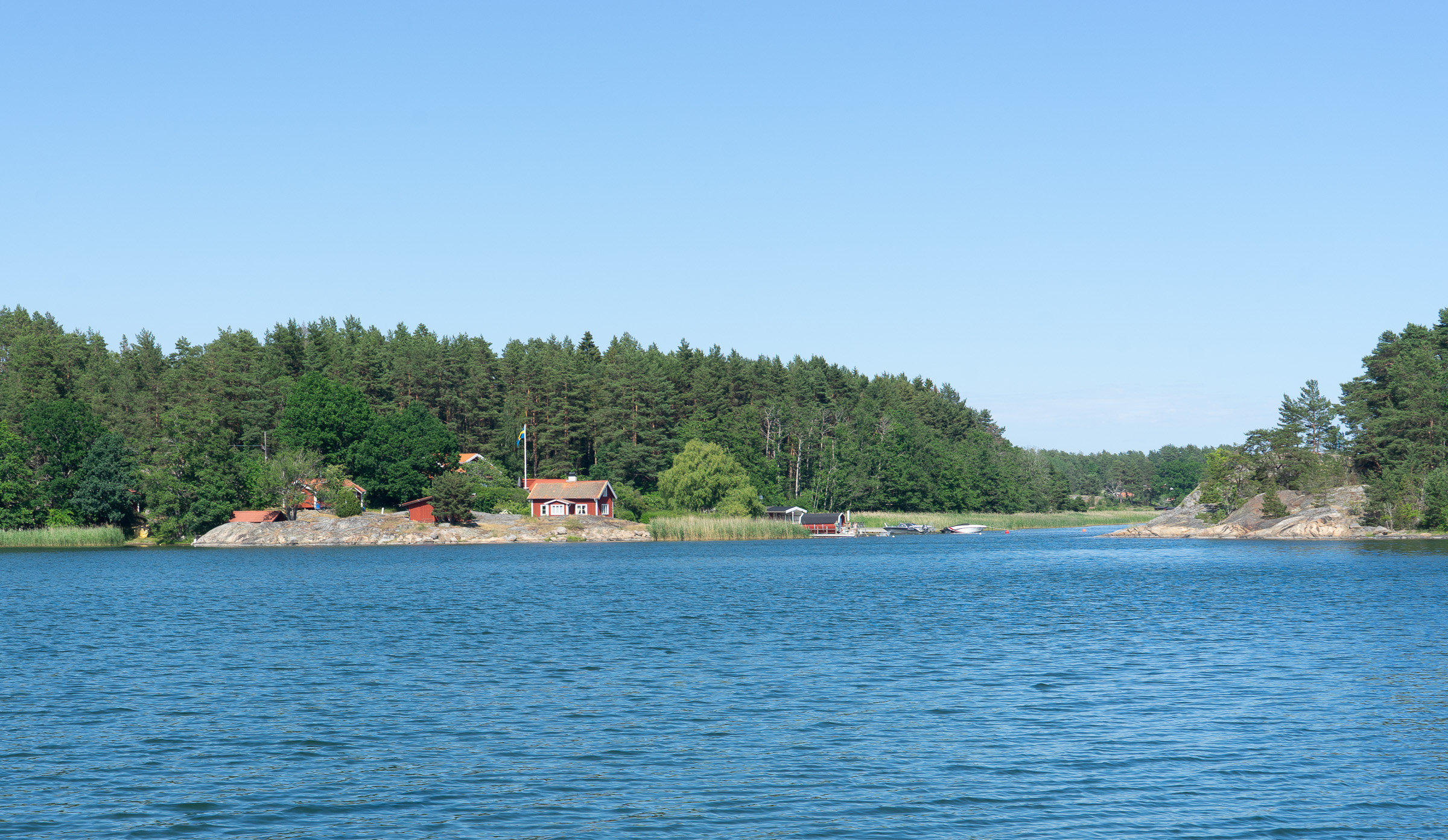
The sobering reality came quickly. In Sweden, the holiday season had begun, and the yard was staffed with only a small team, so no immediate help was available. We contacted Jefa, the manufacturer of our control system. The remote diagnosis was clear: the magnets in the clutch had weakened with age and needed to be replaced. The spare parts were to be sent to the harbour master at Wasahamn in Stockholm. A plan—but not one for the immediate future.
Gryt’s Varv still had its bright side. For the first time, we tested our new dinghy. Zooming across the water to the surrounding islands with 20 hp was enormous fun.
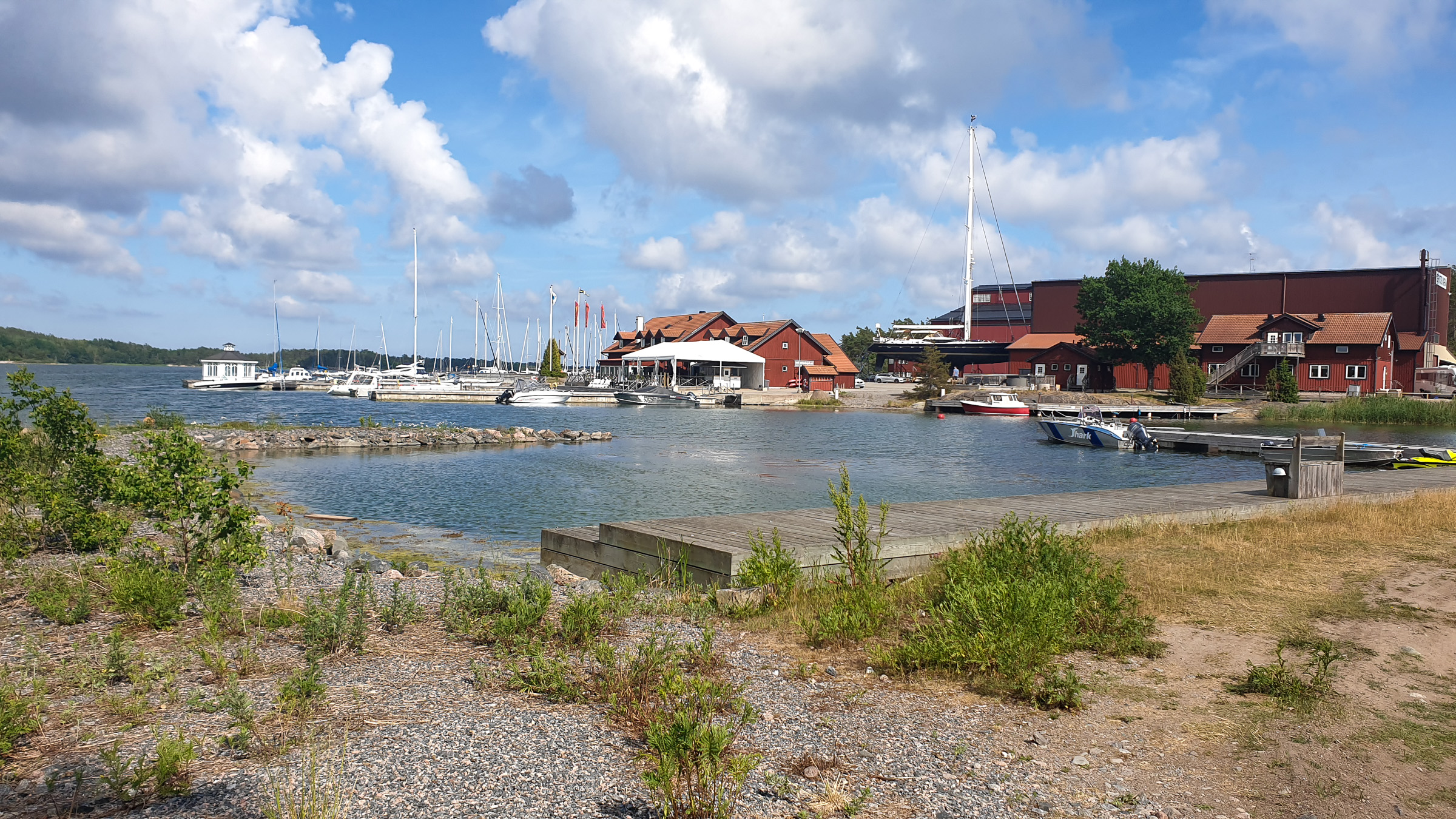
On the yard, a large sailing yacht was hauled out. The bosum told us what had happened: in the skerries, the yacht had run aground on a rock, and the bolted keel was so badly damaged that water was entering. An attempt at external repair had failed. Now the mast and engine had to be removed to reach the keel flange and keel bolts from the inside. Work for months. An instructive case—even professional skippers are not immune to serious navigational errors. Little did we know what lay ahead.
Since we couldn’t make progress at the yard, we swapped our berth for a nearby anchorage. For the first time that summer, we went for a swim in the Baltic Sea and enjoyed the refreshing change.
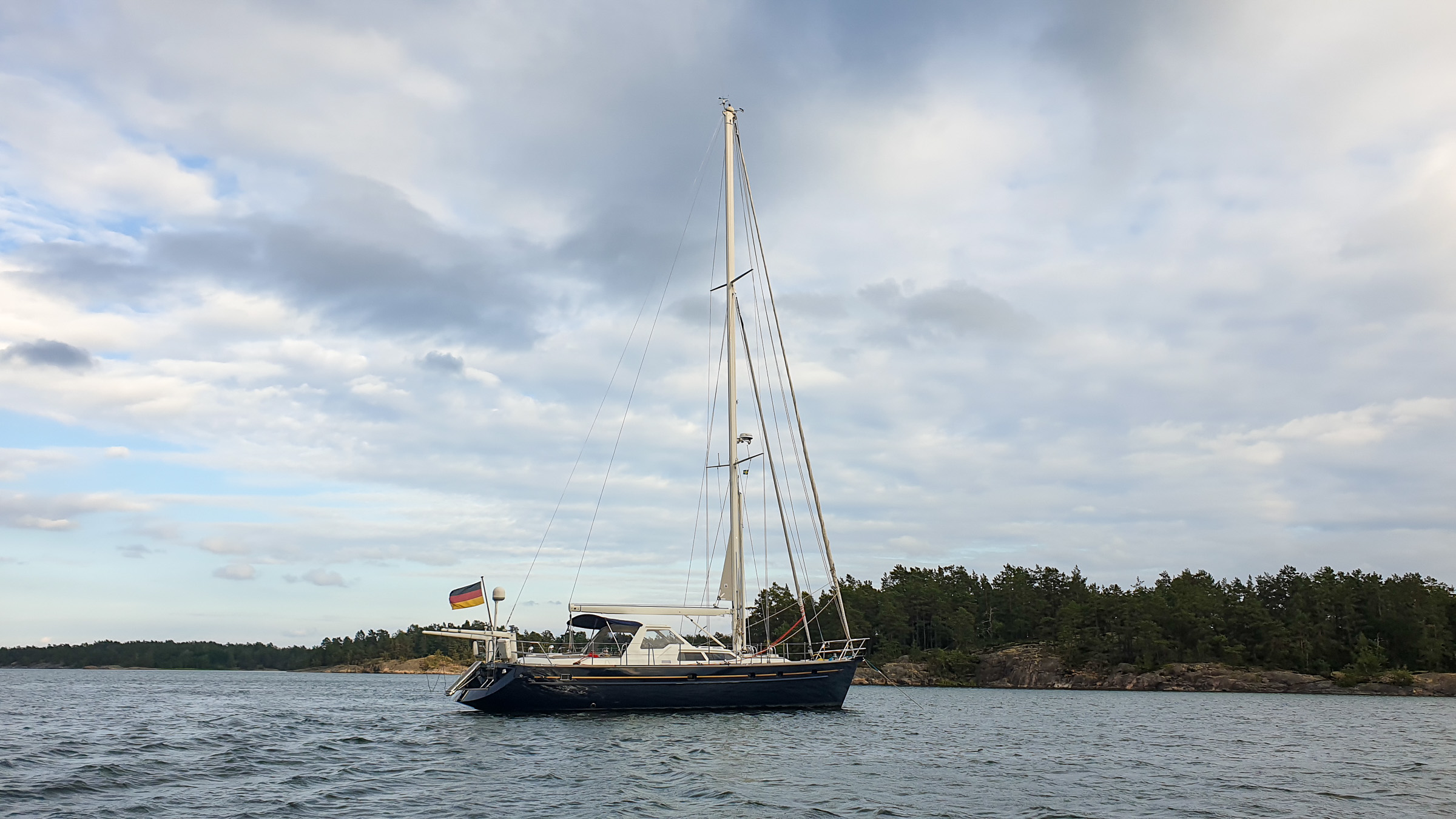
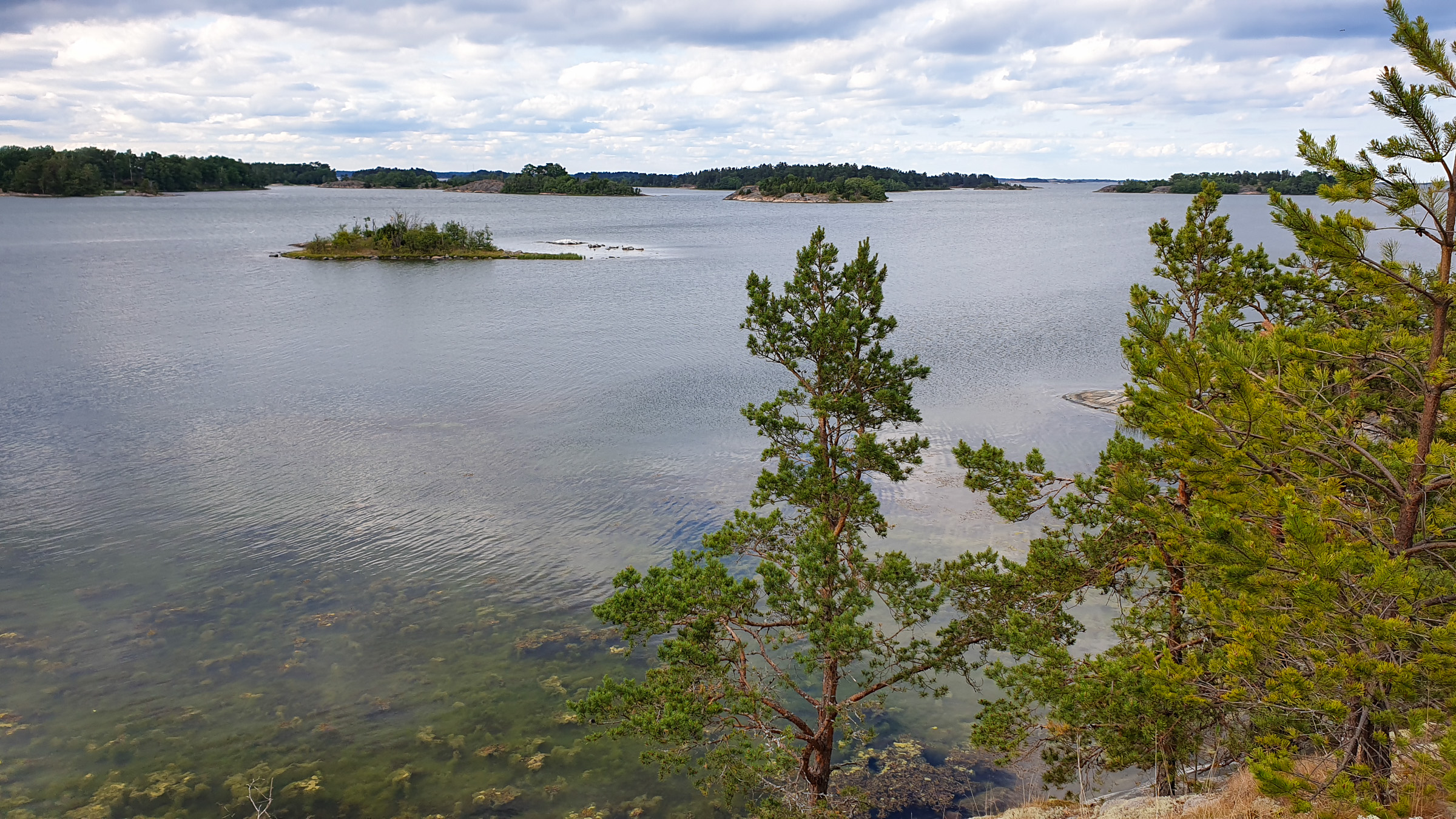
On the morning of 29 June, we set off for Harstena. The bay there—and the neighbouring one—was too small for us. New target: an SXK mooring buoy in the Missjö Nature Reserve. We searched but found none. During the search, we drifted too close to the shore, outside the fairway. Then came the impact. For a moment, it was quiet—and we were completely shocked.
Anori wouldn’t move forward or backward. We were aground on a rock! Passing boats offered help, but there was nothing they could realistically do. They stayed nearby until we managed, using the bow thruster, to pivot off the rock sideways. We were floating again—but now right among other rocks. Underwater, visibility was zero. While searching for deeper water, the keel struck several more times. Eventually, we were free.
Once in safe water, we anchored immediately and inspected the boat. Inside, there was no visible damage. With masks and fins, we went into the water. The rudder, propeller, and shaft appeared unharmed, and there had been no issues while manoeuvring. The keel could not be assessed due to algae-clouded water. We ourselves had abrasions and large bruises from the impact: Klaus on his shins from the wheel, Birgit on her hip from the dodger.
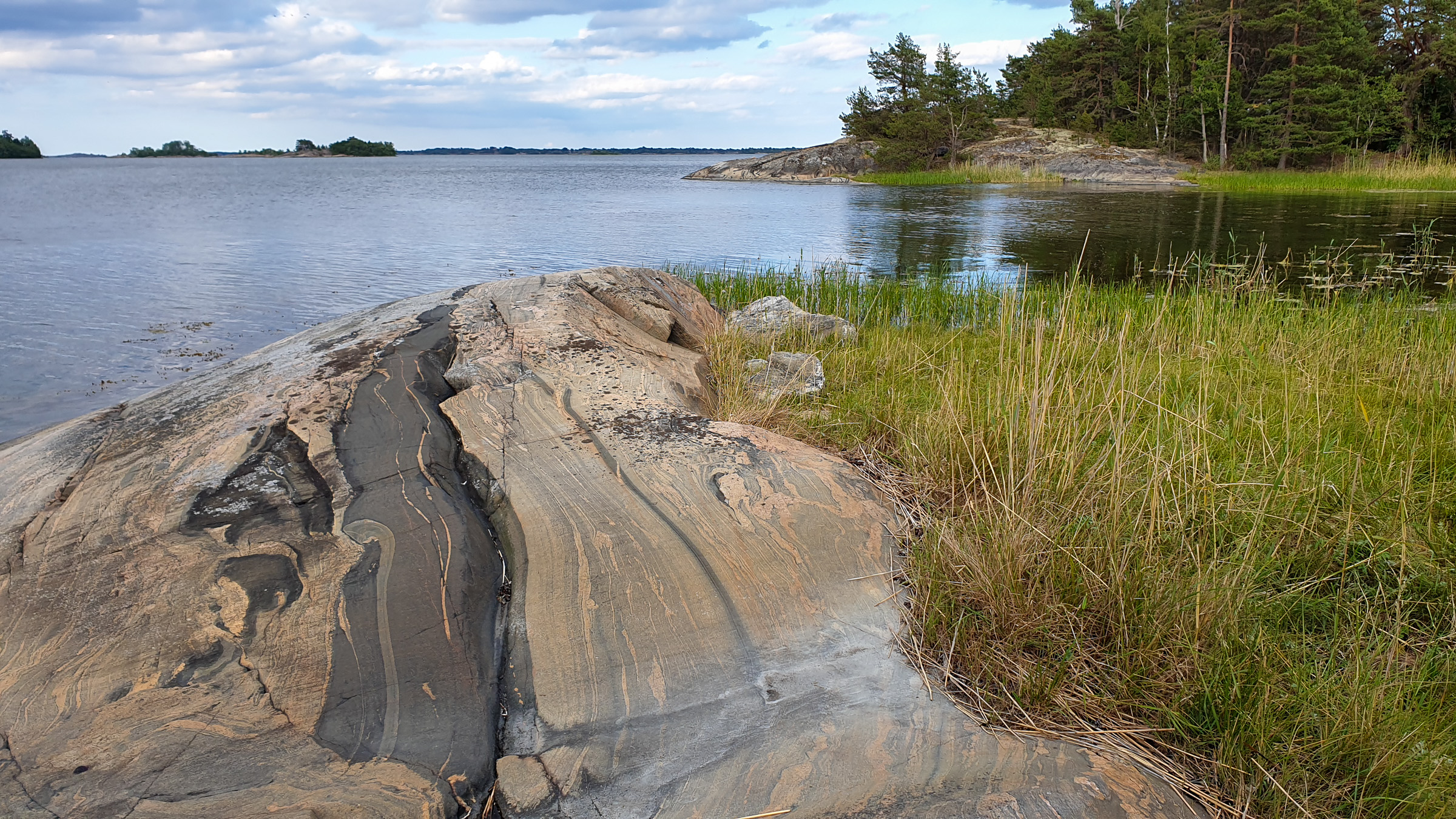
We continued to the island of Risö and anchored in Verholmen Bay. We stayed there for several days to recover from the shock and plan our next steps. We went on dinghy excursions, carried out maintenance—and discovered that several batteries needed replacing. We therefore needed a location with infrastructure where we could inspect Anori more thoroughly and buy batteries. The choice fell on Nyköping, where we tied up on the afternoon of 2 July.
There, we purchased four new batteries, which were delivered to the boat at 3:00 pm. The plan was a straightforward one-to-one swap. In reality, we ended up rebuilding the entire battery rack until midnight, as the new batteries were slightly differently shaped.
A diver from the local diving club inspected and filmed the keel and the entire underwater hull, without finding any serious damage. The keel had a few deep scratches, and a small piece had broken off at the aft end. We informed the insurance company and filed a damage report based on the findings so far. In this situation, it paid off that Anori is very solidly built from aluminium, has a welded keel, and the keel plate consists of a 20 mm aluminium slab.
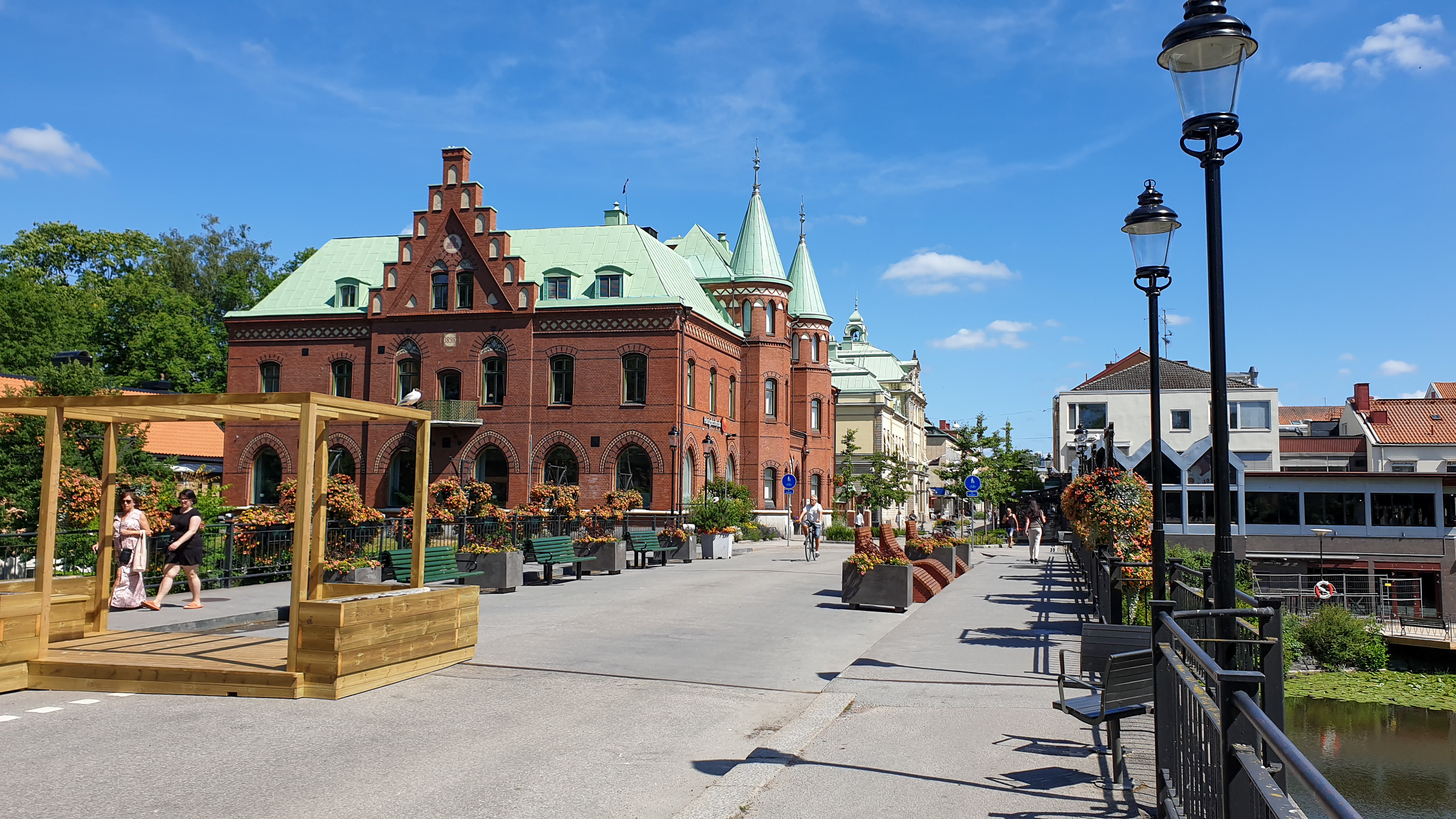
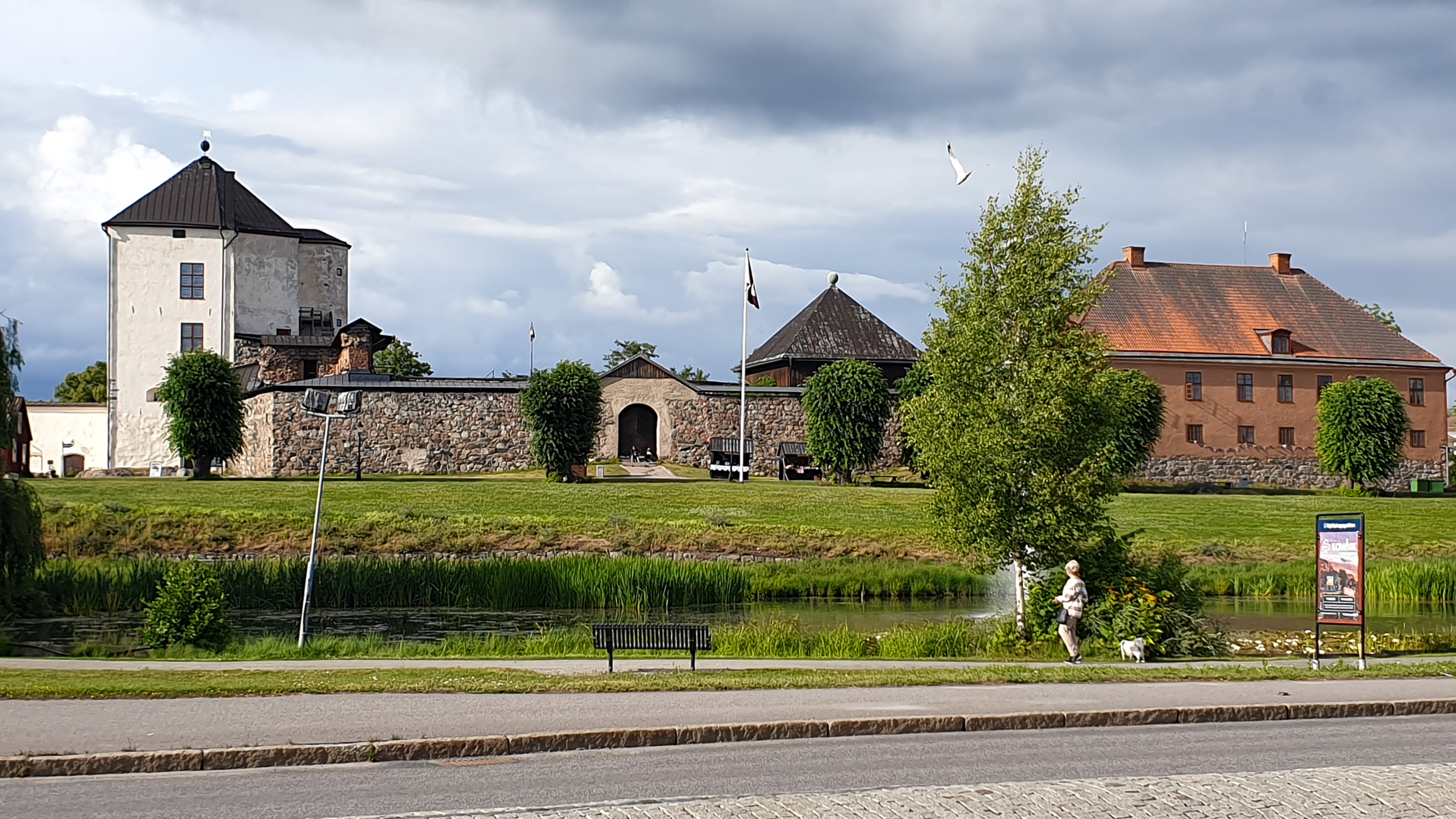
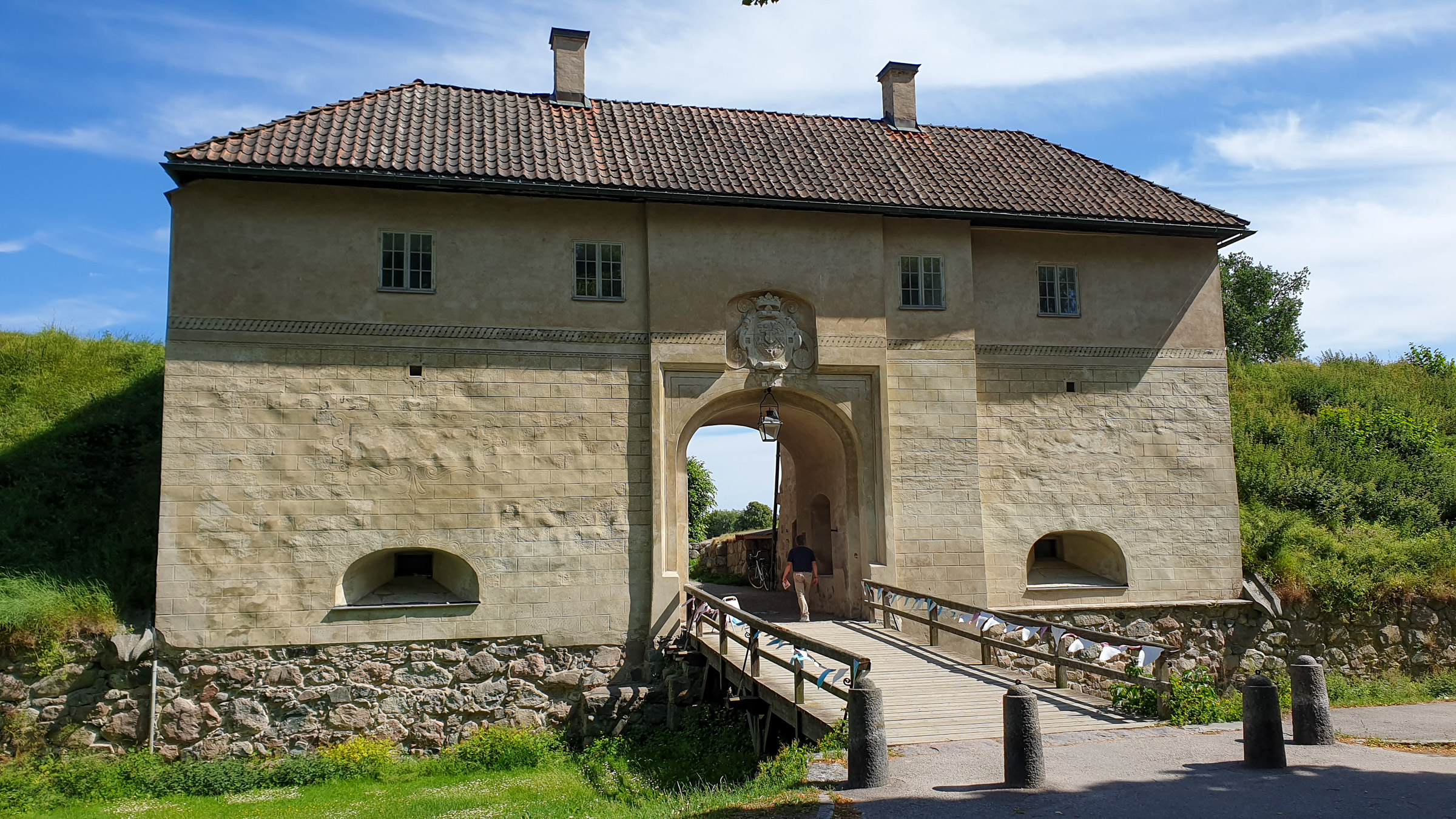
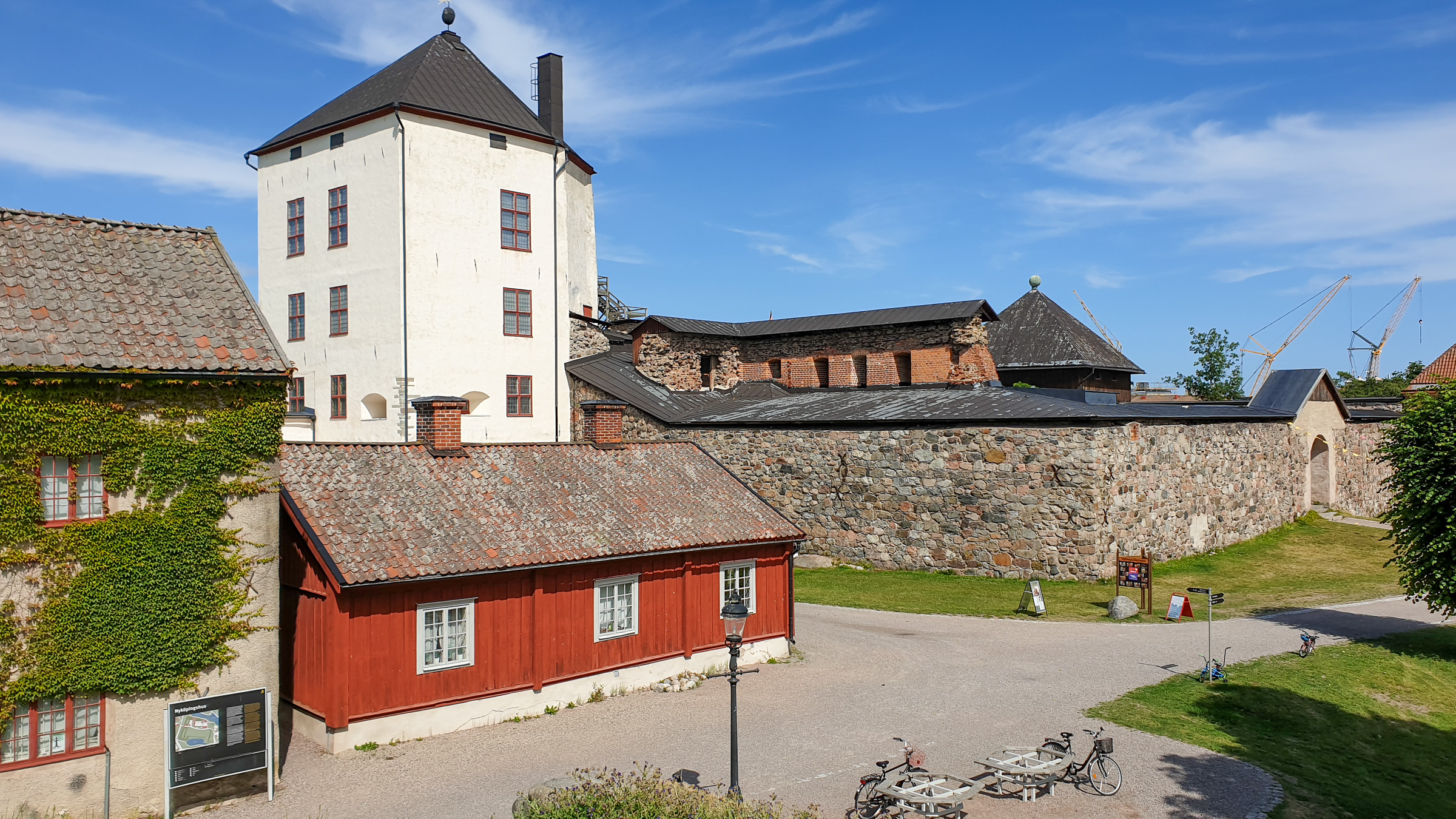
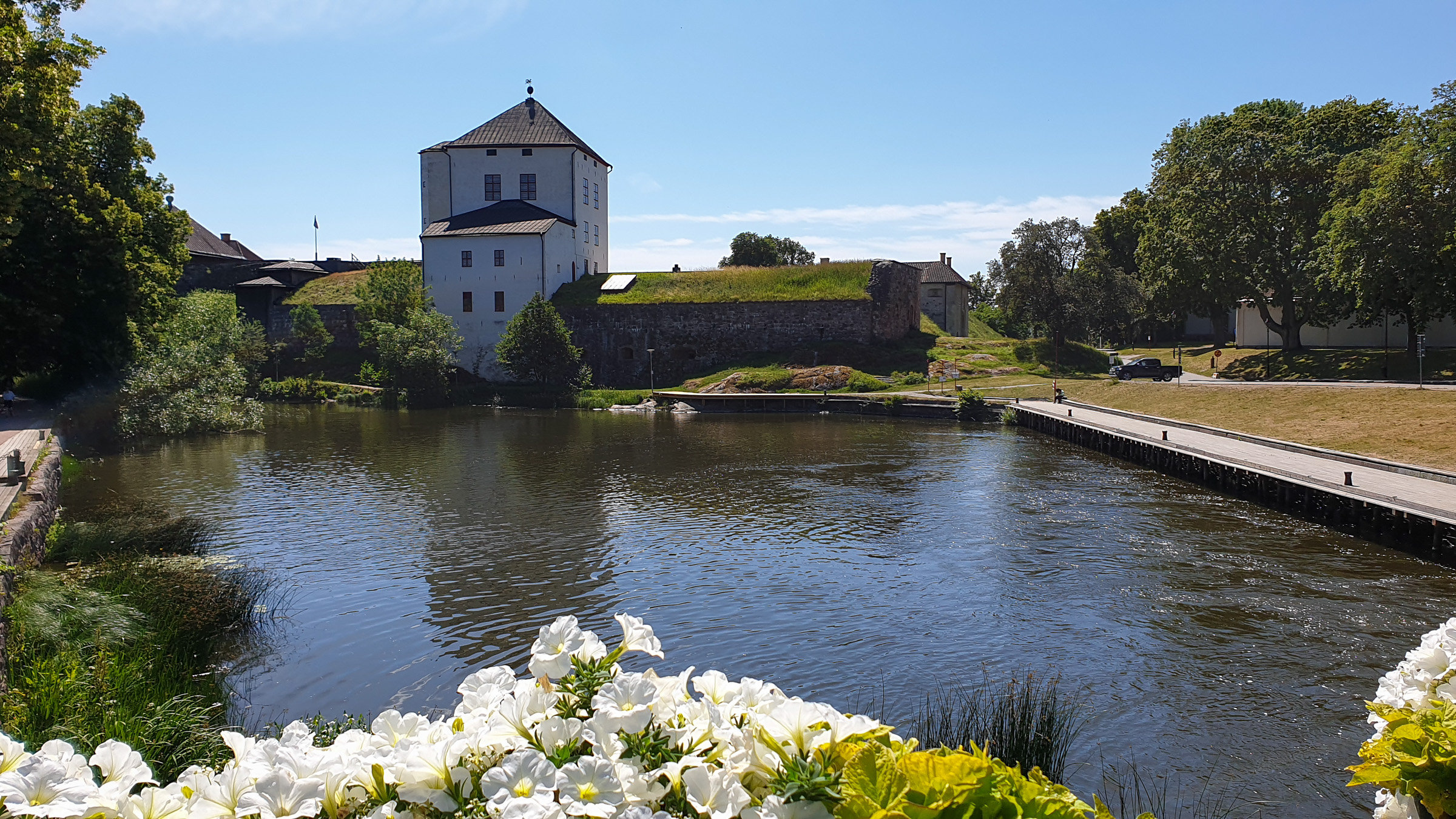
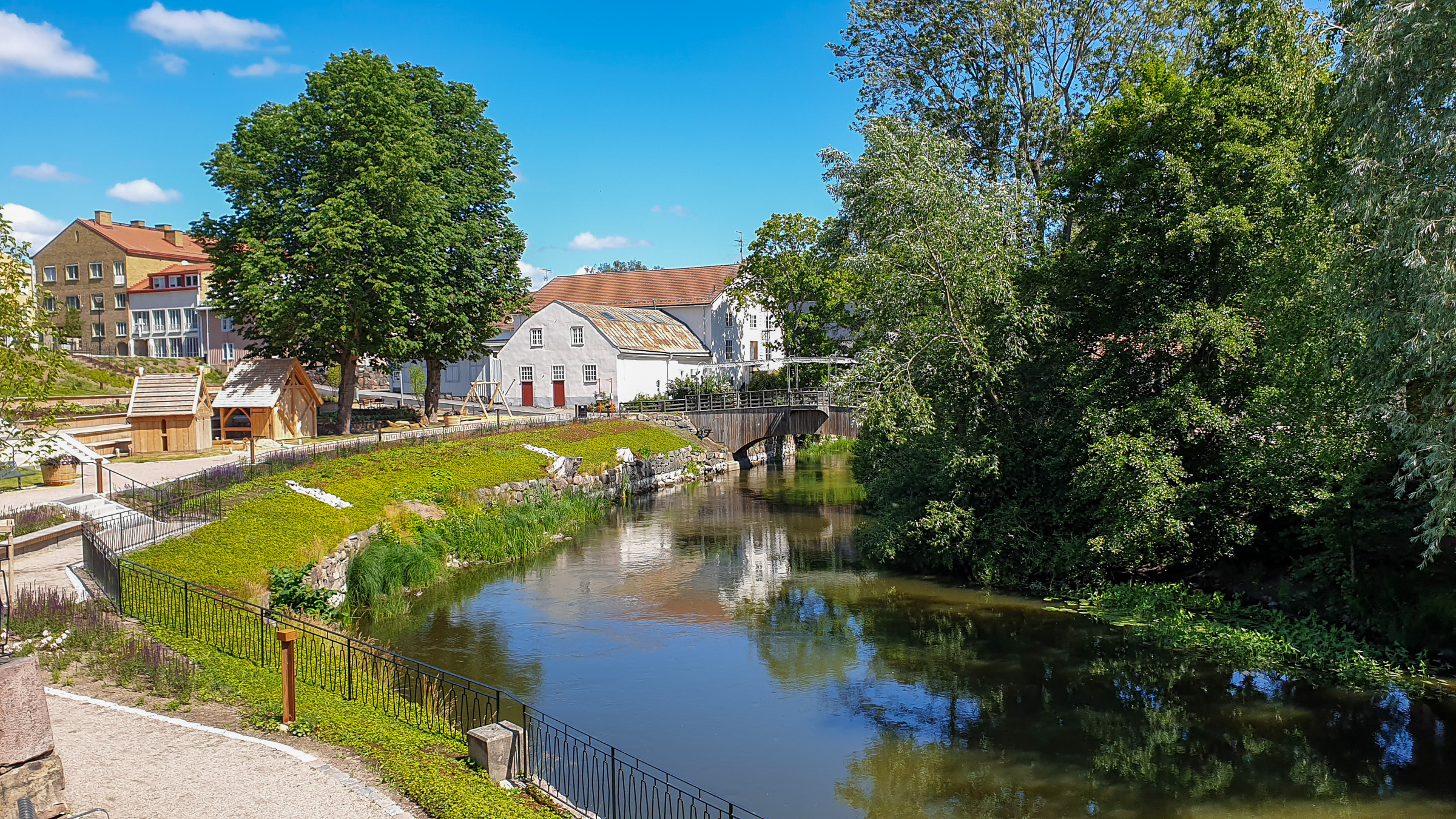
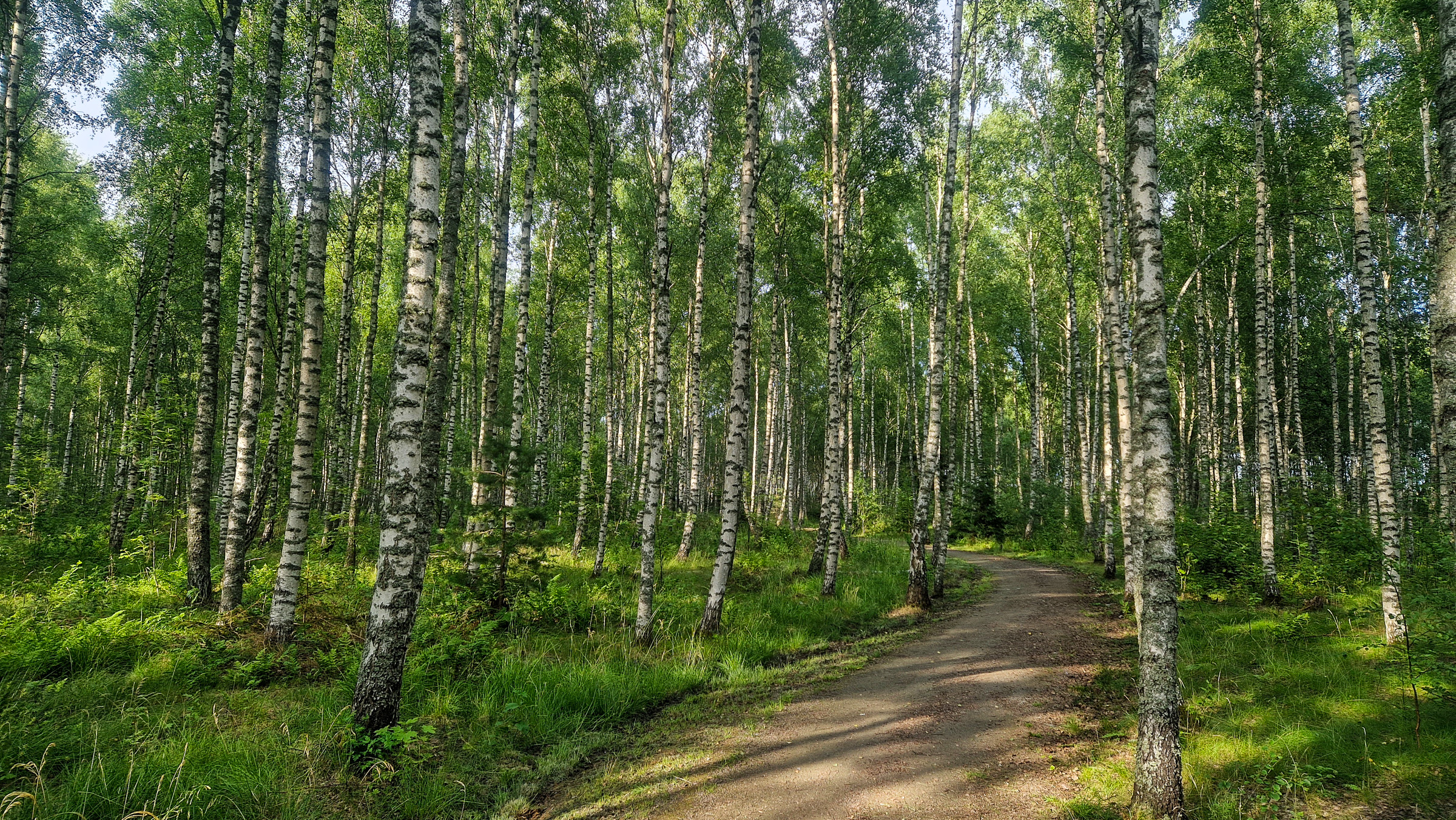
The following two days were devoted to recovery: a round of golf at Nyköping Golf Club, an extended stroll through the town with a visit to Nyköpinghus, and later a bike tour.
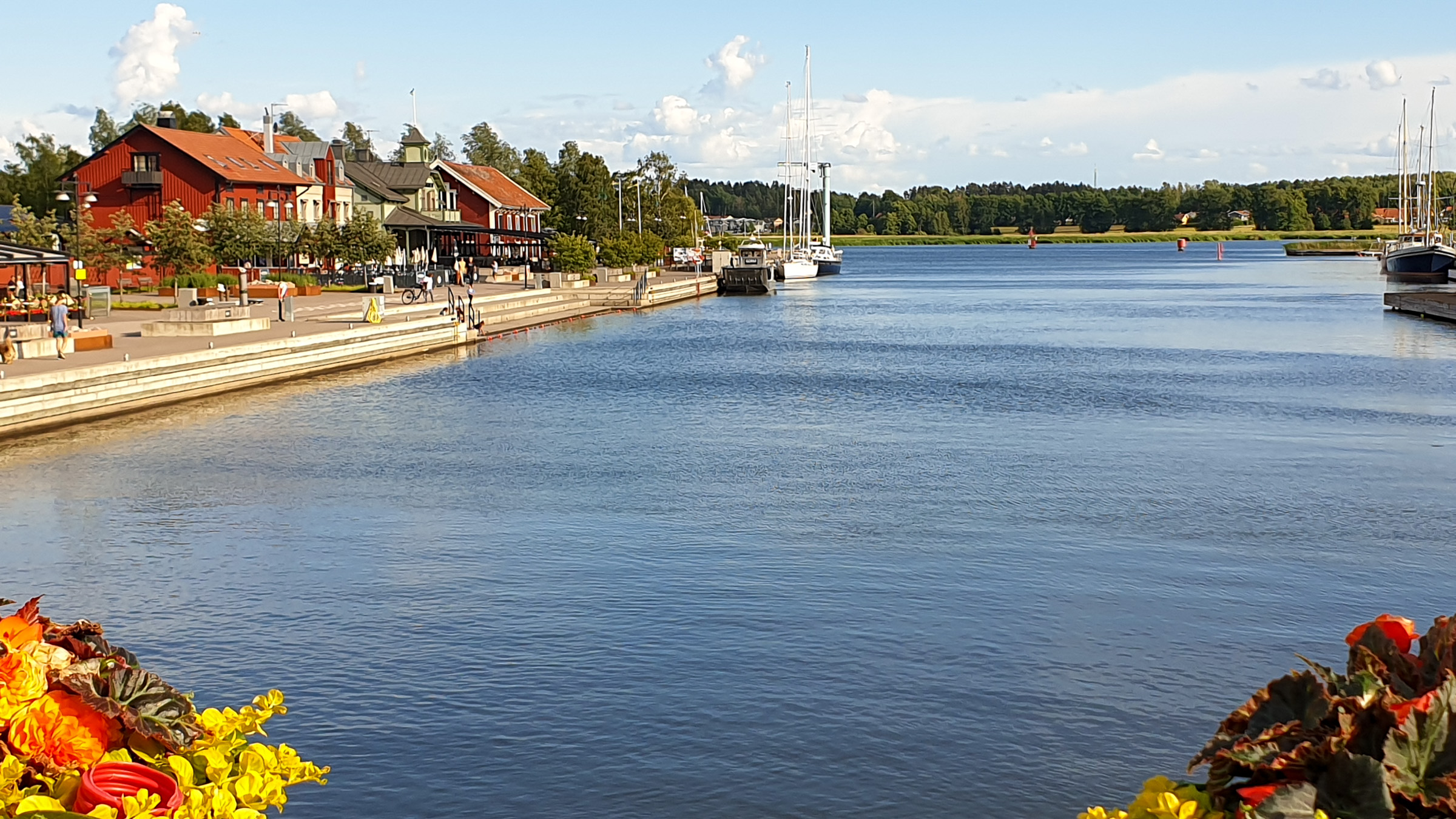
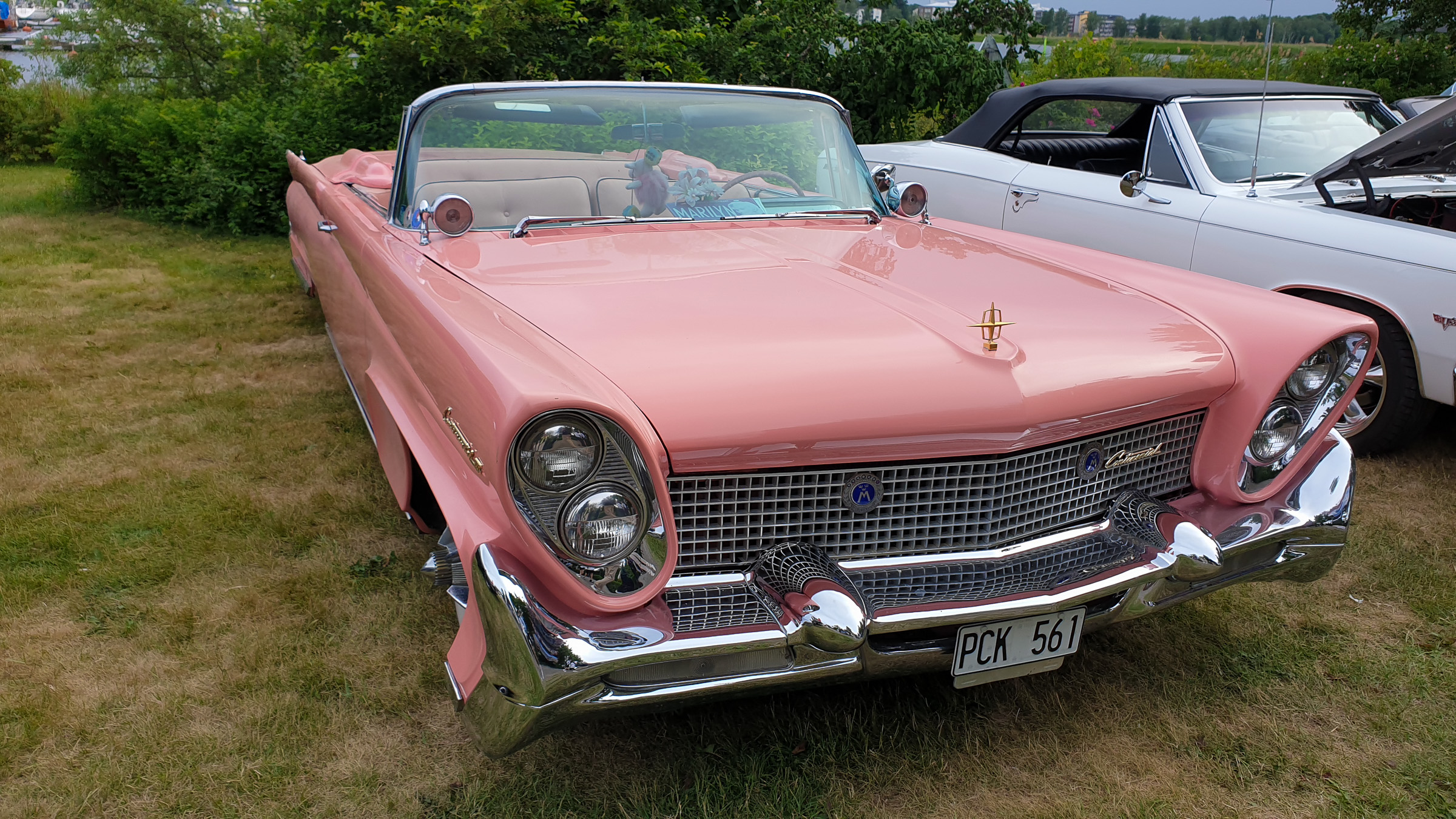
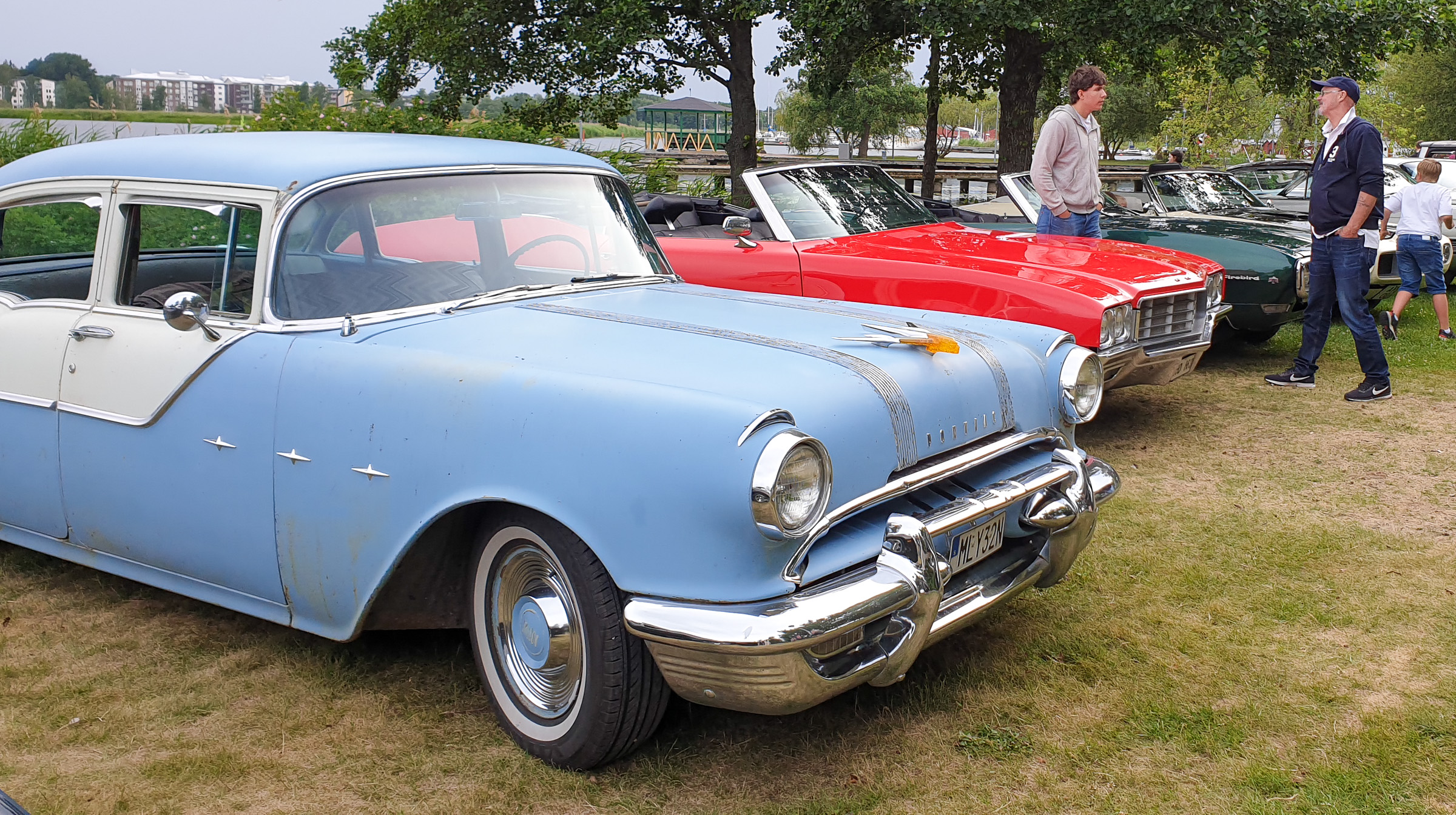
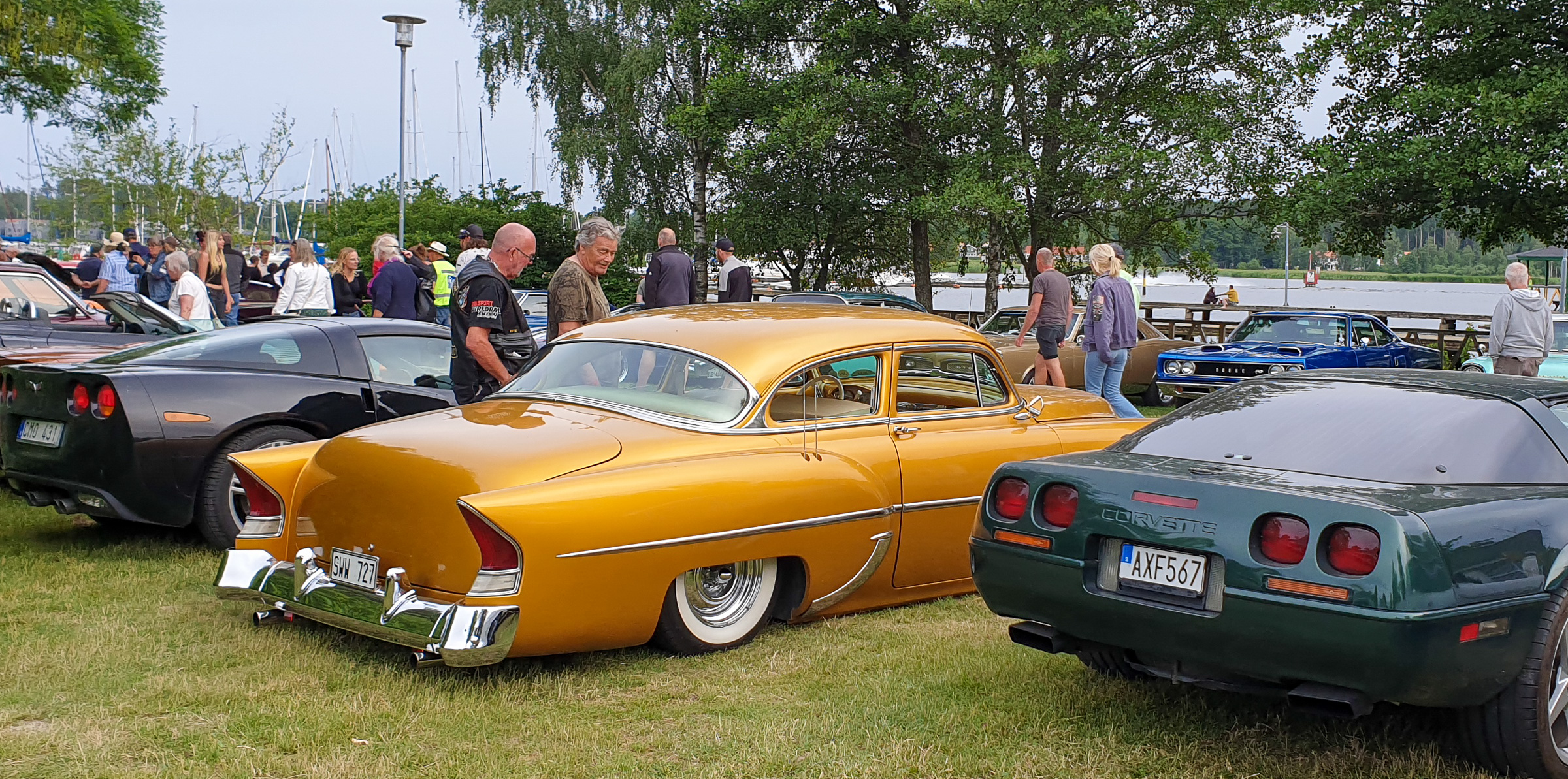
On the afternoon before our departure, a large classic car meet took place in the harbour right in front of our boat. An unexpected and interesting finale—before we continued on the following day.

Leave a reply