

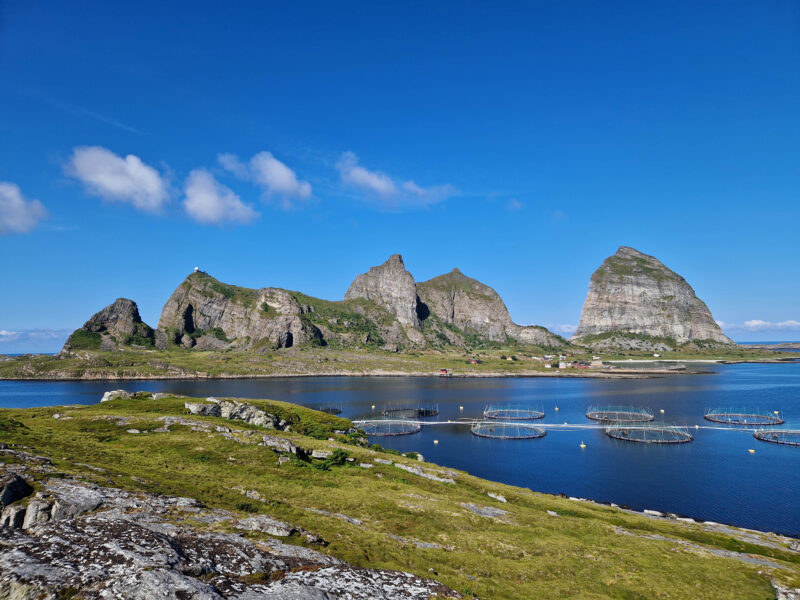
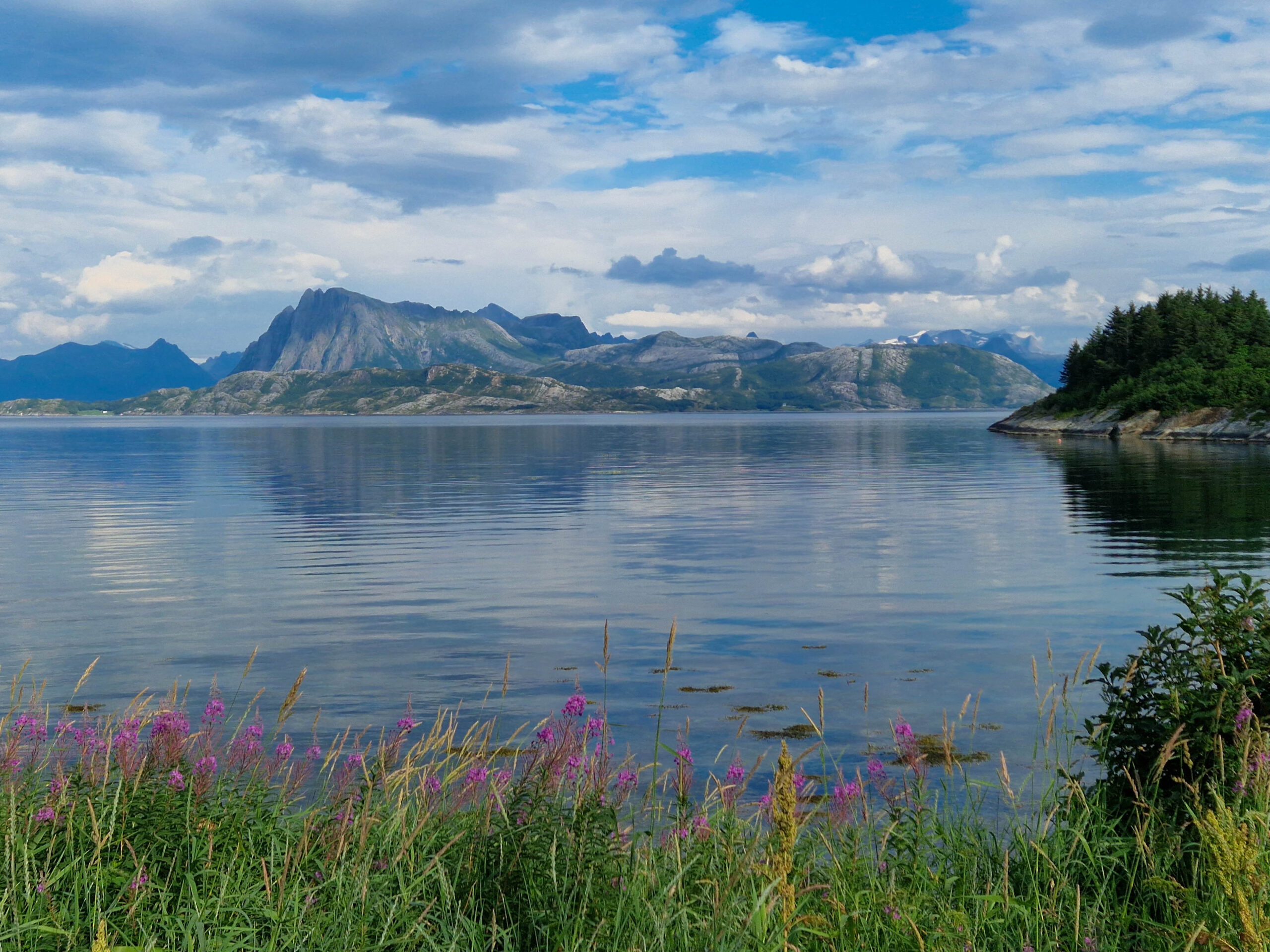
Helgeland has been the real discovery of our journey along the Norwegian coast so far. Everyone has heard of the Geirangerfjord, the Lofoten are legendary anyway – and since James Bond, the Atlantic Road has ranked high on every tourist’s list. But Helgeland? Only the insiders talk about it, even though it is an unusually beautiful stretch of coast, full of spectacular islands and natural wonders.
Our first highlight: arriving in Herøy and seeing the Seven Sisters, the striking mountain range south of Sandnessjøen. We spend a day on the island, take an extended walk, and soak in this quiet, magnificent landscape.
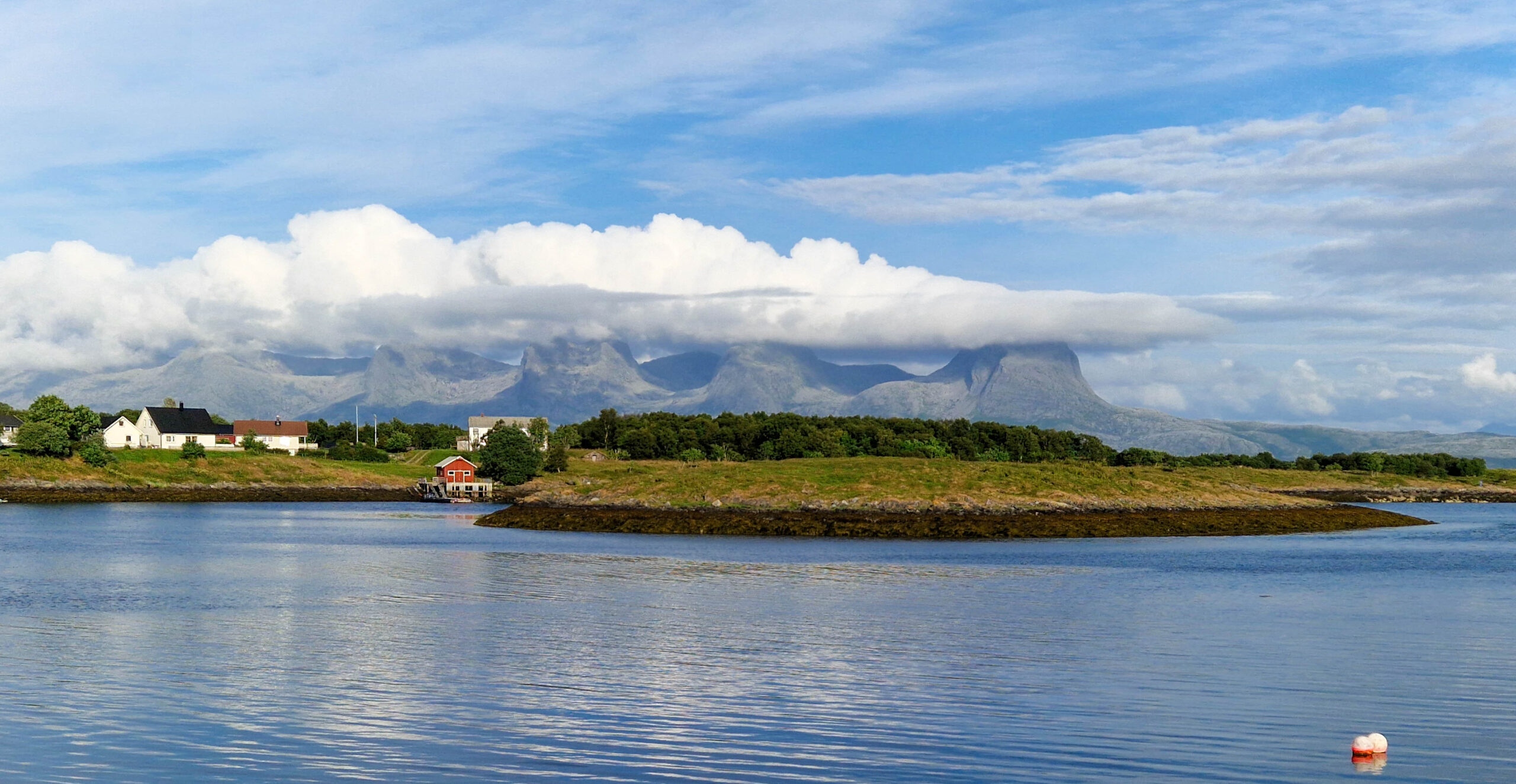
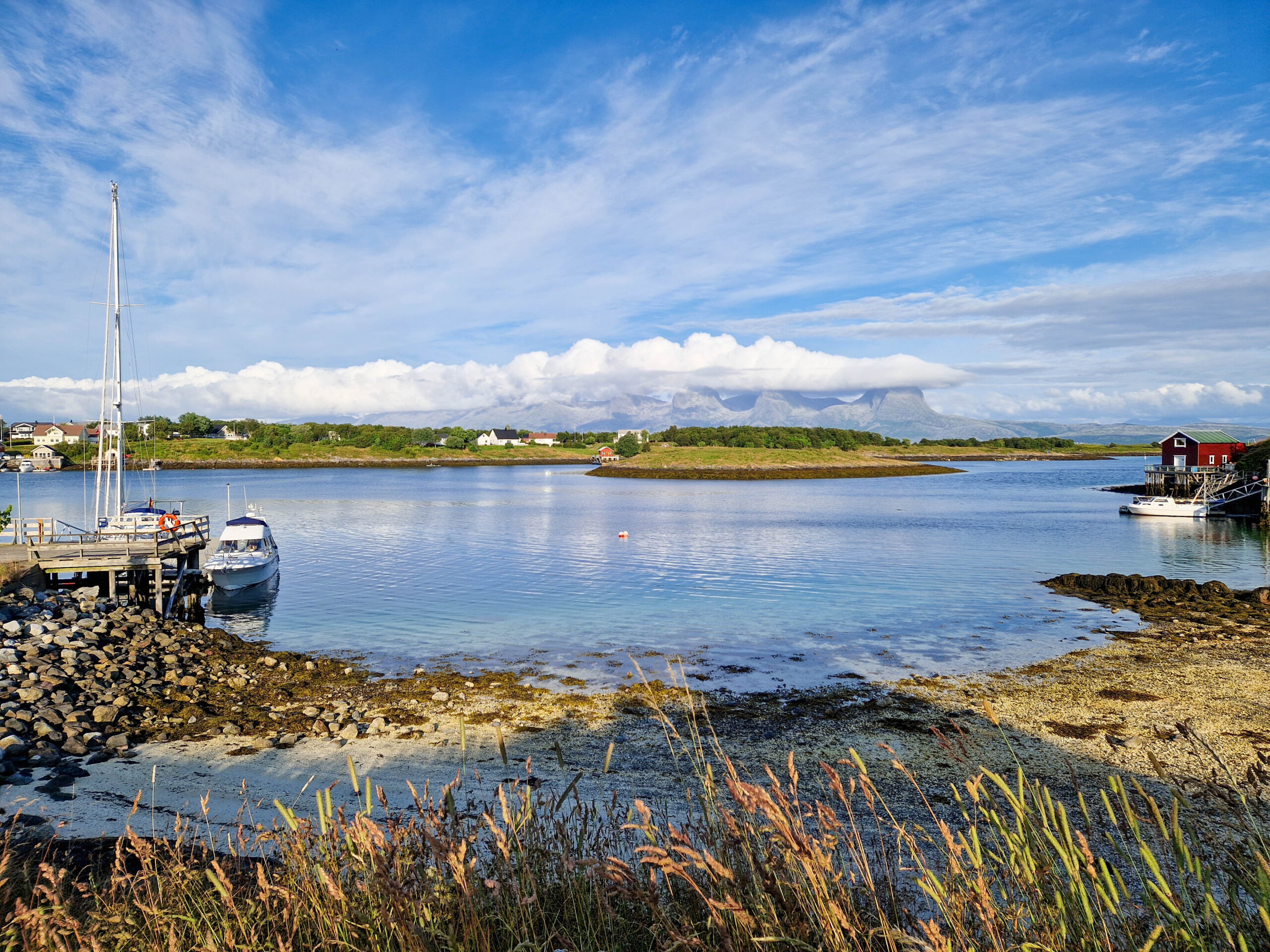
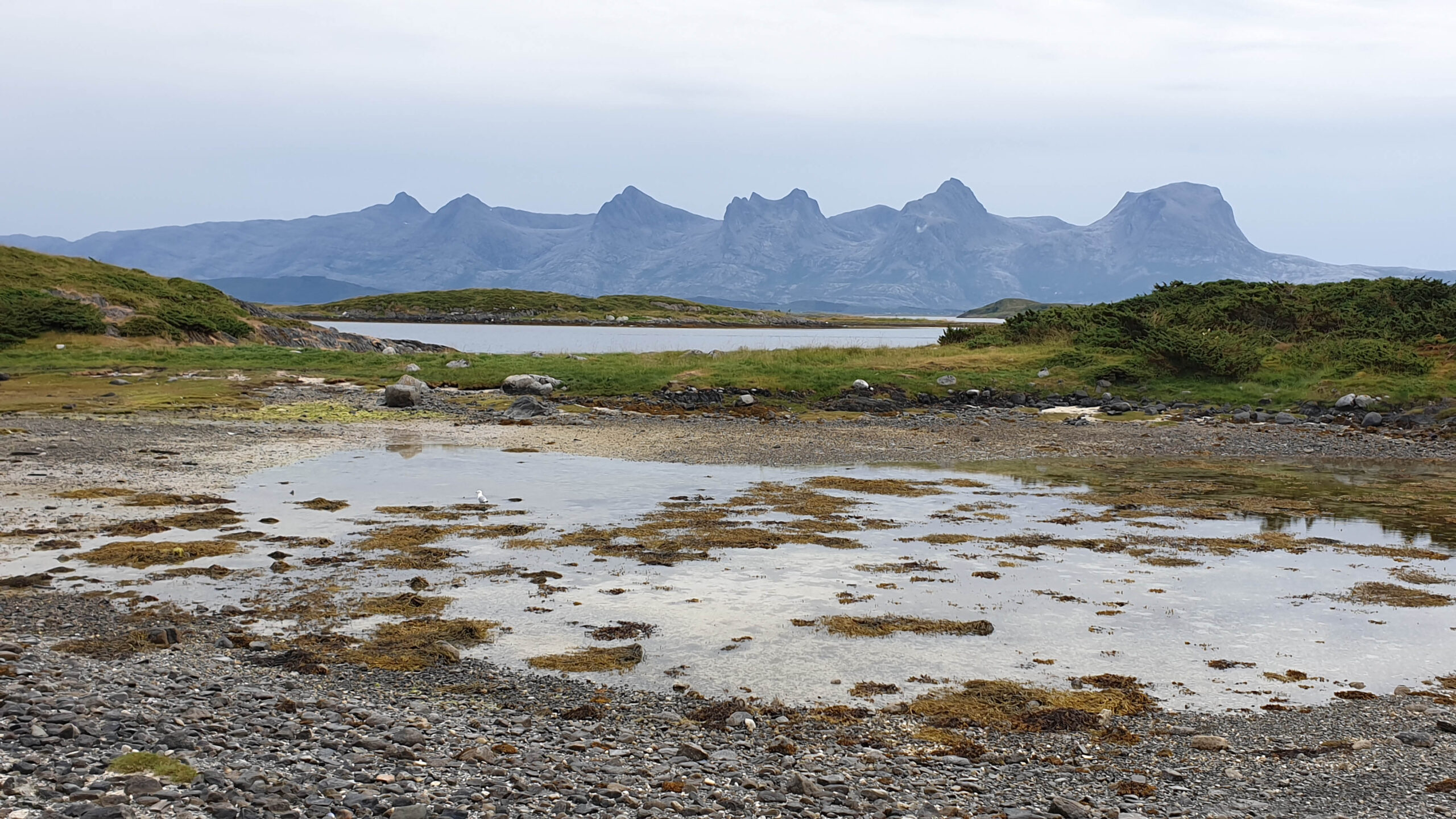
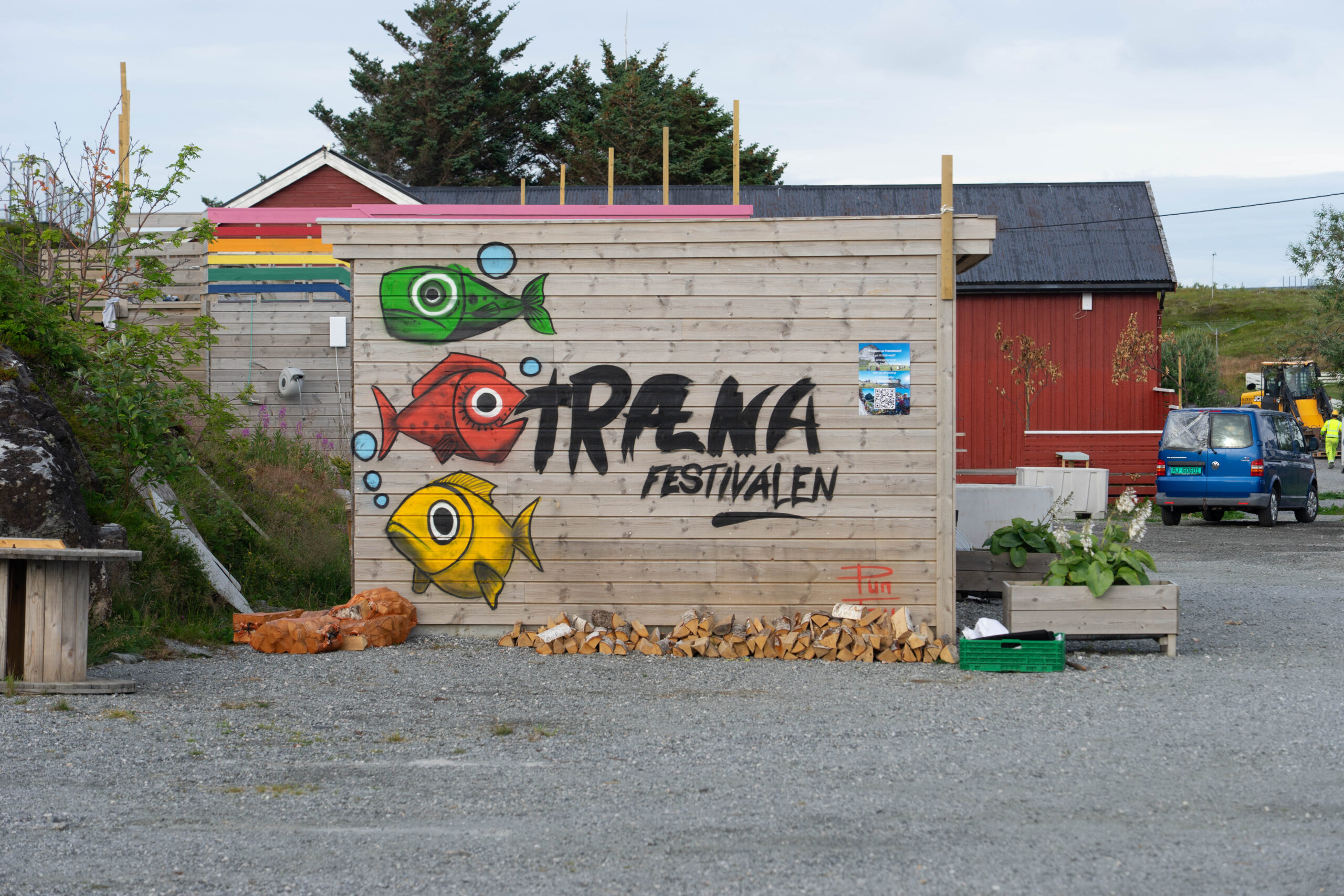
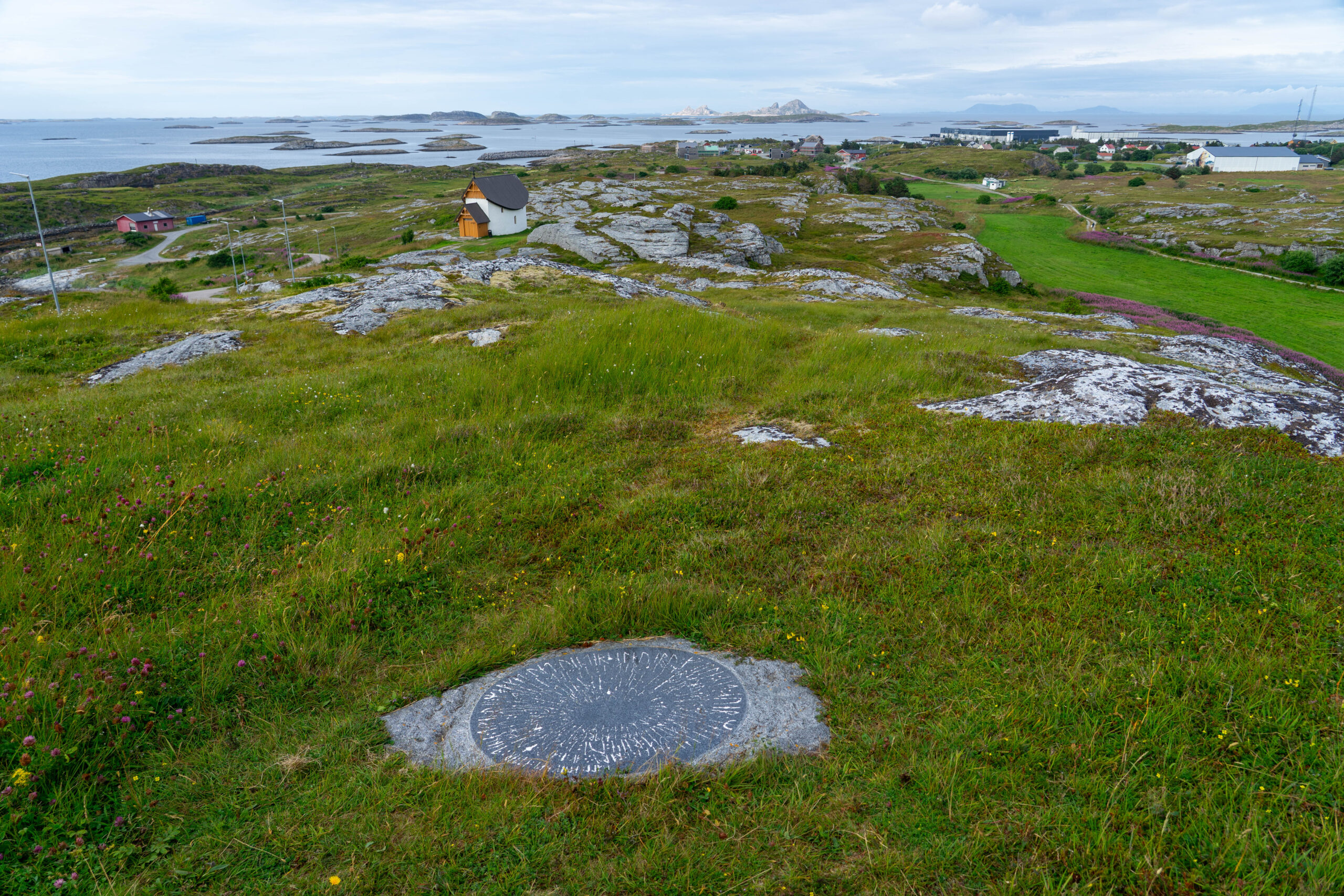
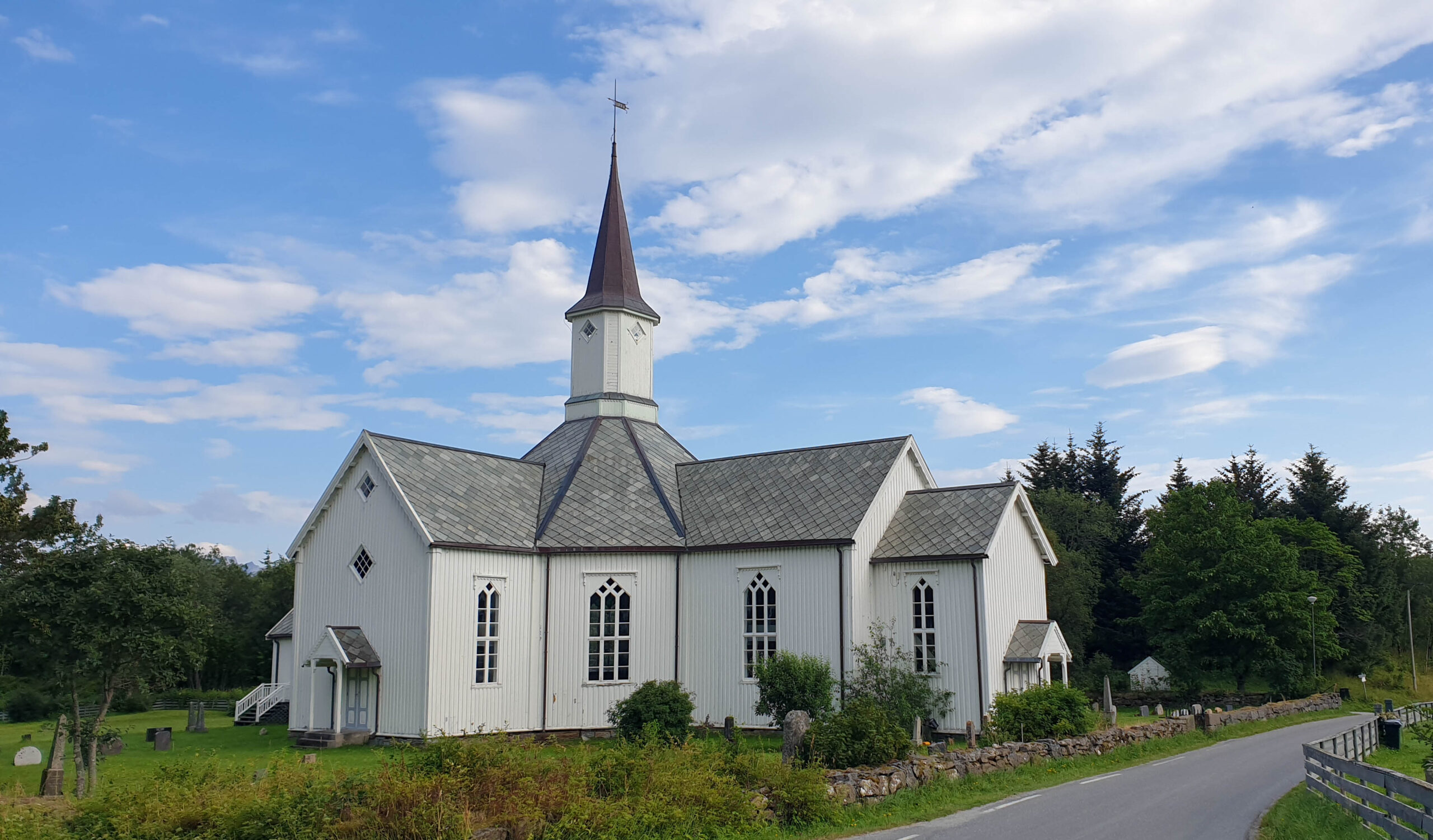
The following day, we continue to Husøya / Træna, one of Norway’s most remote island groups. Hardly had we arrived when we went for an evening walk around the island – perfect light and fantastic photo opportunities.
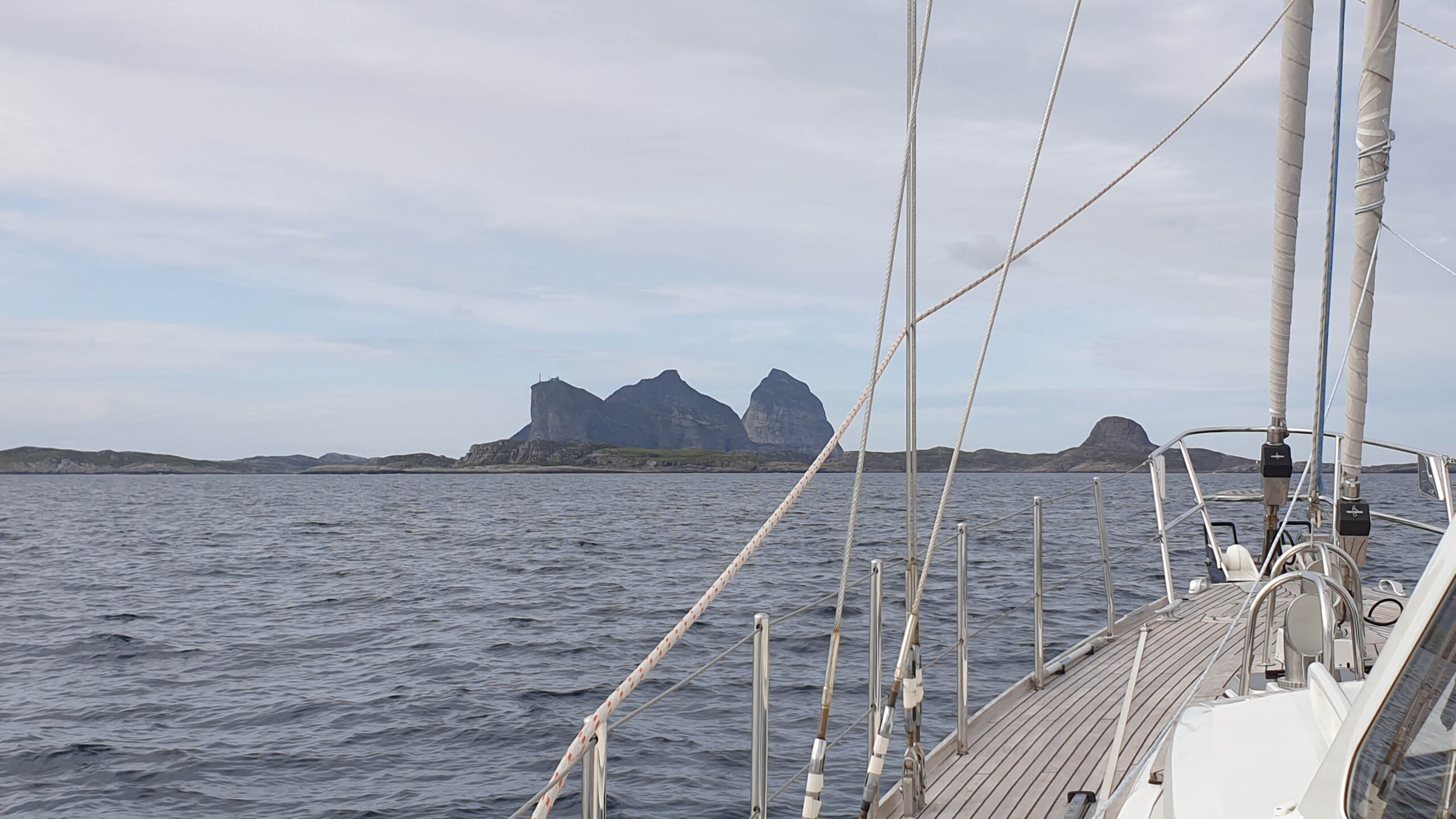
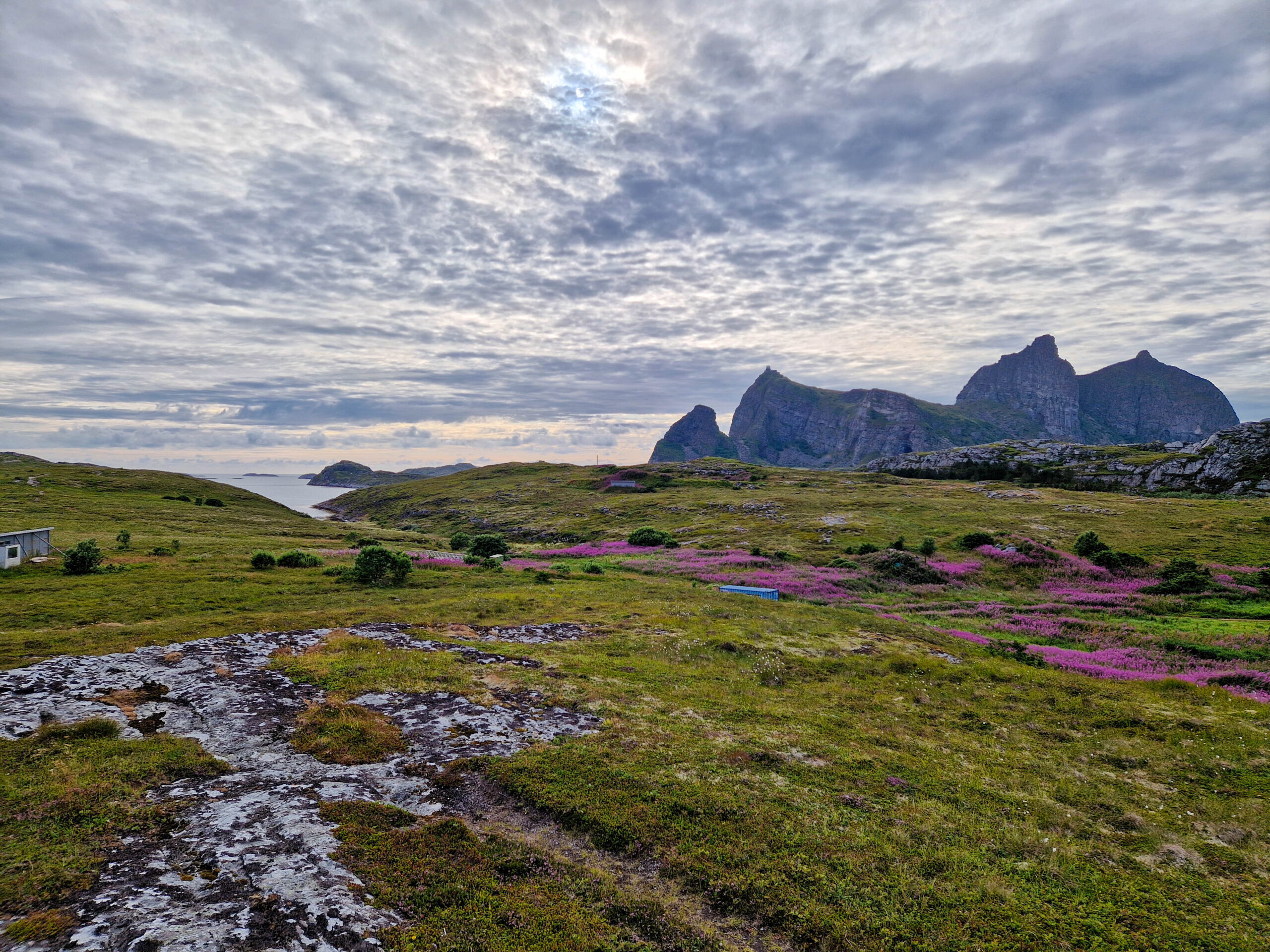
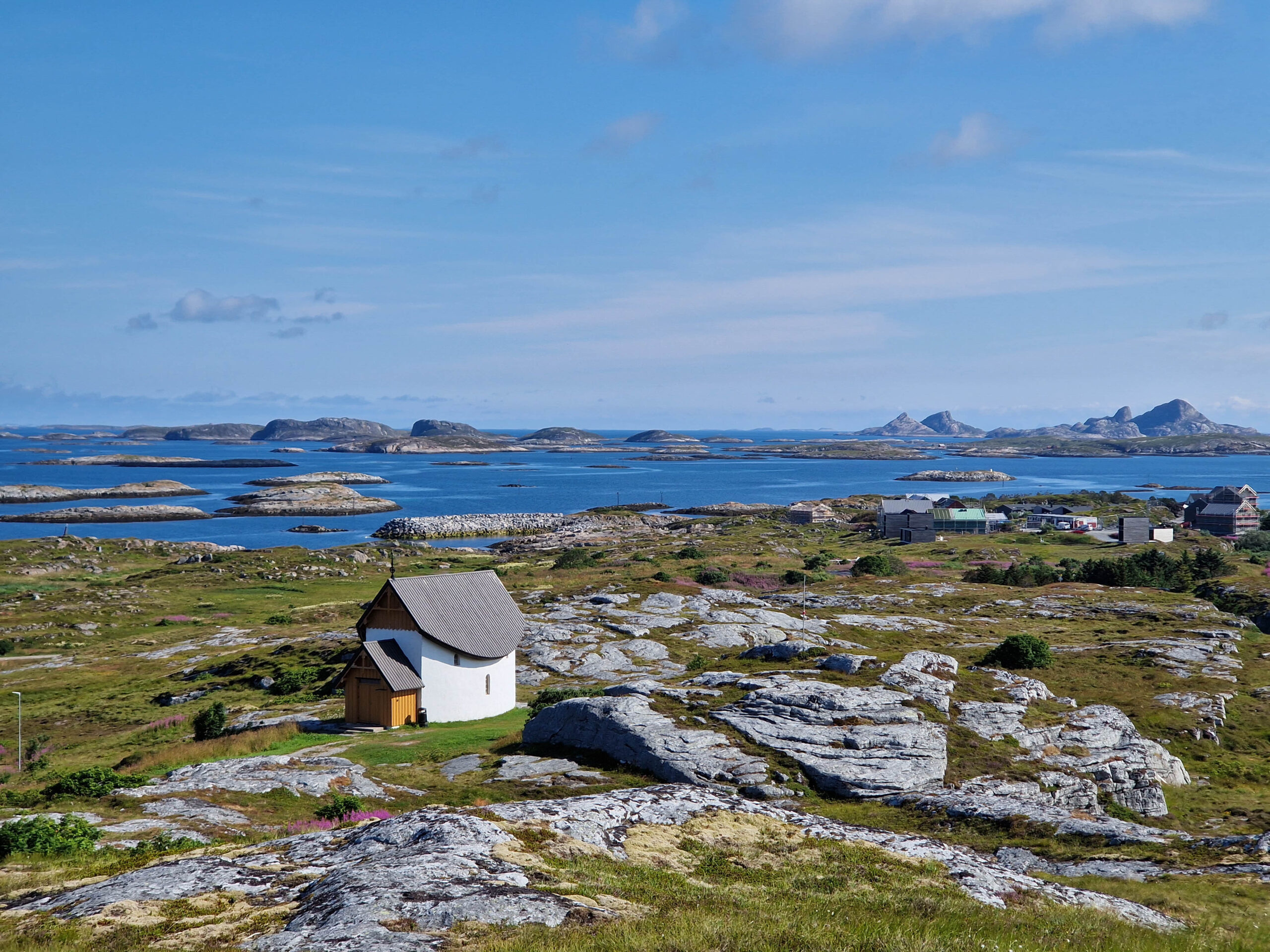
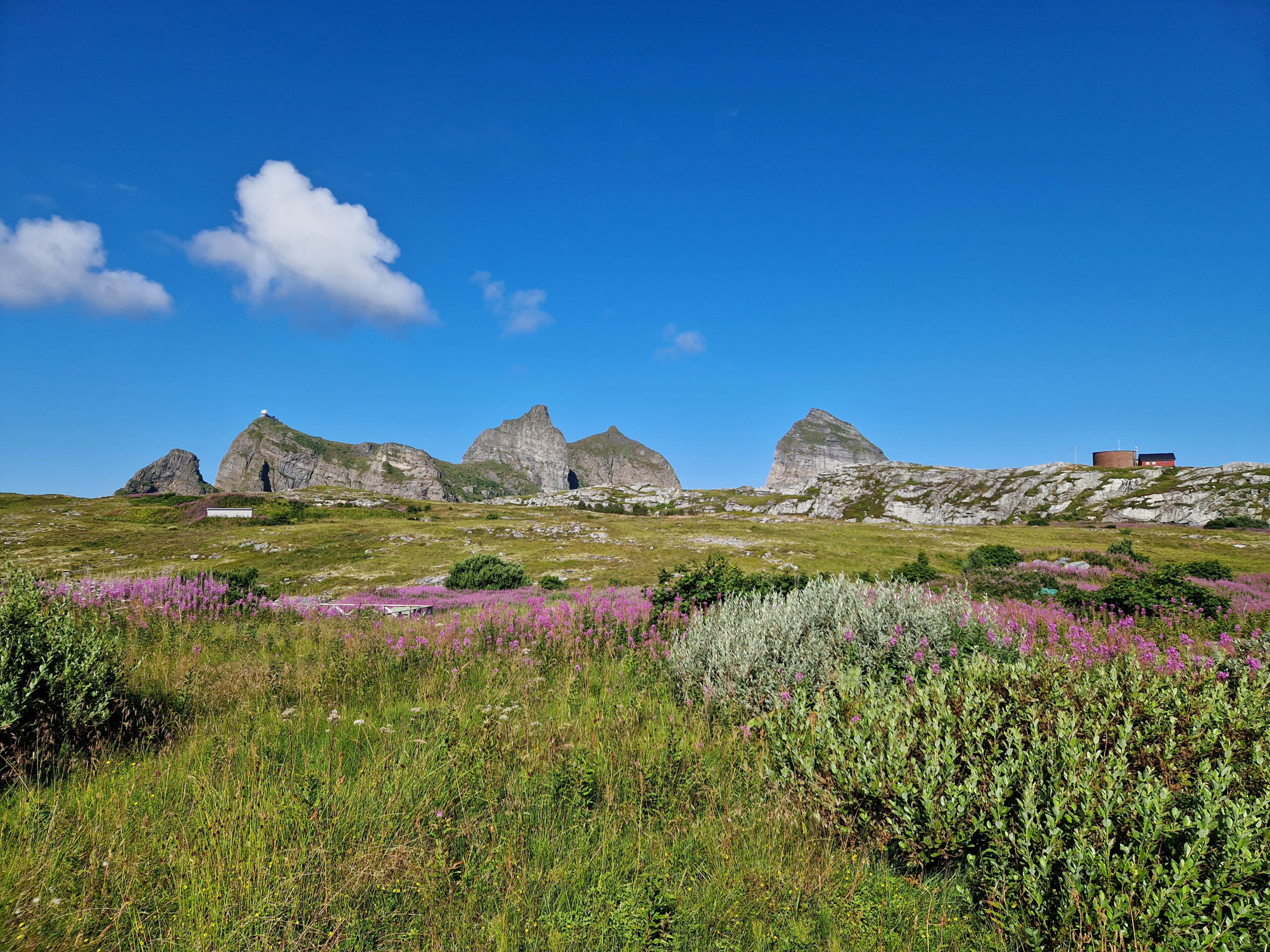
The next morning brought a small logistical adventure: at the local general store, we actually managed to get engine oil for the dinghy, which had been in urgent need since Halten. A lucky find, as our plan was to take the ferry to the neighbouring island of Sanna. One small detail we had missed: the ferry doesn’t run on Tuesdays. So we went by dinghy – and thanks to the fresh oil, that was no problem.
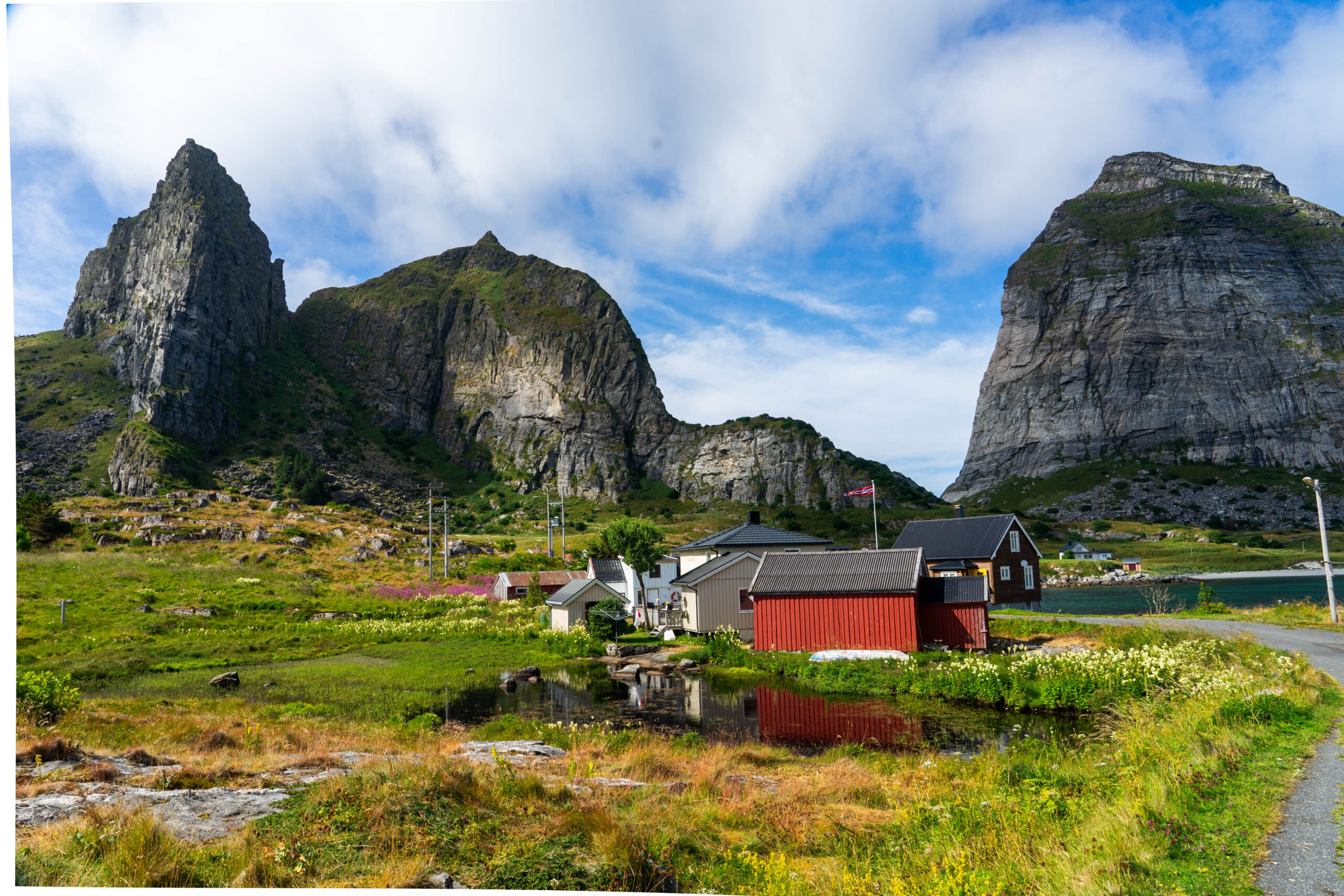
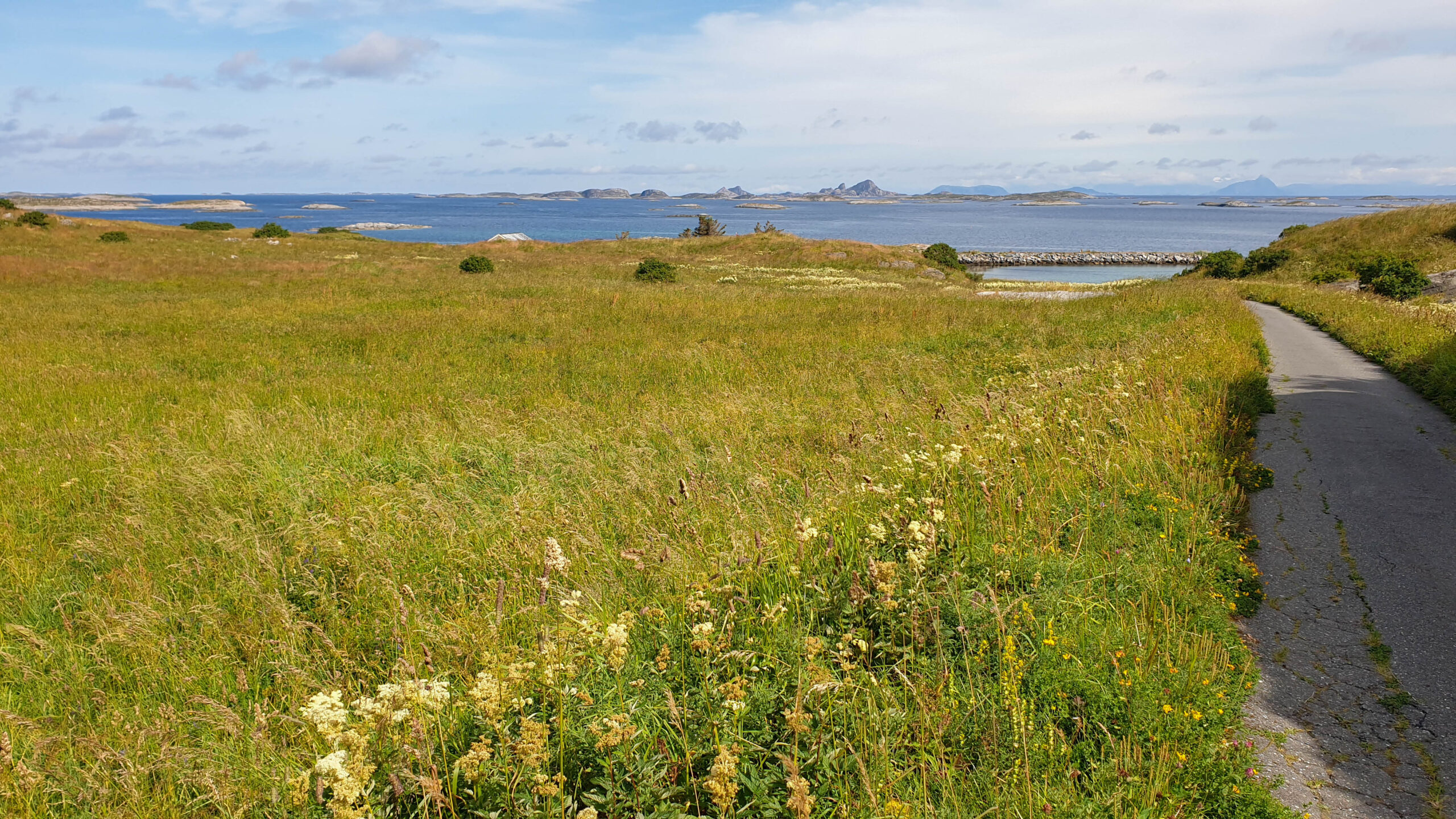
Sanna immediately impressed us. The hike around the island is varied, rugged, and beautiful. Of course, we also tested the famous acoustics of the cave where part of the Træna Festival takes place – though more with shouting and yelling than singing. The concerts must sound truly extraordinary there, and the location itself is already unique.
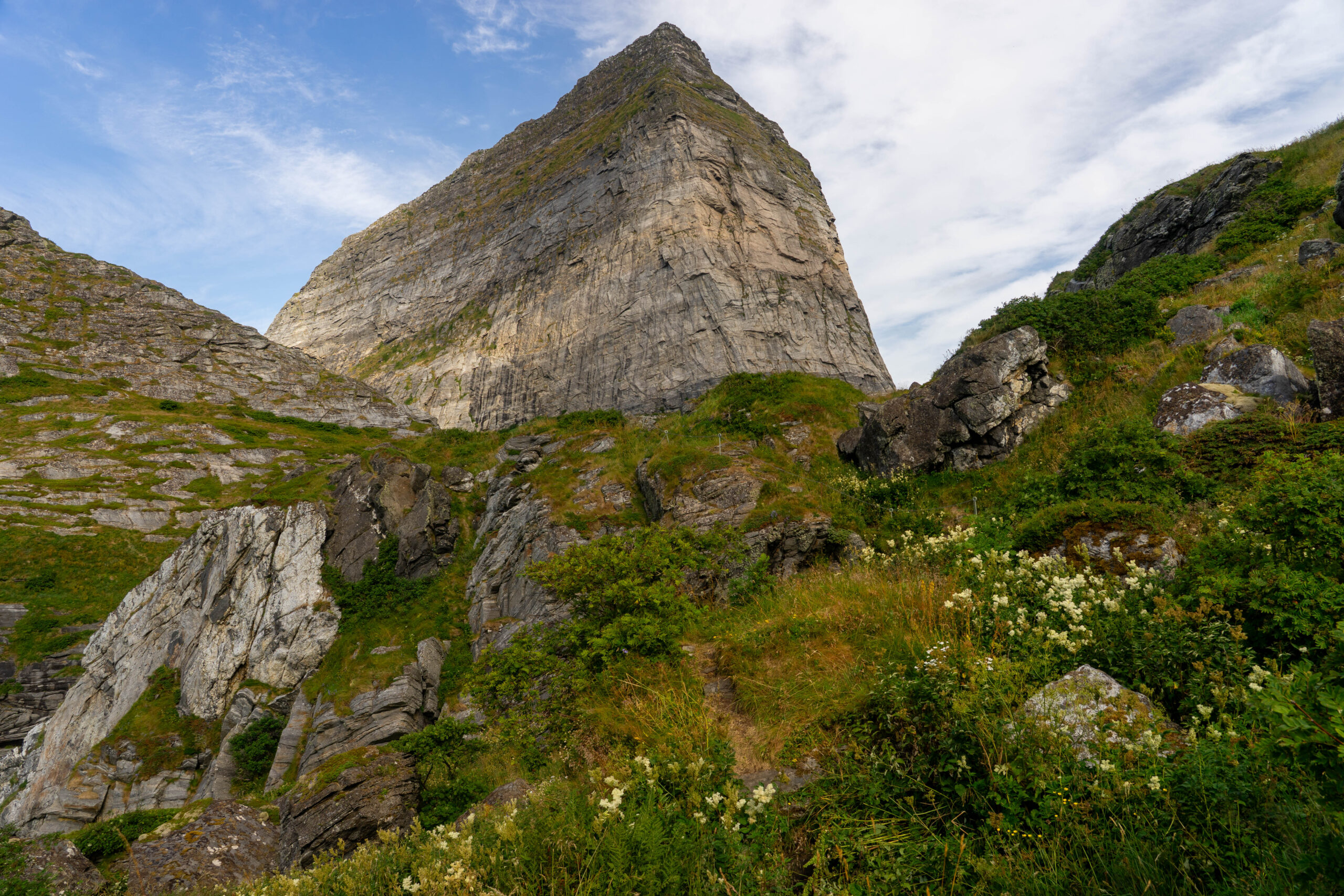
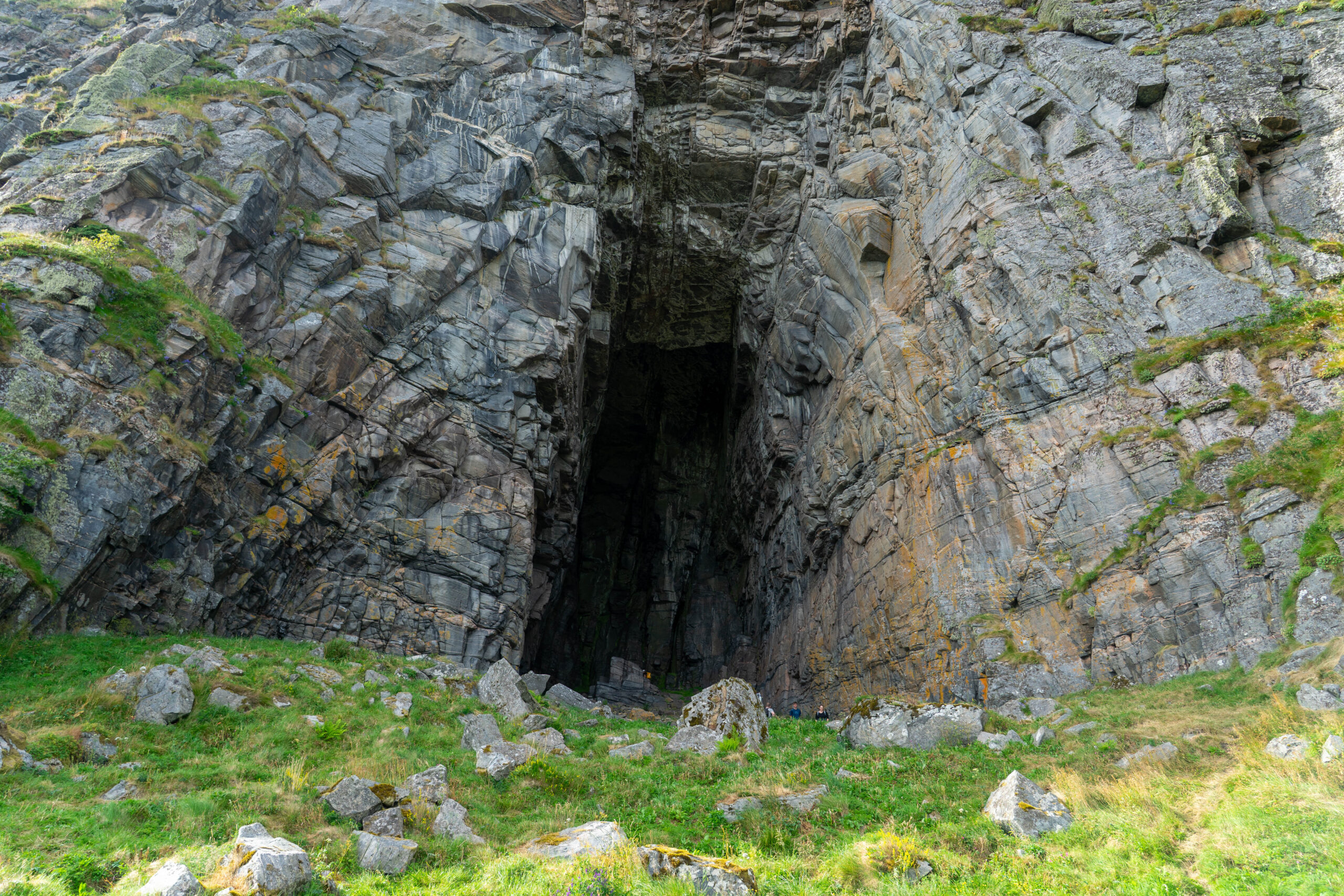
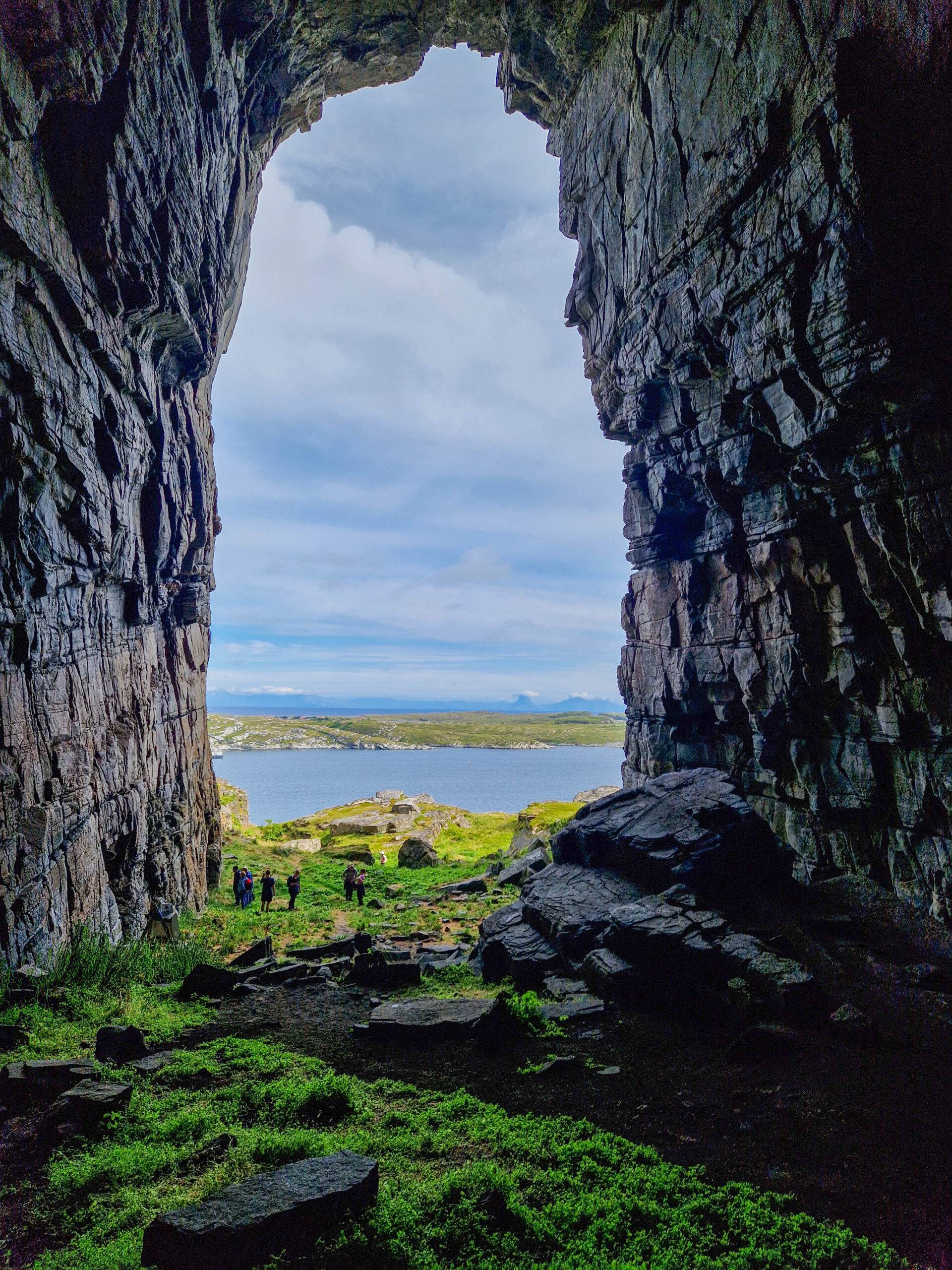
The following day turned rainy and stormy – perfect weather to take care of Anori and, as a side task, send off our tax return. Real life has a way of catching up with you, even on the edge of the North Atlantic.
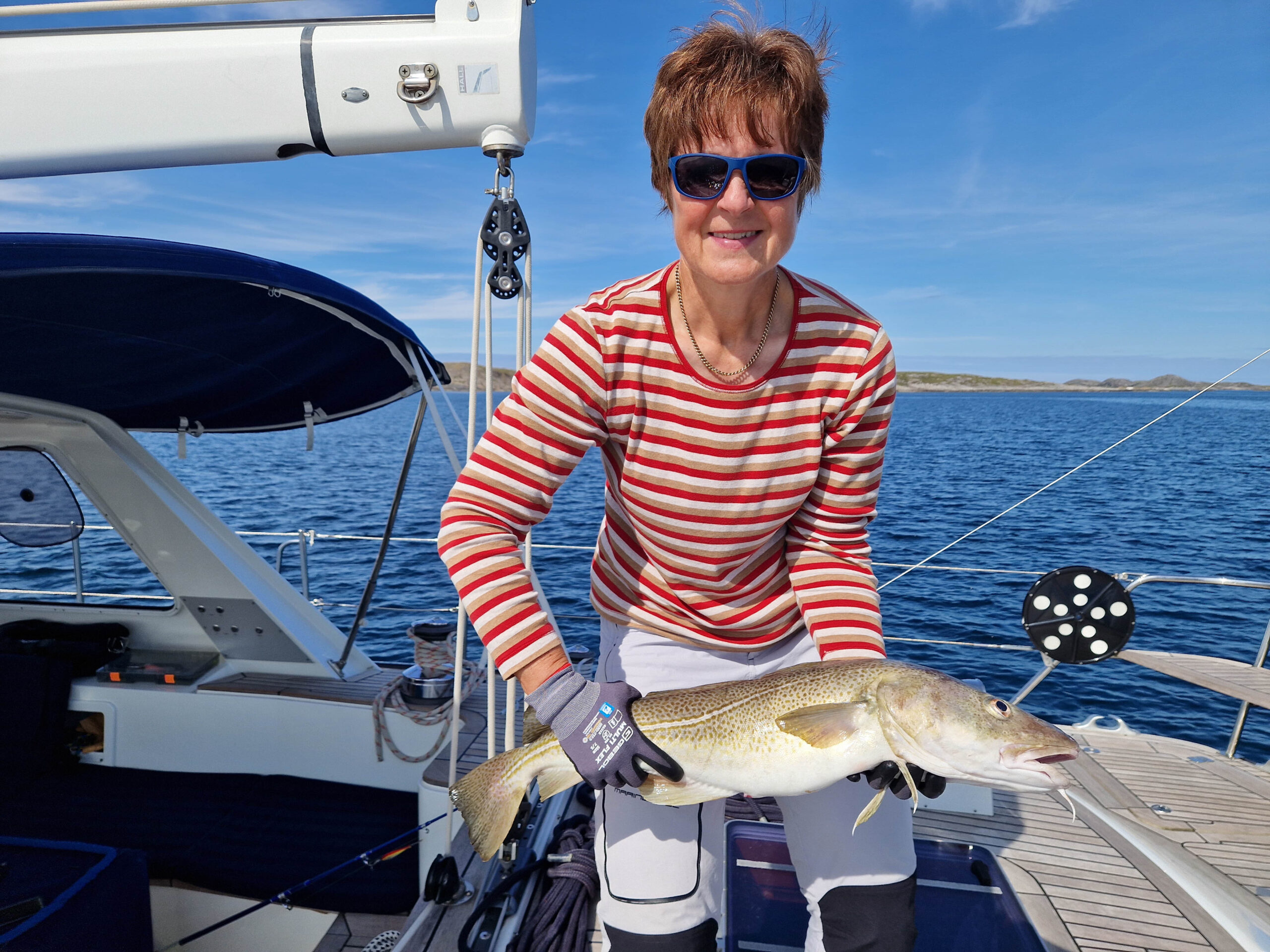
Next, we continued on to Rødøya. Along the way, we had a culinary highlight: a large cod and a pollack took the bait one after the other. You can’t get any fresher than that – fish for the next few days!
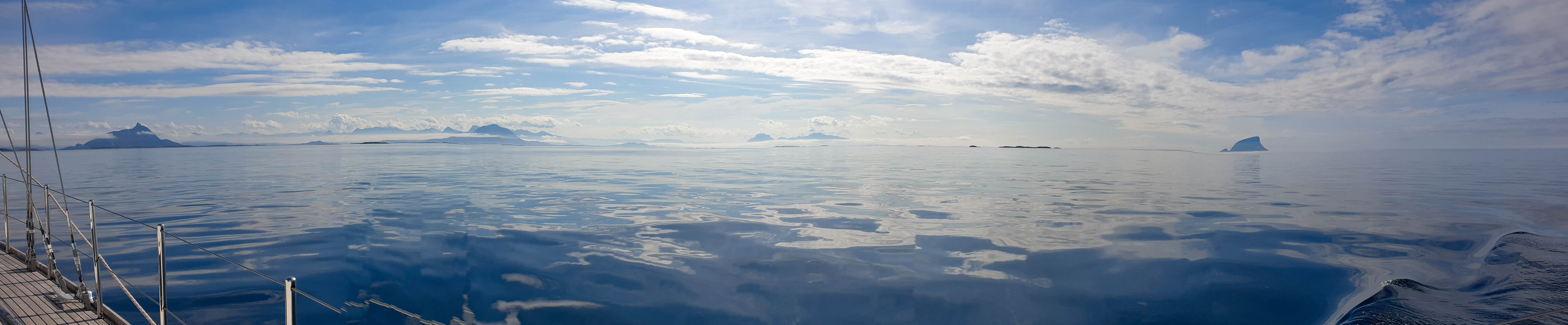
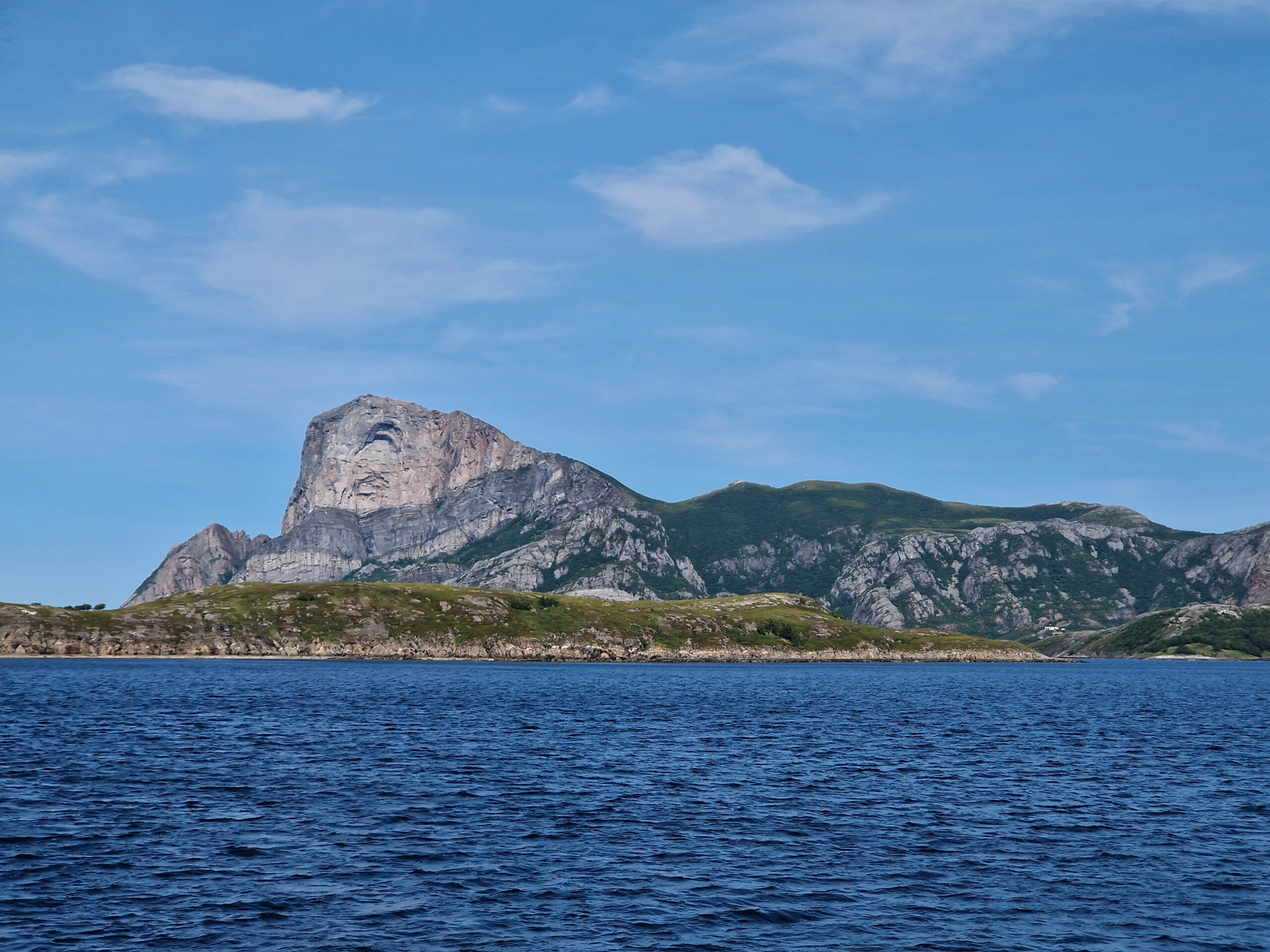
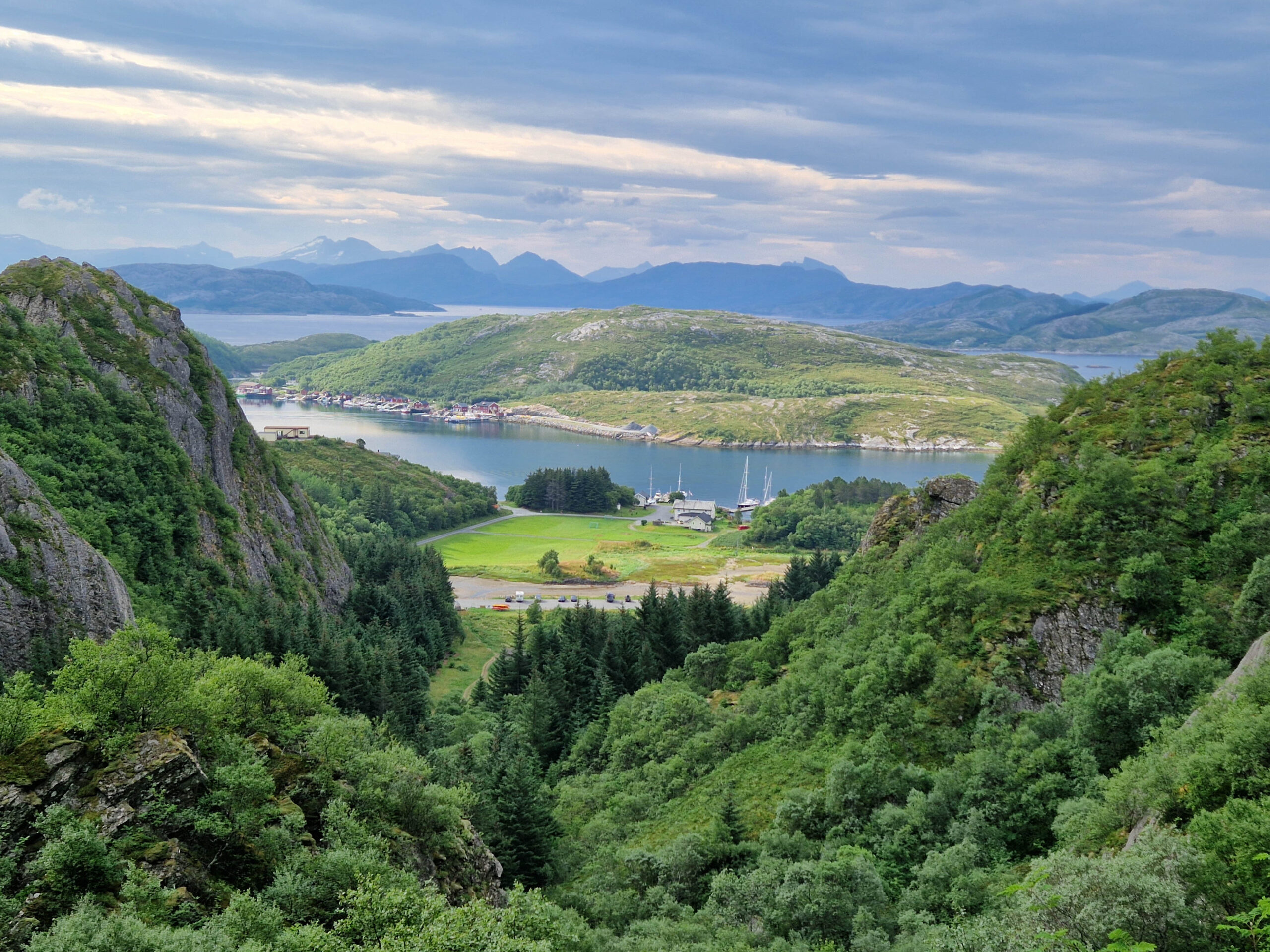
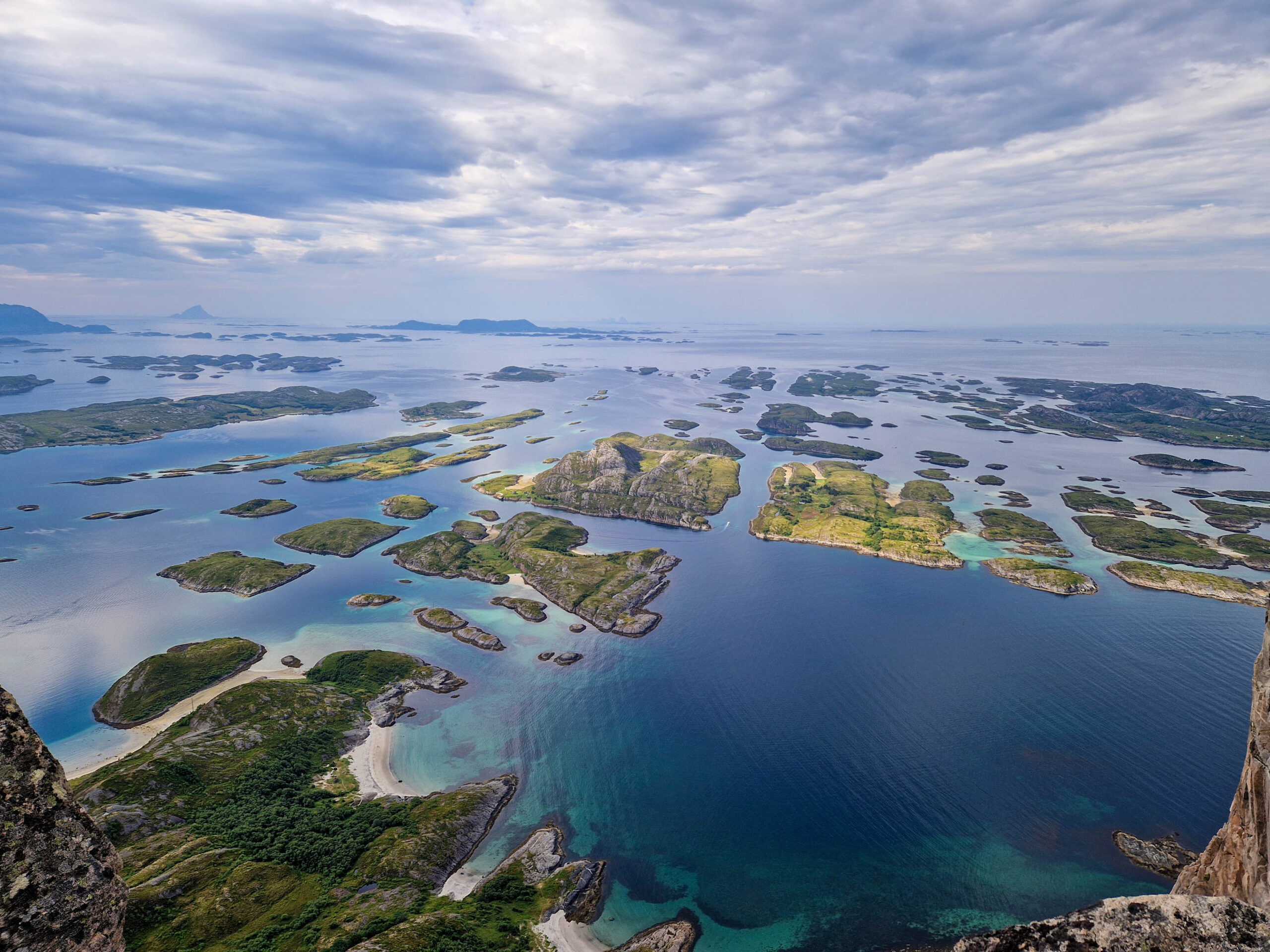
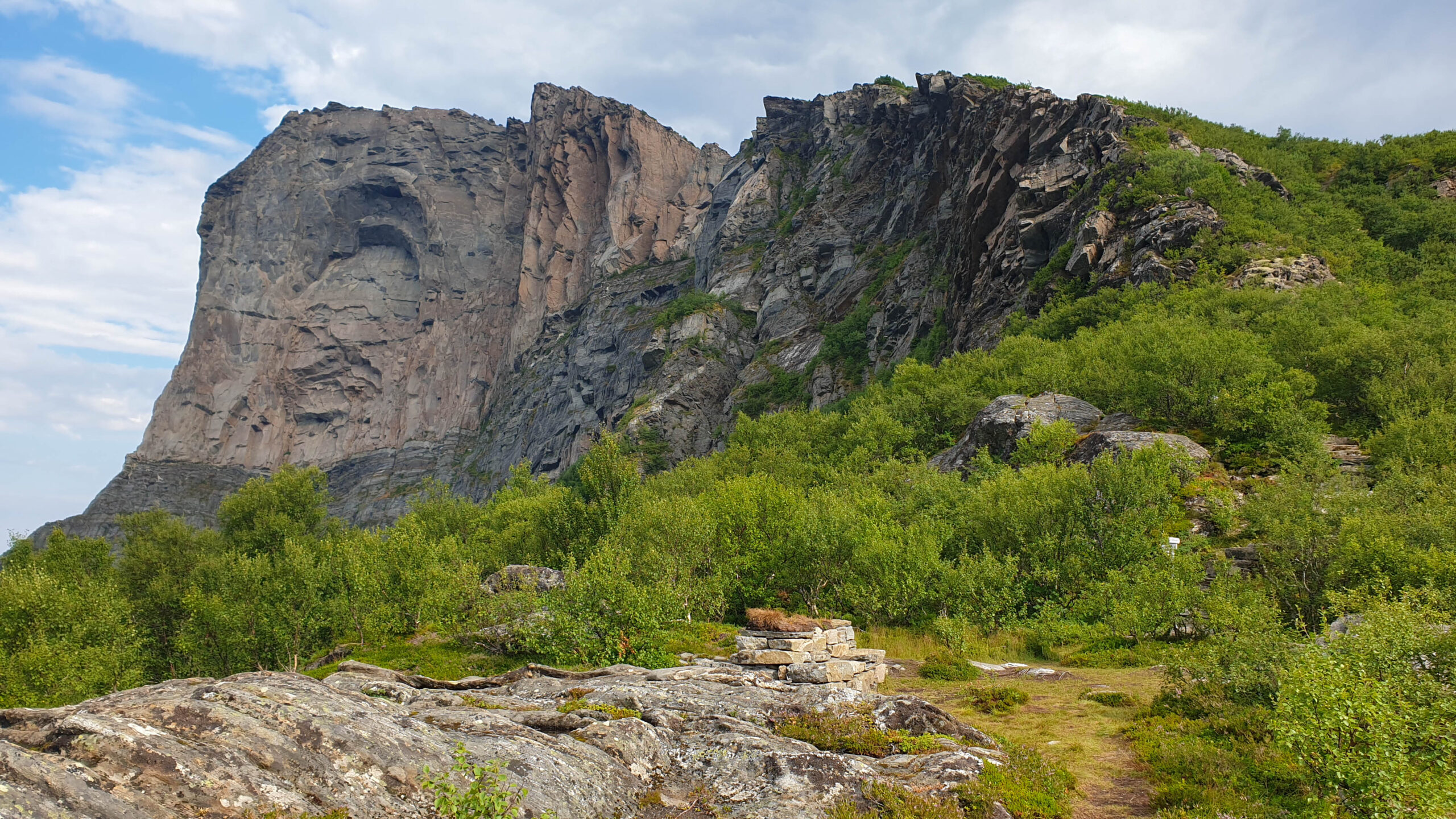
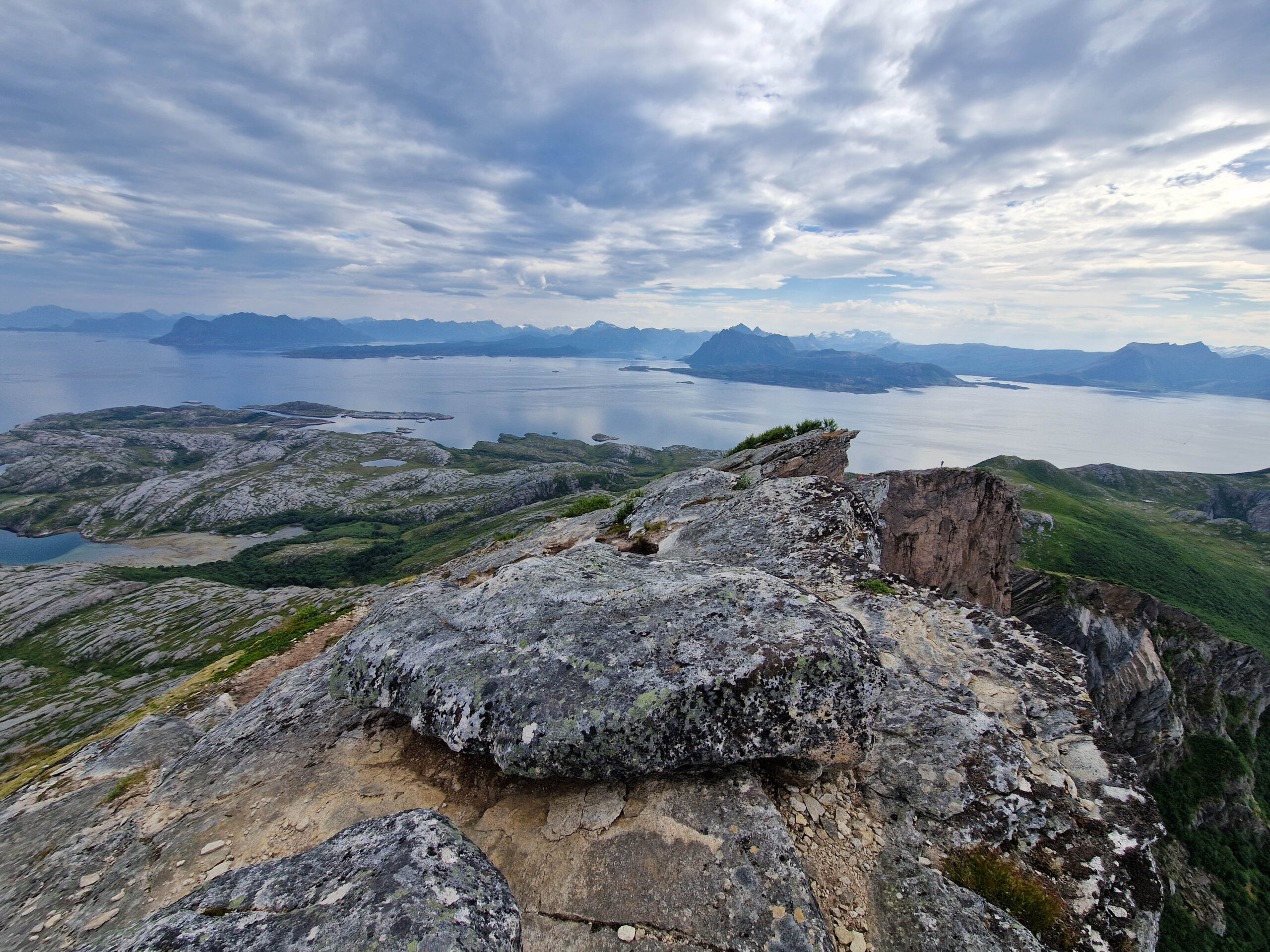
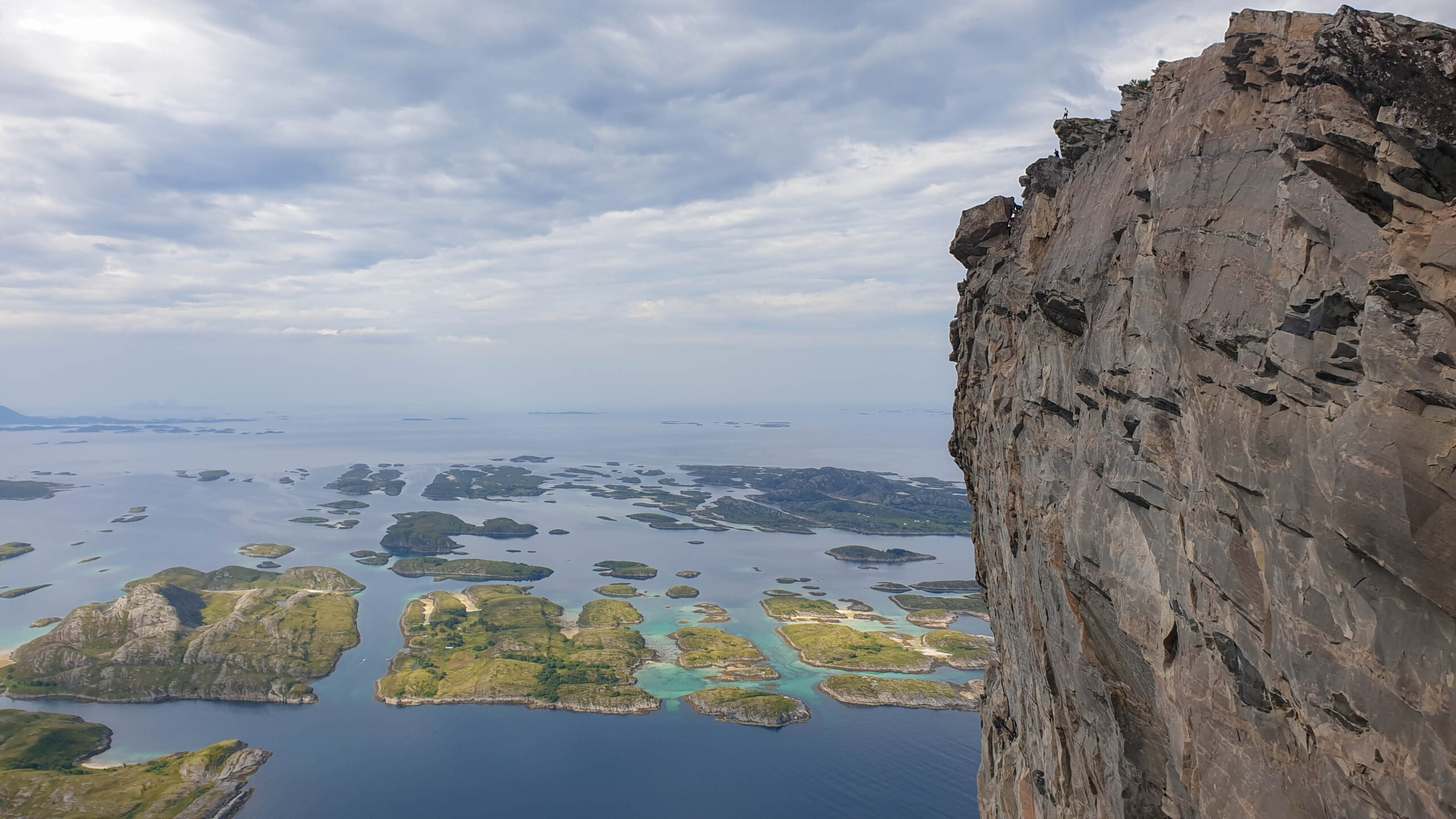
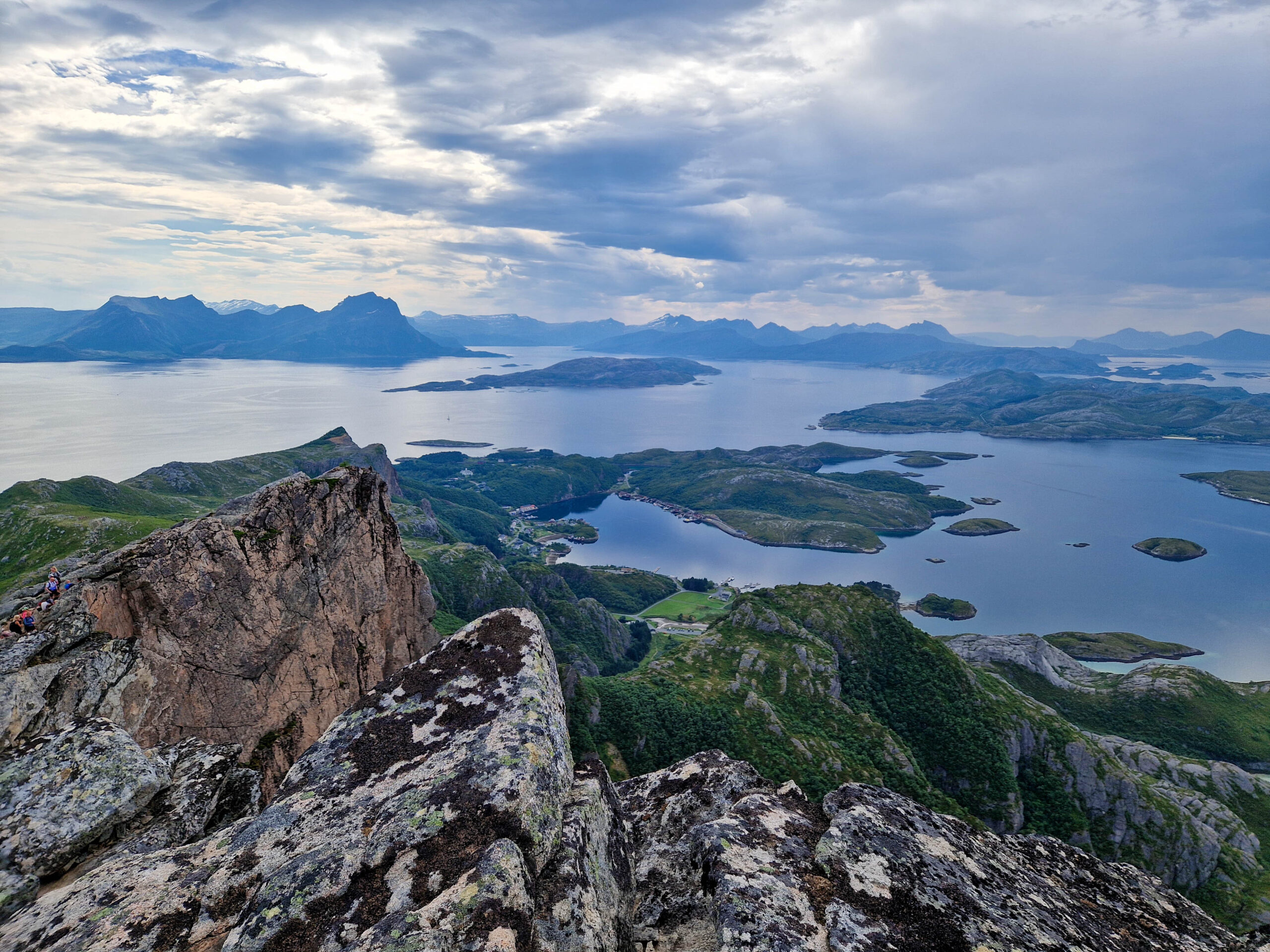
The next day, we set out to climb the Rødøyløva. The Lion’s Head is steep, but the route is quite manageable thanks to the stairways built by Sherpas. At the top, the reward is a magnificent view over the skerries, the sea, and the surrounding mountains. In the afternoon, we took another stroll around the island – simply because Rødøya is a place where you want to linger a little longer and enjoy the beautiful nature.
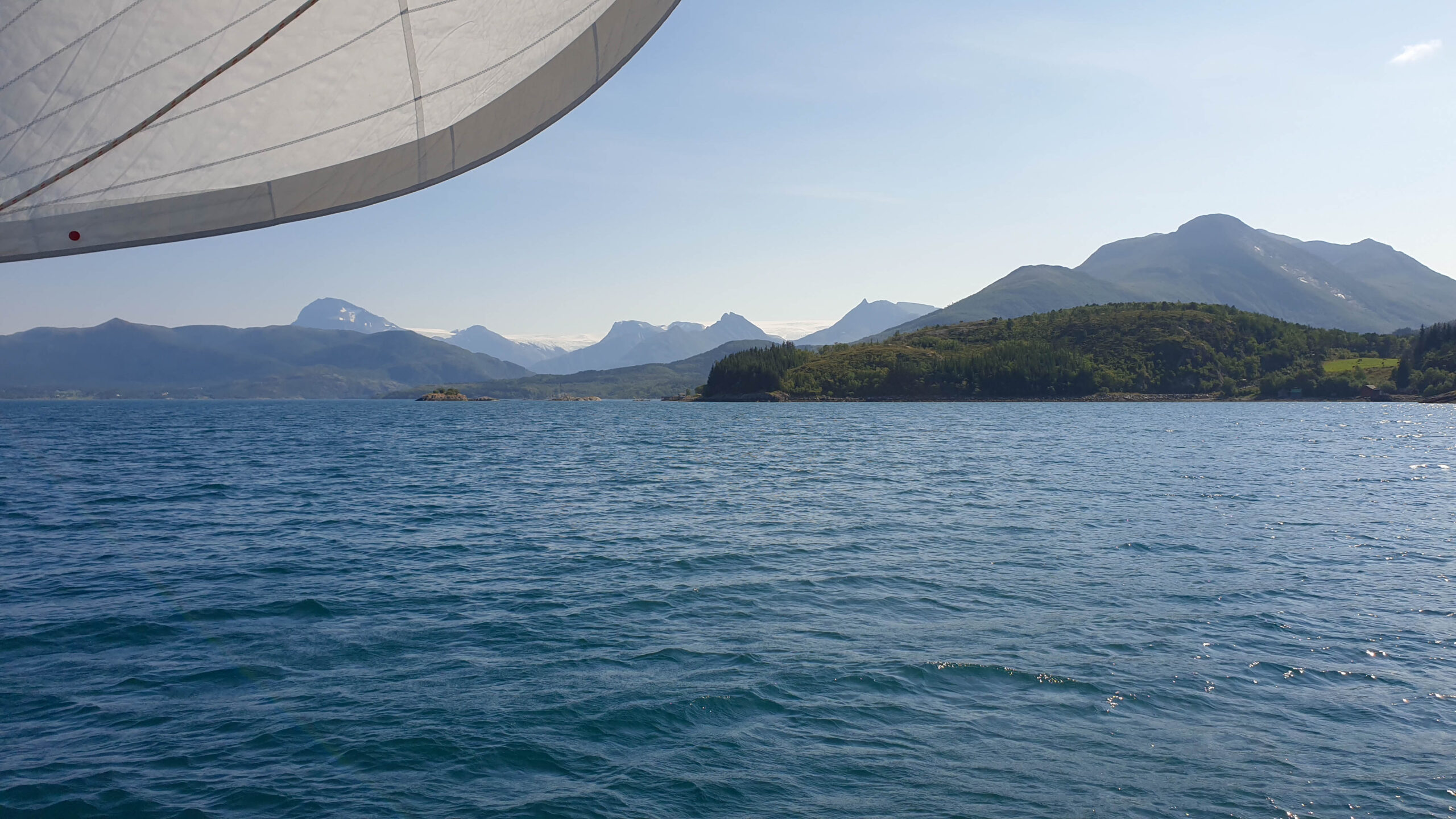
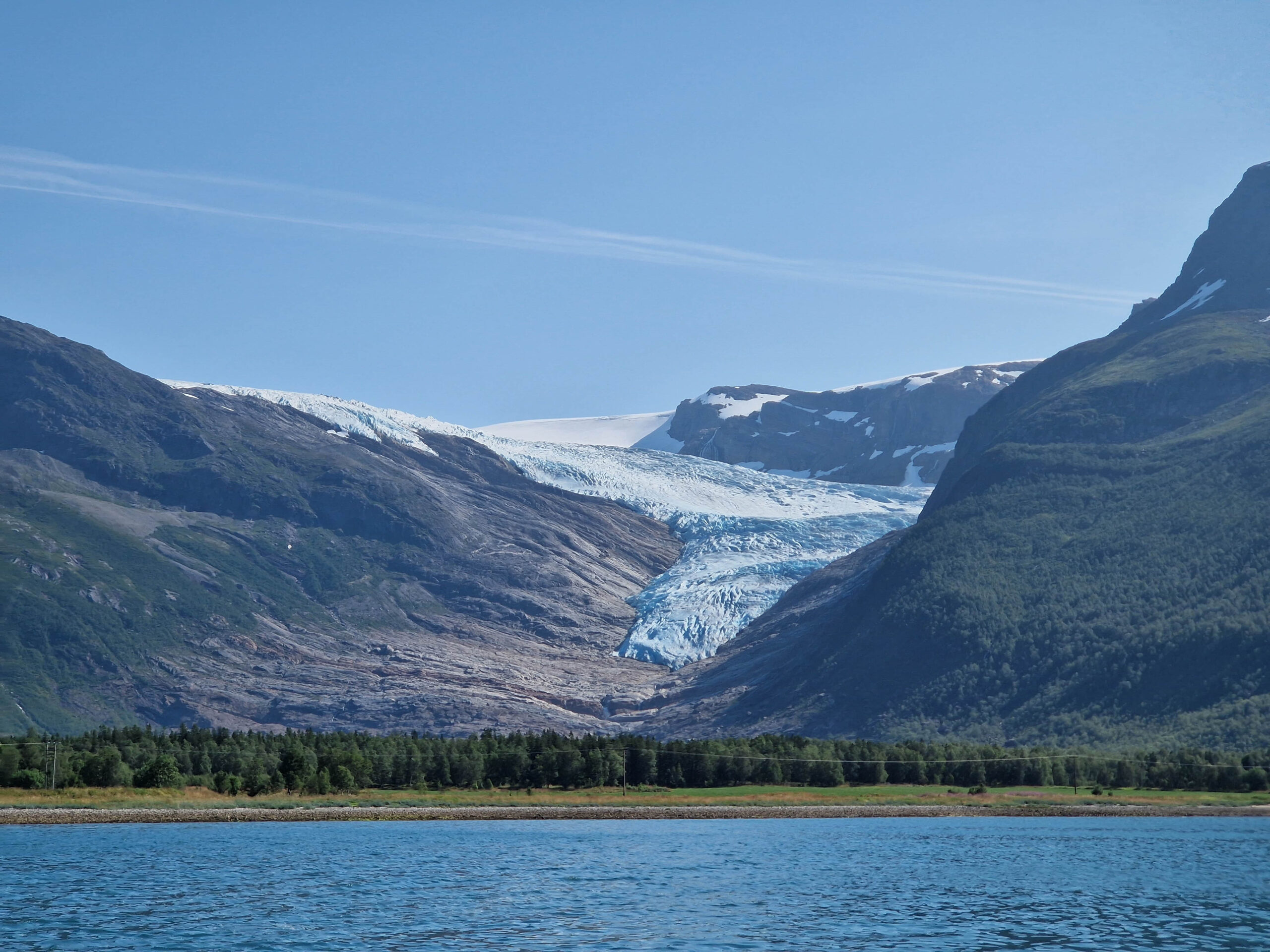
Next, we set course for the Svartisen Glacier. The plan: moor at the guest pier and experience the glacier up close. The reality: the pier was full – occupied by workboats and fast RIBs running shuttle services. There was no room for Anori. So we settled for a few shots from a distance and bid farewell to the fjord. We spent the night in Bolga, where it was noticeably quieter.
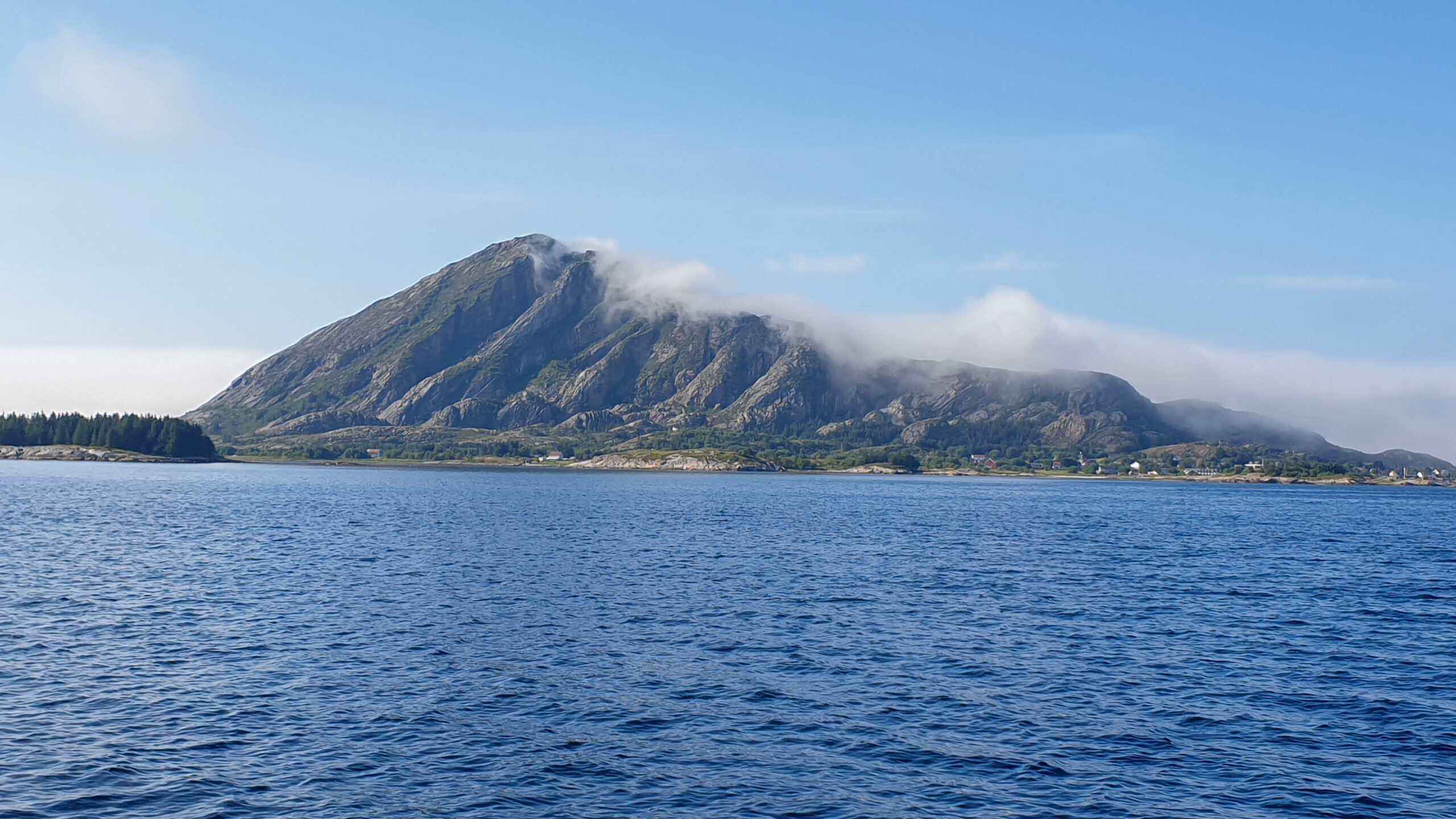
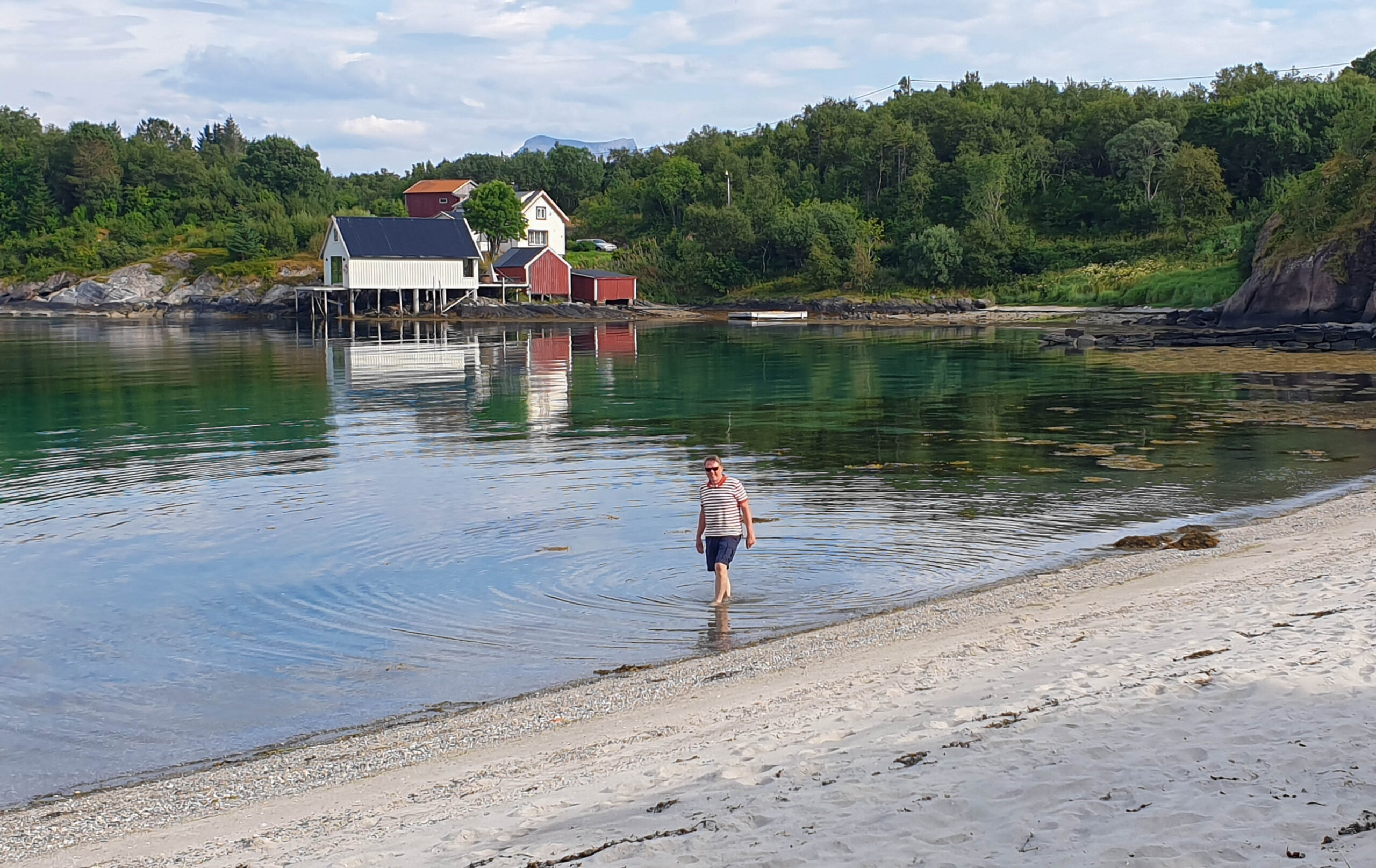
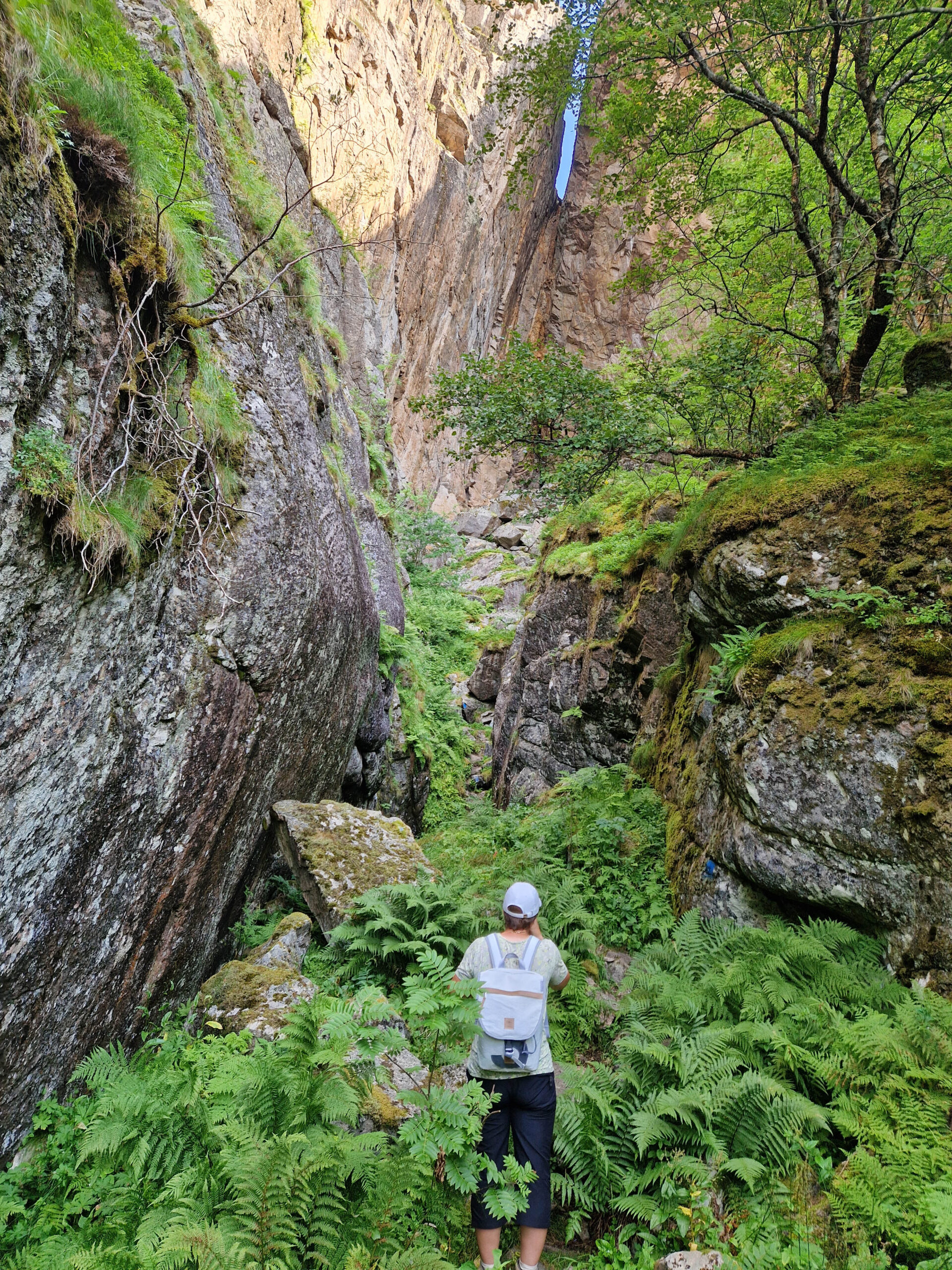
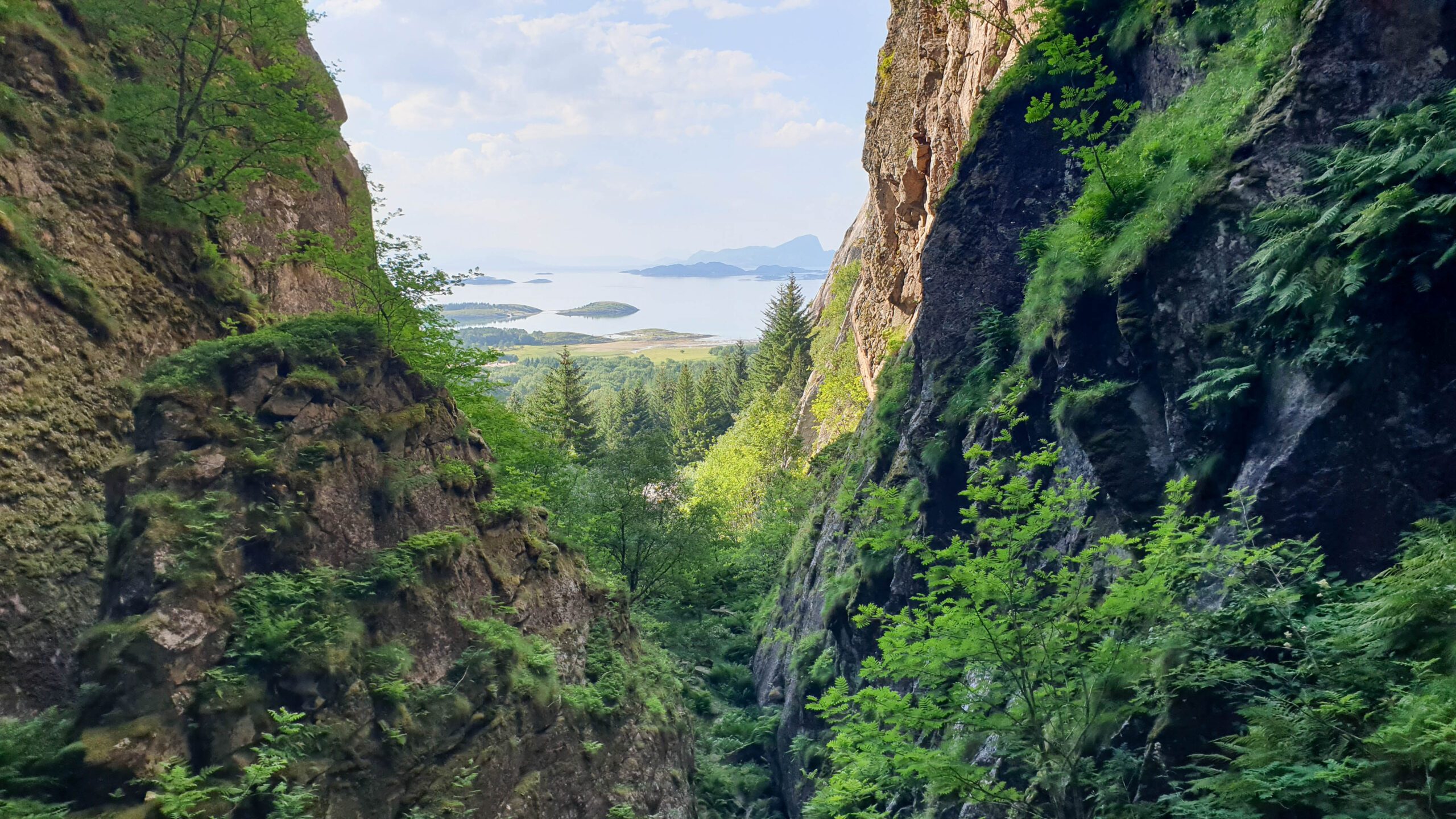
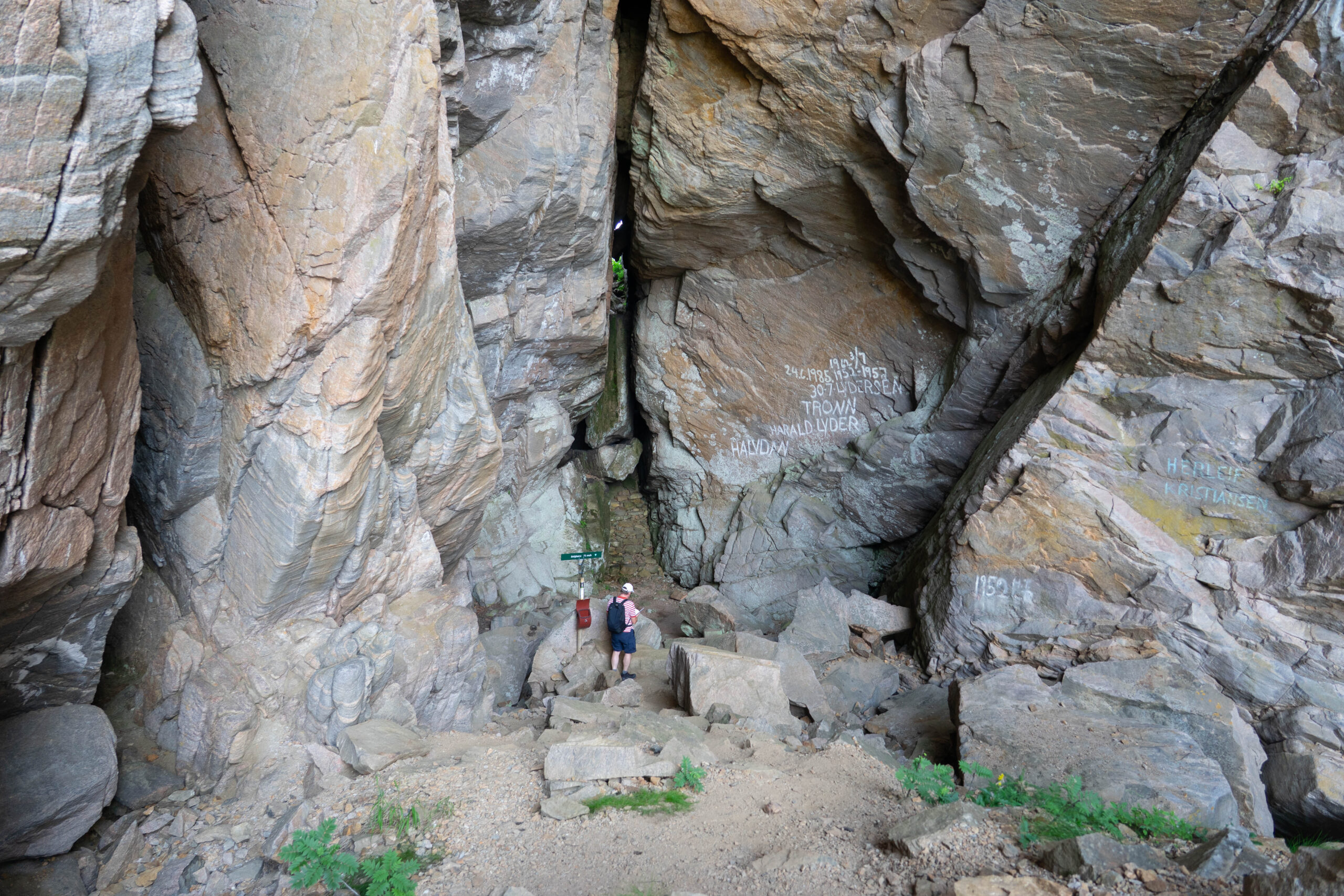
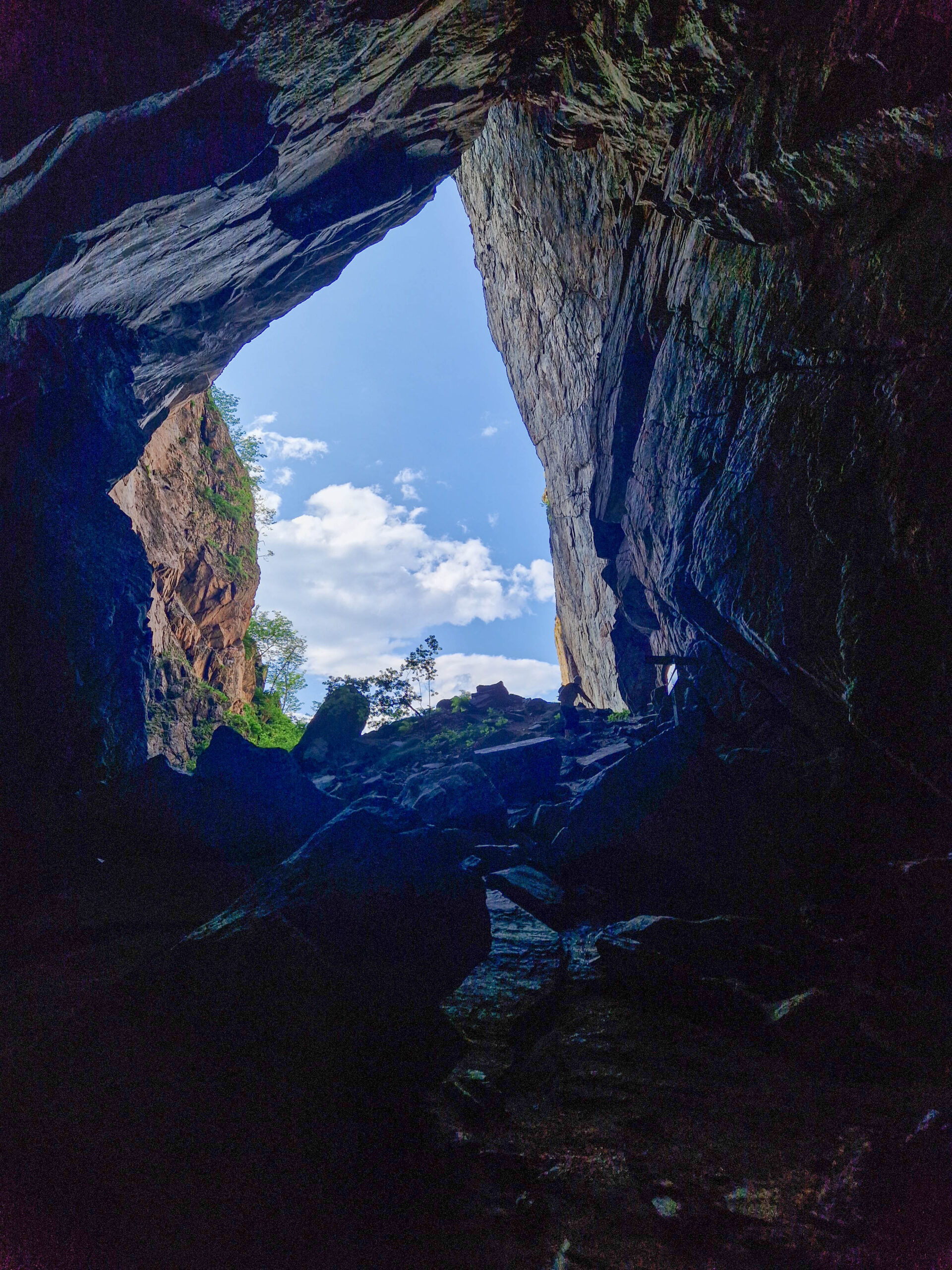
On Bolga, a special tour awaited us: a hike through the hole in the rock – a quirky geological feature – followed by a walk around the island. Once again, it’s easy to see just how diverse Helgeland can be, even in such a small area.
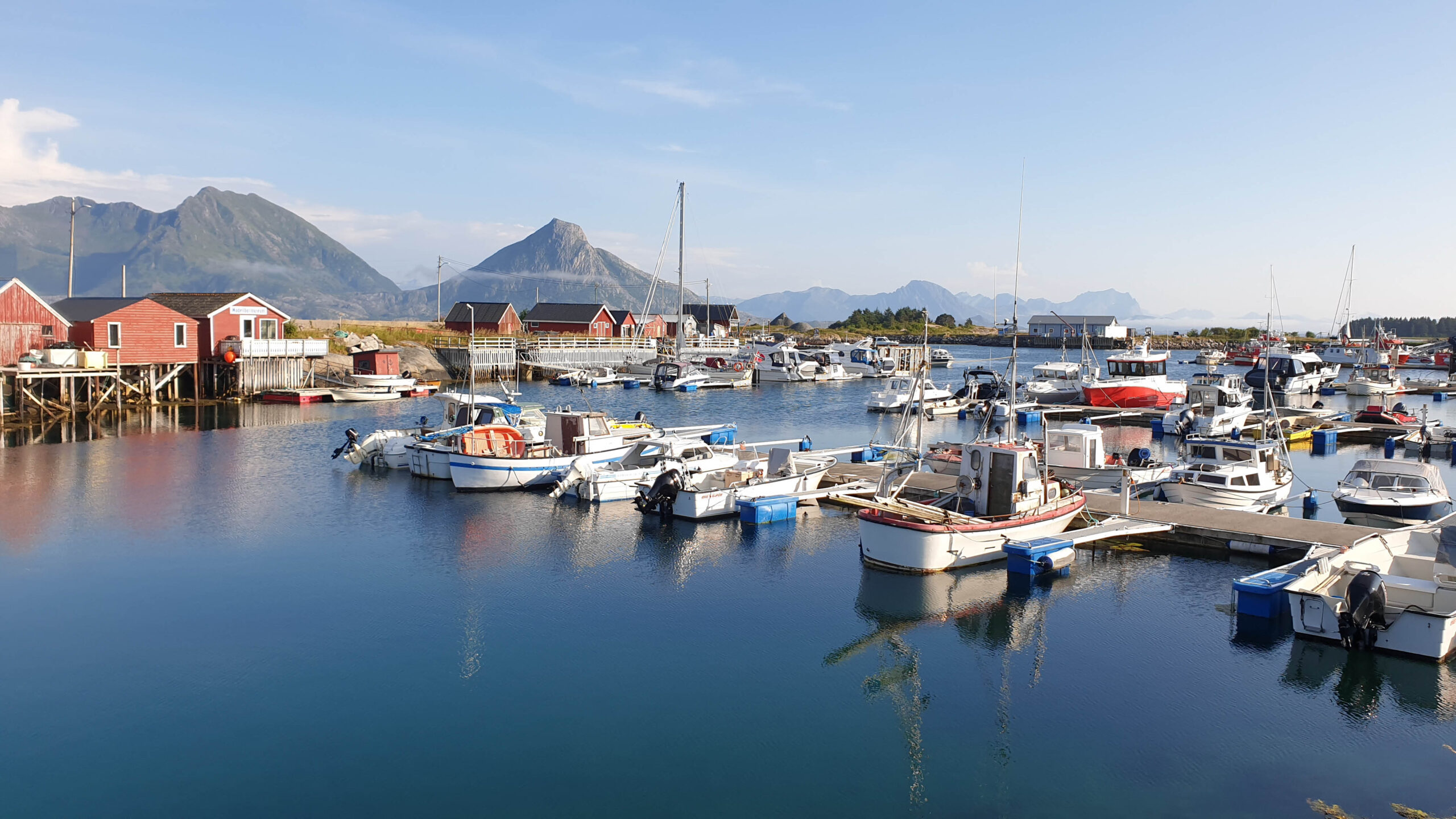
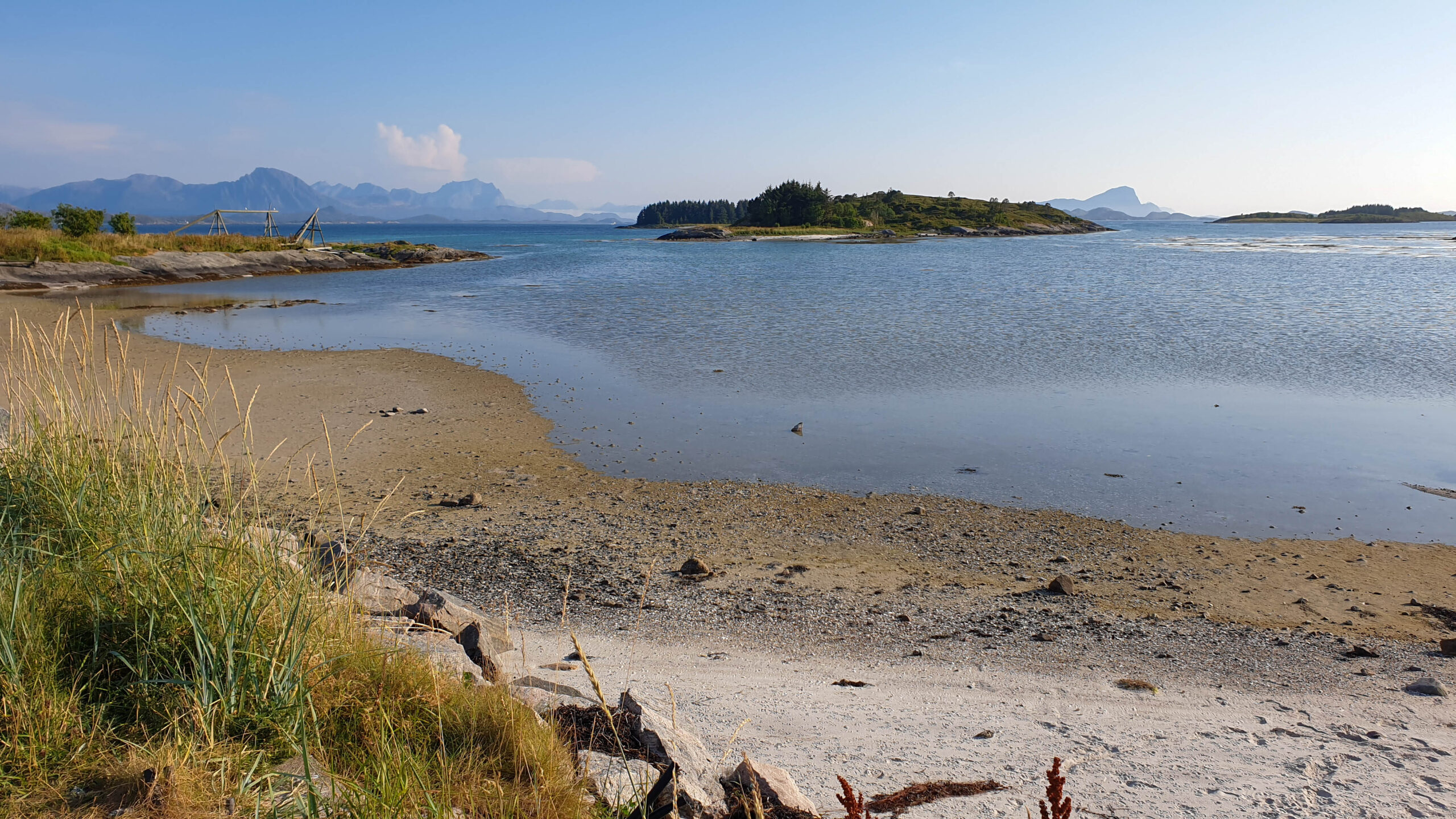
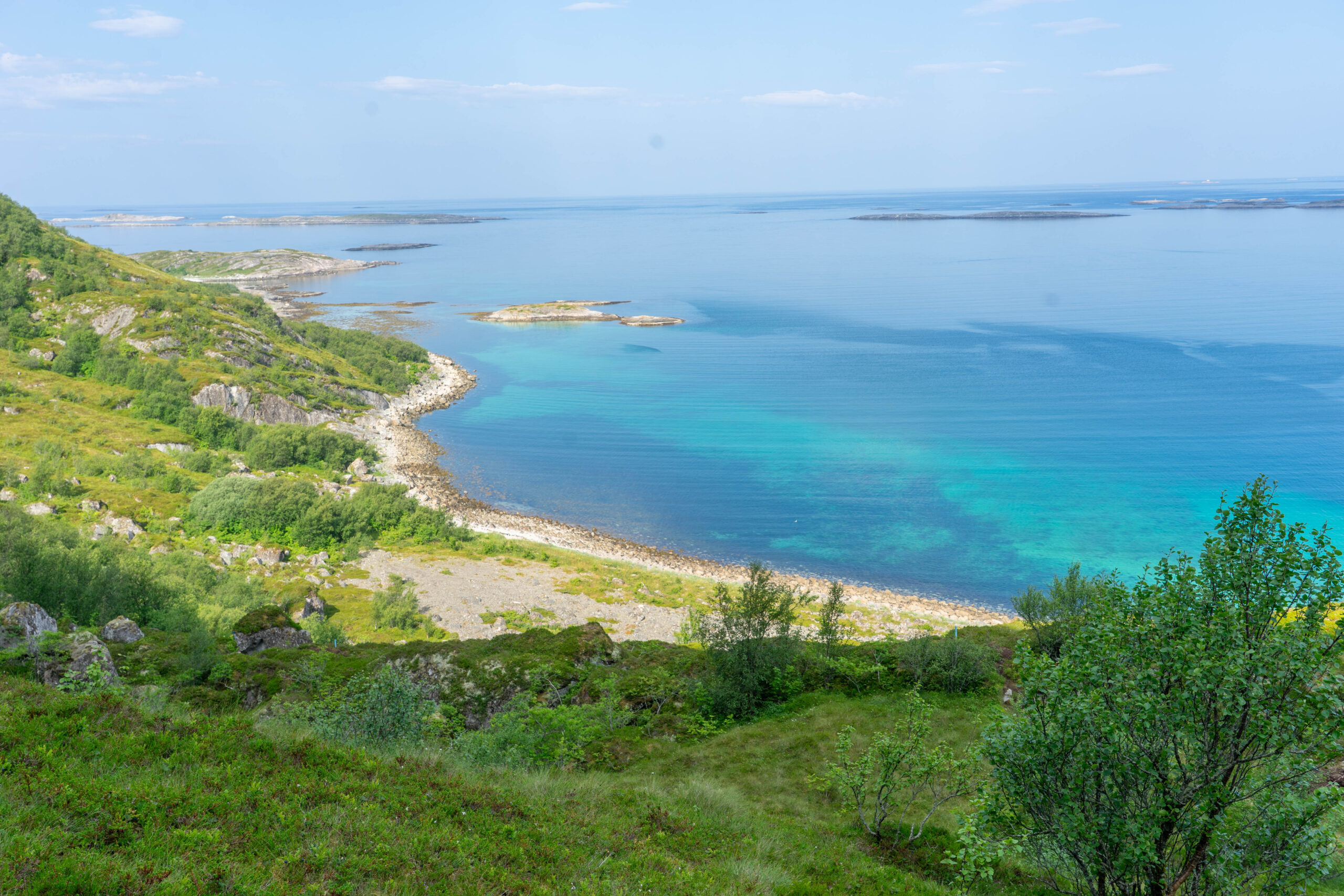
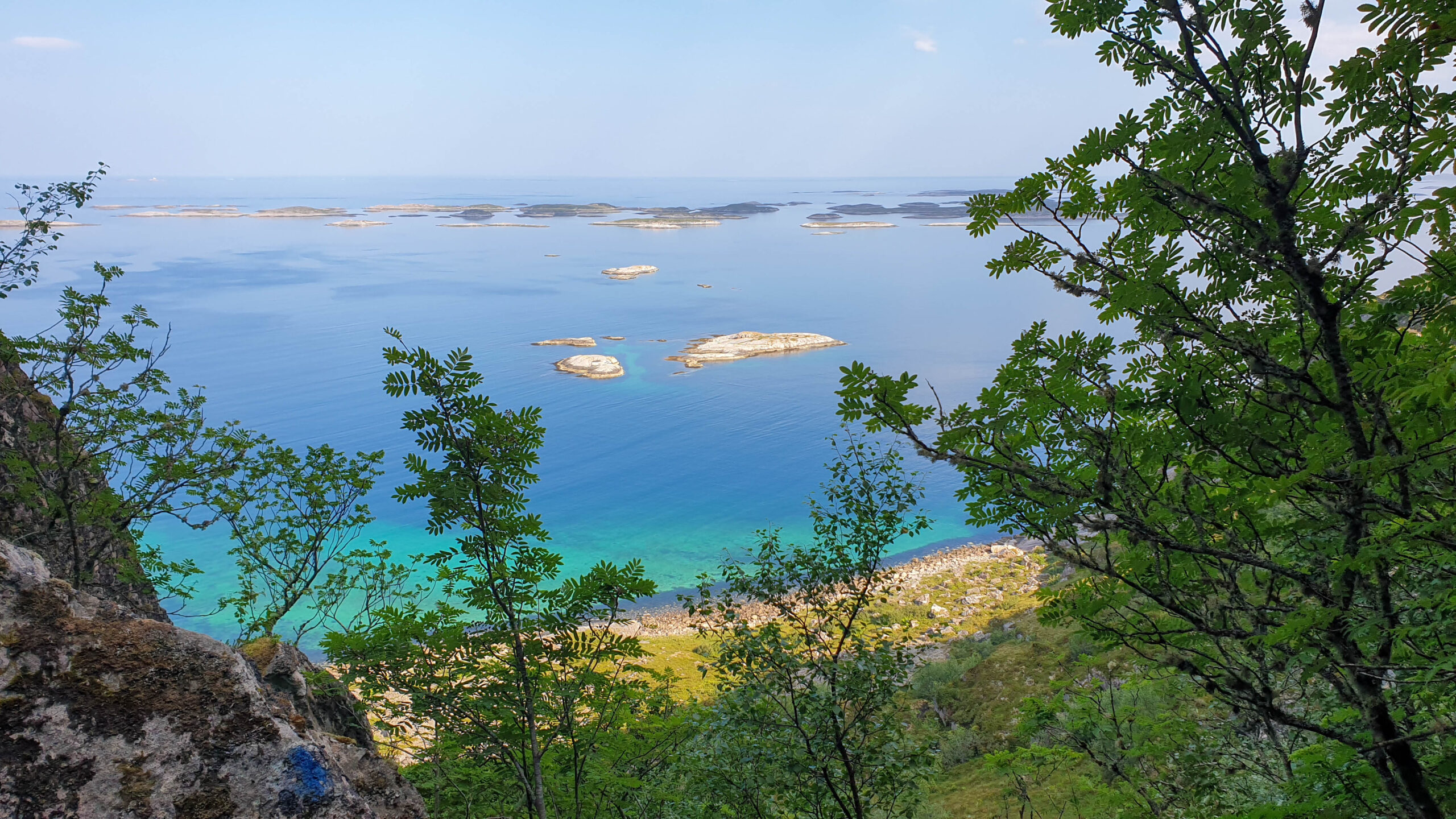
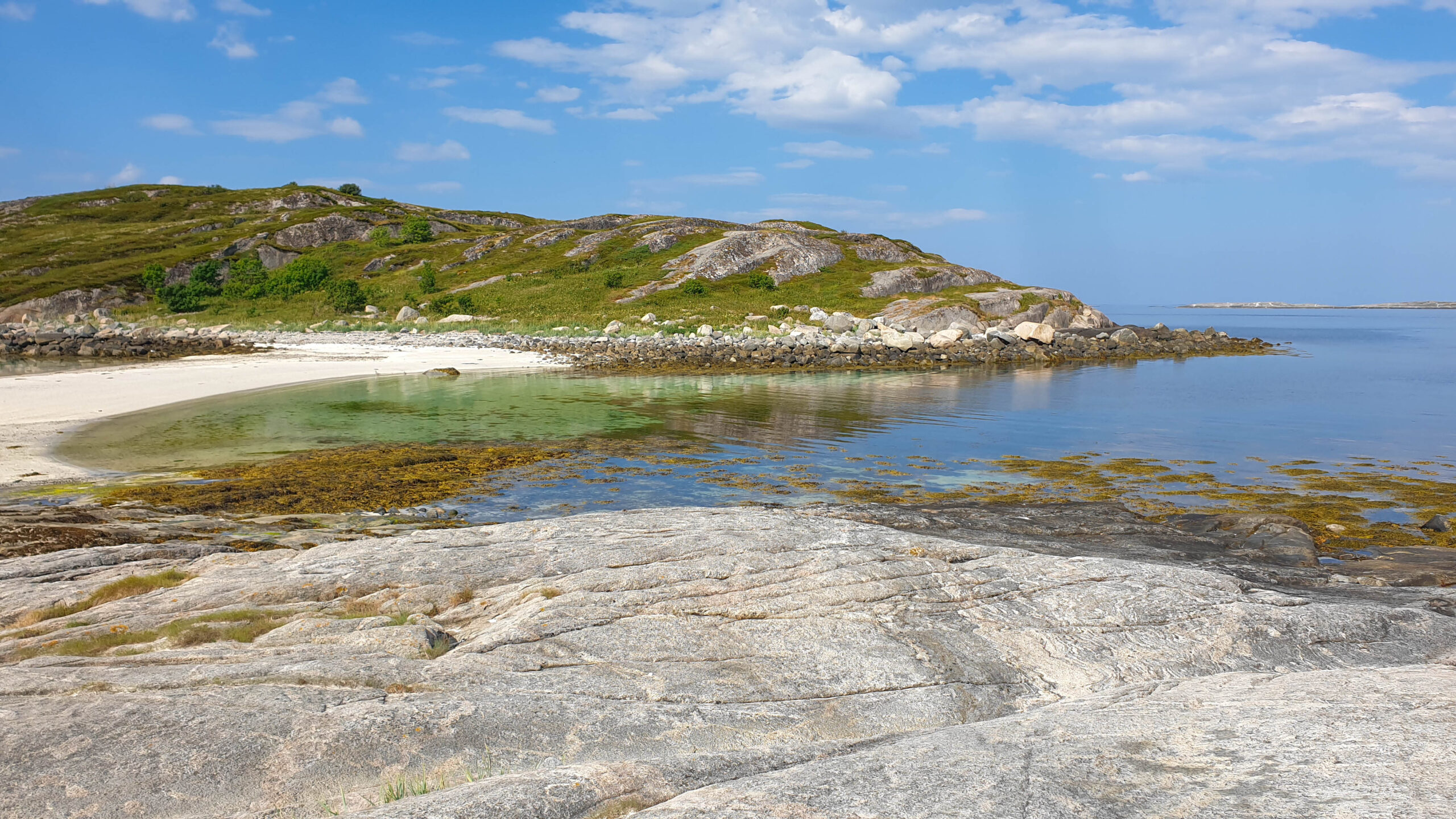
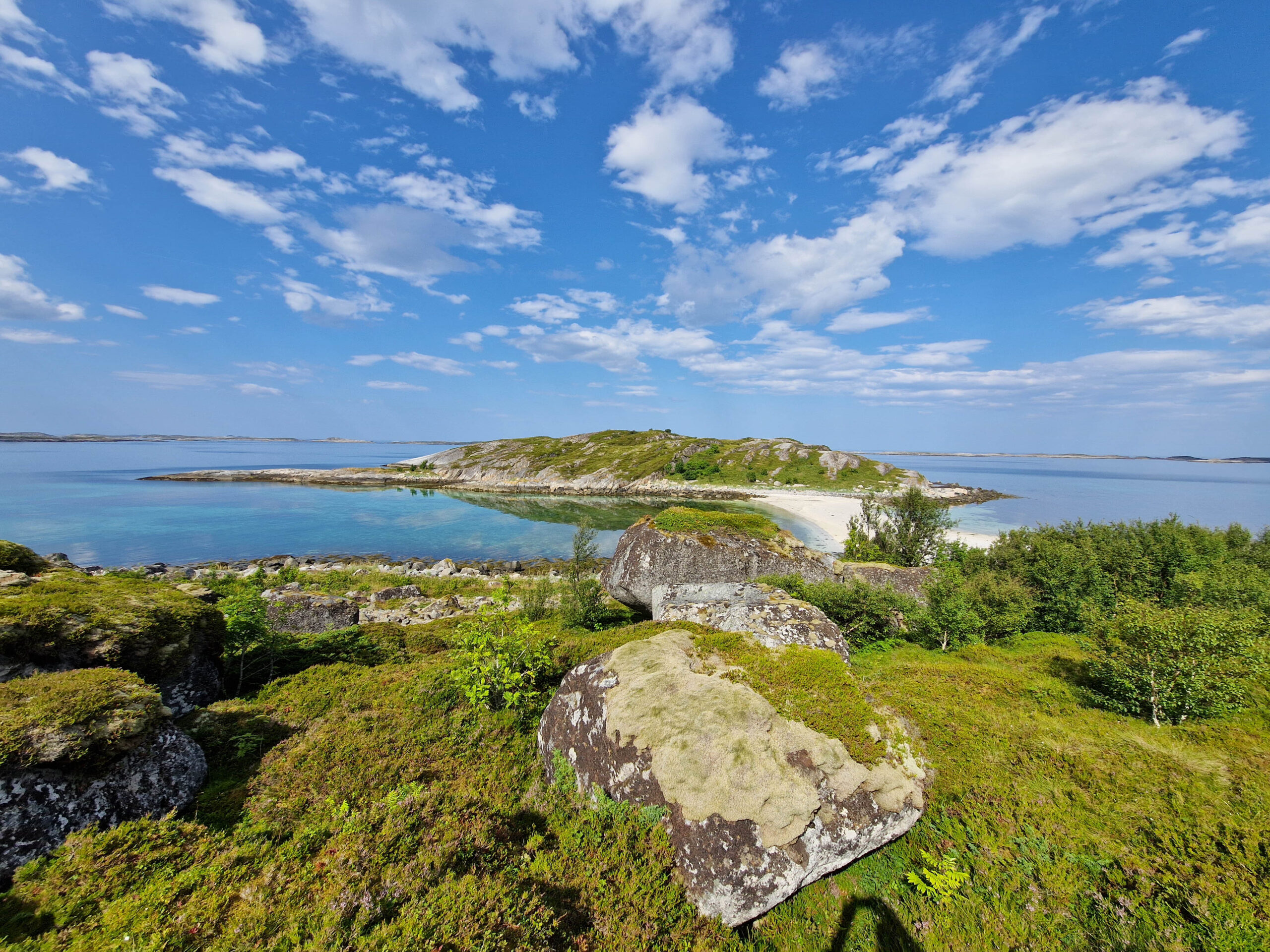

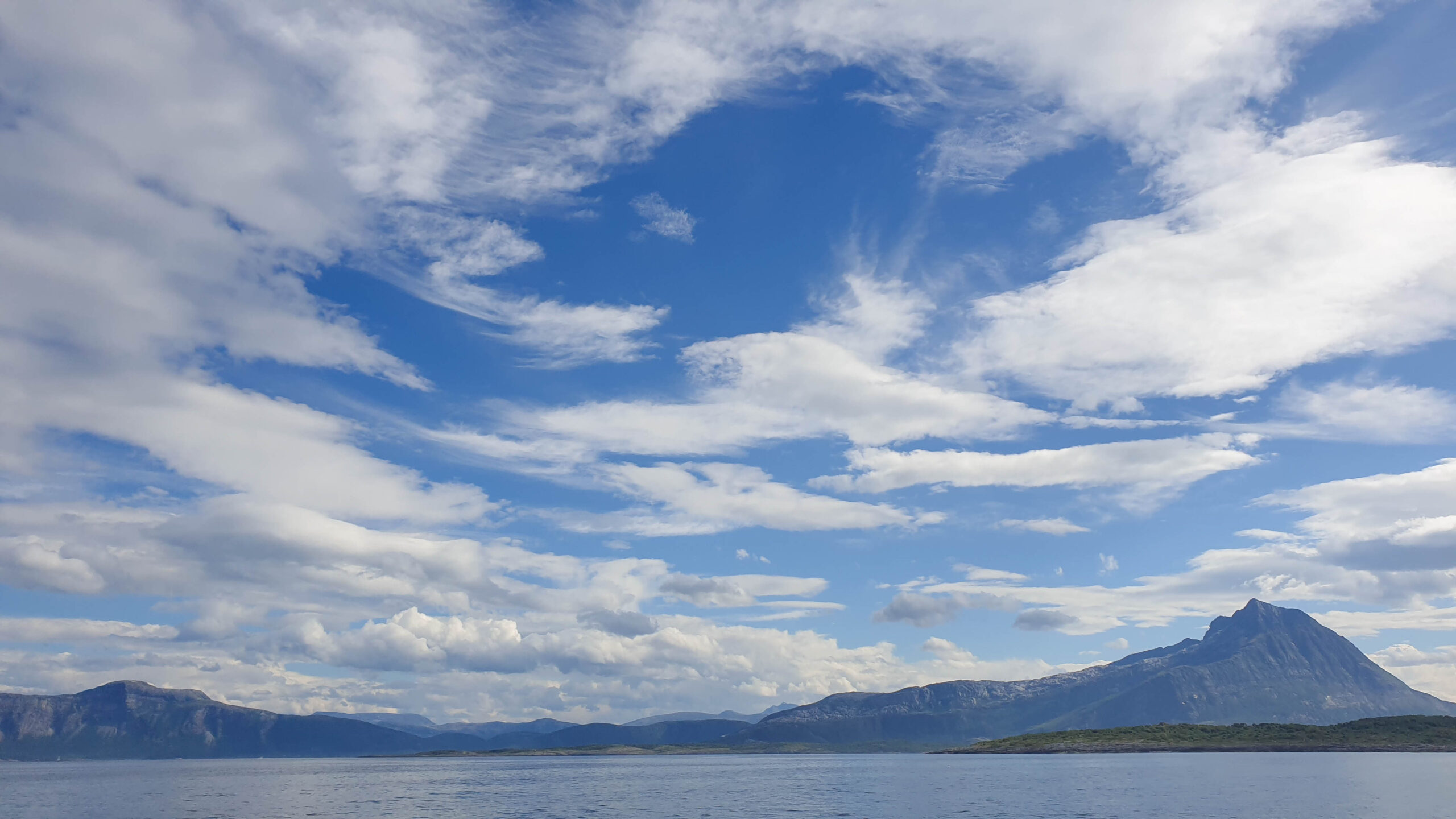
In this part of the journey, we only visited a few of the islands and places that make Helgeland so special. We’ll gladly return to continue our exploration.
The following day, we set sail for Bodø, bringing us a good deal closer to the Lofoten.
The gallery was not found!
Leave a reply