

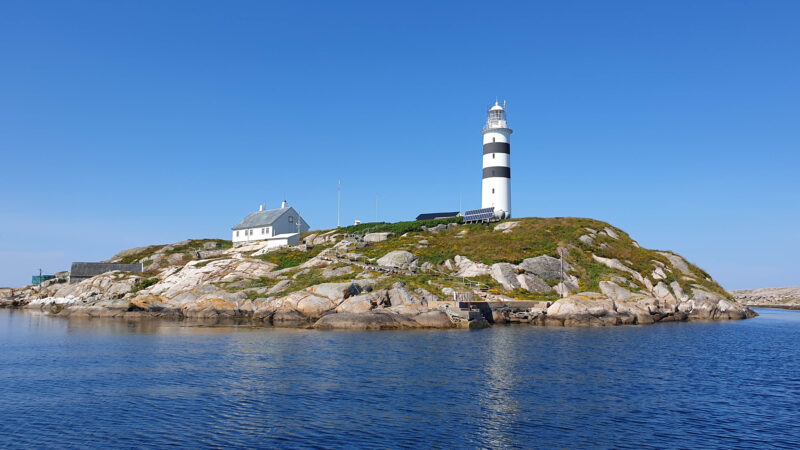
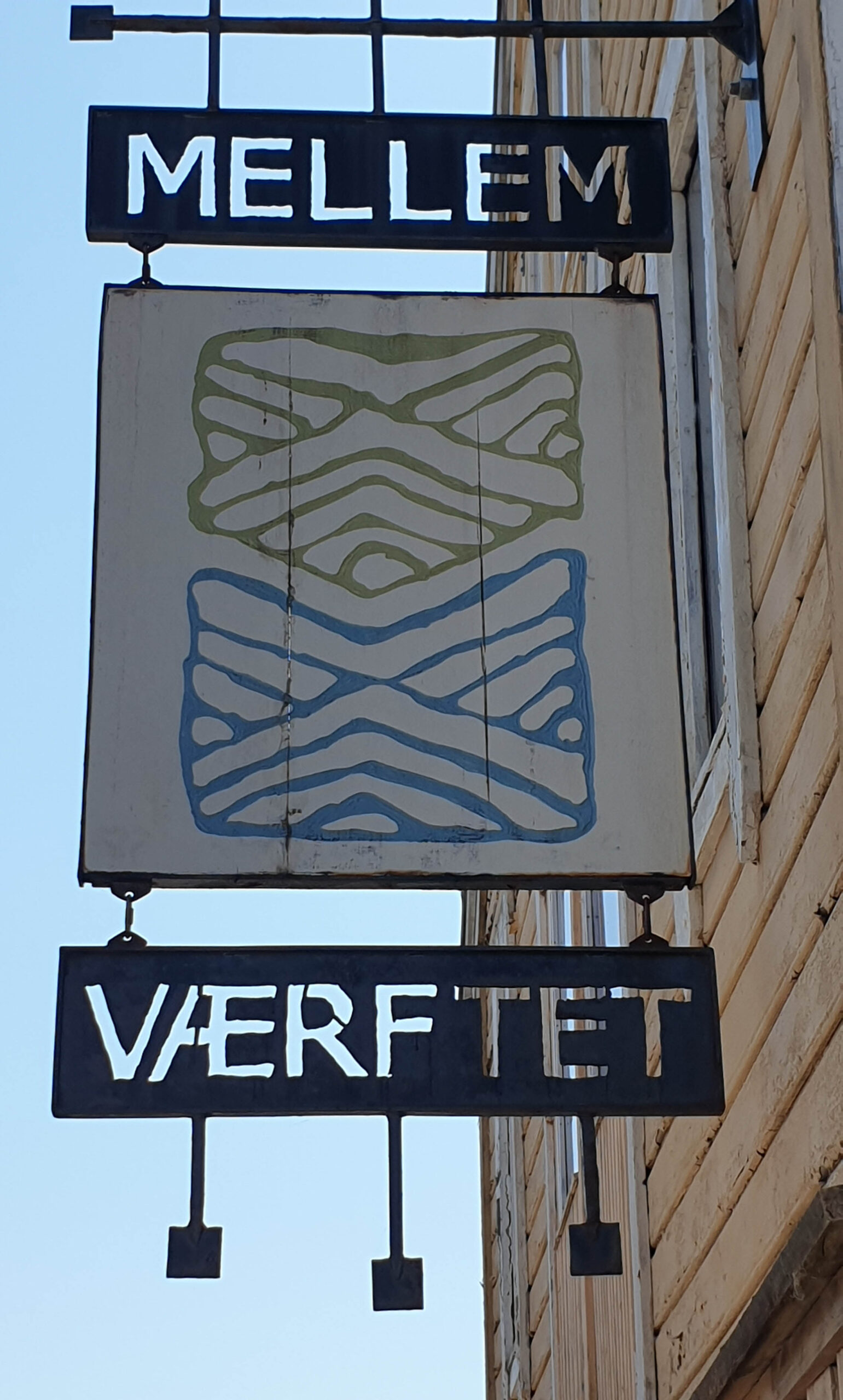
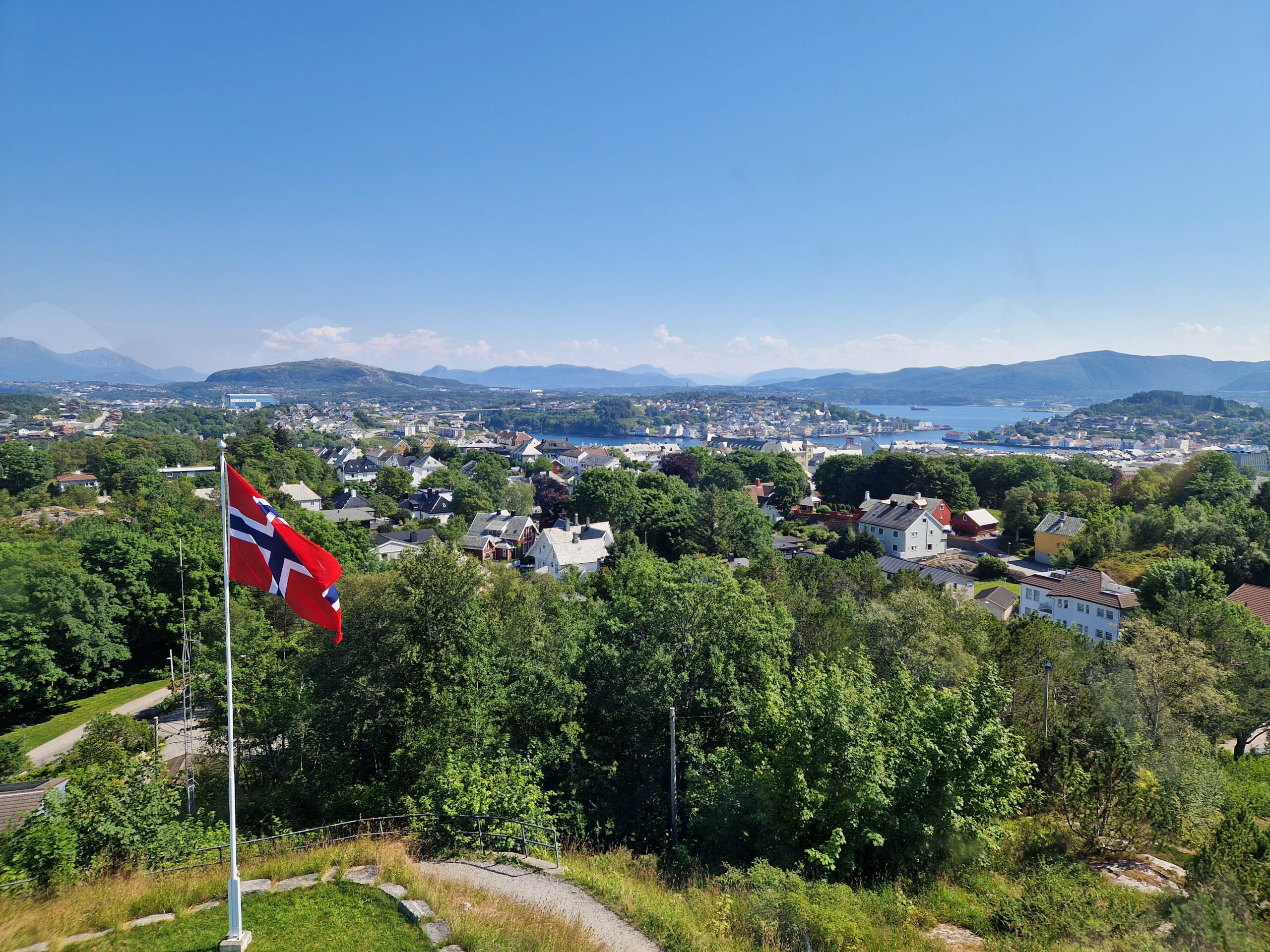
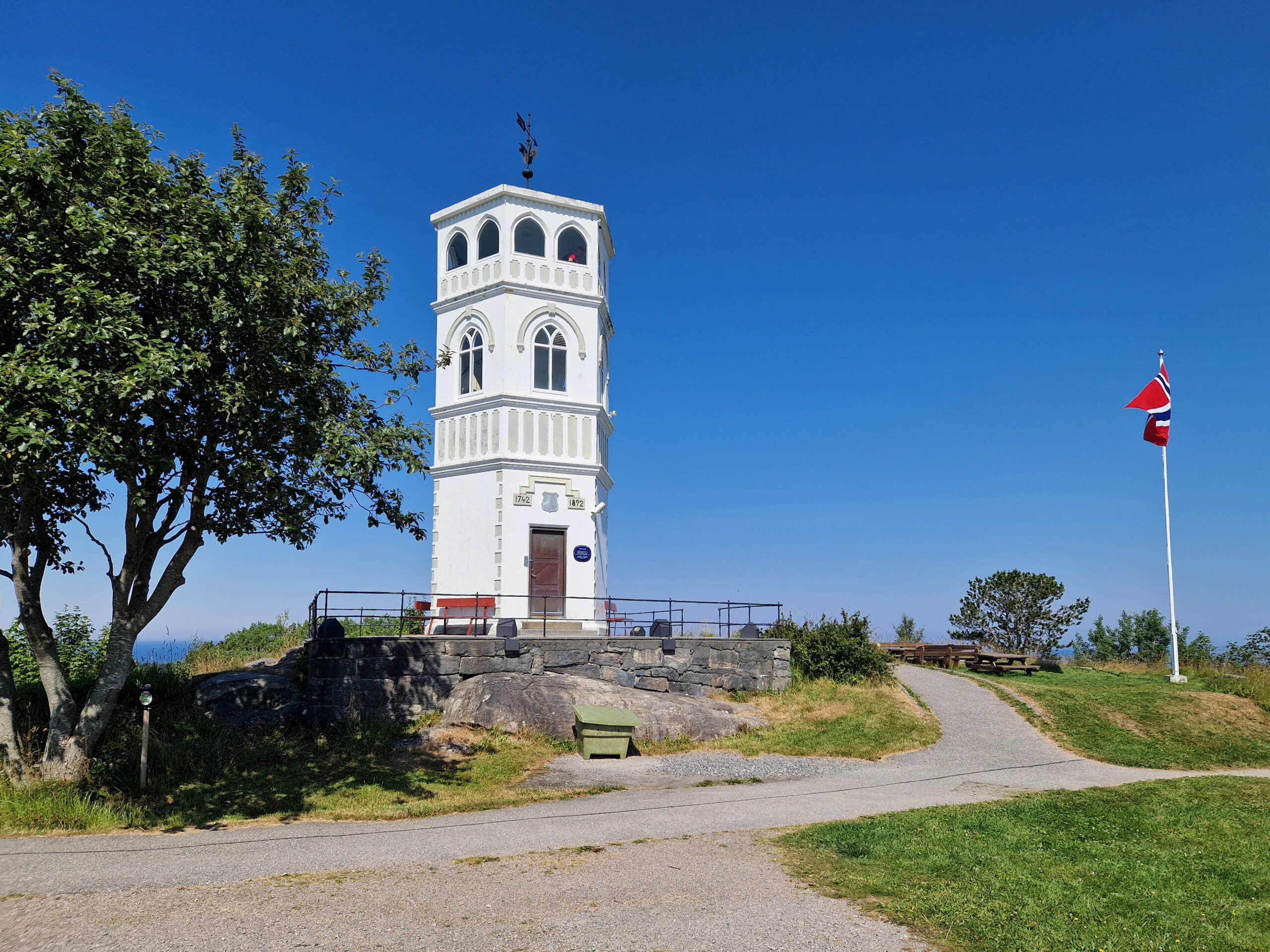
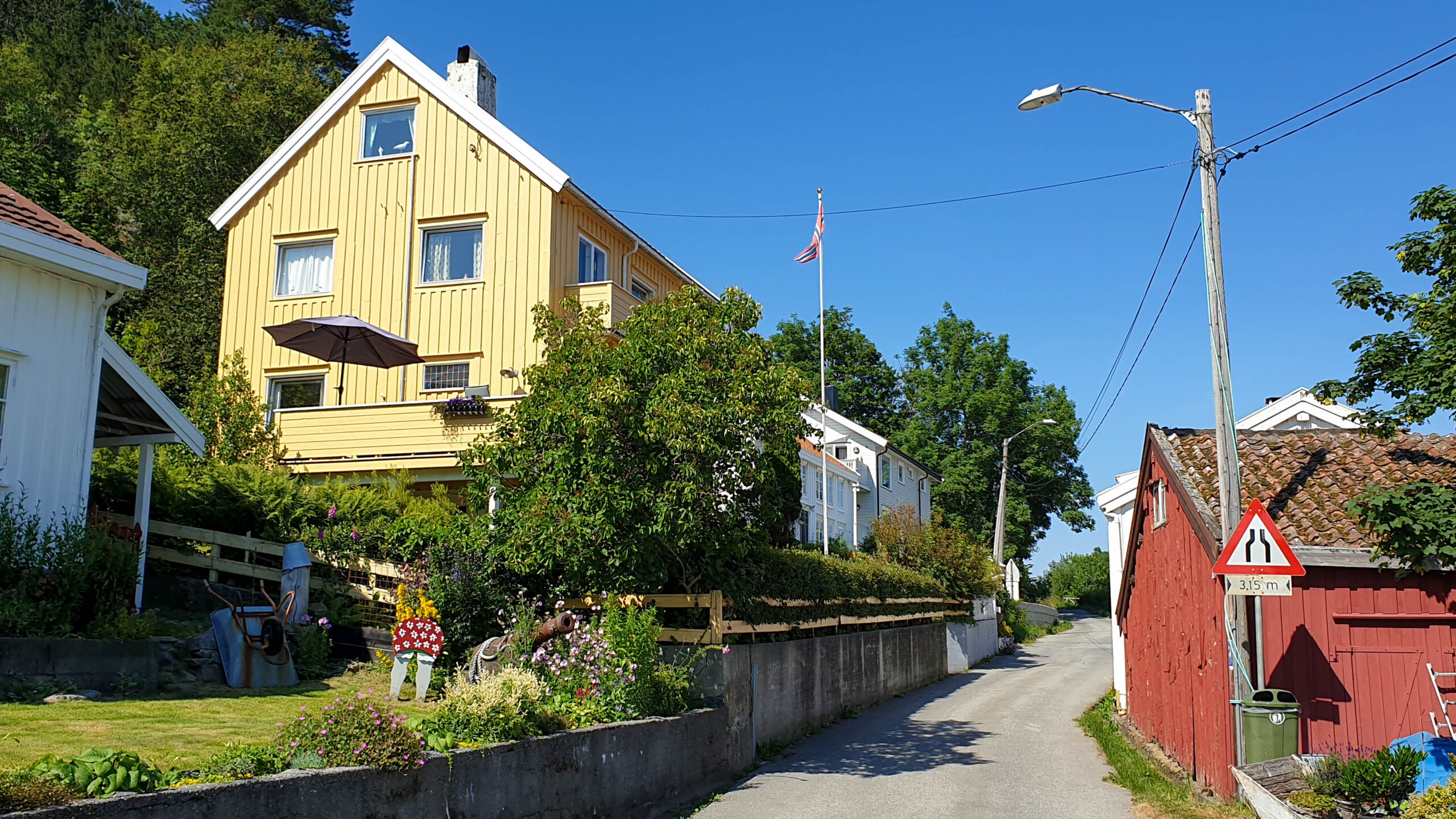
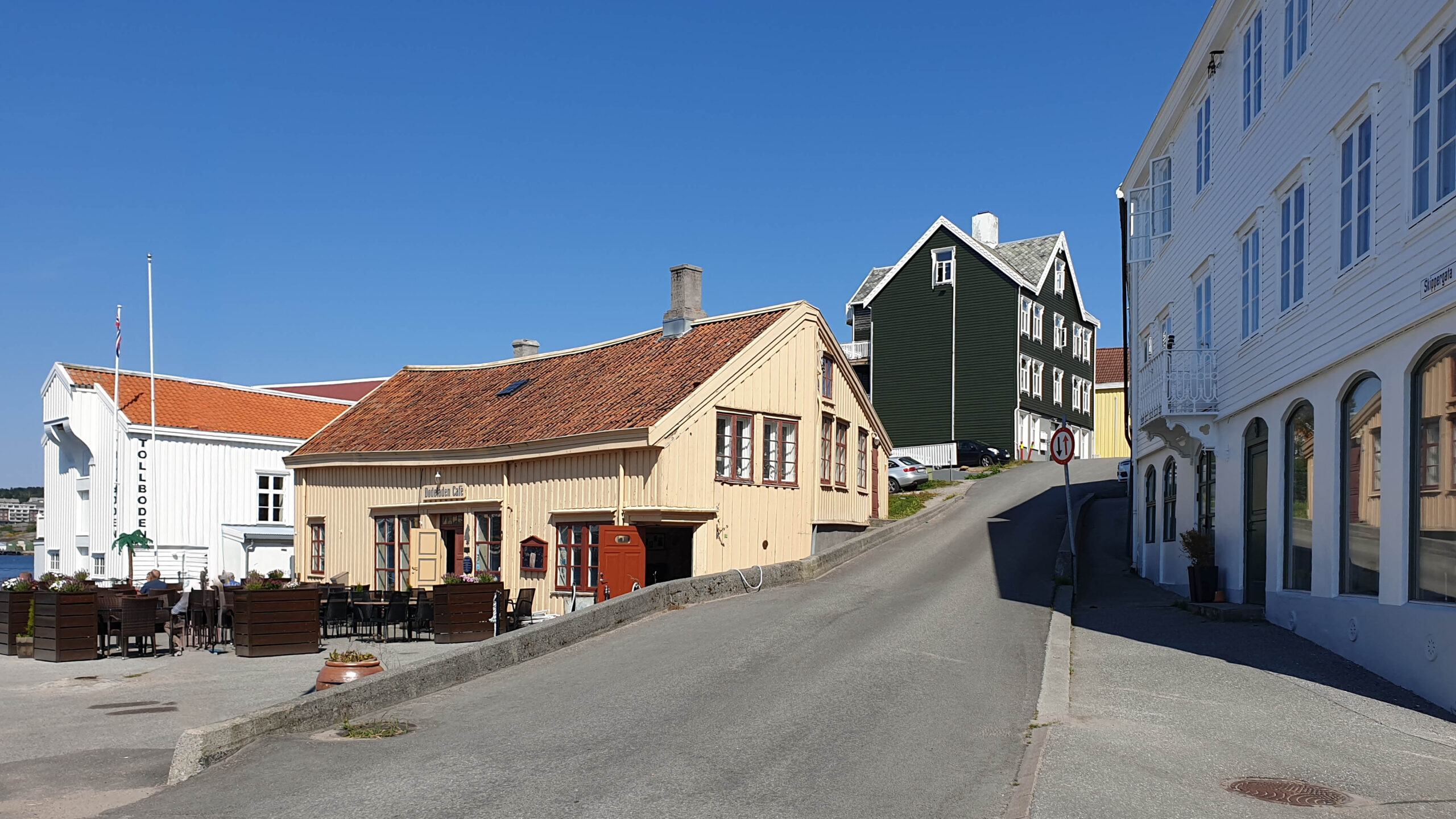
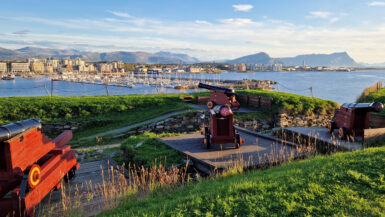
The day after our arrival in Kristiansund, we set out on an extensive city walk – including the Shipyard Museum, the Varden viewpoint, and a leisurely stroll through the old town. Only the historic ferry, the Sundbåten, spoiled our plan: it doesn’t run on Sundays. So we had to walk back along the least attractive section to the boat. Not quite as planned, but all good – exercise is supposed to be healthy anyway.
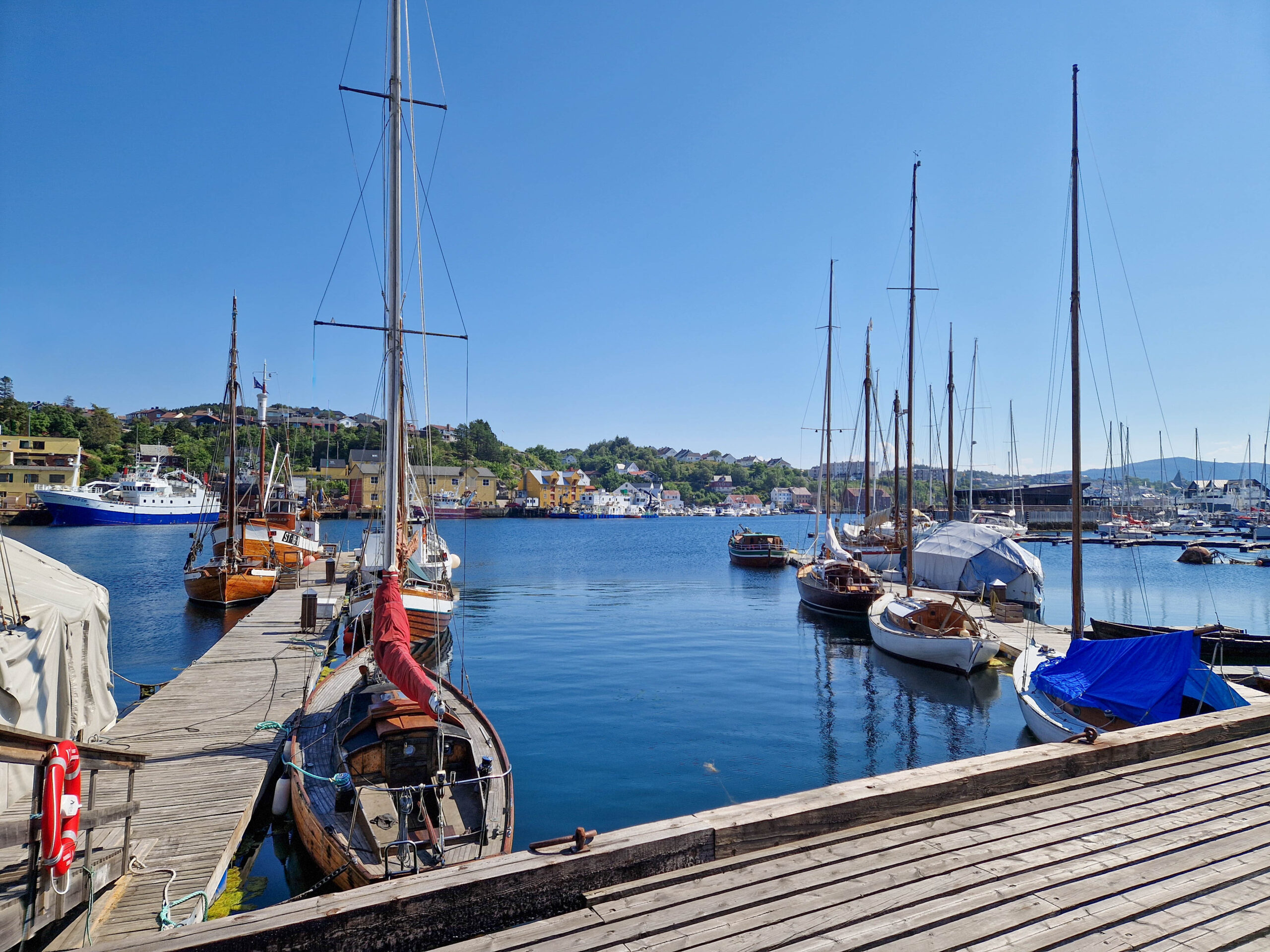
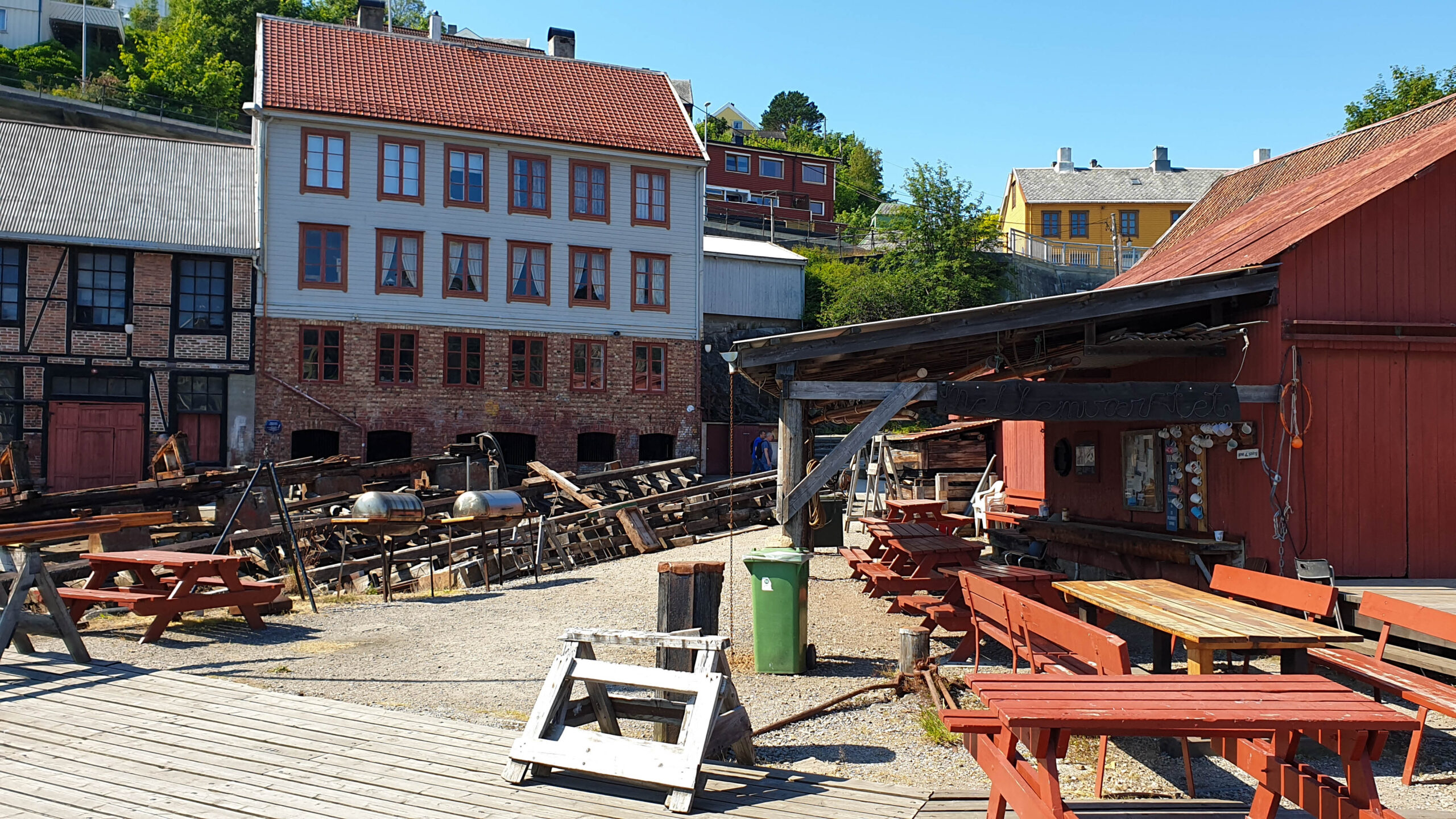
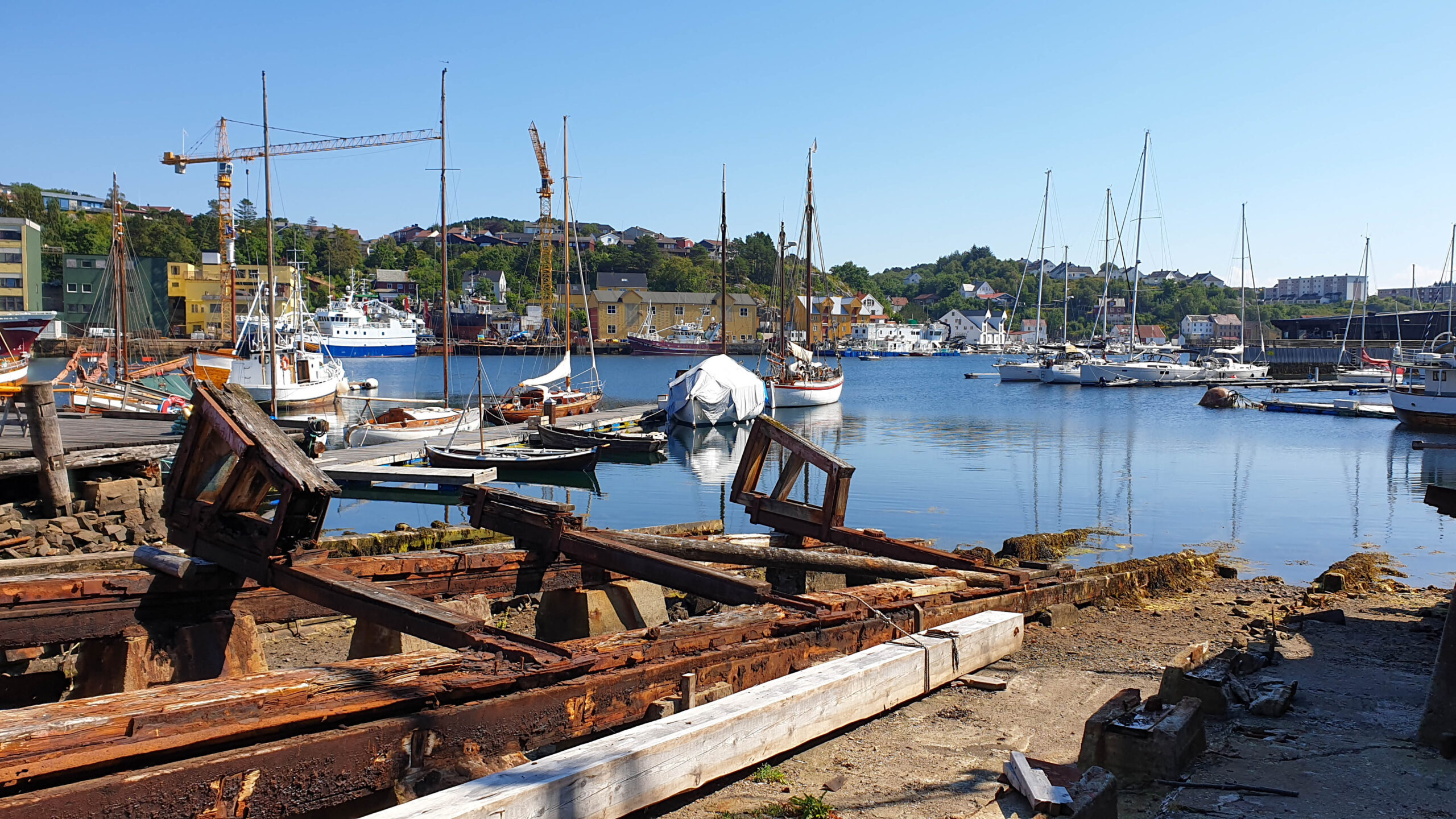
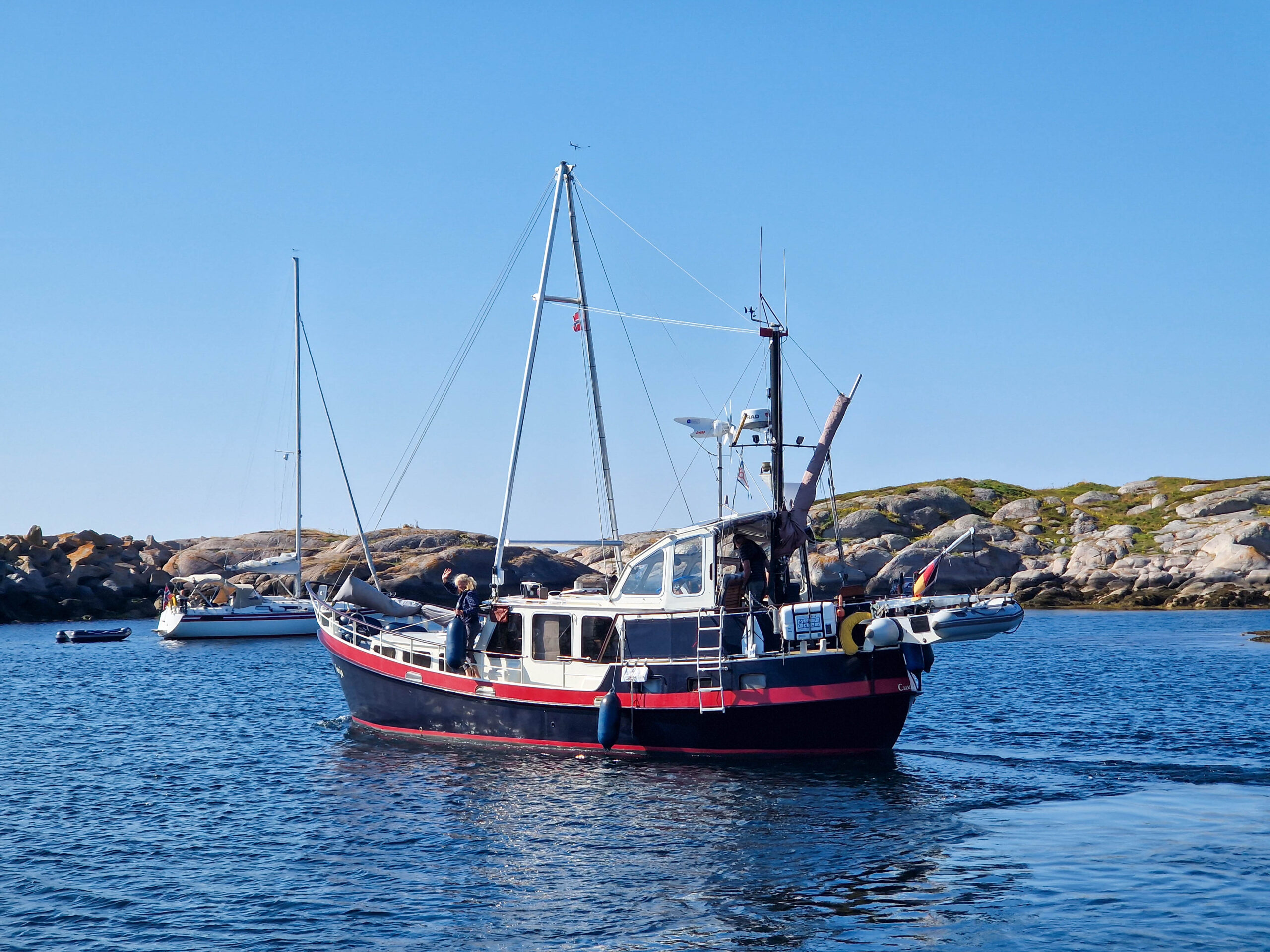
The next day, we continued towards Halten, stopping briefly at Hemnskjela Marina. Around 1 p.m., we moored in Halten, and shortly after, Senja, Julia and Jens’ boat, arrived as well. No sooner were both boats safely secured than we were already enjoying coffee and cake on Anori – Julia had actually baked the cake during the passage. Chapeau!
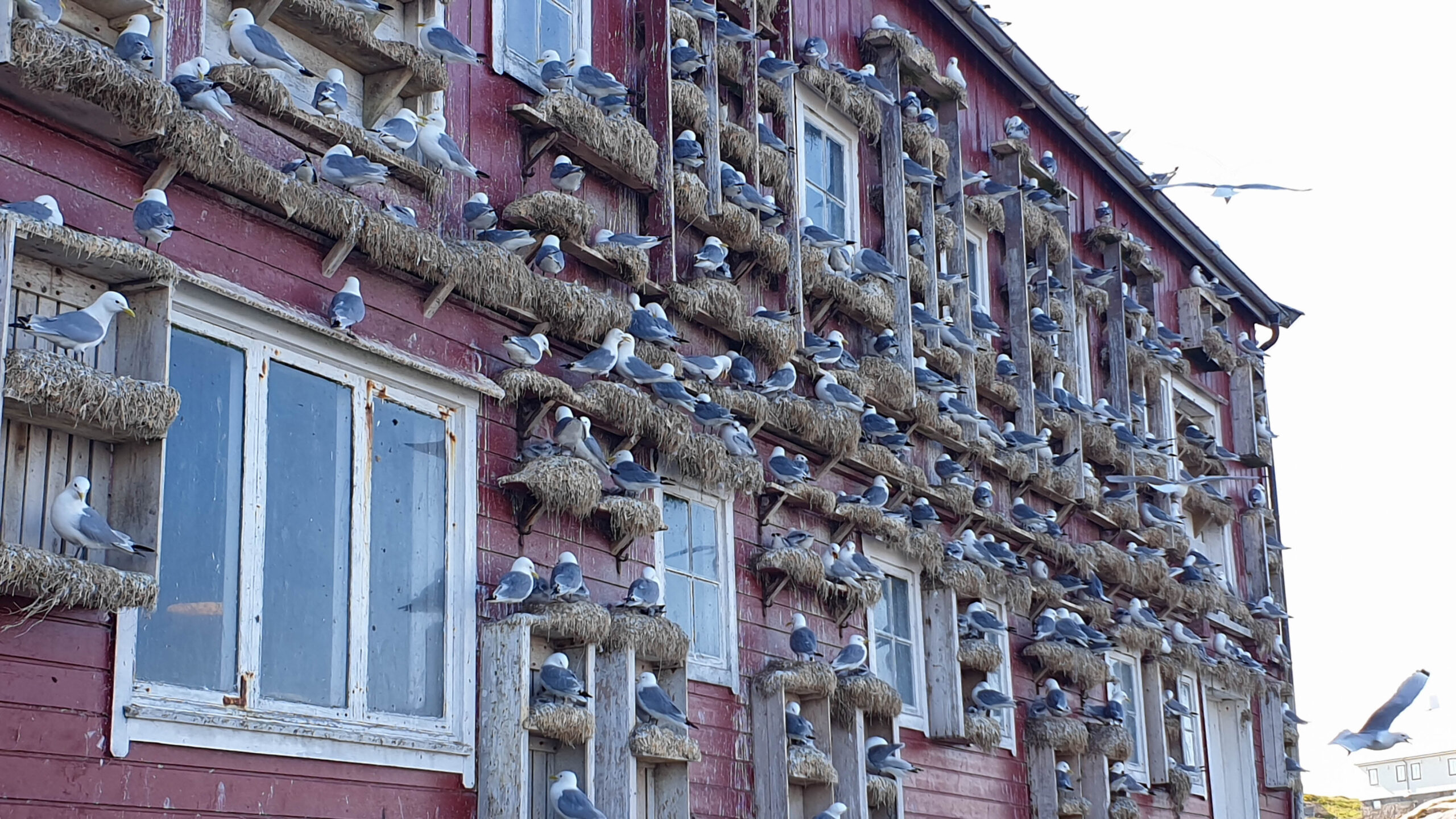
On entering Halten’s harbour, the “Seagull Hotel” immediately caught our eye – a row of carefully mounted nesting boxes on the wall above the ferry dock. At first, we were a little puzzled, but there was a practical conservation purpose behind it: representatives from the Halten Foundation had installed the boxes to provide safe breeding sites for black-legged kittiwakes. On the natural cliff ledges, the chicks are easy prey for larger gulls. The artificial nests greatly improve their chances of survival – even if you have to put up with the constant squawking and inevitable bird droppings.
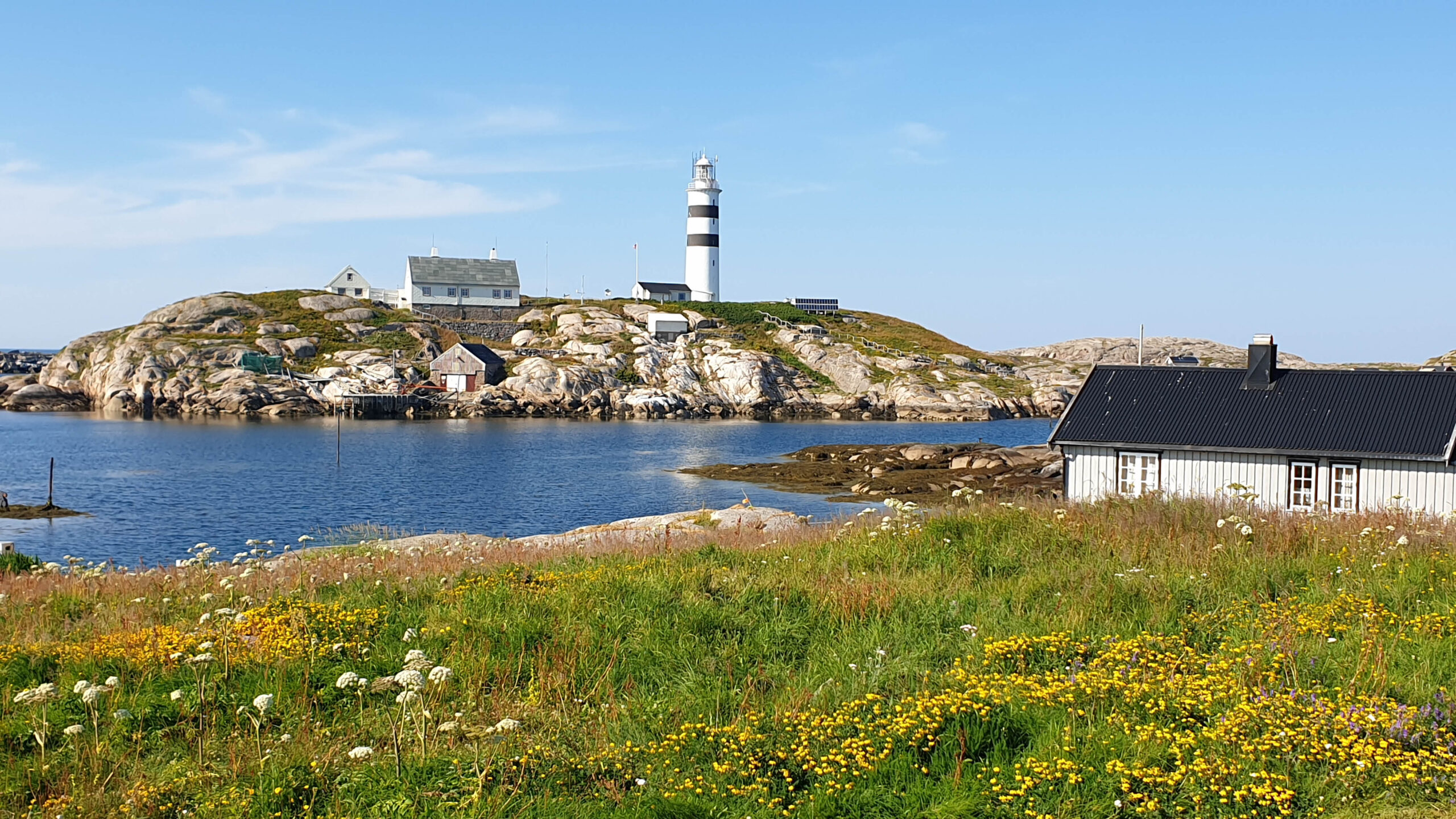
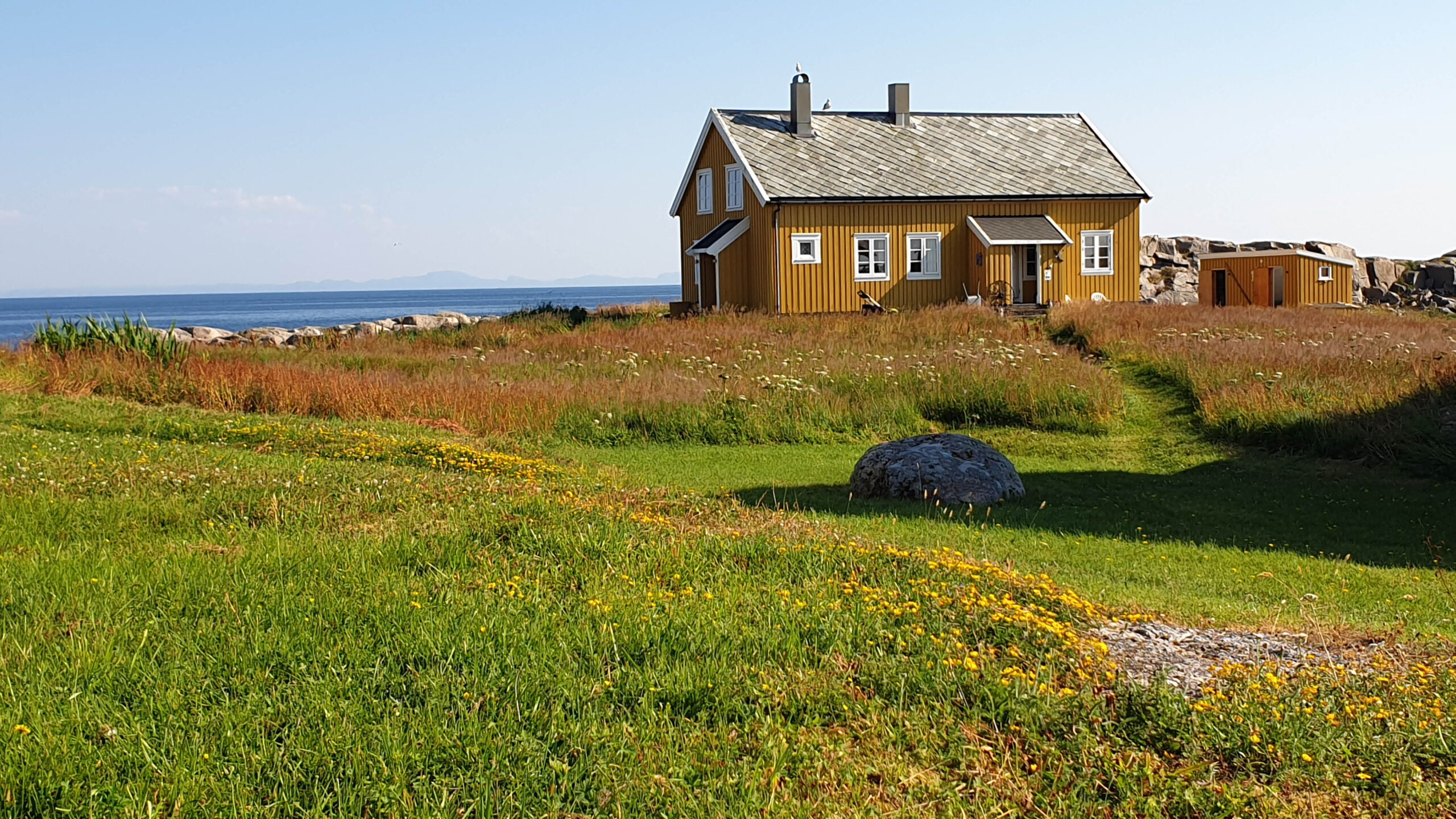
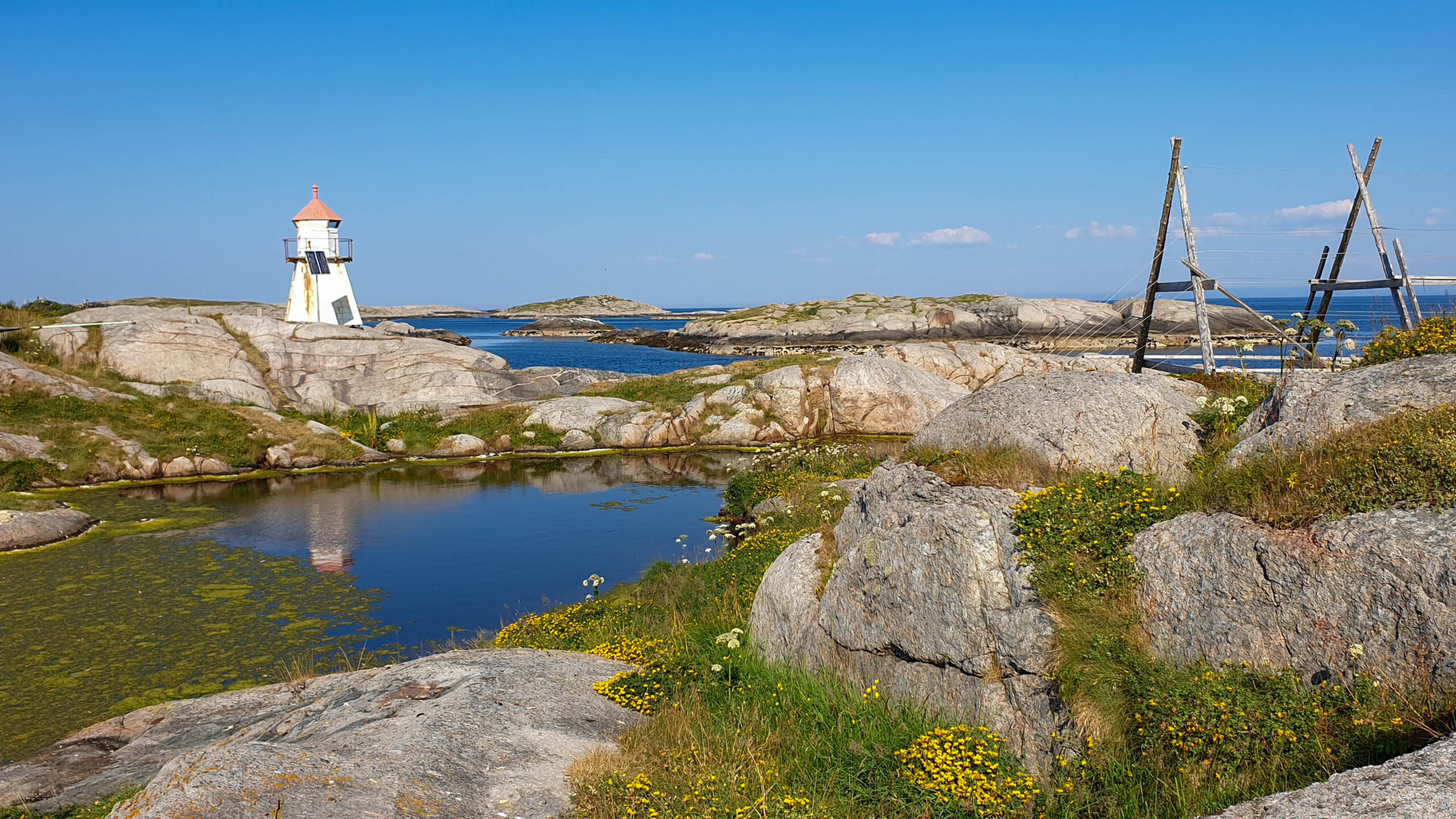
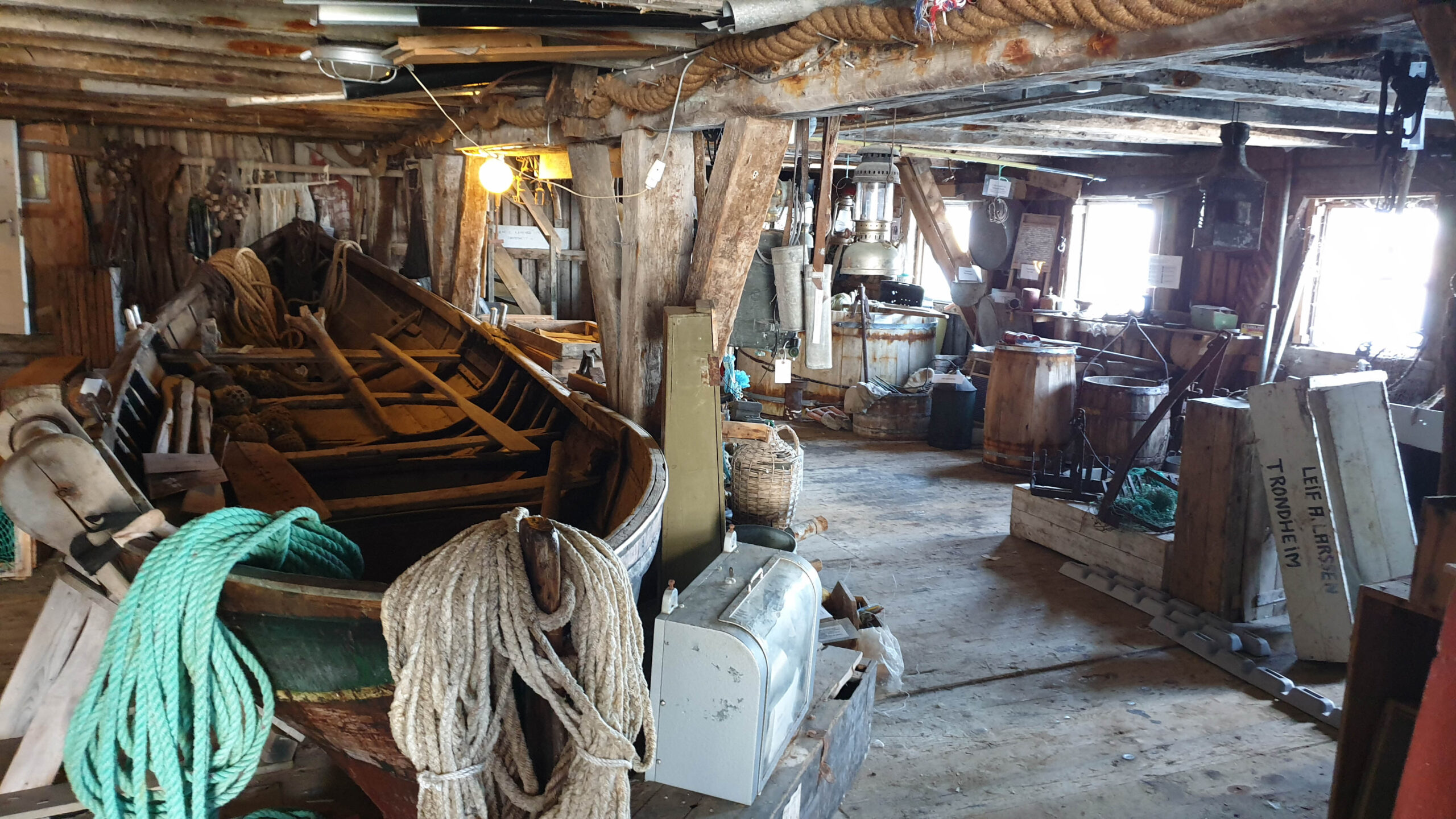
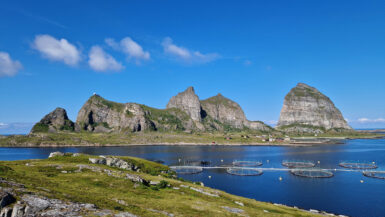
In the afternoon, we took our first walk around Halten. At the small museum, we received a surprisingly lively guided tour: Halten used to be an important winter cod harbour, packed with boats during the peak season and equipped with its own infrastructure – from the storehouse to a medical station. The centrepiece of the site is the former manor house, the so-called Skanklåna, which served as the living and administrative building for the fishing operation.
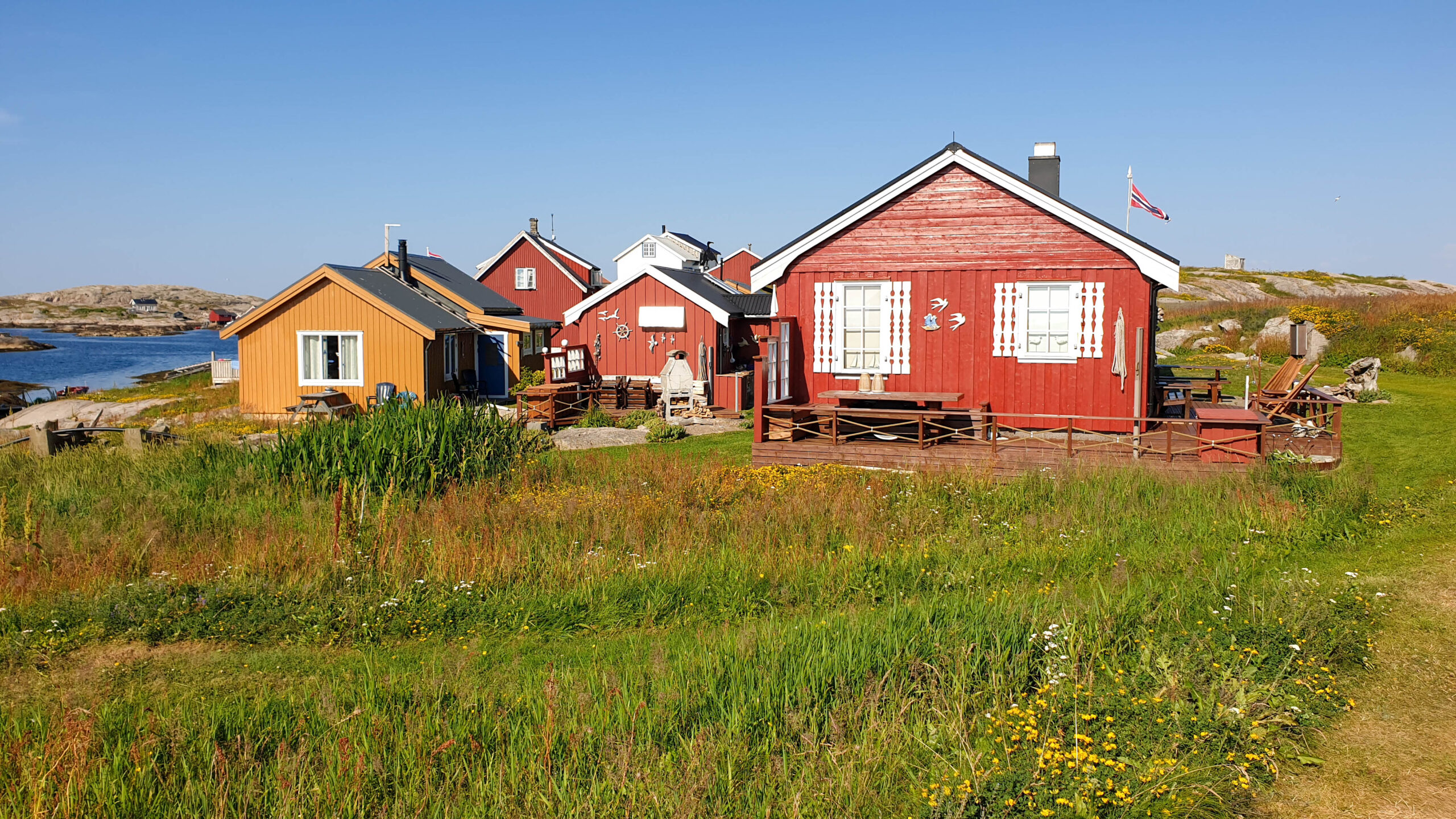
Today, the main building and several outbuildings belong to the Stiftelsen Halten, a foundation that has been caring for the preservation of the old fishing village for many years. Their aim is to maintain Halten as a cultural-historical ensemble while bringing life back to the island – from guided tours and small events to guest accommodation. In summer, many of the houses are occupied, and the island then feels almost as lively as it once did, albeit much more relaxed and with far fewer cod.
Later, we ran into a less charming surprise. We wanted to use the dinghy to reach other parts of the island and tilted up the outboard to land. Birgit was already ashore when we noticed oil leaking from the engine casing. Quickly flipped back down, we opened the casing – and found the culprit immediately. After the last oil change, the yard had not inserted the dipstick correctly. Result: about one litre of oil inside the boat. So back we rowed and spent one to two hours cleaning up. The dinghy remained out of service until the next port with motor oil available – unfortunately, diesel engine oil does not help here.
After a day and a half, our paths parted from Julia and Jens again. Senja turned south, while we continued our course northwards.
Over the next two days, we used the time to make up some miles, with stops in Sætvika and Berg before continuing on to Herøy.
Leave a reply