

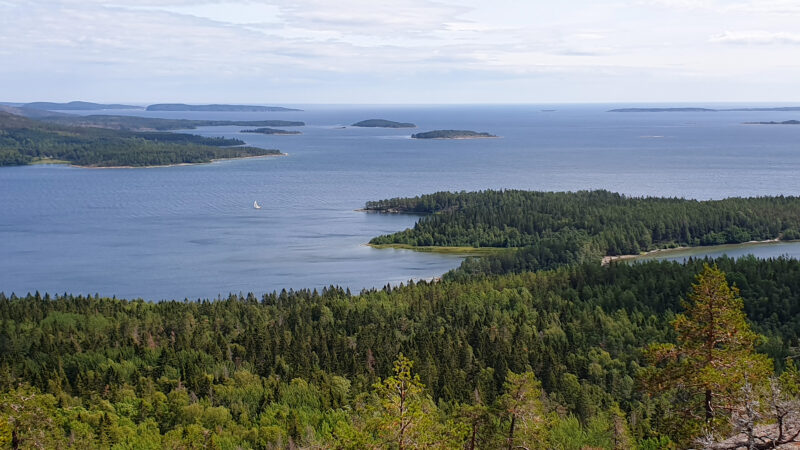
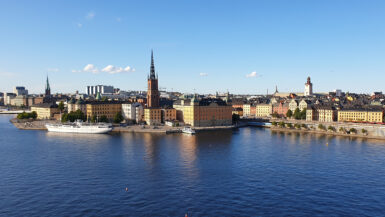
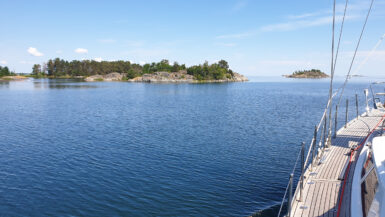
On 12 July, we left Stockholm and made our way through the sprawling Stockholm archipelago towards Arholma. At first, we had to use the engine, then we could raise the sails and sail towards the anchorage. The first anchorage we tried was already taken, and the second seemed too narrow and shallow. So we entered Arholma and anchored there. This would be our last night before the long journey to Höga Kusten. Unfortunately, the wind remained quite lively during the night, Anori dragged, and the anchor alarm woke us from our sleep. In the drizzling rain, we weighed the anchor again, and this time it held until morning.
Around noon, we raised the anchor and set off. The timing was chosen so that, according to our planned route, we would arrive at Docksta/Höga Kusten around the morning of 15 July. We would be sailing mostly on deep courses — not exactly Anori’s specialty.
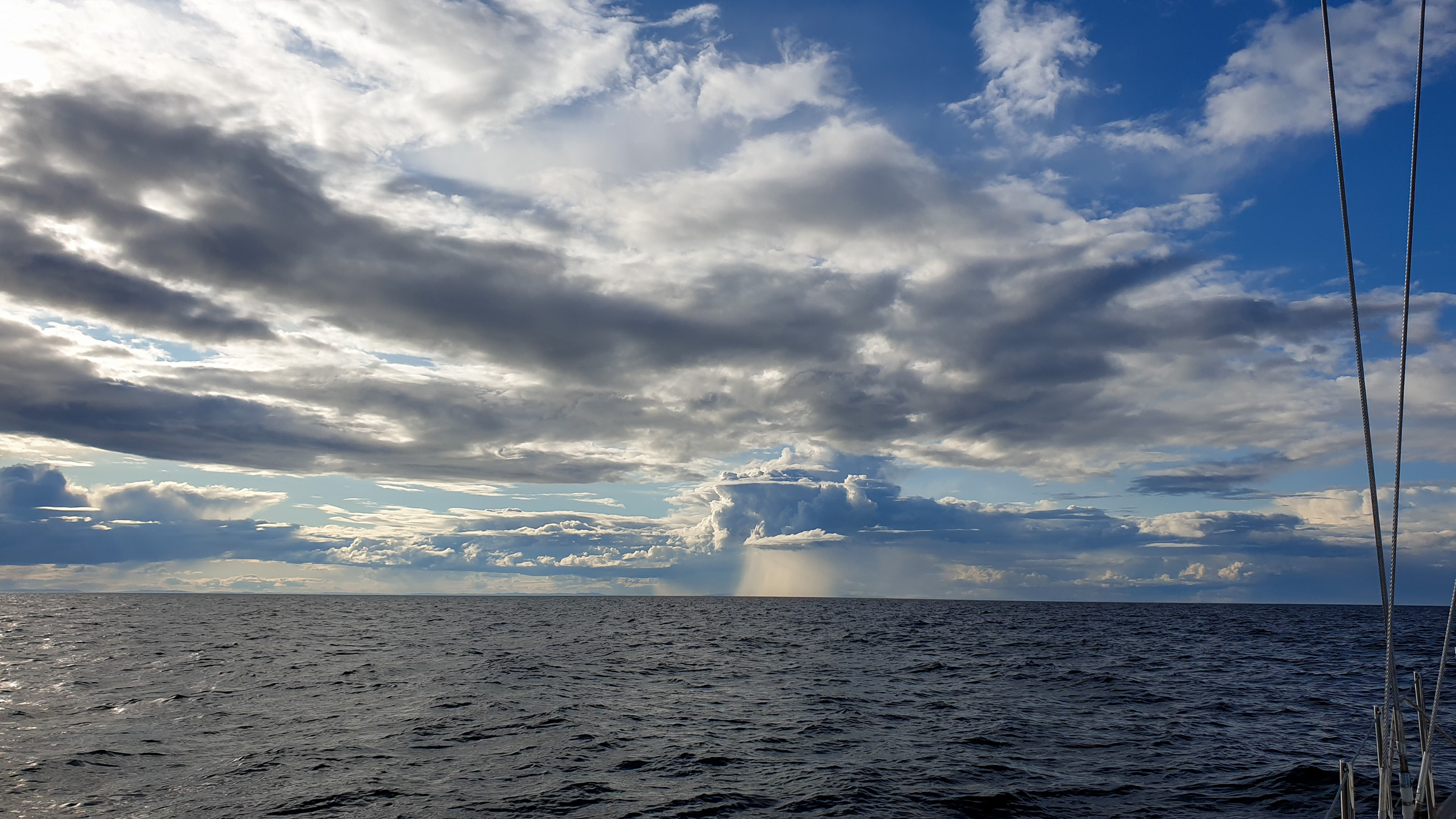
We got off to a very leisurely start; around midday we even had to rely on the engine for a while. In the afternoon, the wind picked up. We lowered the mainsail and sailed almost entirely under the genoa from then on. The first night was calm and clear, and we made good progress. The following day remained quiet, and we continued sailing under the genoa. In the evening, we set the mainsail and the cutter jib for a close reach, which would define the final stretch of our passage. Another wonderful night of sailing with good wind. We took down the genoa to avoid arriving too early and in darkness. The sun was just peeking over the tall coastal mountains as we tied up at our destination, the small harbour of Docksta. As everyone was still asleep, we decided to lie down in our bunks for a while.
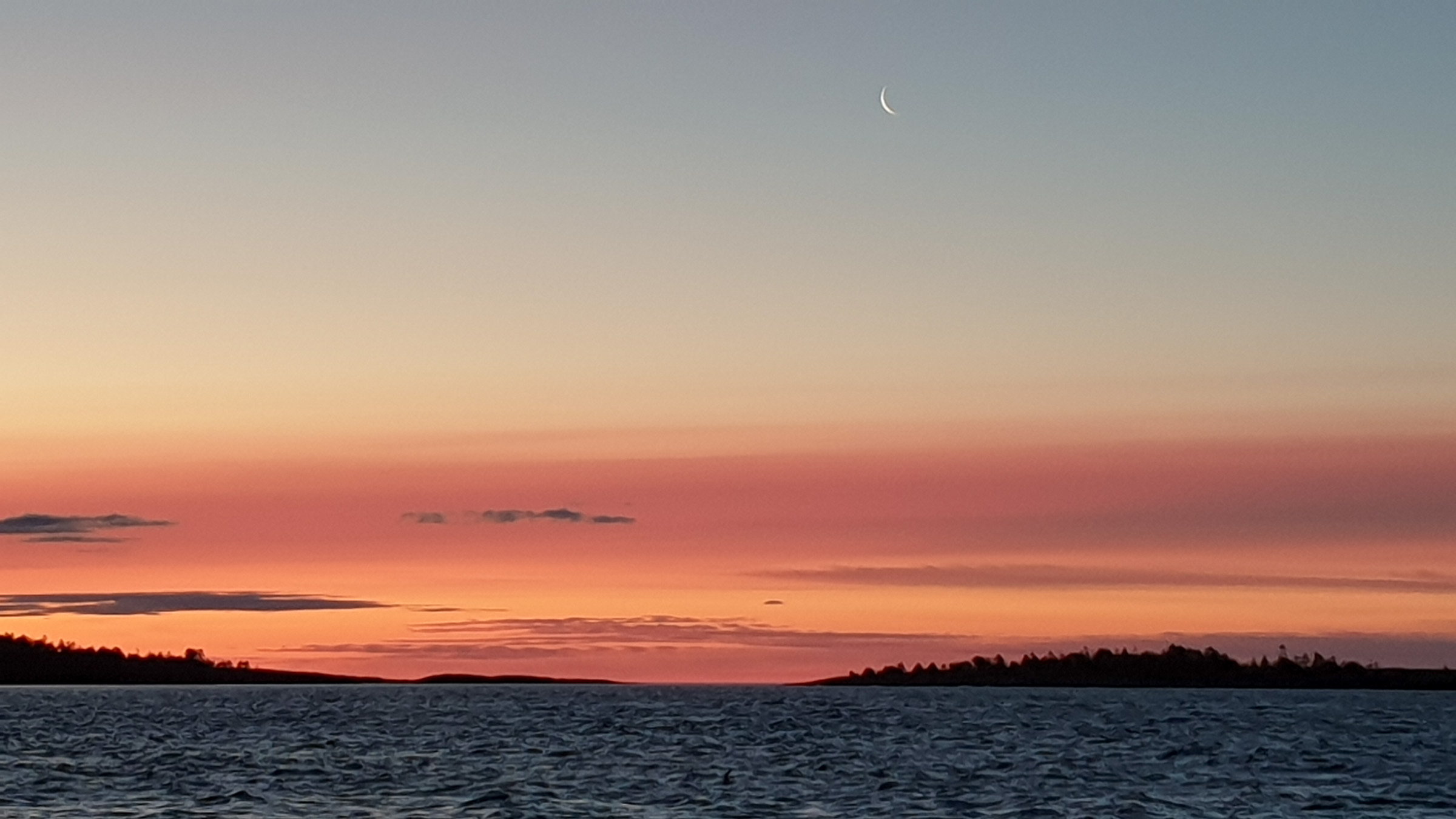
The harbour of Docksta is located in the middle of the High Coast and is run by Tommaso De Rosa and his wife Anna, along with his brother Michele. Italian hospitality in the far north. Rarely have we been welcomed so warmly and, at the same time, supported so competently.
Around midday, we went for a walk to the visitor and information centre for the High Coast, the Naturum. This is not a national park centre, but a very interesting exhibition about the region, with many fascinating exhibits and explanations about its formation.
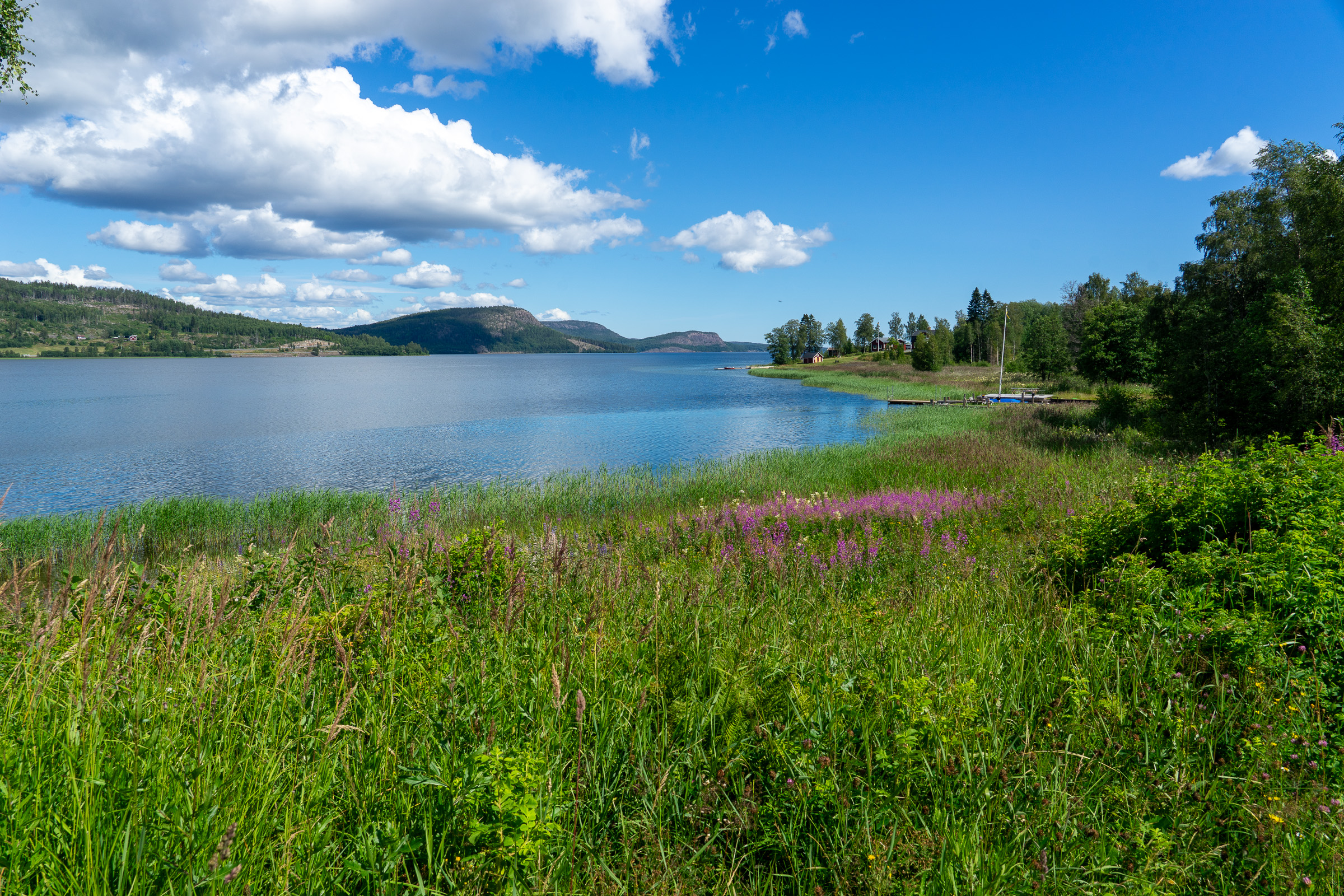
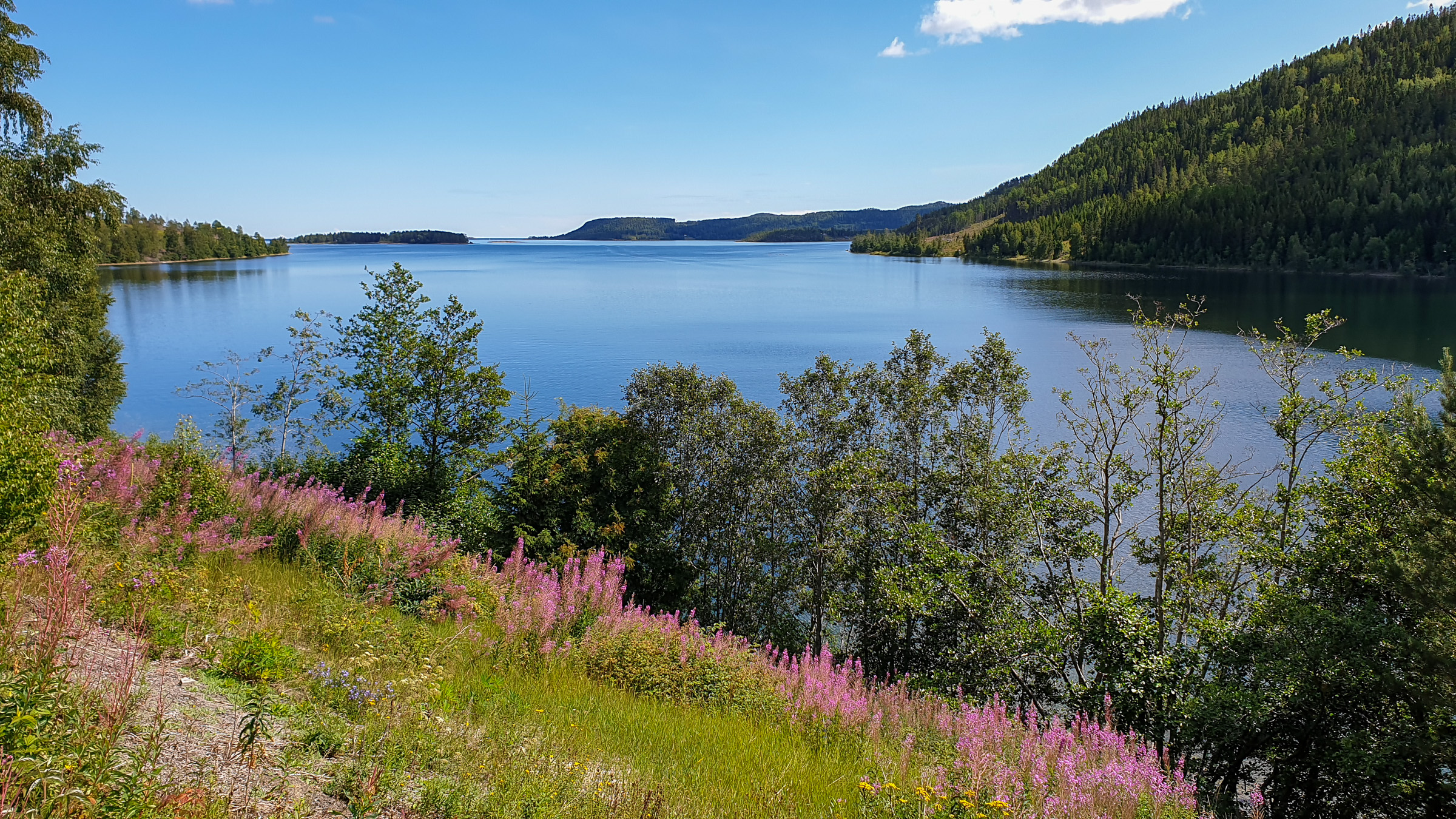
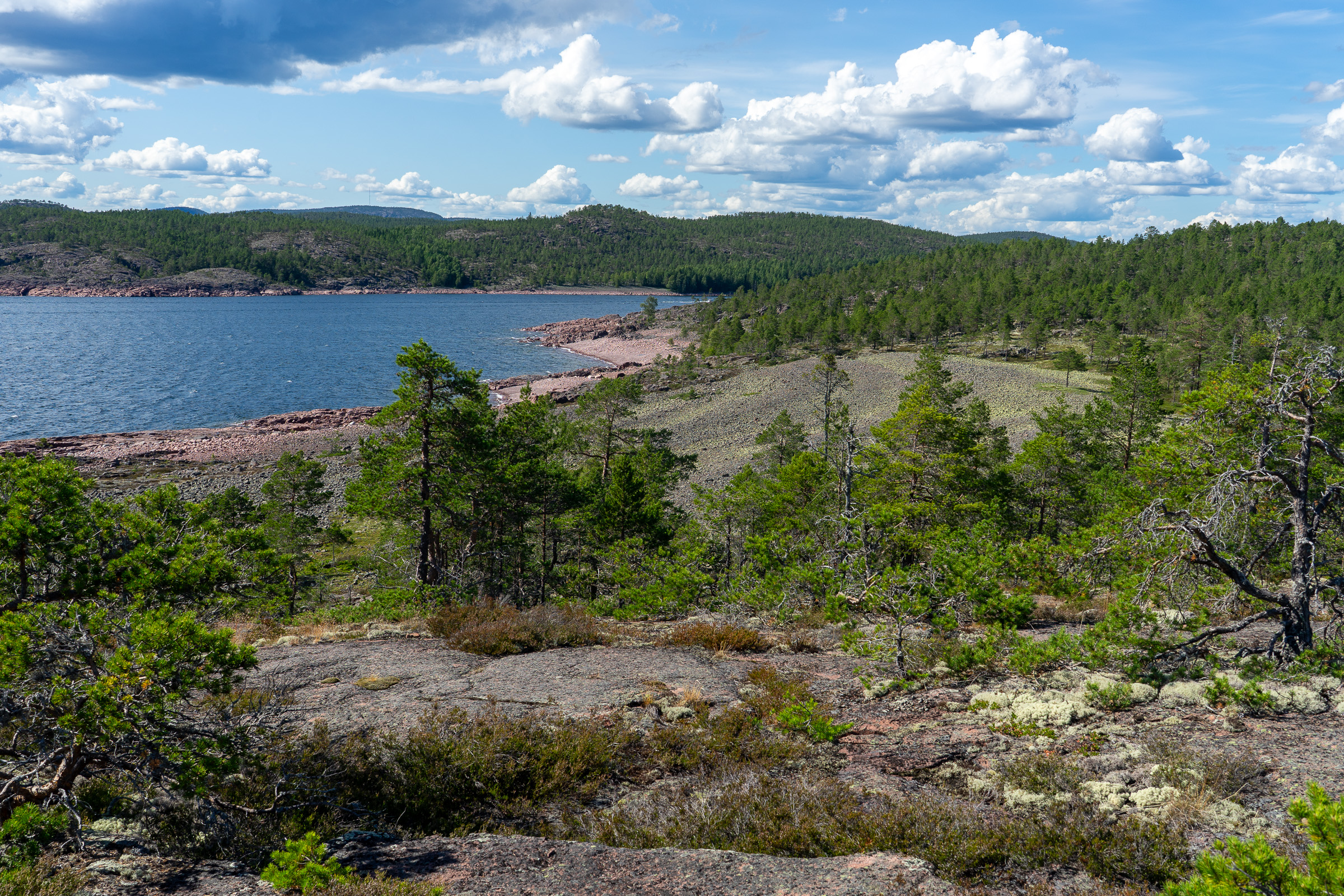
The High Coast is part of a UNESCO World Heritage Site and is distinguished by one of the strongest post-glacial land uplifts in the world. The result is a landscape of steep coasts, striking mountains, and deeply indented bays, where forest, rock, and sea come together in a compact, dramatic mix.
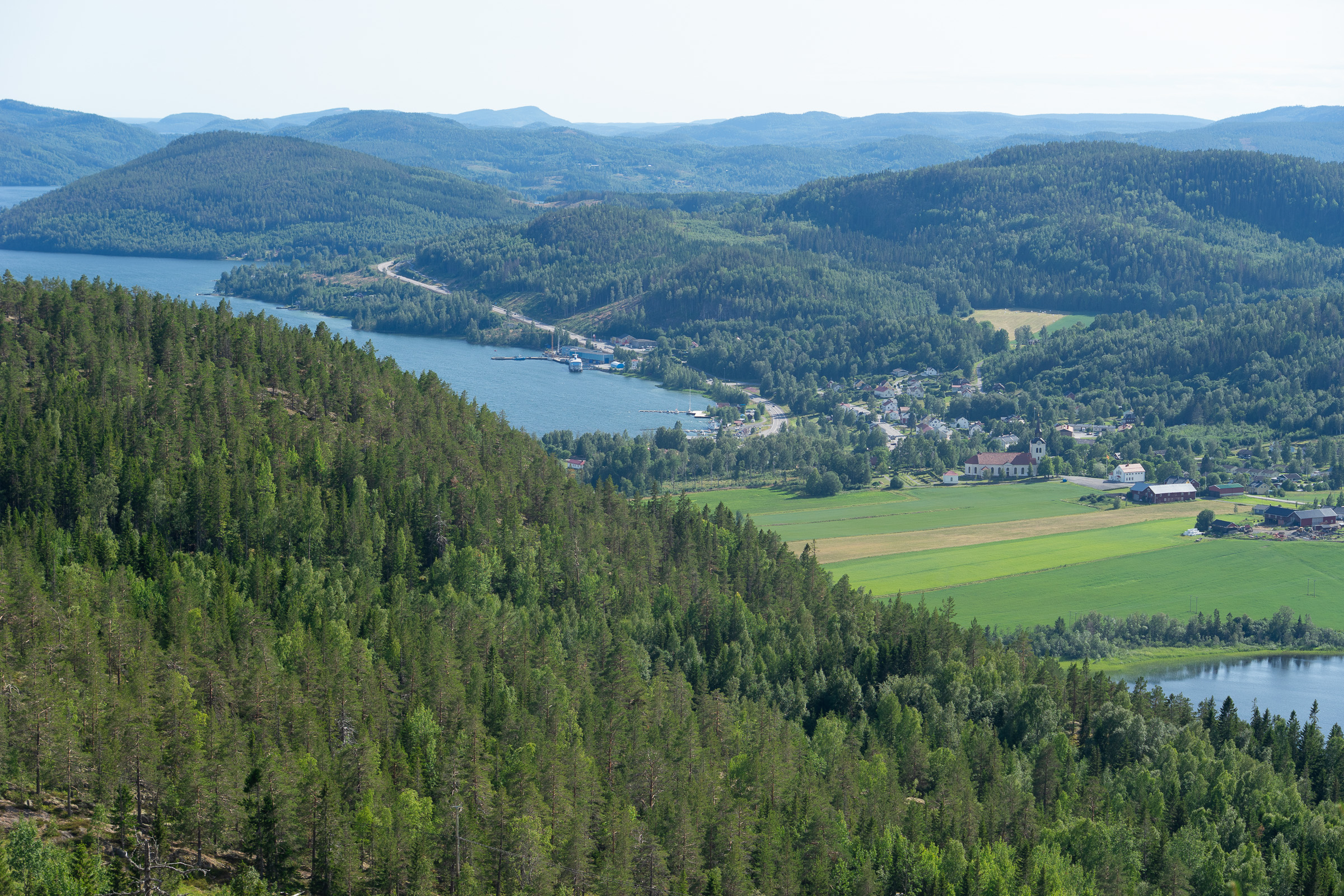
The Naturum lies at the foot of Skuleberget. As we still had energy and welcomed some movement after spending a long time on the boat, we climbed the mountain and enjoyed the spectacular view from the top.
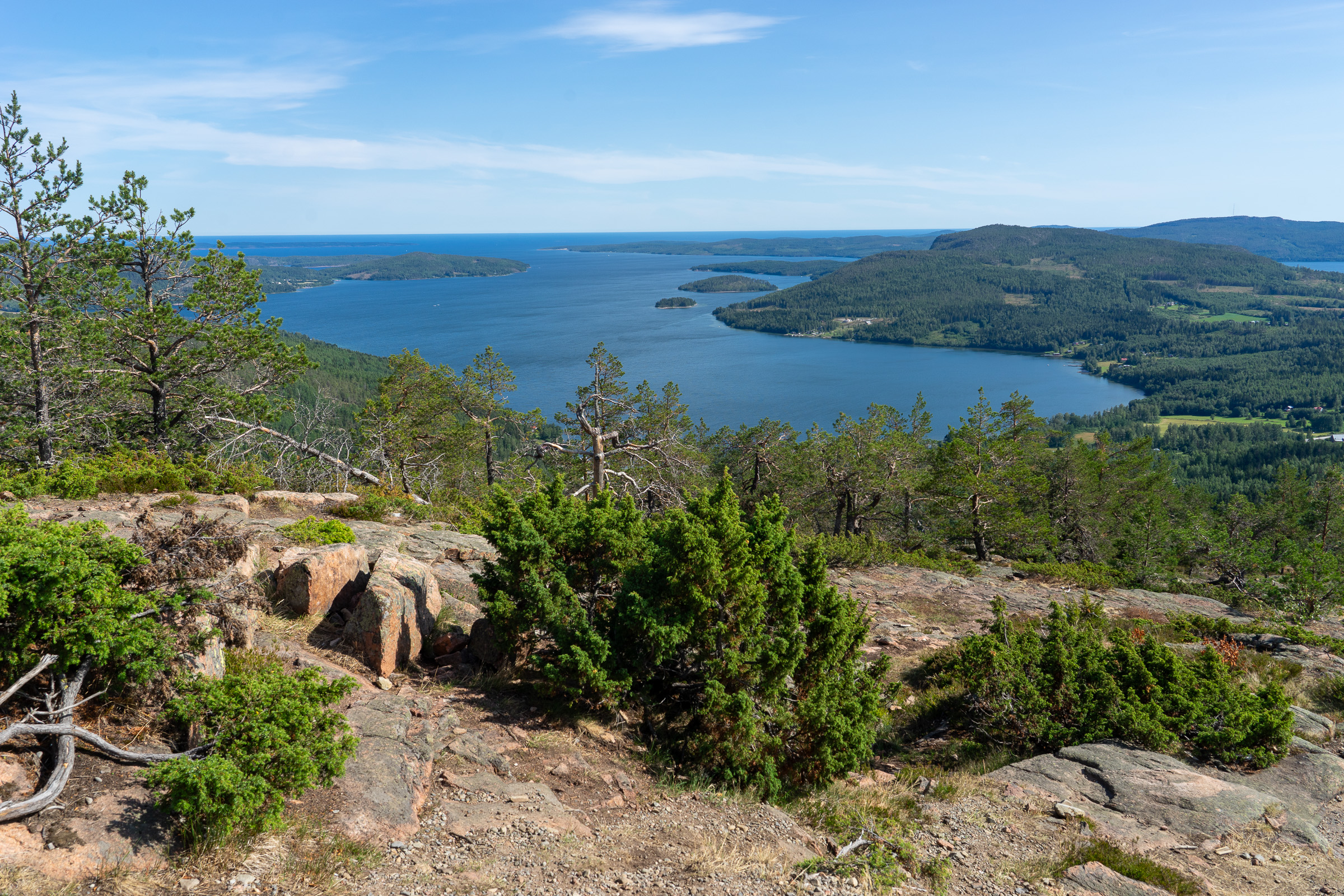
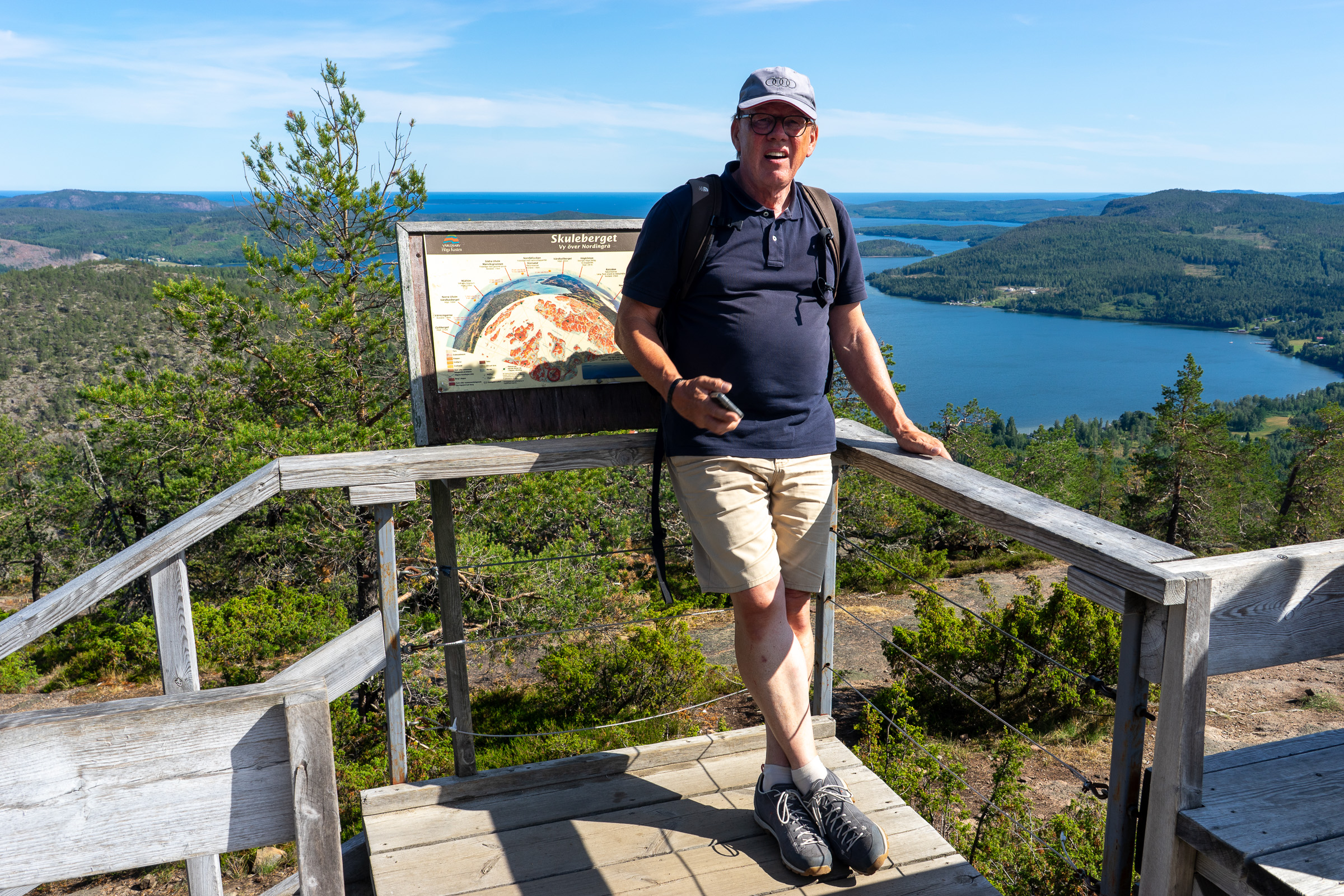
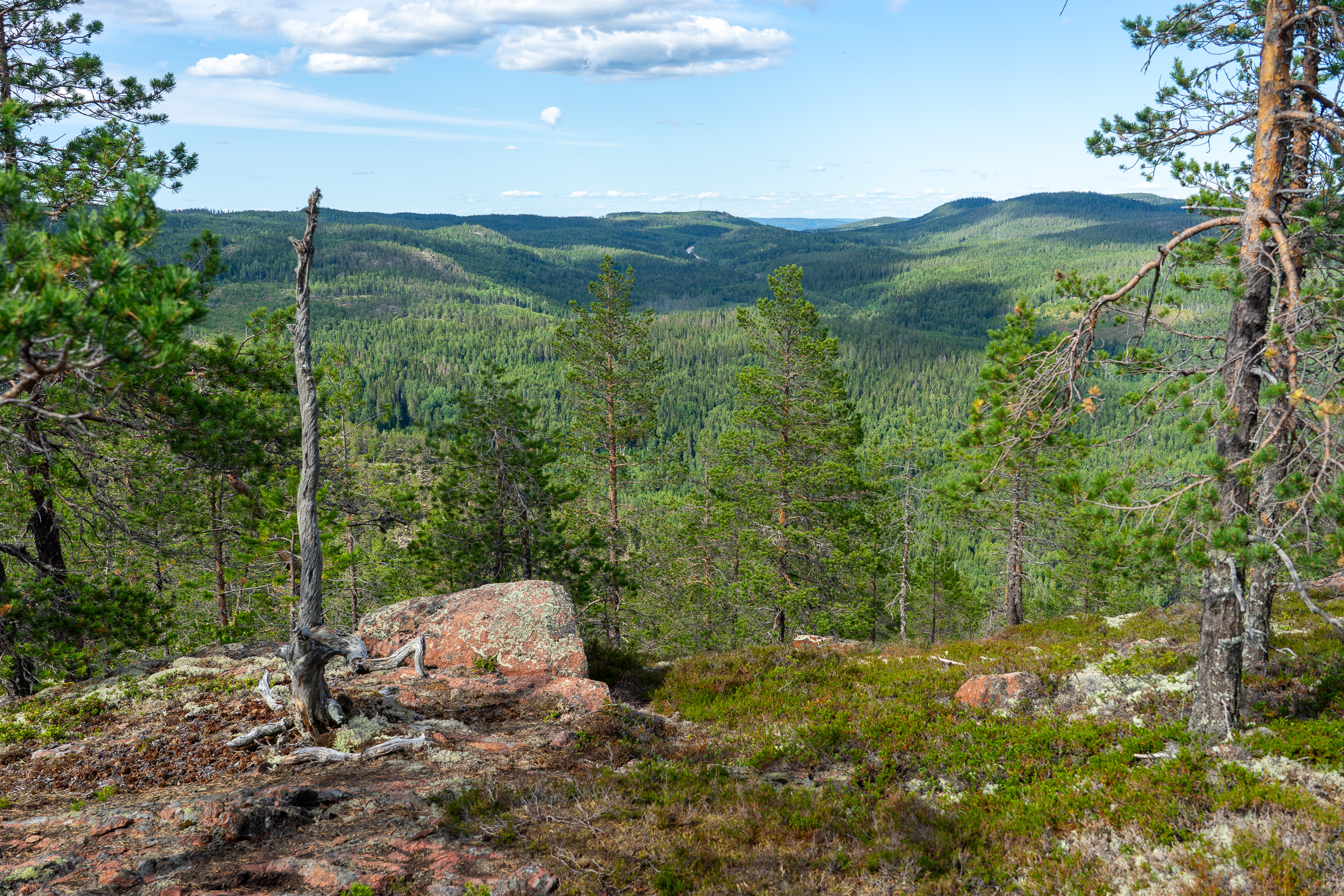
The next day, it poured with rain. So we stayed on the boat, tidied up, did a bit of tinkering, and only made a short trip to the nearby supermarket.
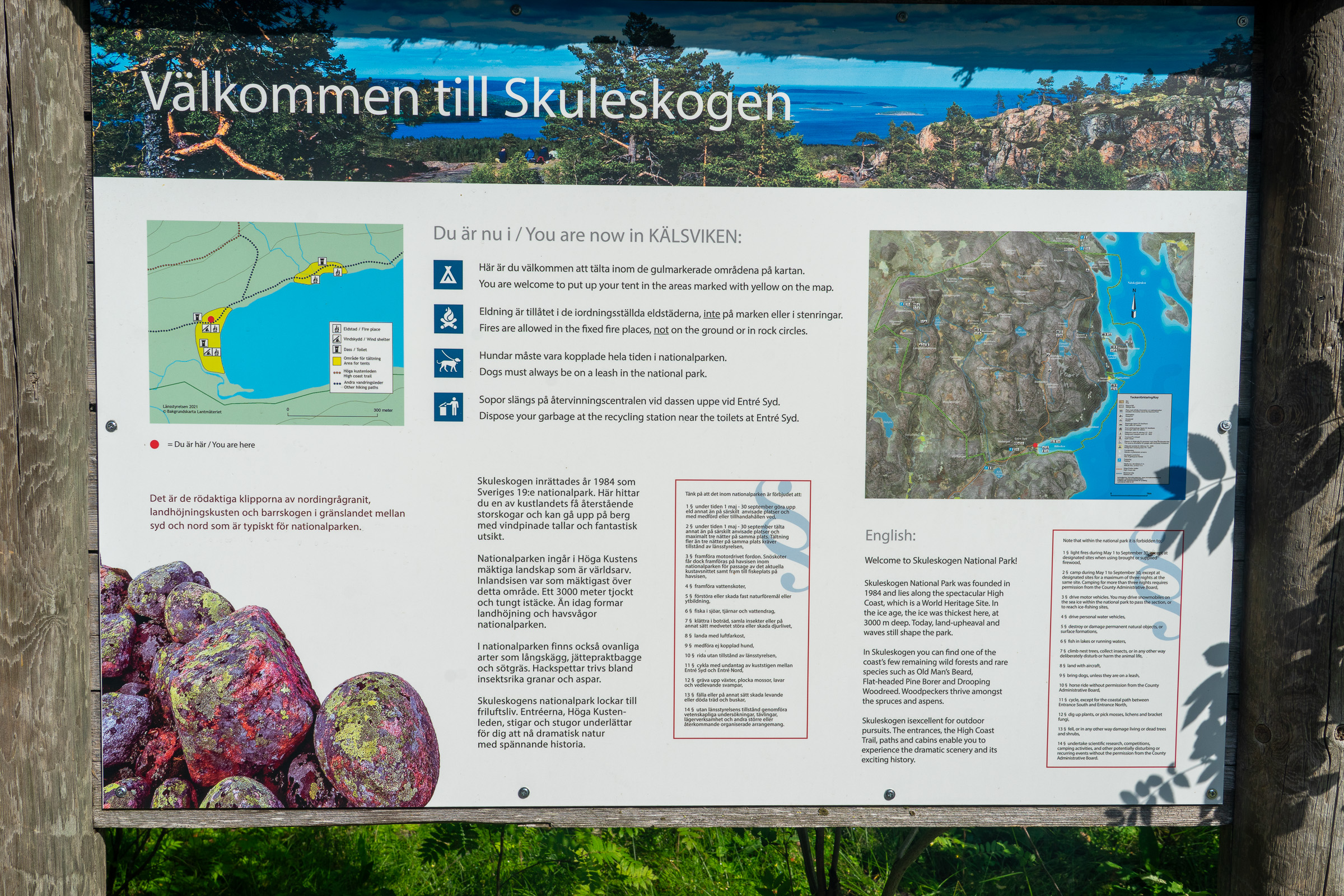
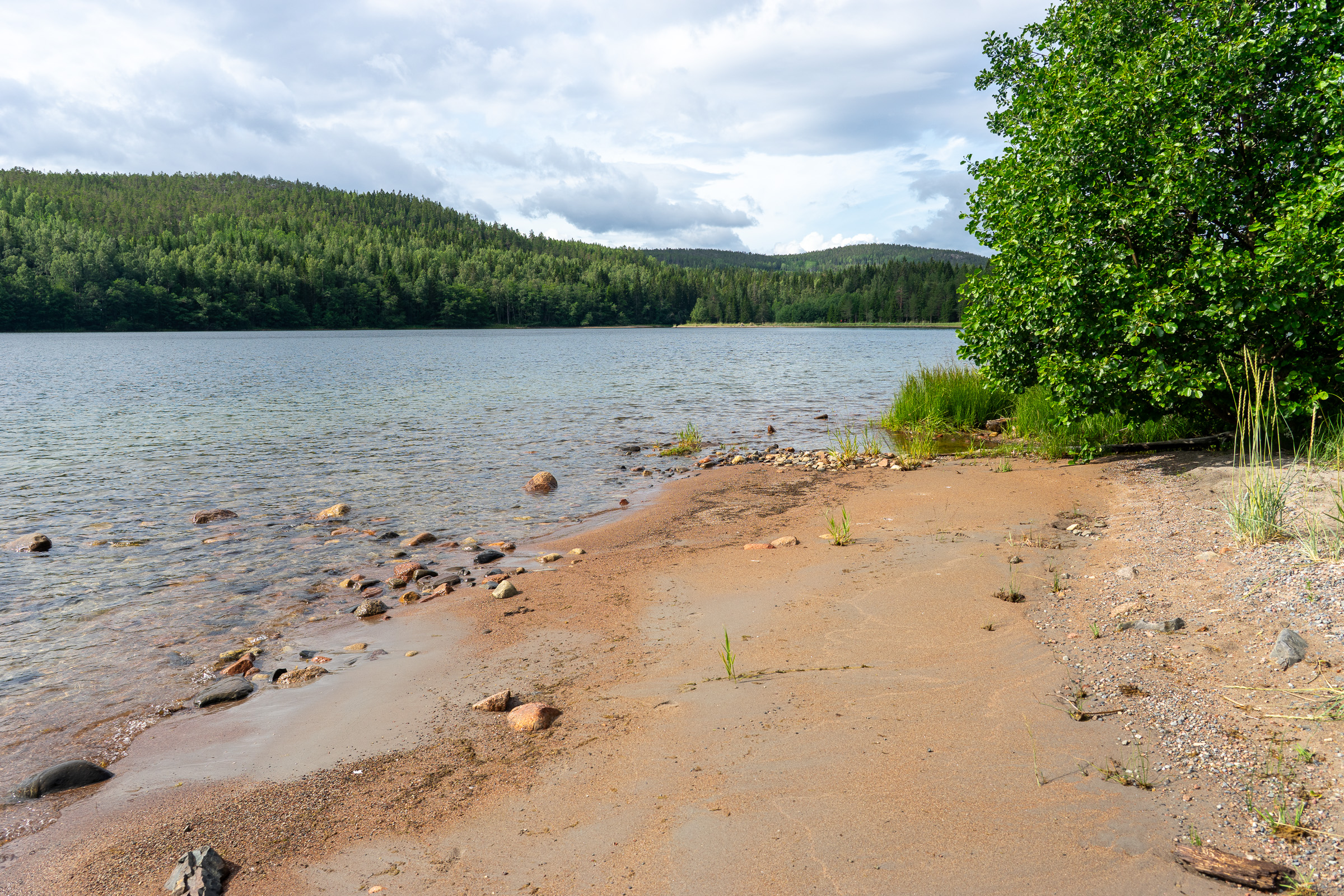
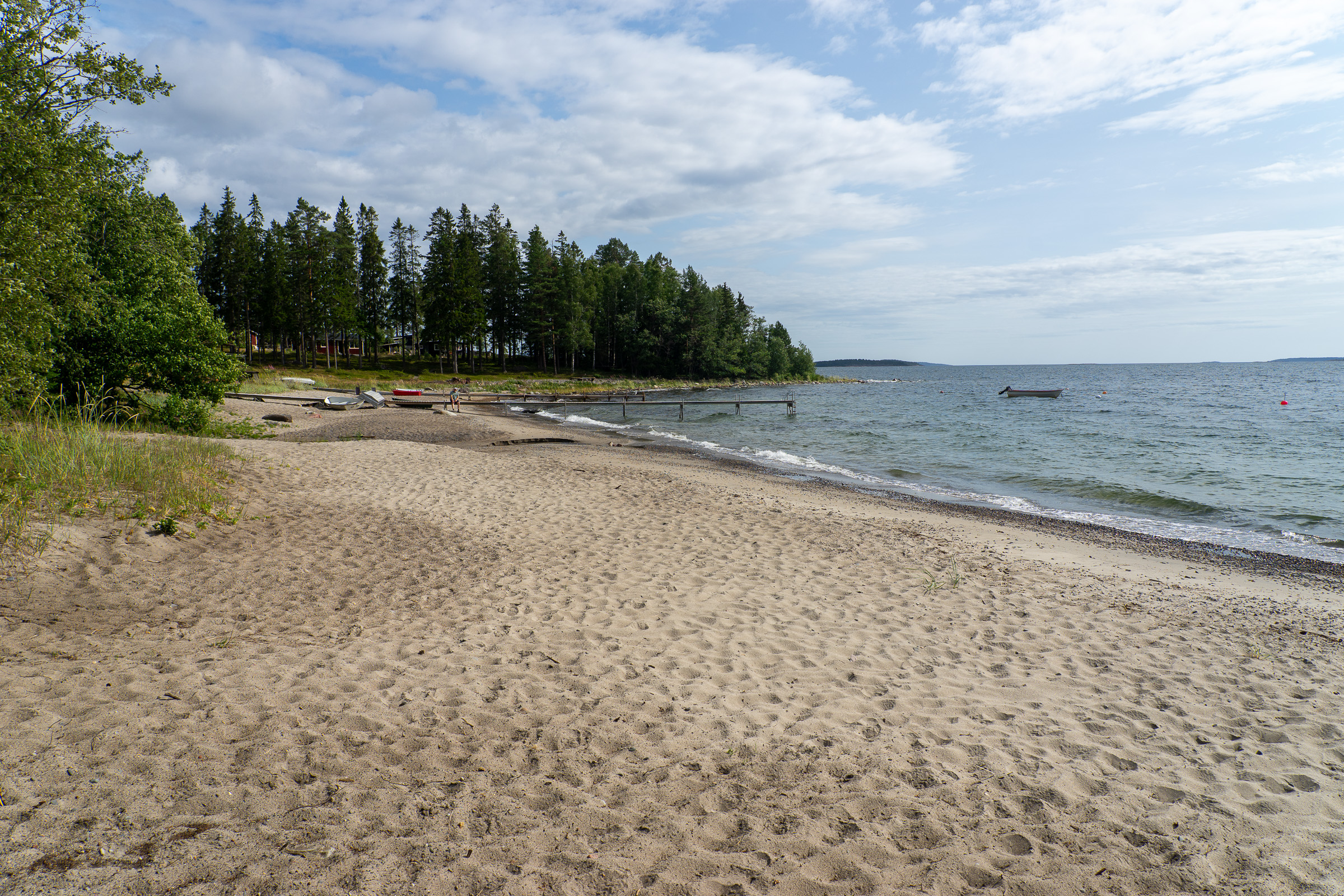
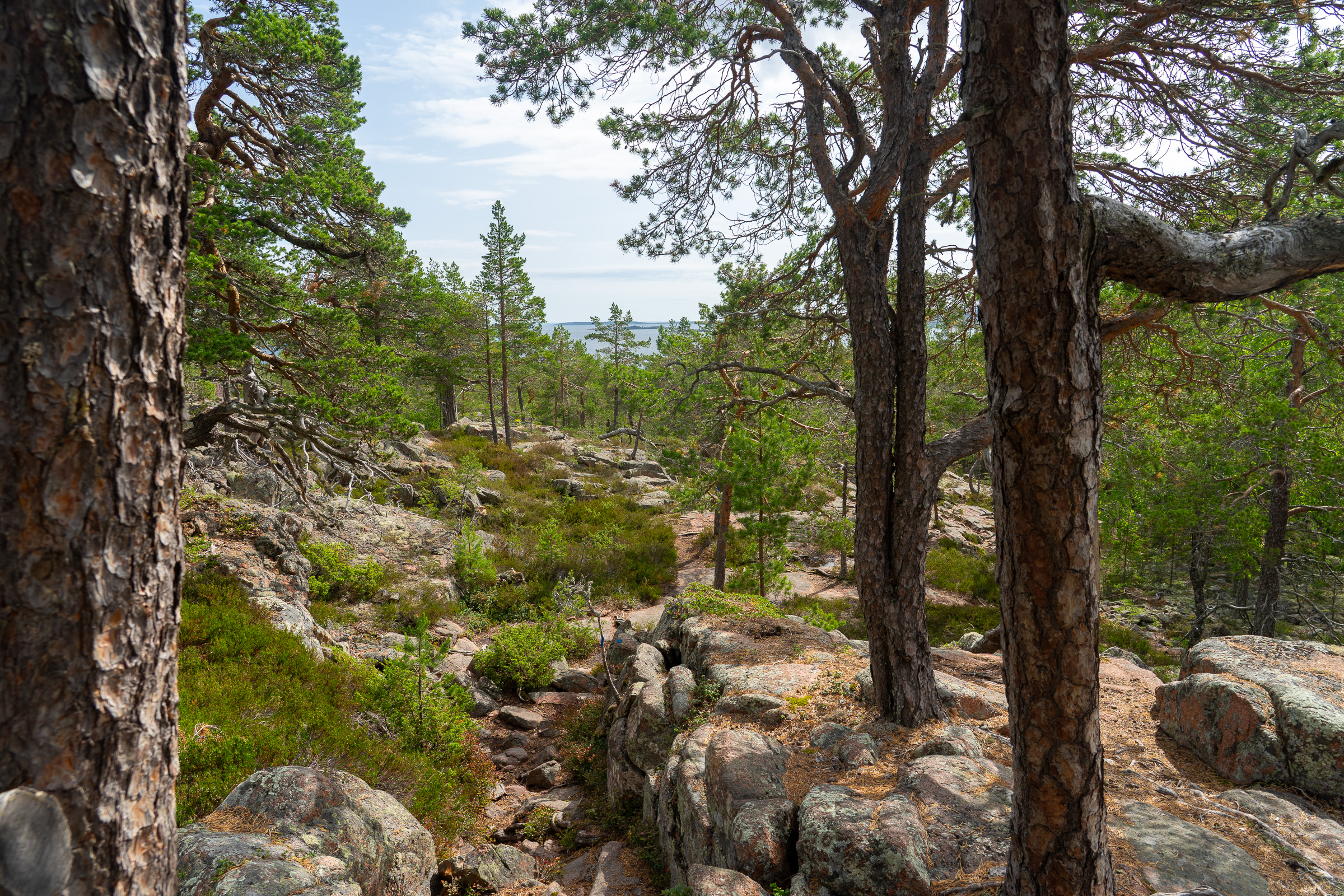
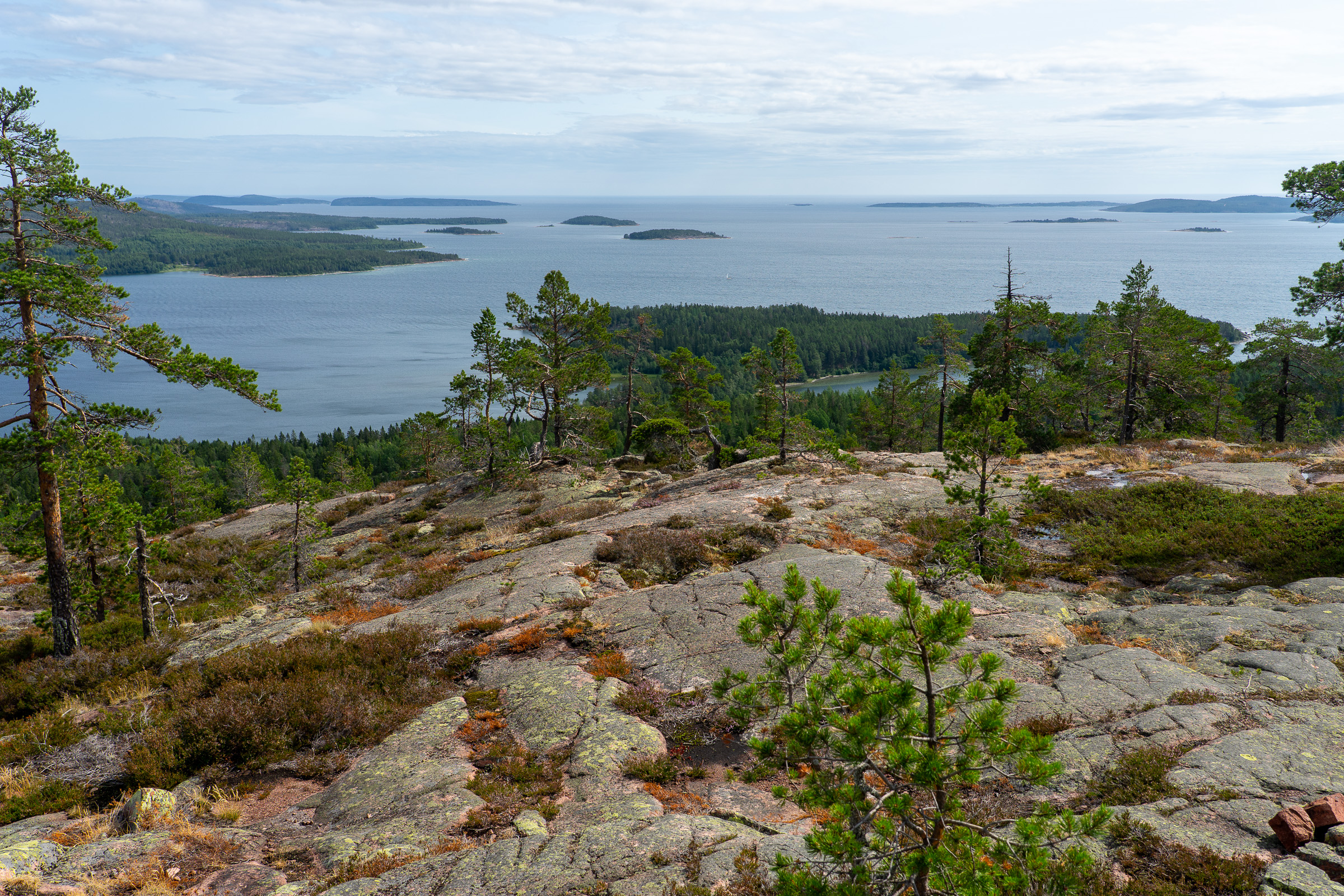
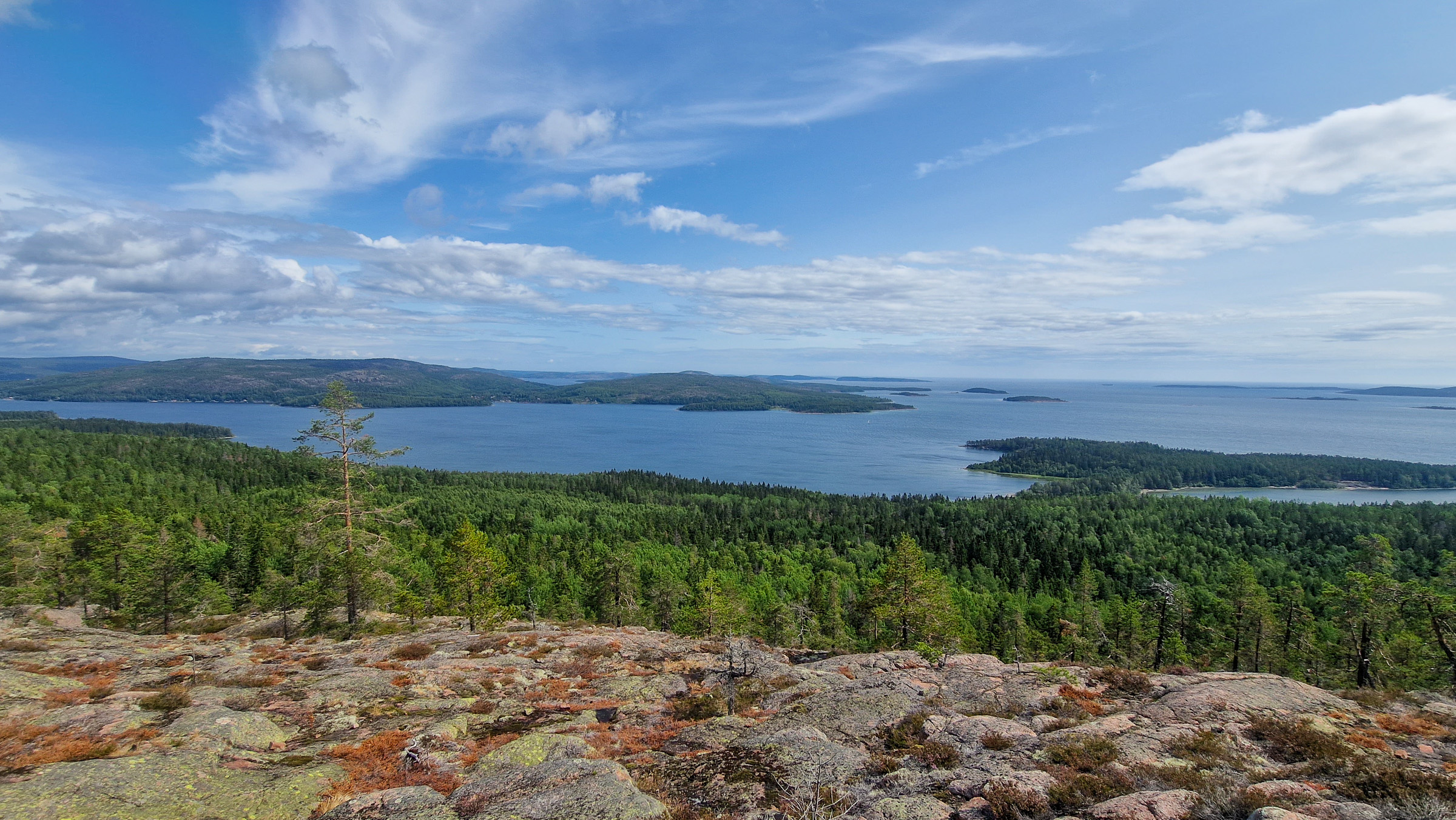
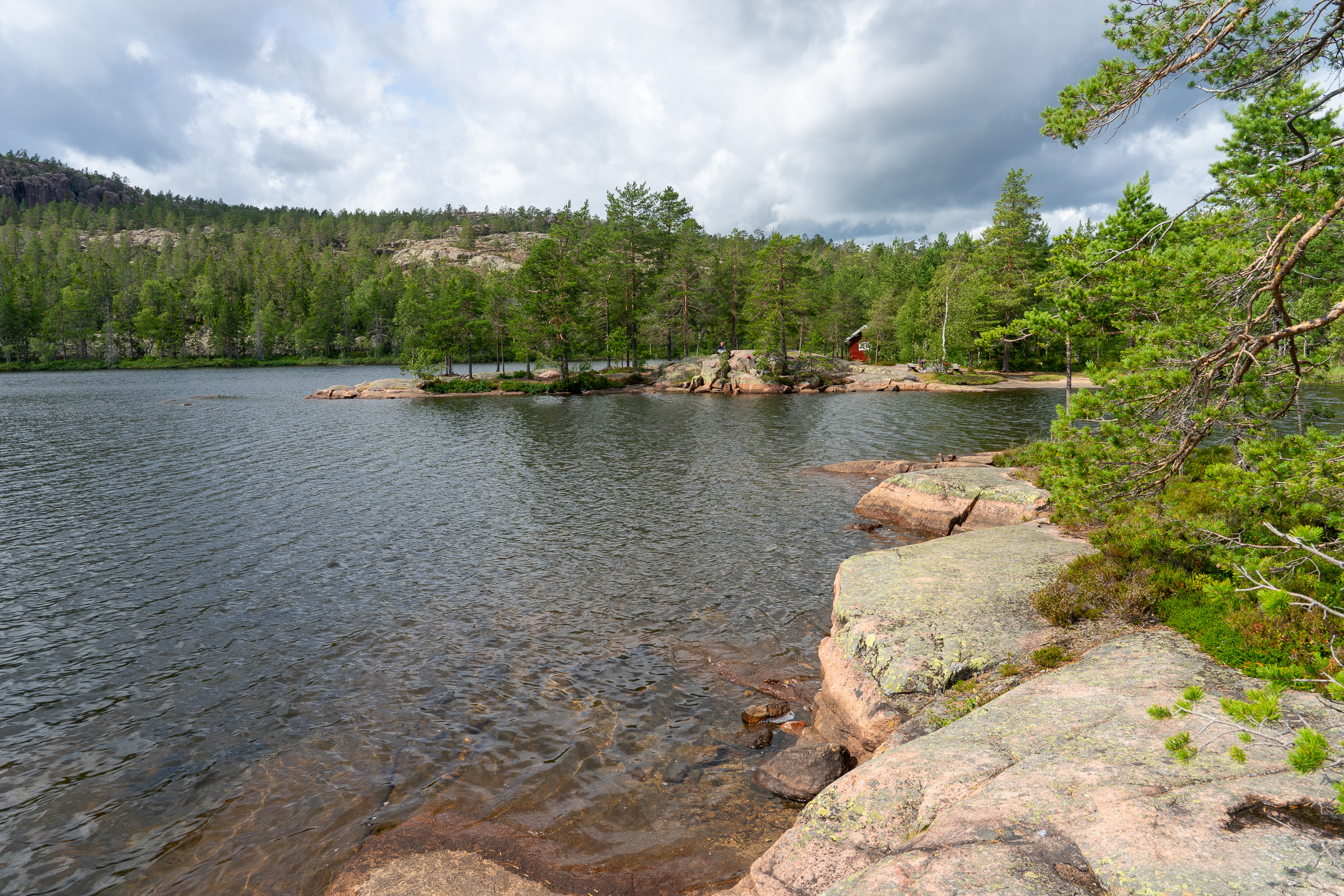
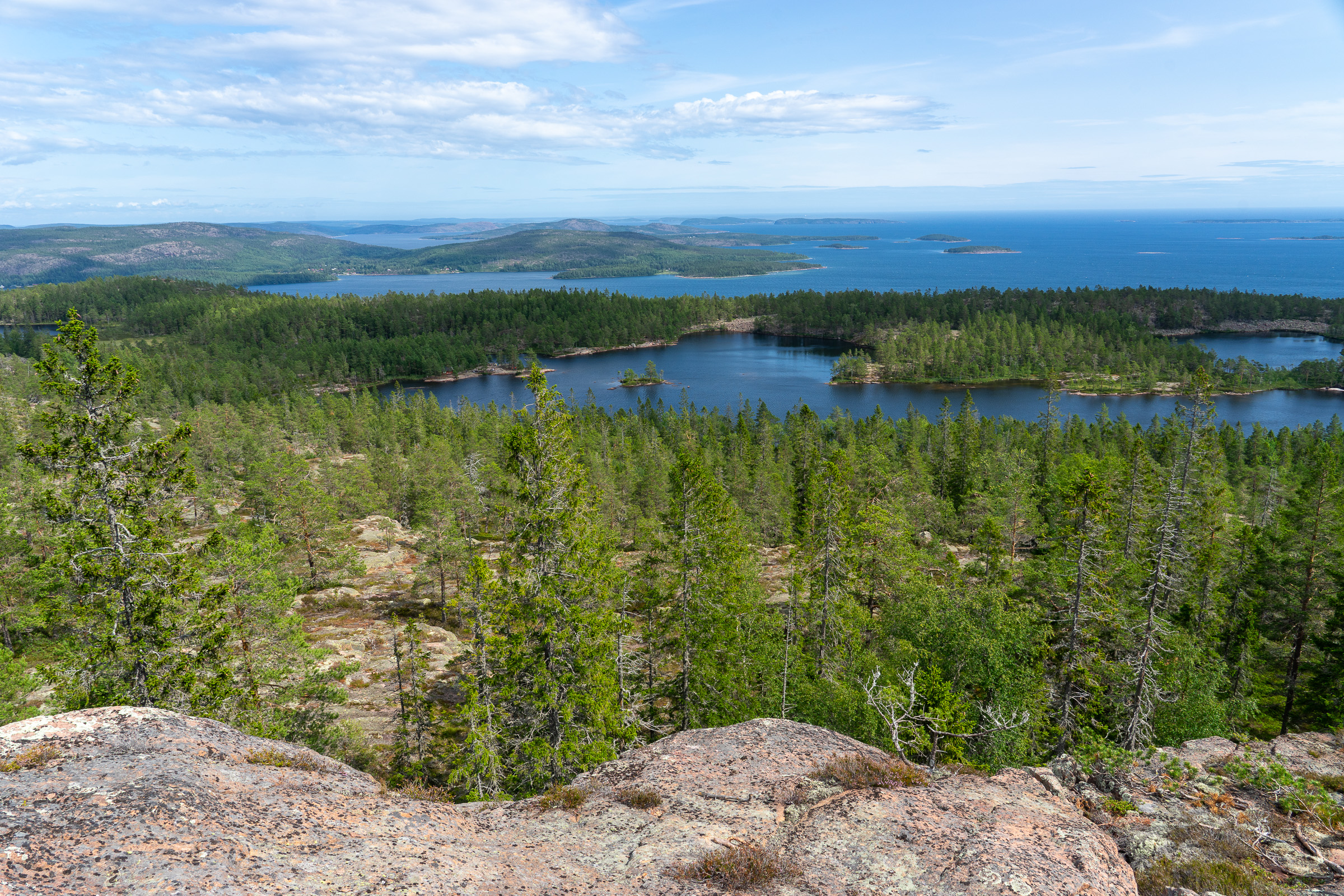
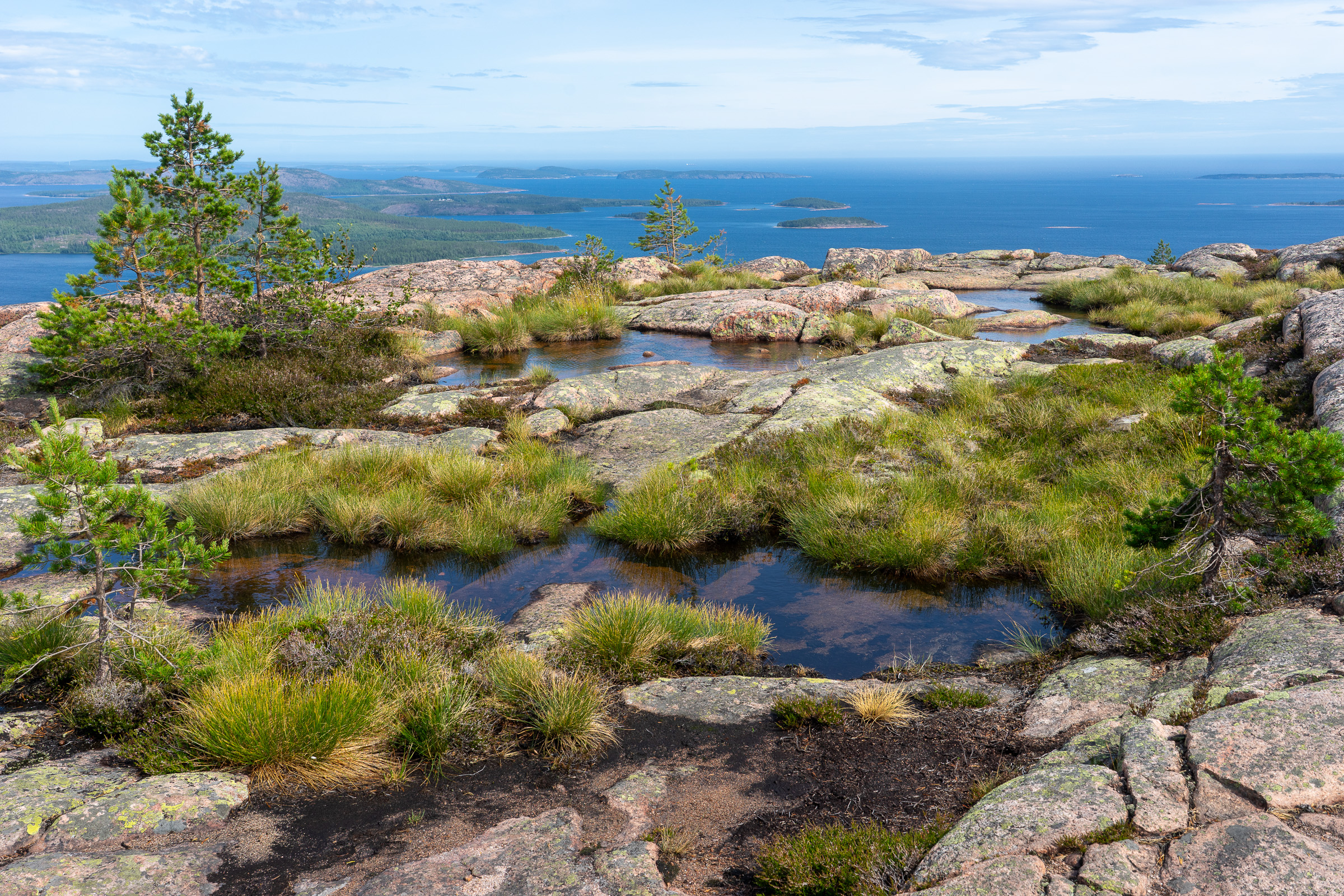
The following day, the sun was shining again, and we were looking forward to one of the highlights of the region: Skuleskogen National Park. We took the bus to the southern entrance, from where we set out on an exciting and varied hike. The trail first led along a lake towards Näskebodarna. From there, we climbed over large rocks and through low bushes and pines up to the Tärnättvattnen, where our efforts were rewarded with a fantastic view. Expansive bays, bordered by steep cliffs or gentle beaches, stretched as far as the eye could see.
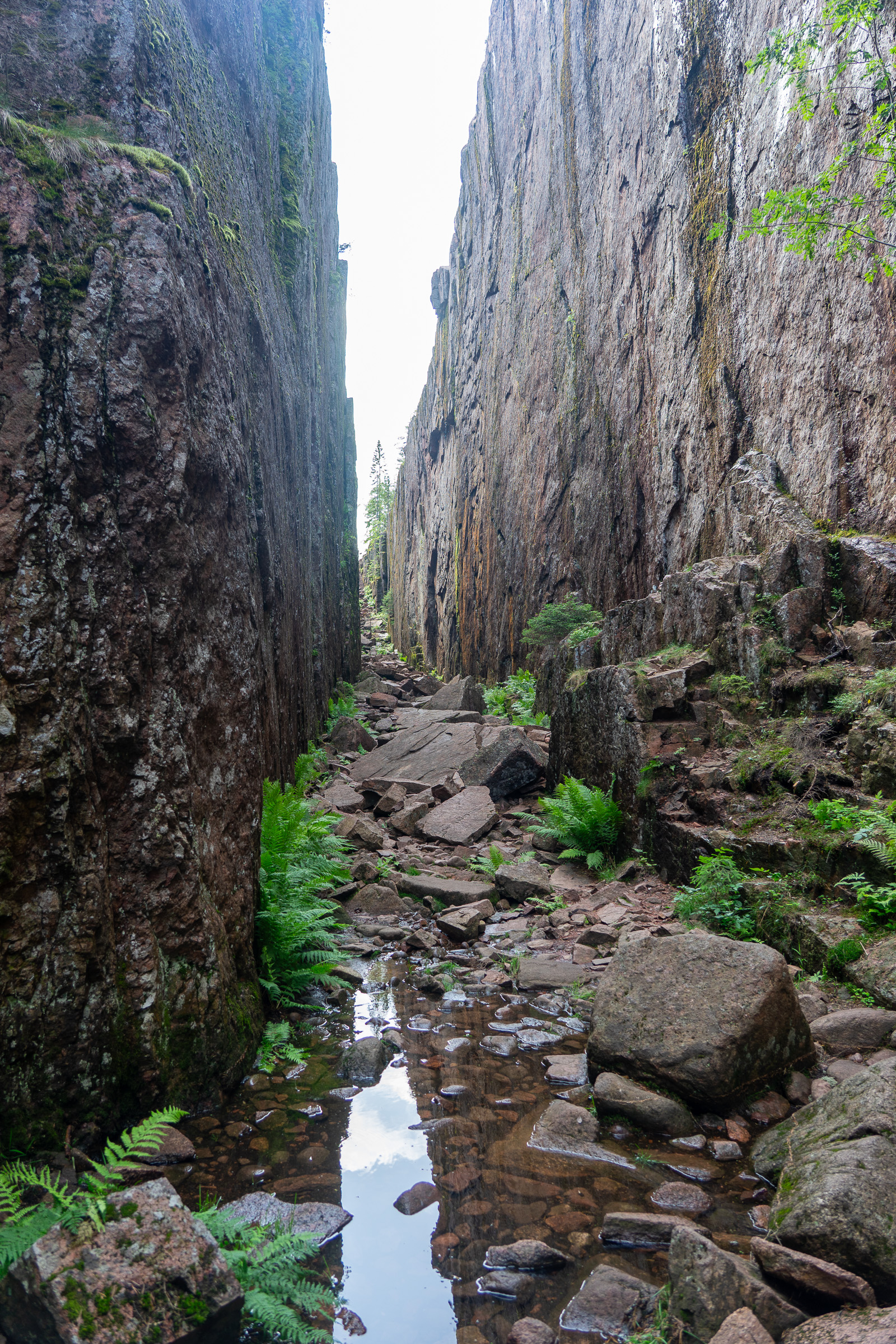
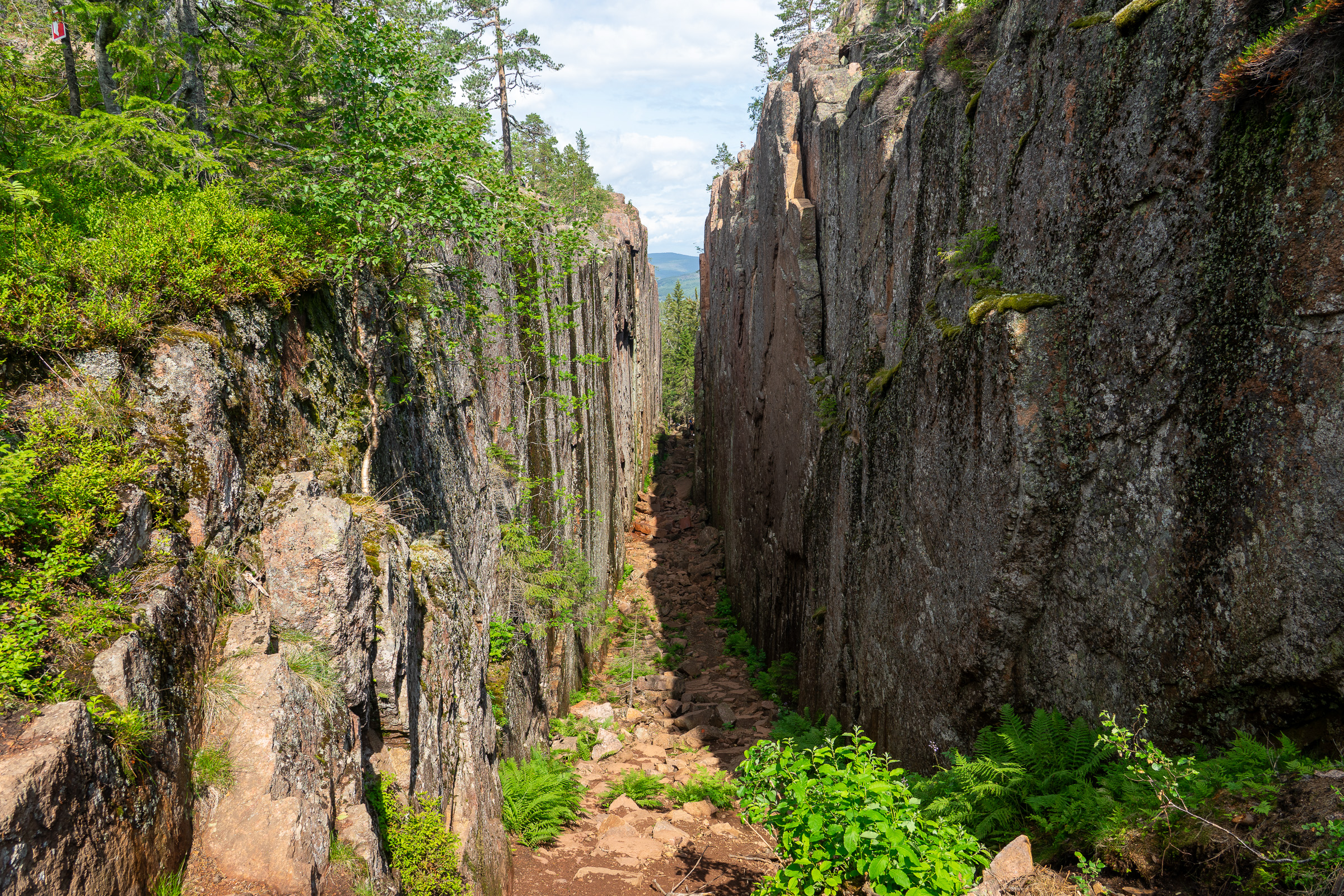
We continued on to Slåttdalskrevan, a gorge with a narrow passage, 200 metres long and 40 metres deep. The return route took us over Slåttdalsberget back to the southern entrance, where we only had a short wait for the bus, which brought us back to Docksta with a stop at the Naturum. The infrastructure for hikers exploring the park worked perfectly.
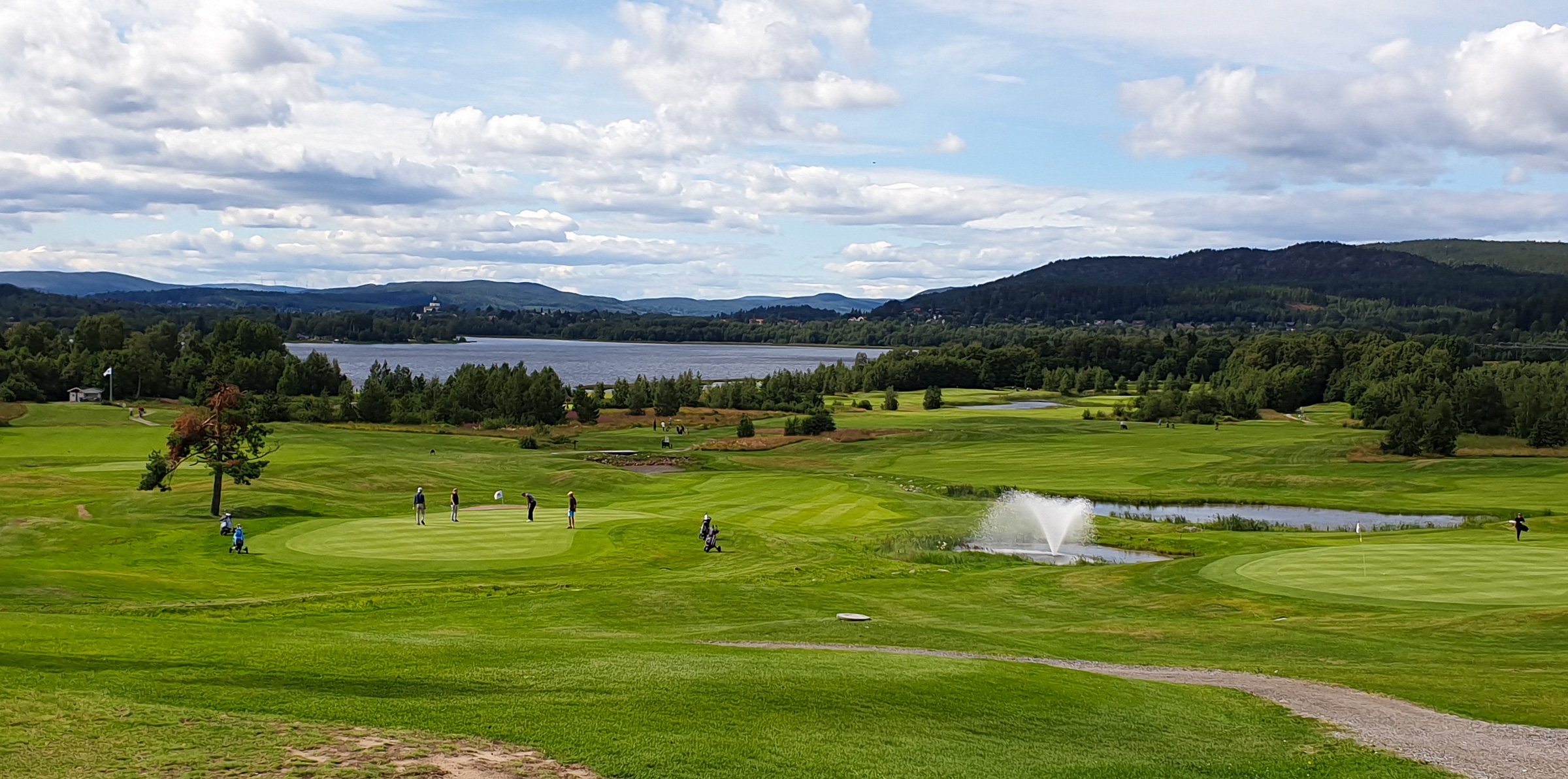
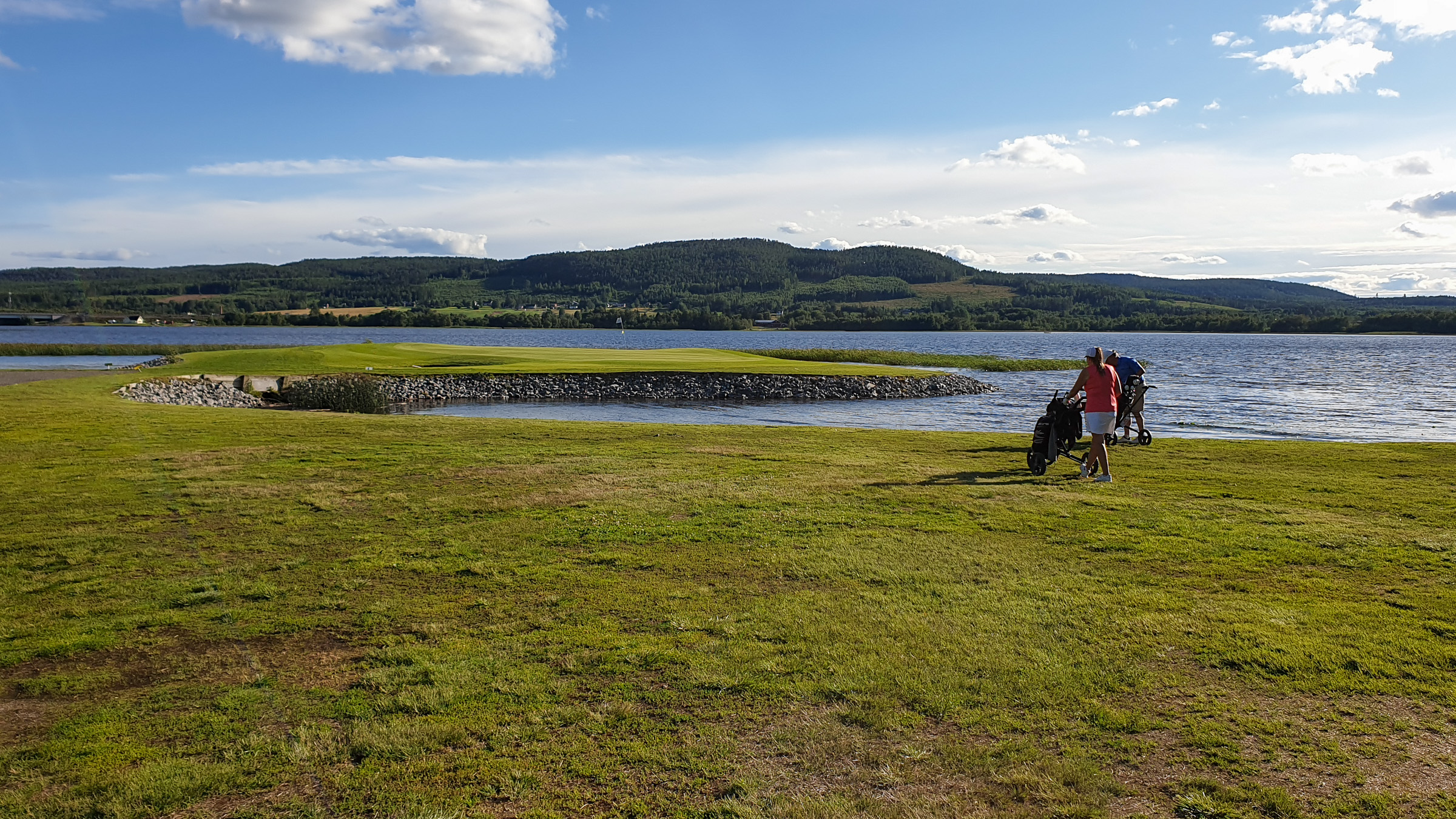
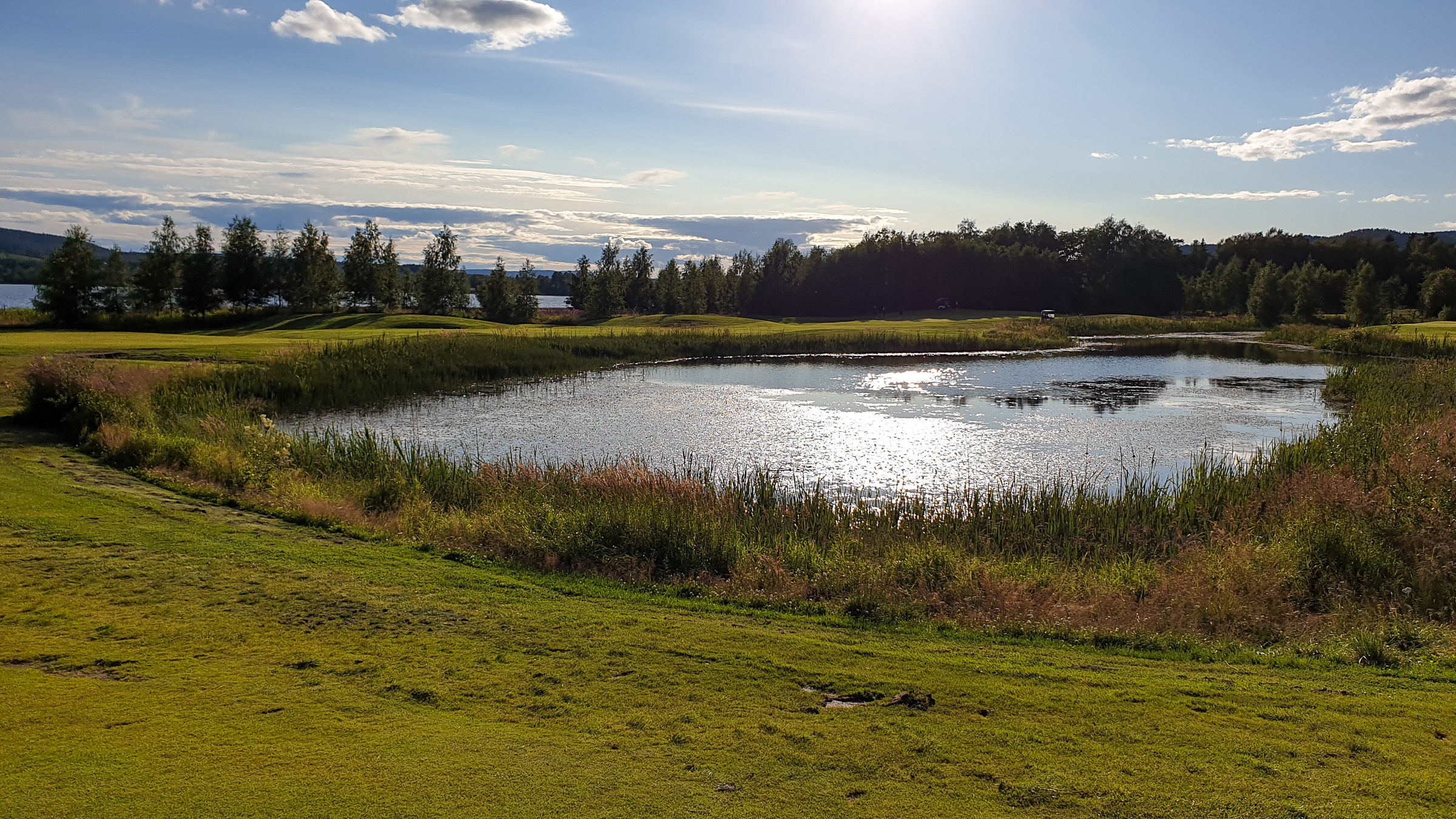
A day later, we felt like playing golf and asked our harbour master to book a taxi to Veckfjärden Golf Club near Örnsköldsvik. It was still raining in the morning, so we set off in the afternoon on the tricky but beautiful course, with plenty of water hazards, and played our northernmost round of golf so far at 63.3° North. The taxi there and back was outrageously expensive, but the outing was worth it, and we ended the day with a spectacular sunset over the golf course.
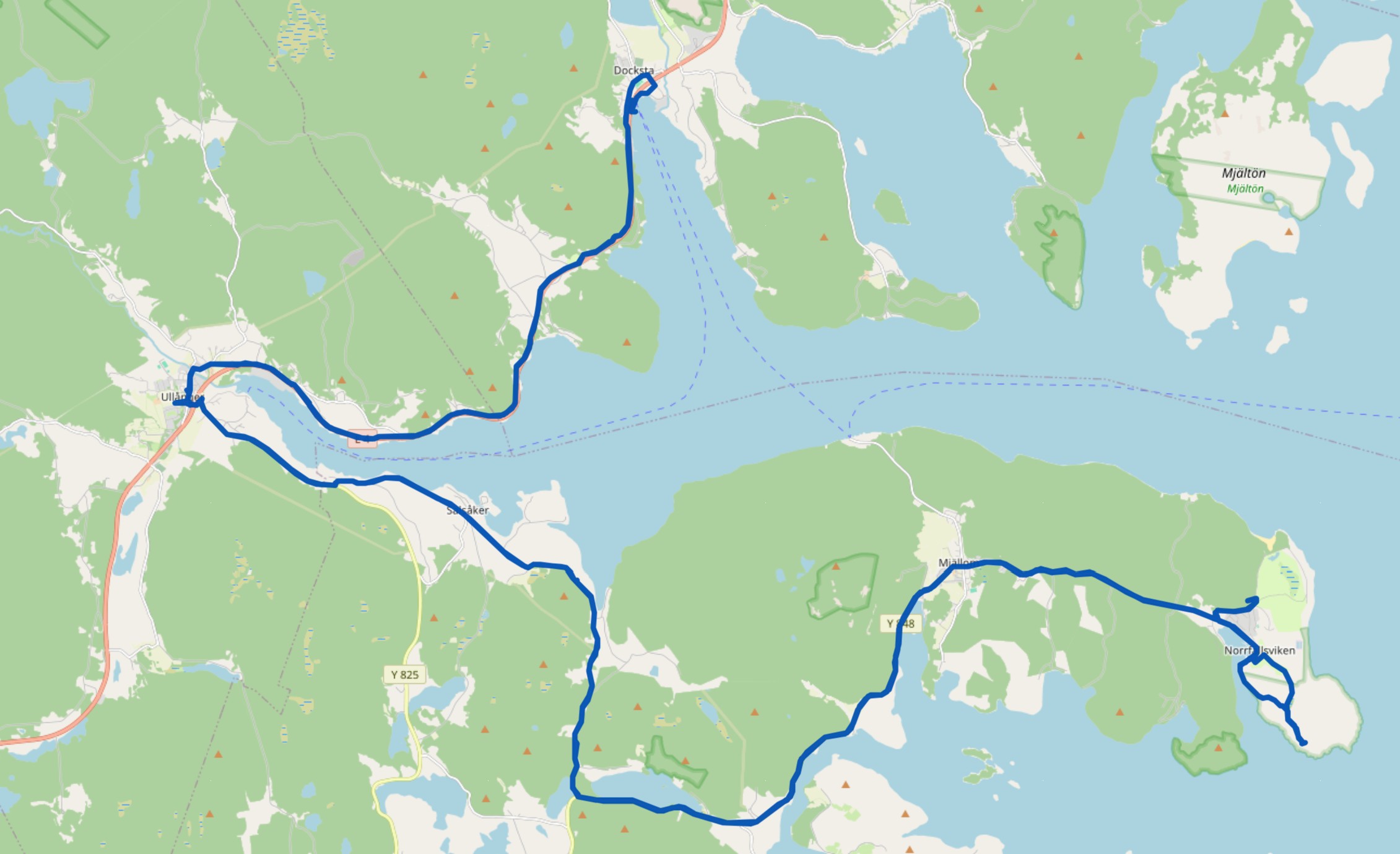
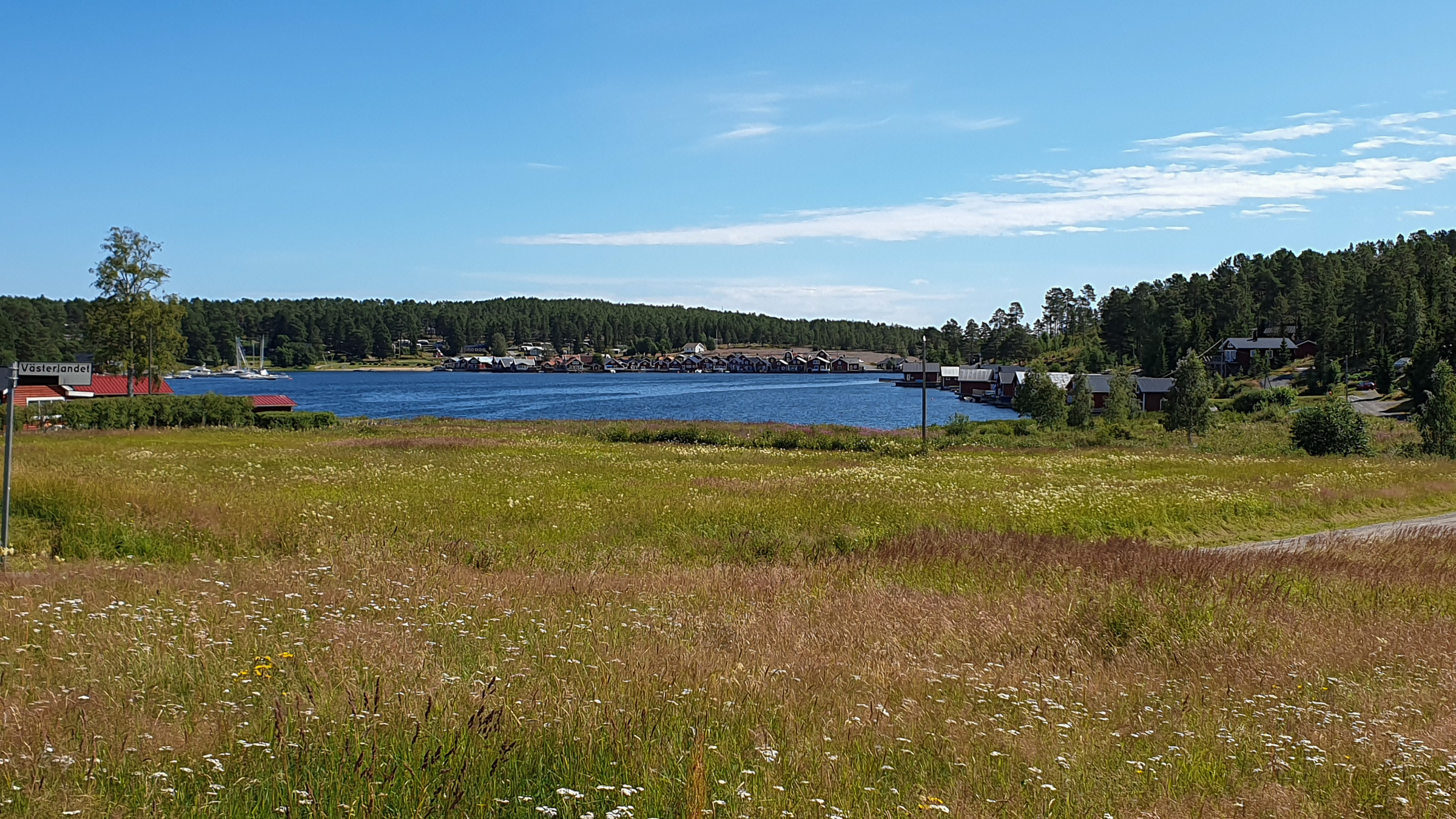
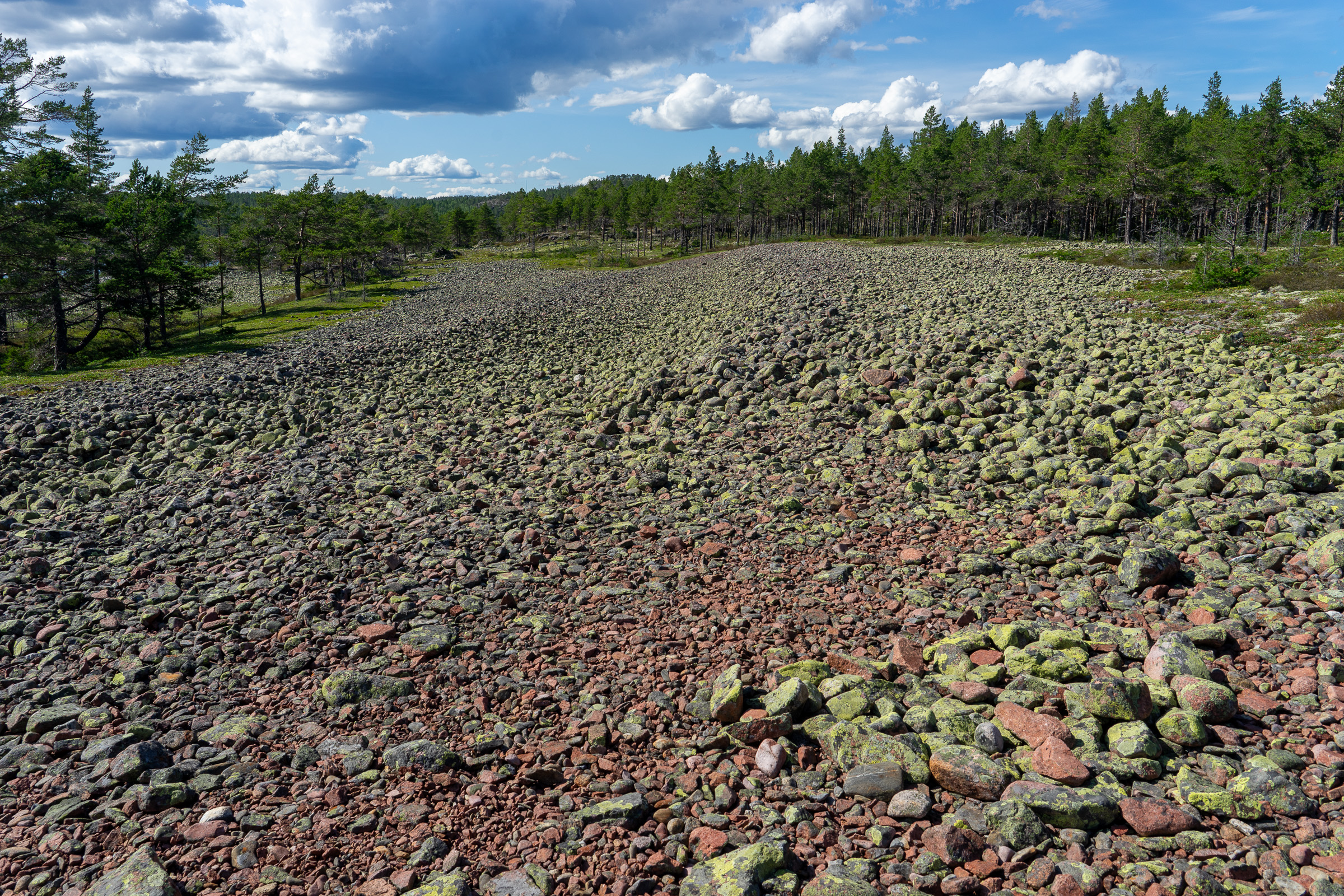
o extend our range, we brought out the bikes the next day and set off southwards, riding around the bay via Ullånger and Mjällom to Norrfällsviken, a coastal village with a fishing harbour and an open outlook onto the Bothnian Sea — a typical part of the High Coast landscape. There, we visited the Norrfällviken Nature Reserve with its striped bands of gravel and stone, marking former shorelines that, due to land uplift, now lie above the sea. It was a good thing we had fully charged the batteries of our e-bikes: after 84.2 km and 1,070 metres of climbing, we returned to Docksta on the last bit of power.
The High Coast, with its stunning natural scenery, was undoubtedly one of the highlights of this trip.
Leave a reply