

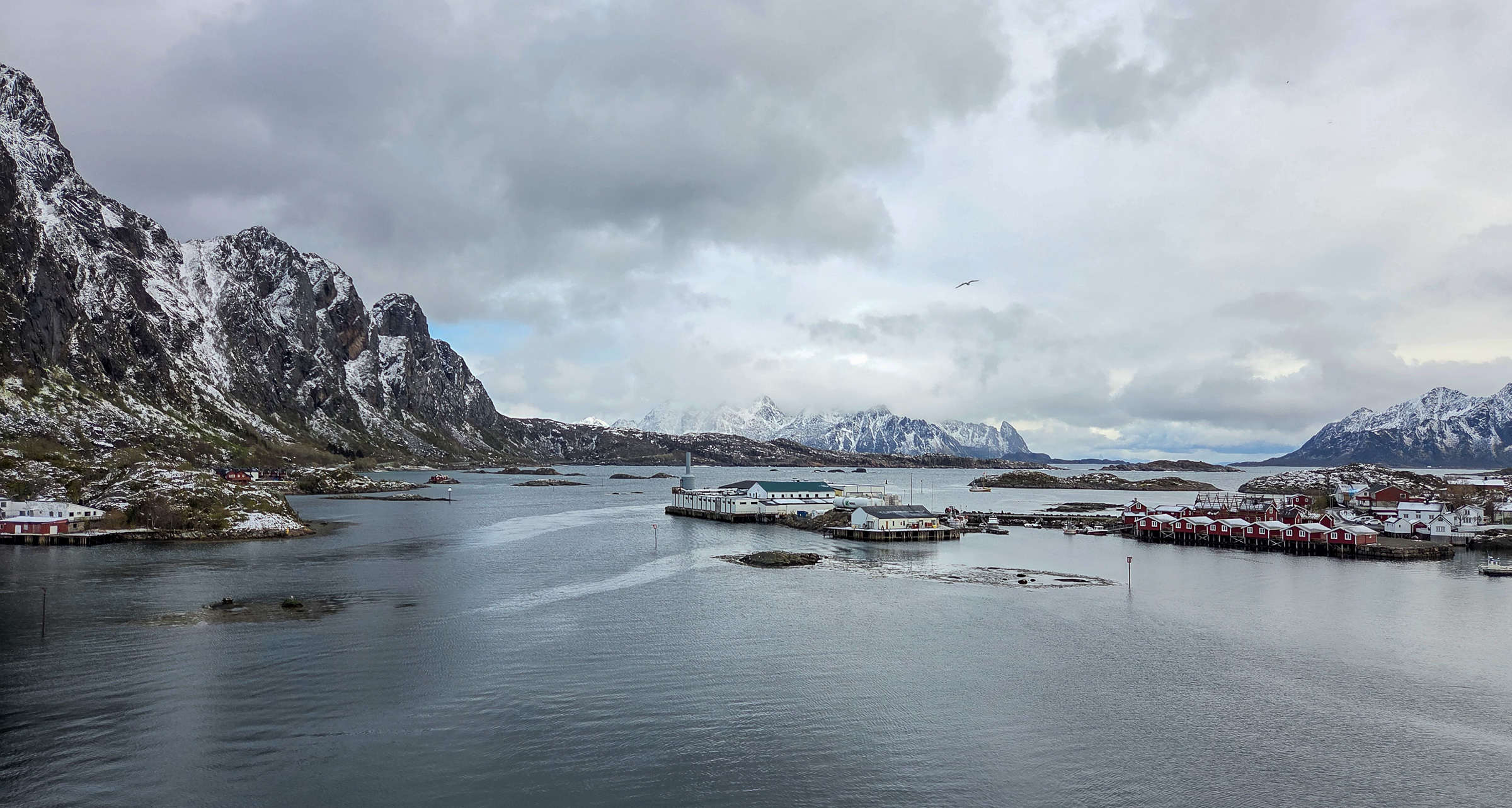
On 29 April we finally set sail again. A fresh south-easterly wind fills the sails, and we make good progress. Finally back on the water. The waves are challenging, and with following seas the crossing of the West Fjord becomes quite rough. After about eight hours we arrive in Svolvær.
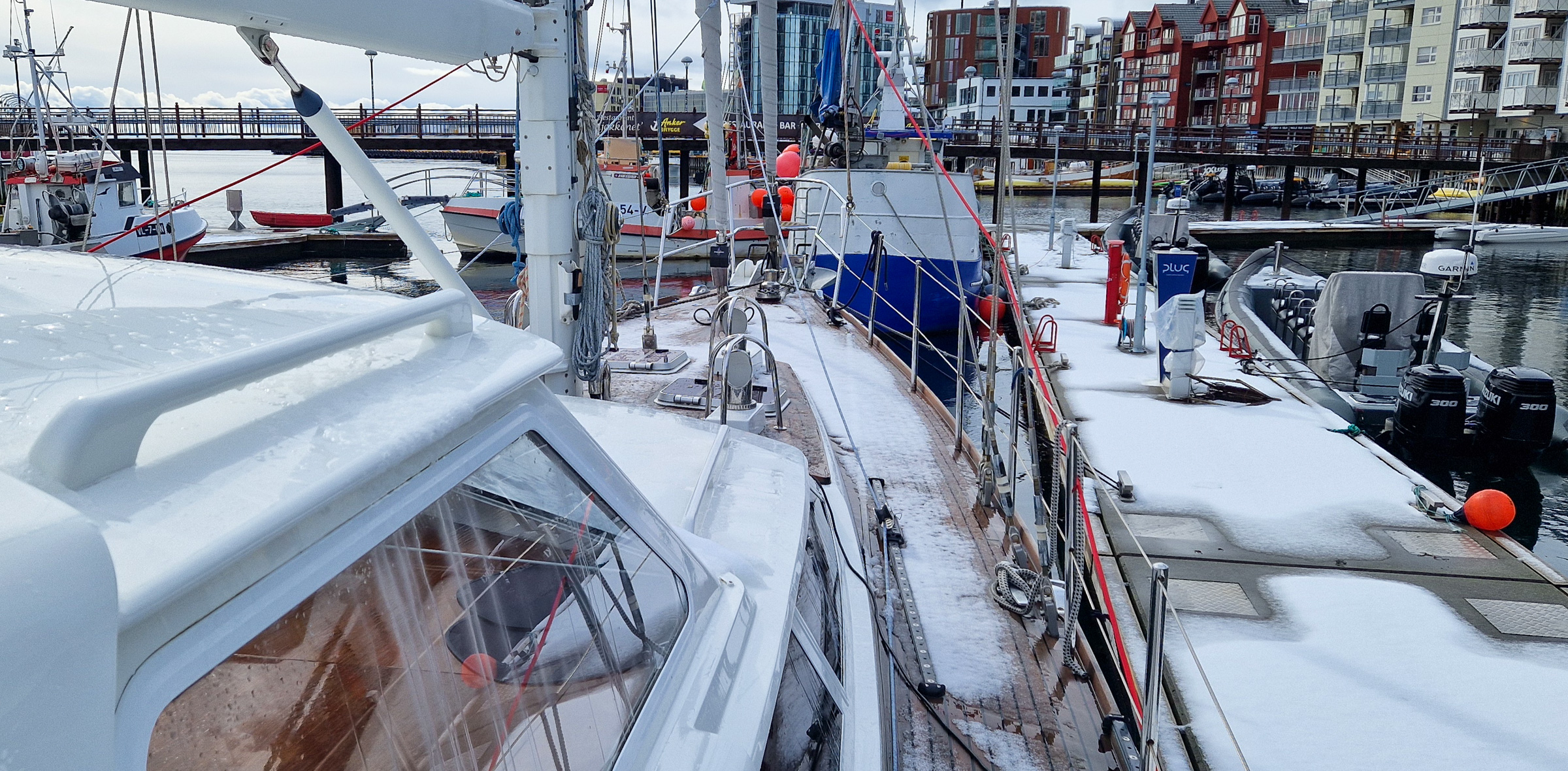
As the harbour guides describe, many berths in the guest harbour are reserved for commercial tour operators. Still, we head for one of them. A friendly Norwegian in the harbour – mainly concerned about our beautiful boat and that the fenders should be hanging lower – suggests we can stay there for the time being. There is still plenty of space.
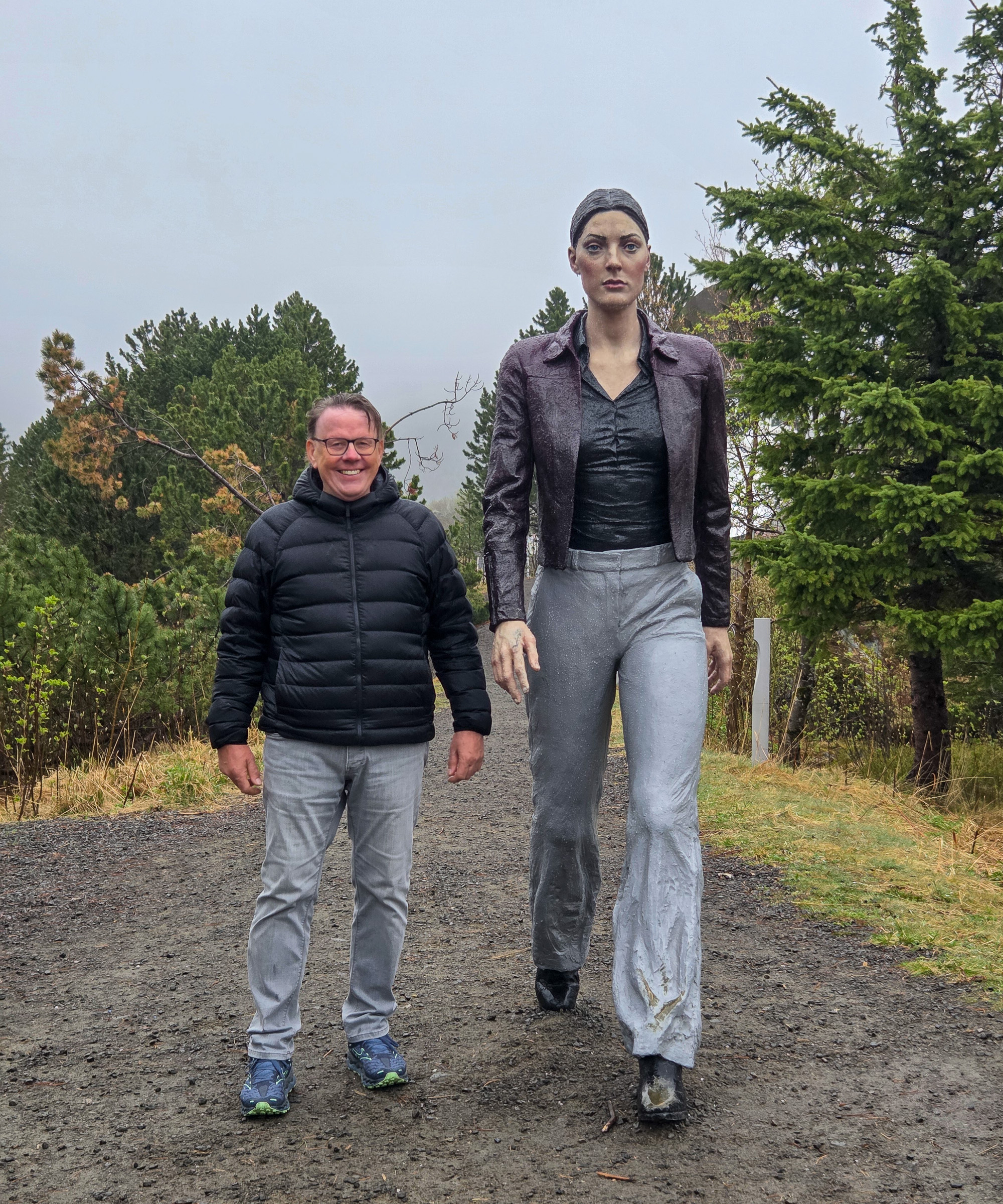
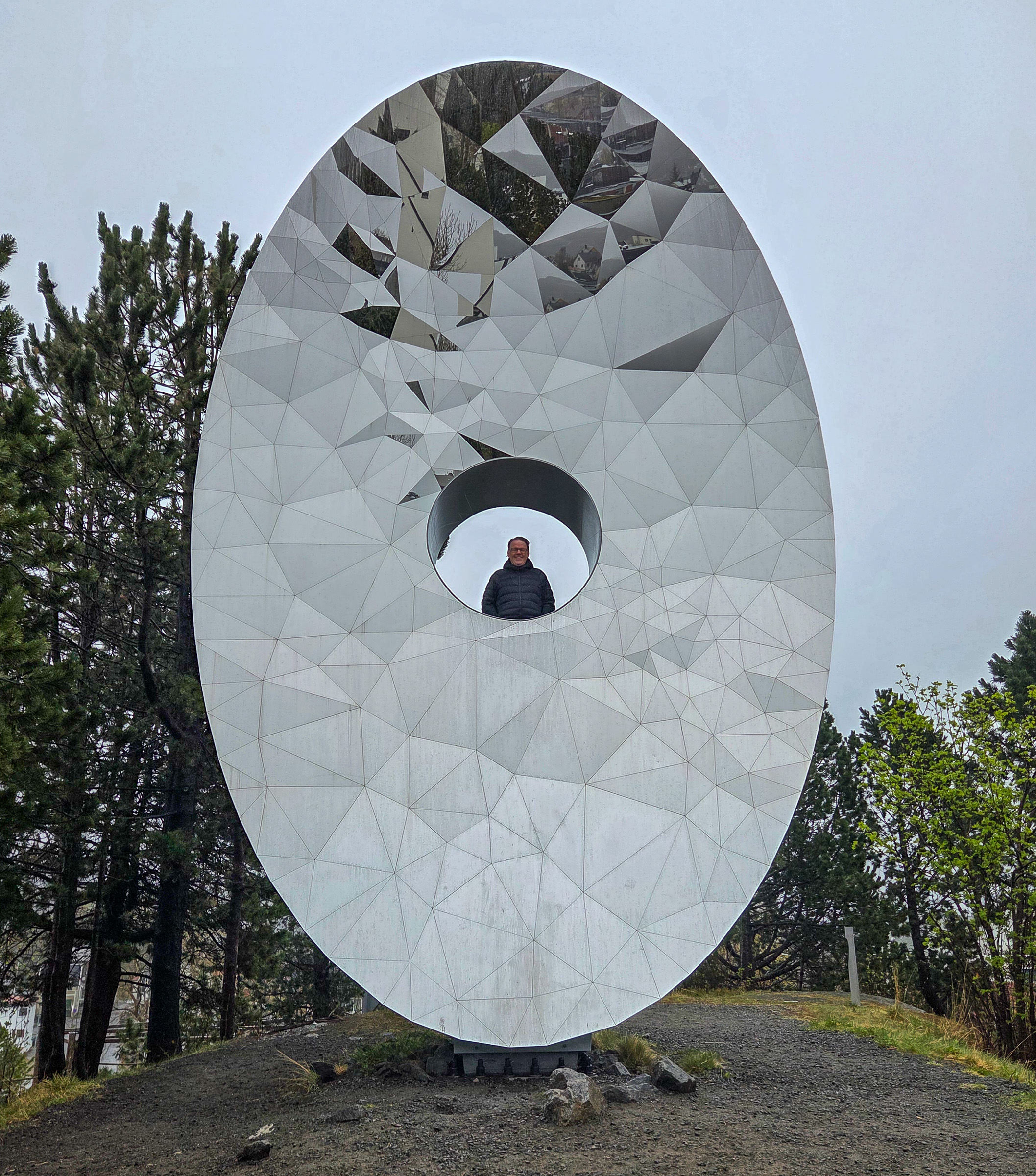
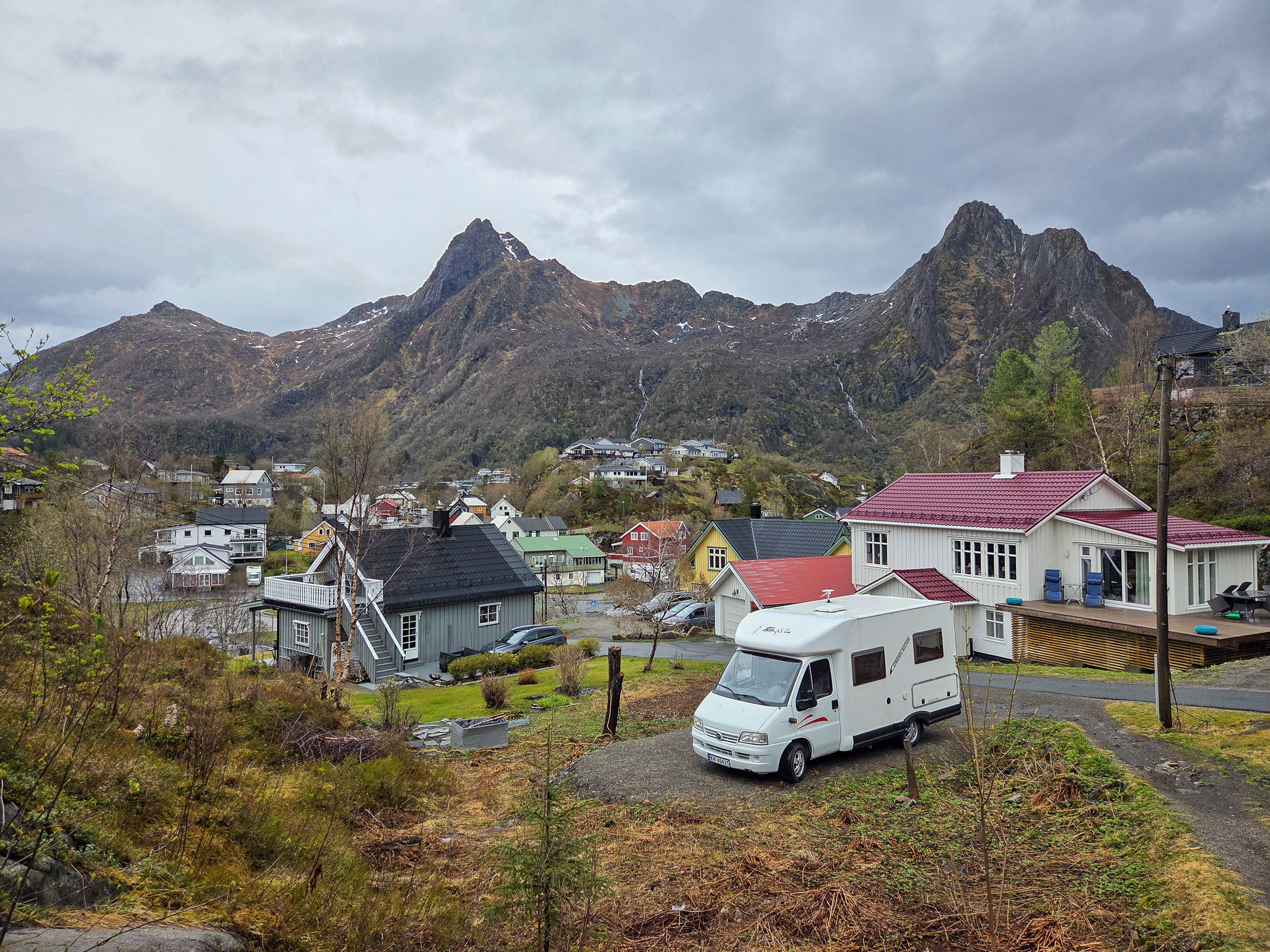
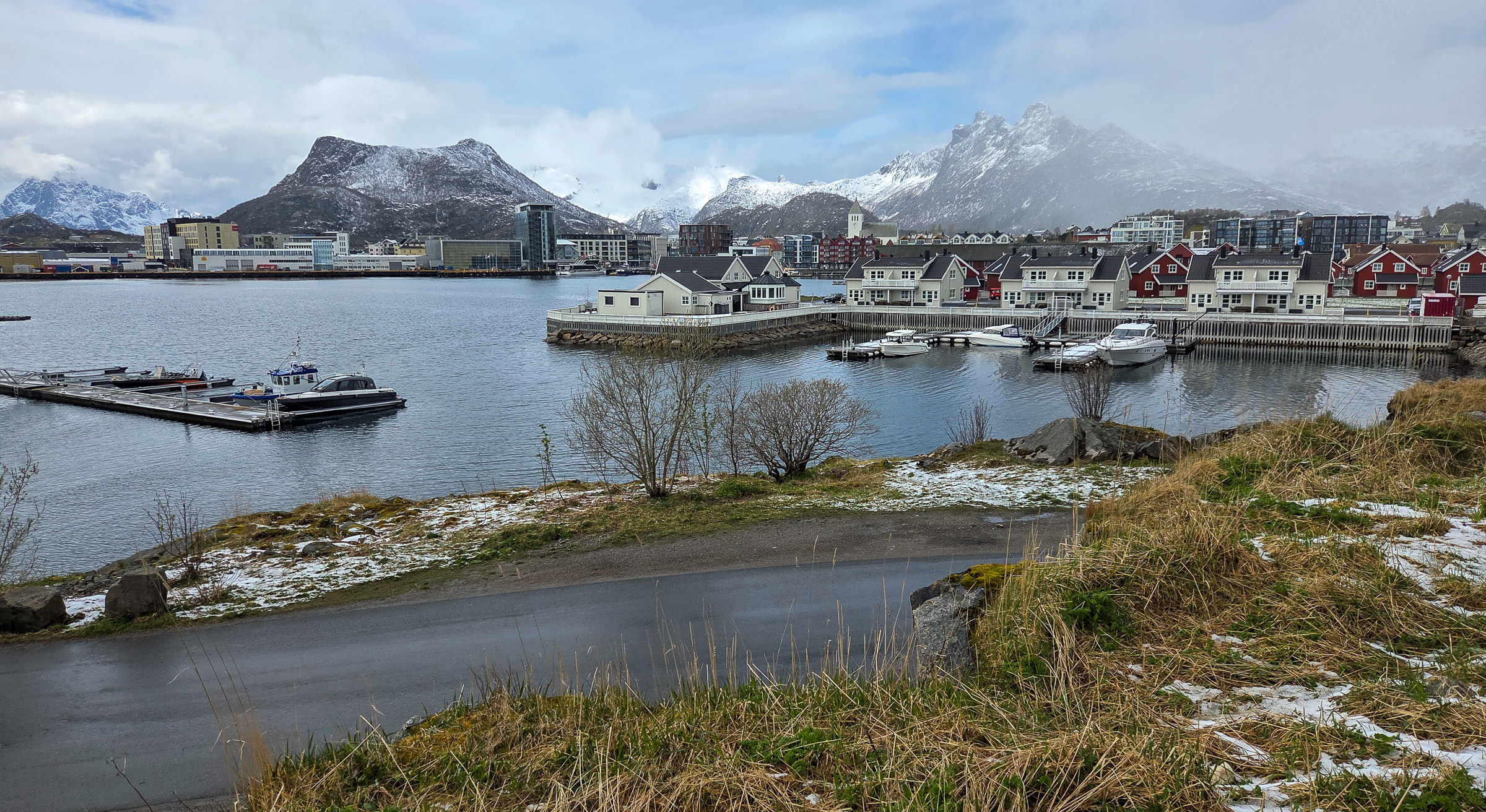
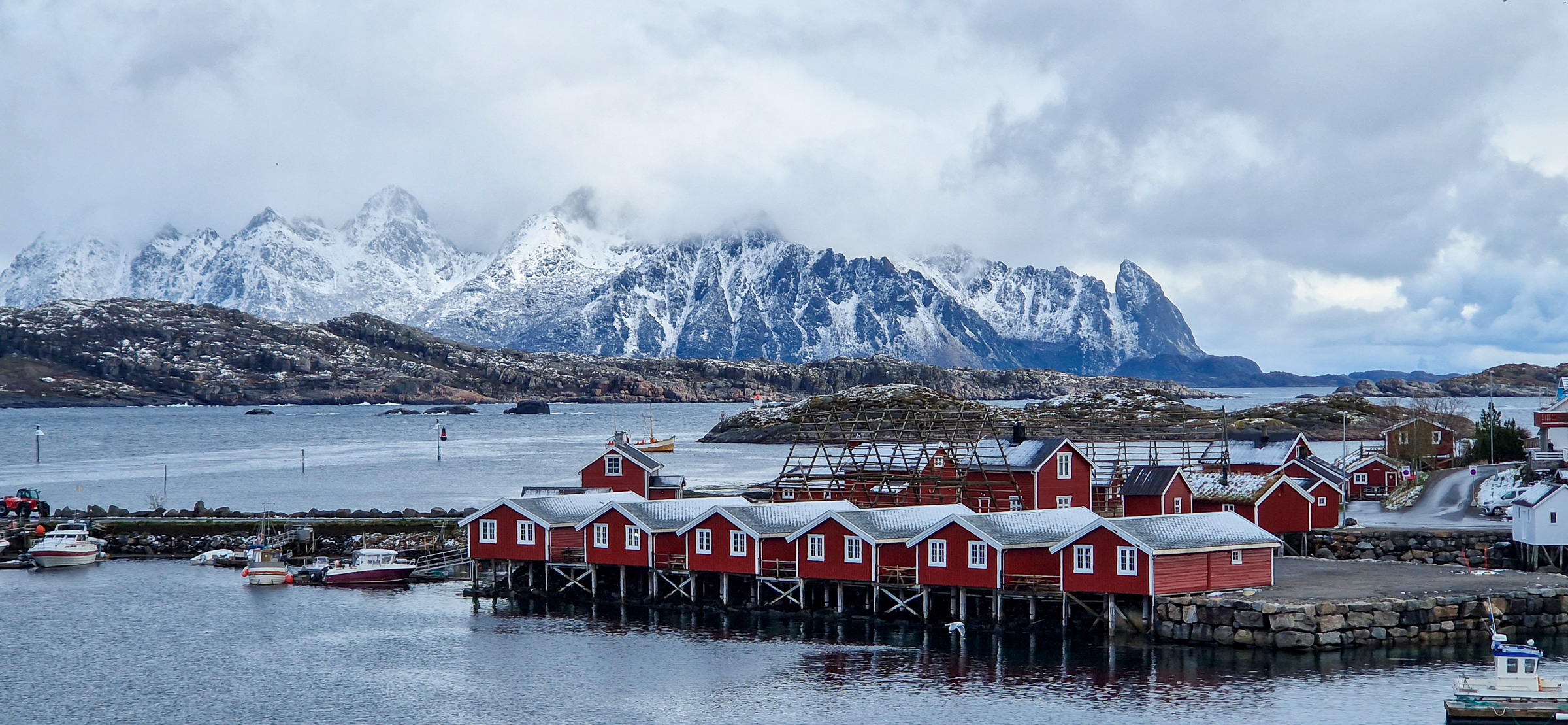
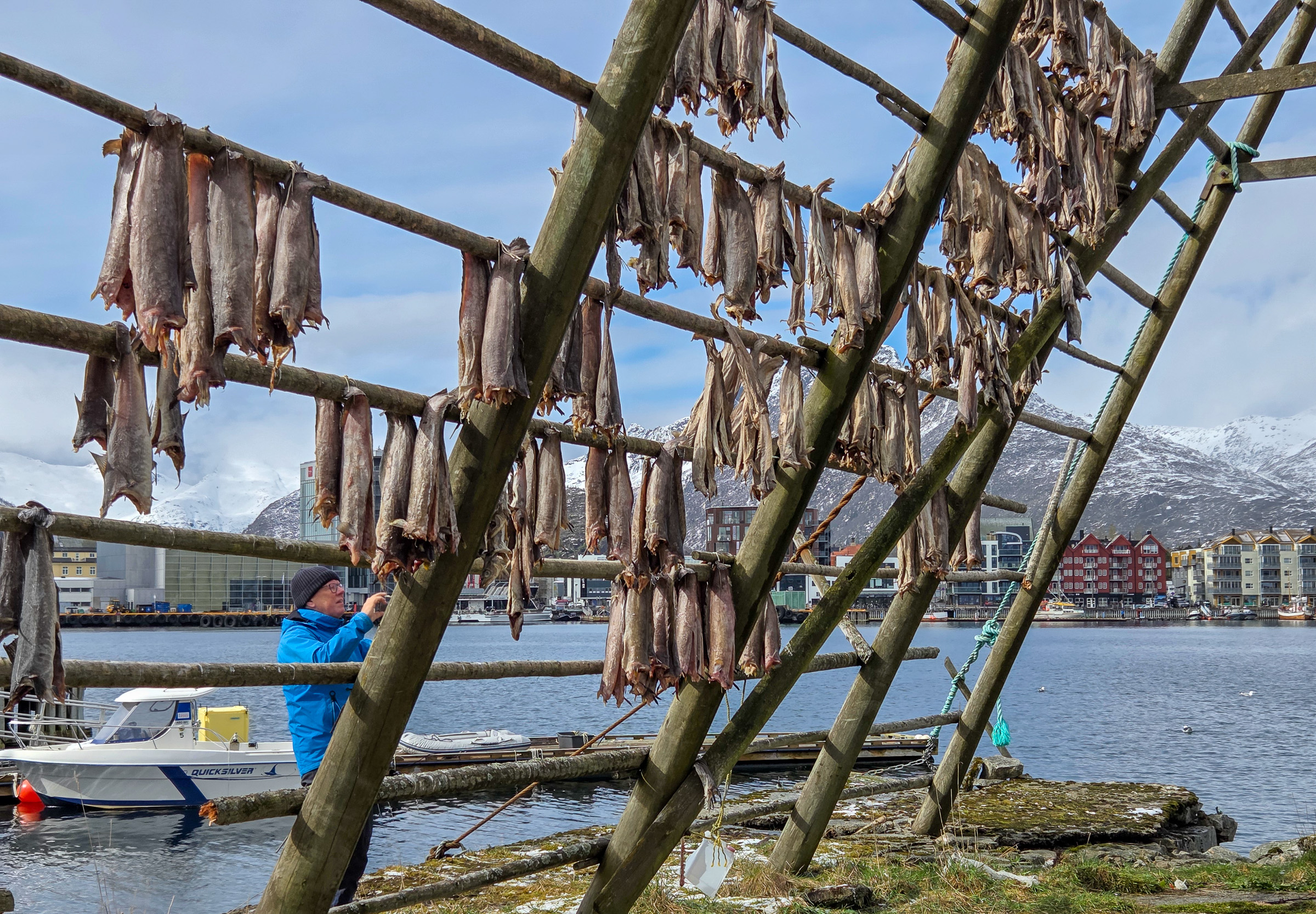
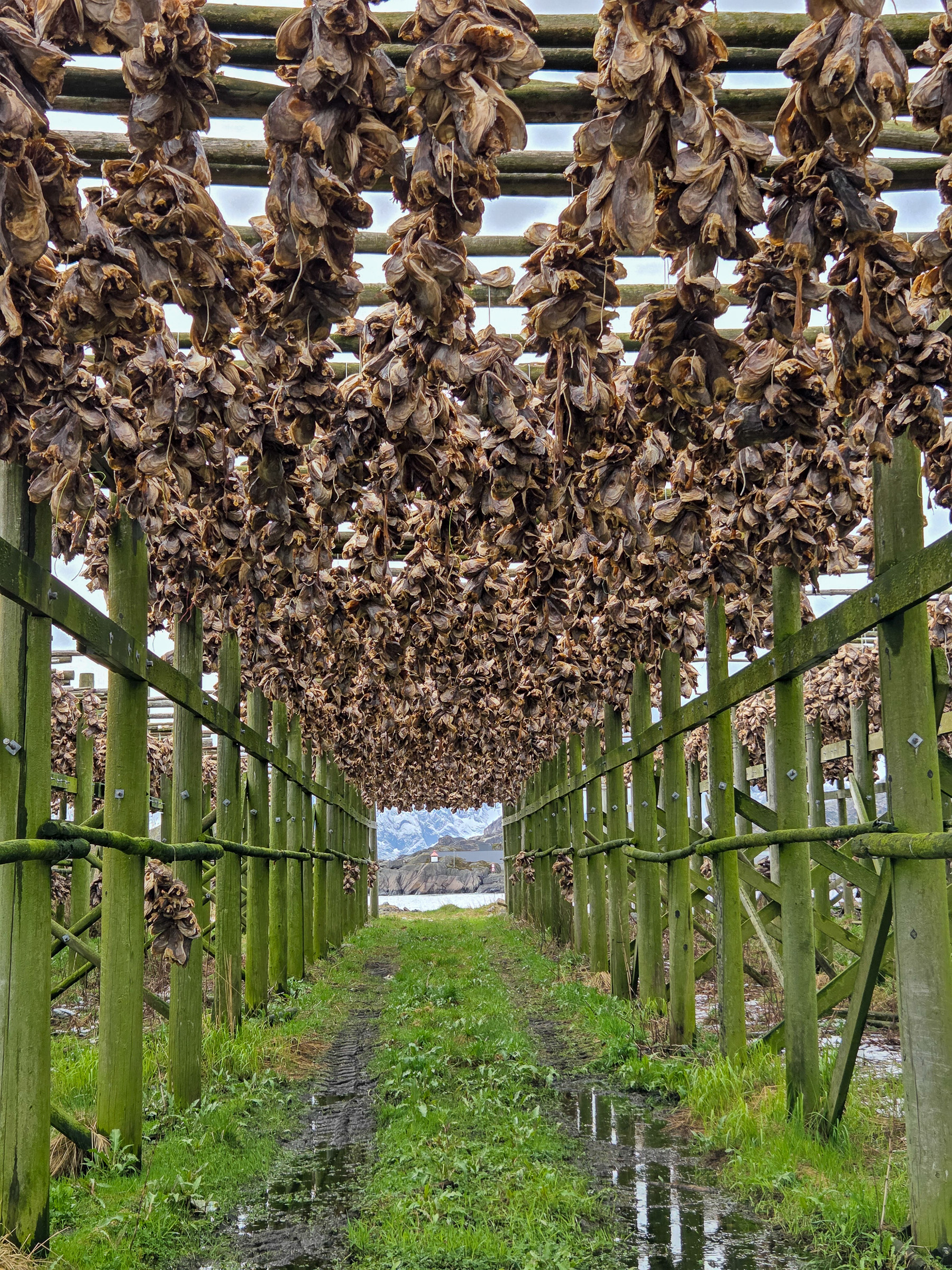
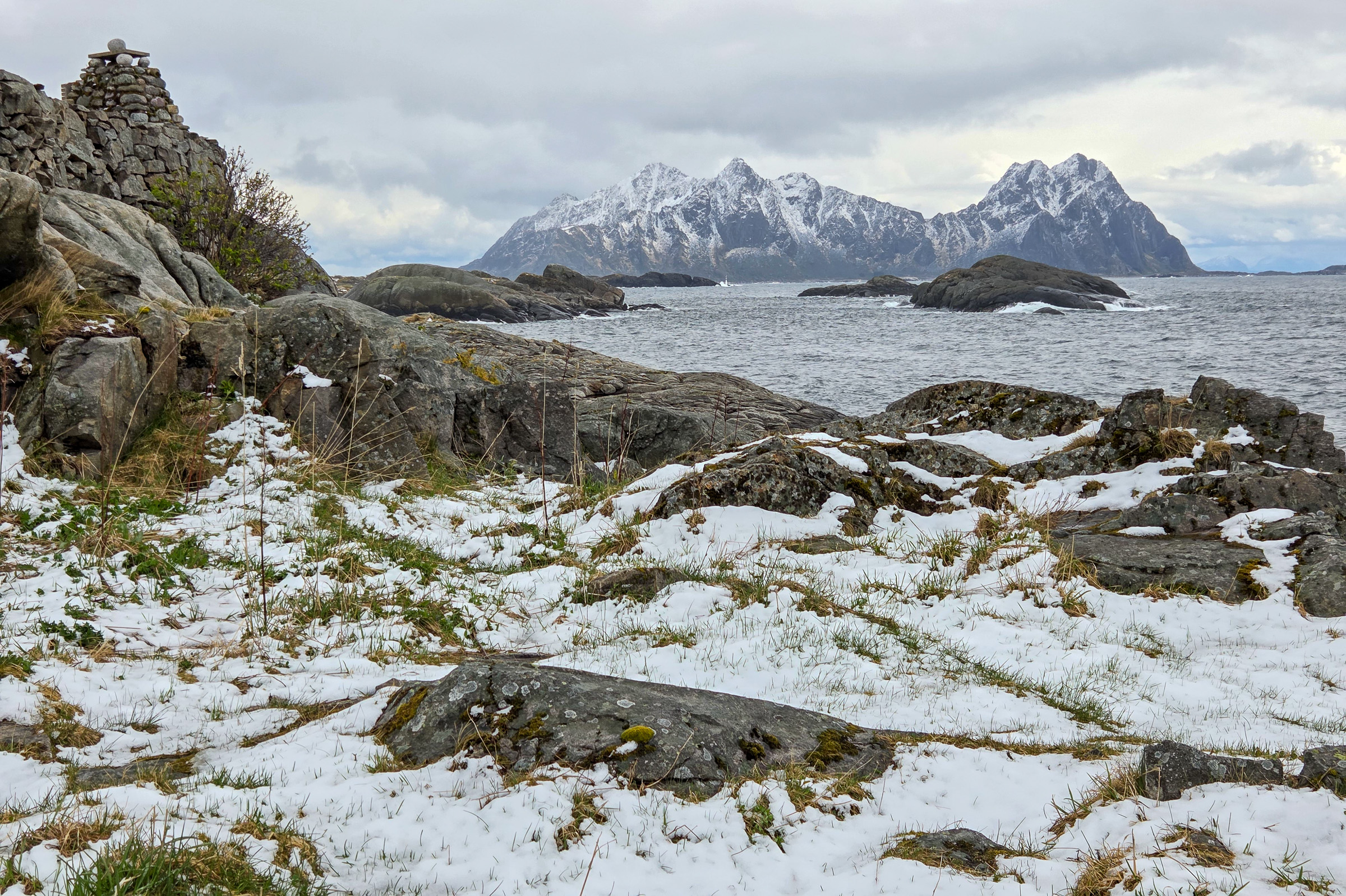
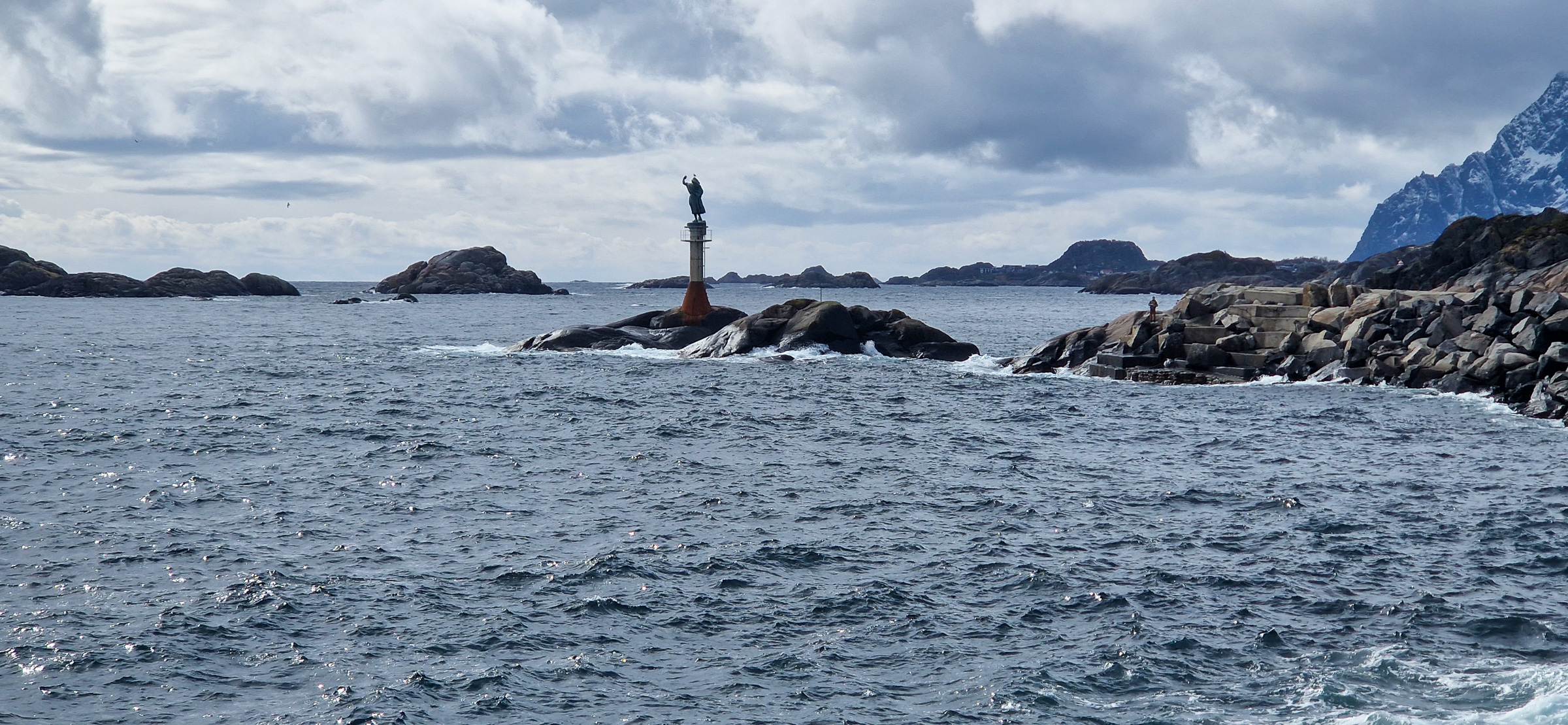
We have no idea that we will end up staying in Svolvær for several days. Overnight it snows, and according to Windy the conditions in the Raftsund are not suitable for continuing in the coming days. So we settle in on Anori. From time to time we go ashore, do some shopping, and explore the surroundings. The most beautiful walk takes us to the Molo statue at the breakwater. On the way we pass the traditional stockfish drying racks, where only fish heads are now hanging.
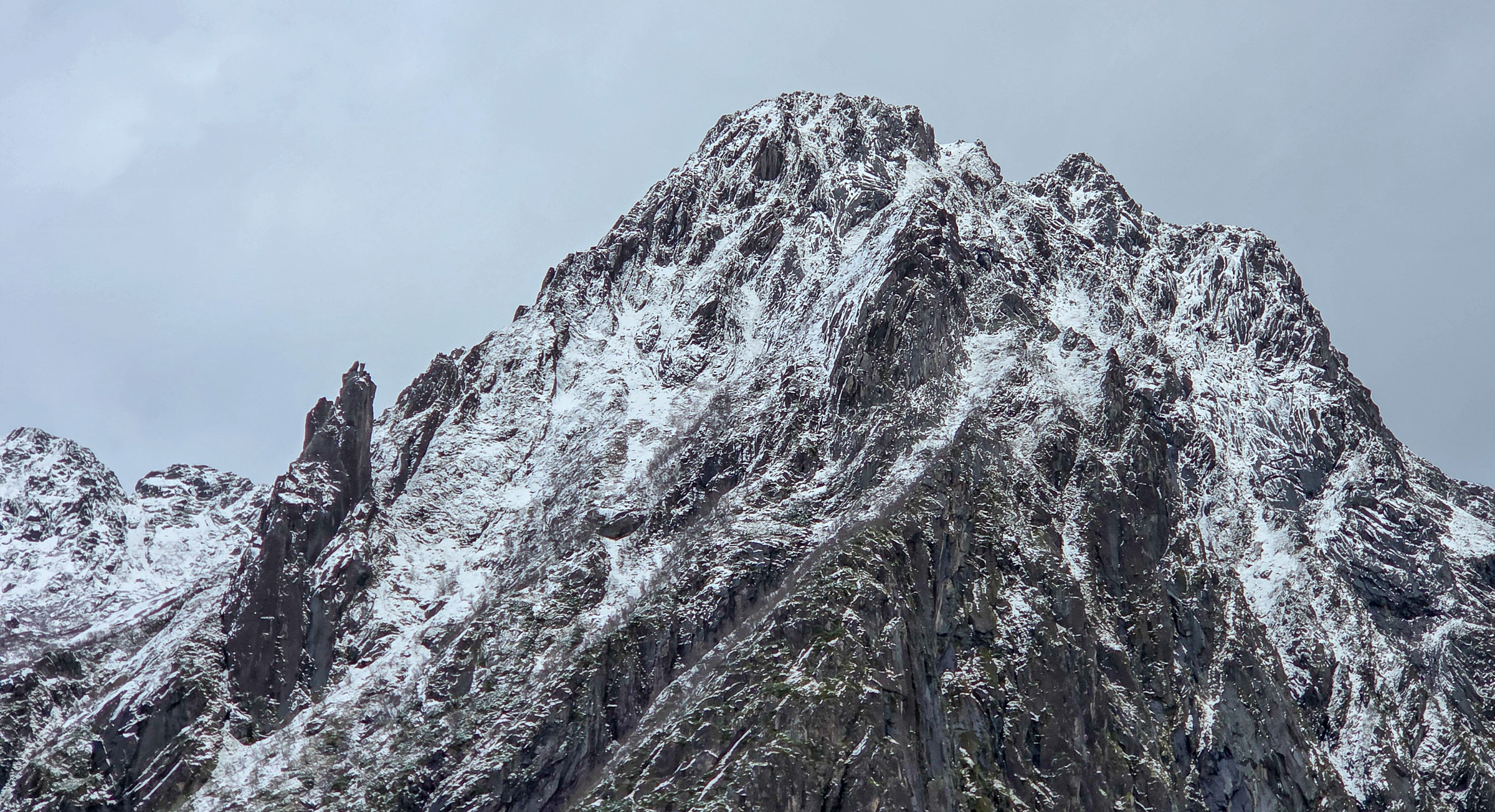
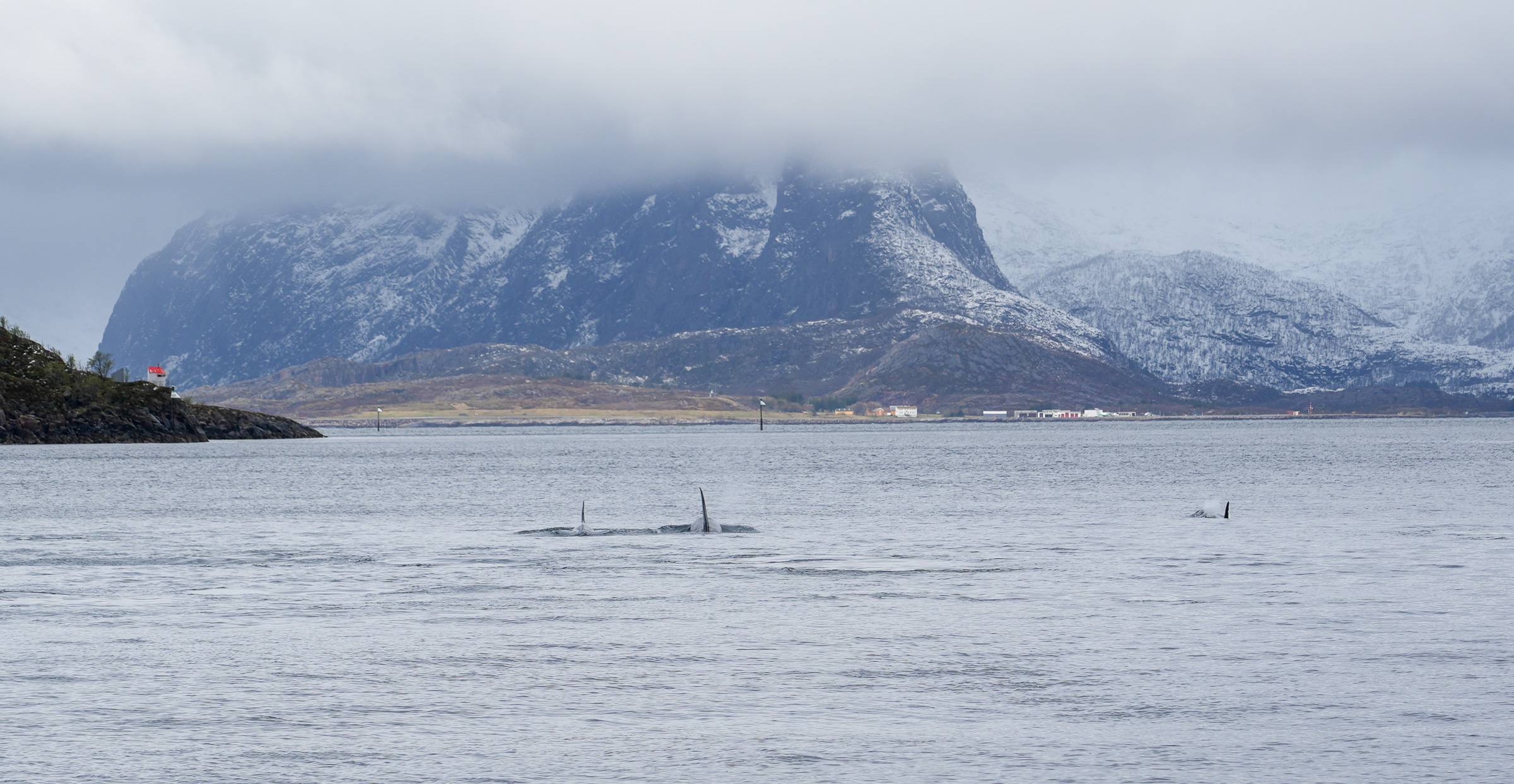
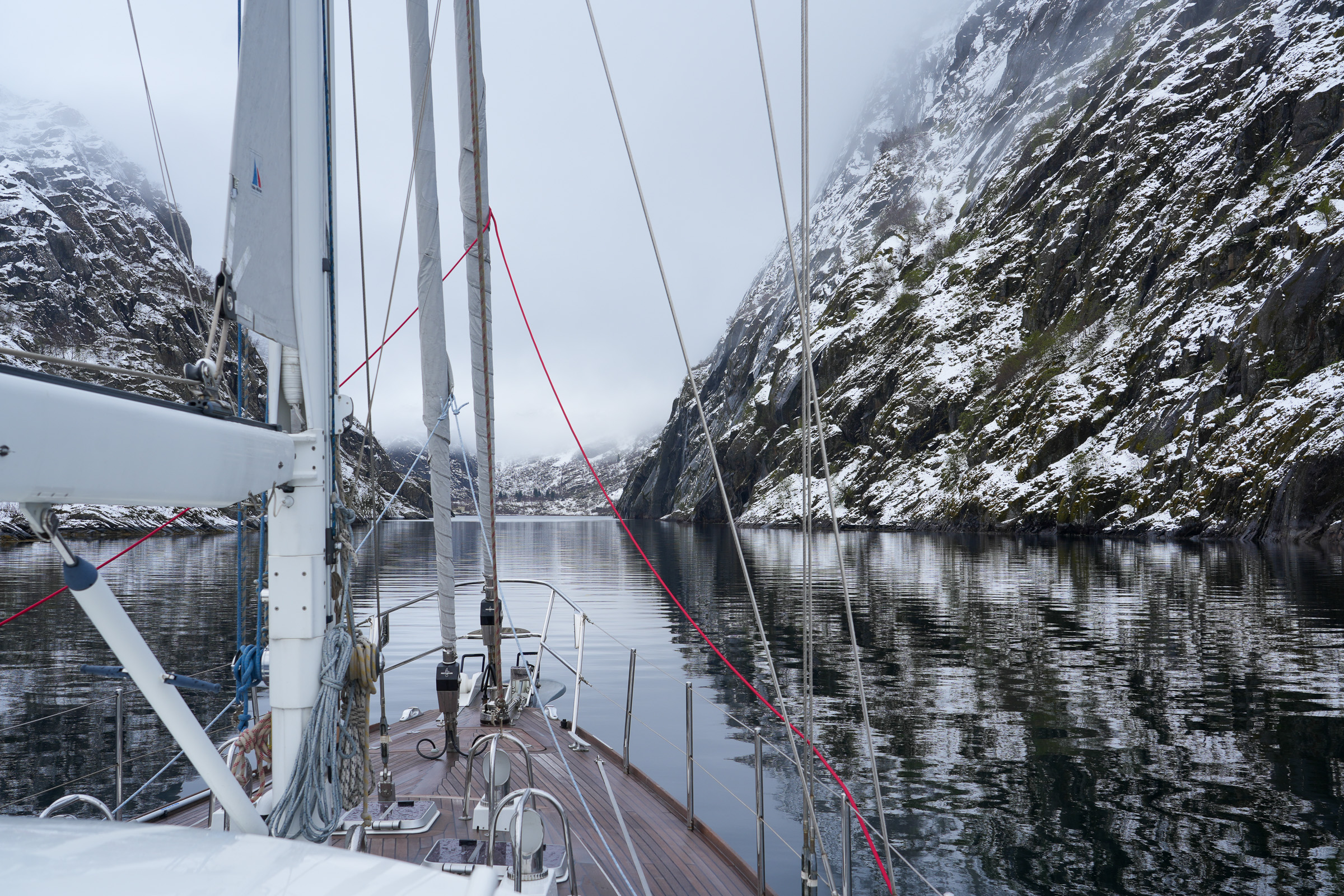
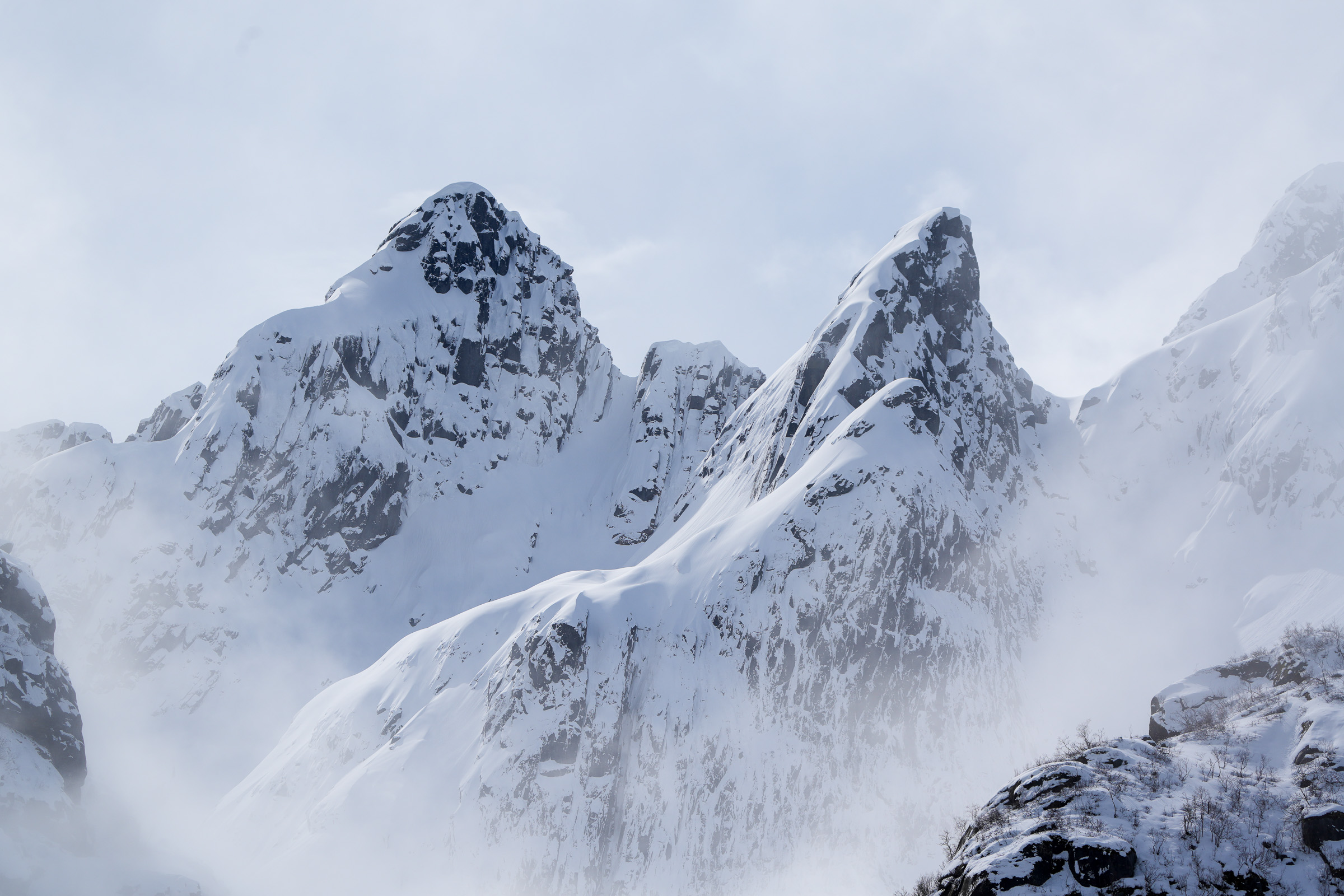
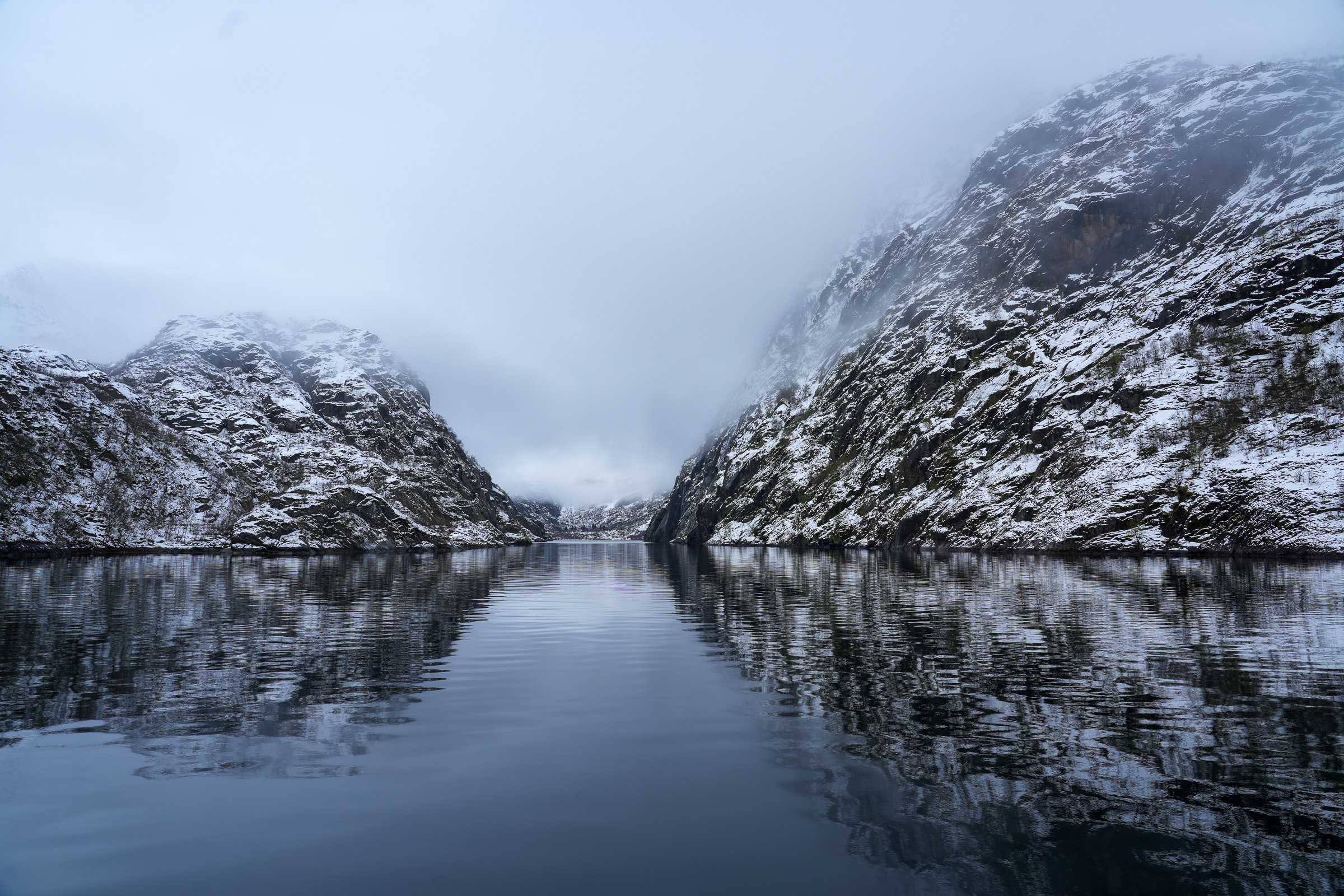
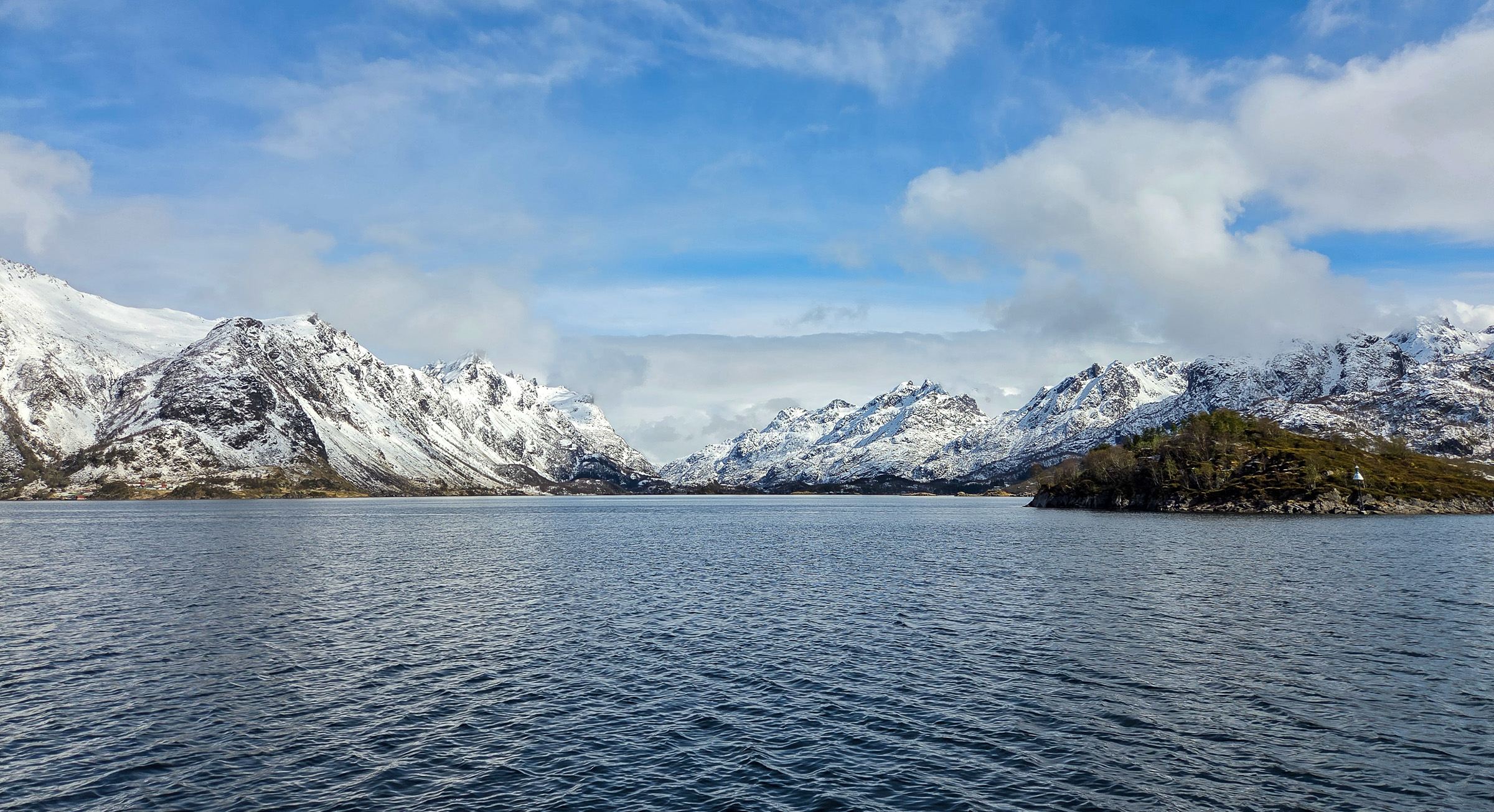
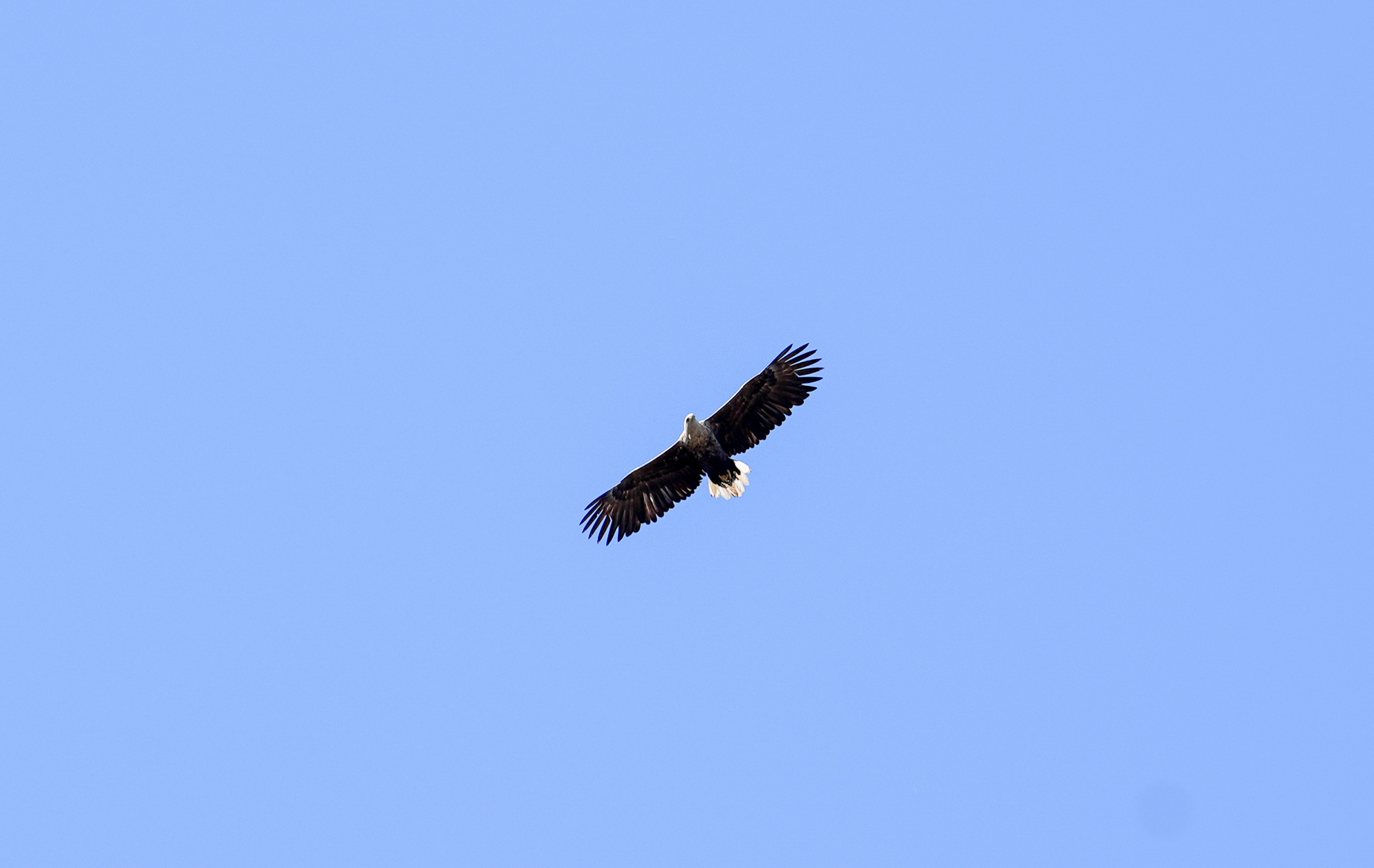
It is not until 4 May that we are finally able to set course for Trollfjord and the Raftsund. Wind and current are favourable, and we sail towards Trollfjord. En route we encounter a pod of orcas, which soon disappear again into the distance. The Trollfjord lies beneath heavy clouds and, dressed in white, appears almost unreal. A white-tailed eagle rises above the mountain slopes; otherwise the fjord remains still.
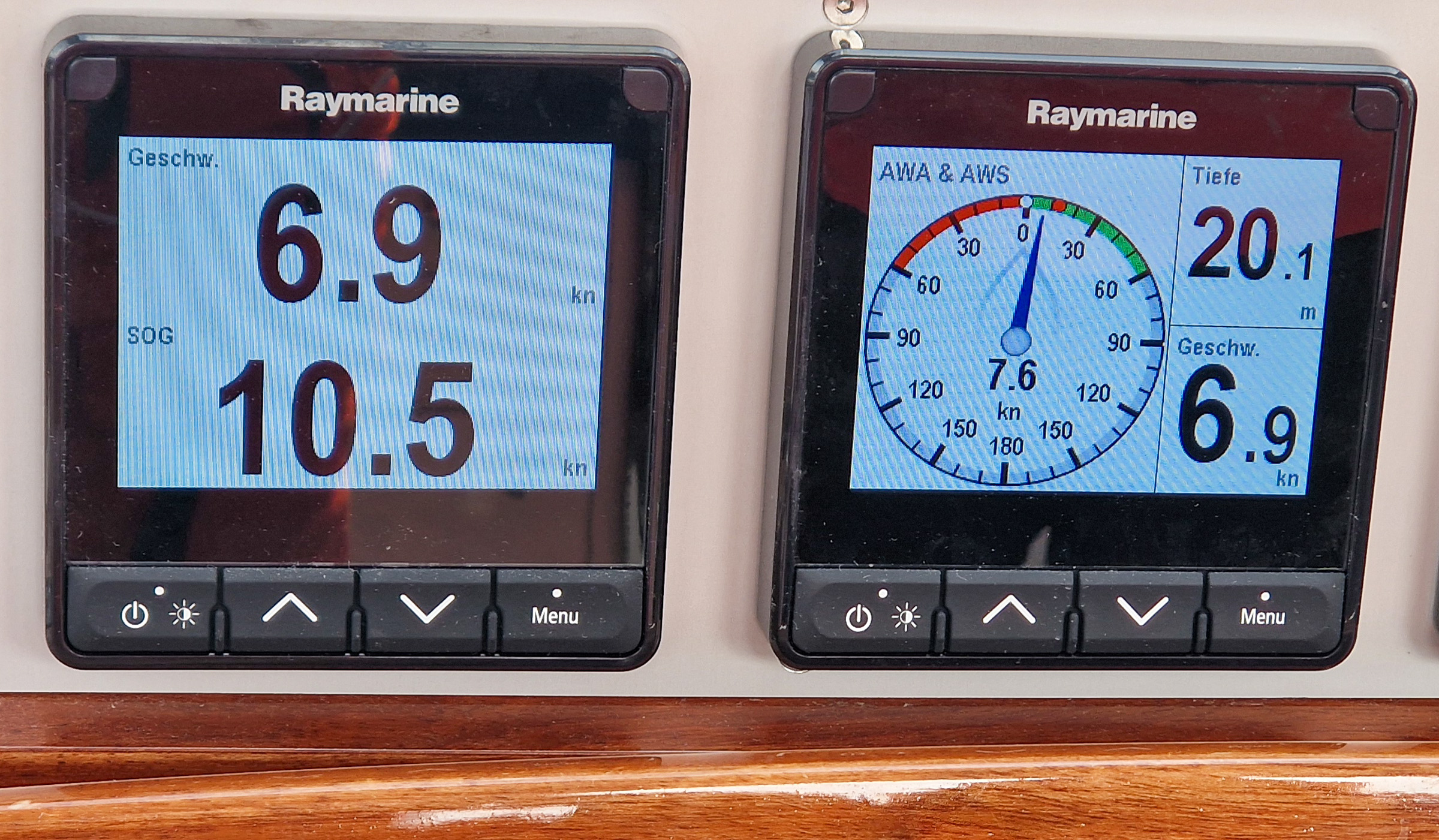
In the early afternoon we have to continue in order to take advantage of the current in the Raftsund instead of fighting against it. Running with the flow, we make over ten knots under engine. Our first destination in the Vesterålen is Hennes. At the guest pier we attempt to moor, but quickly realize that the pontoon is too short for Anori. A good nearby alternative is Stokmarknes, where we tie up in the early evening. Here too, fishing boats occupy the guest pier, and we squeeze in ahead of them and carefully check the depth. However, it does not drop below 3.5 metres.
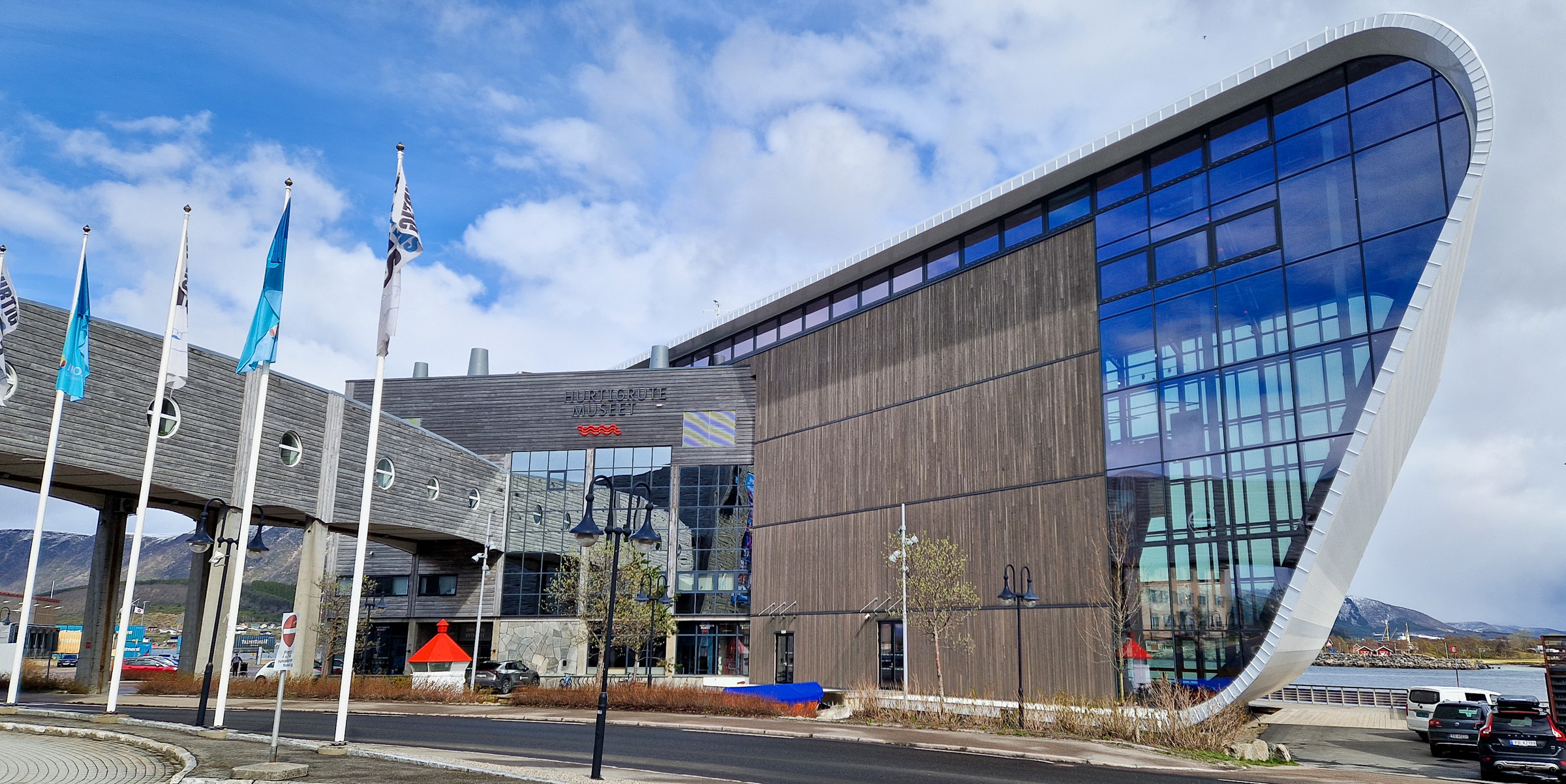
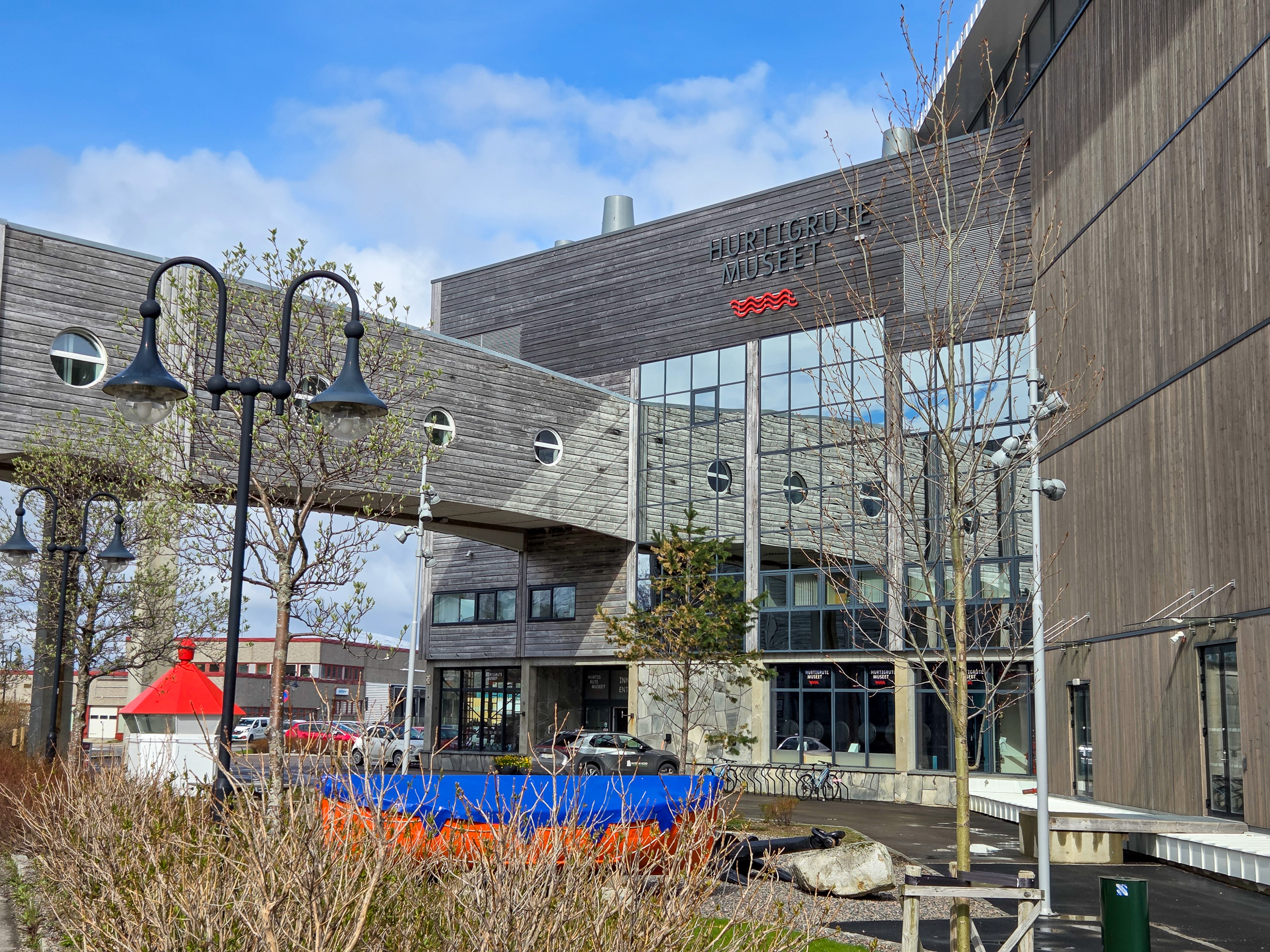
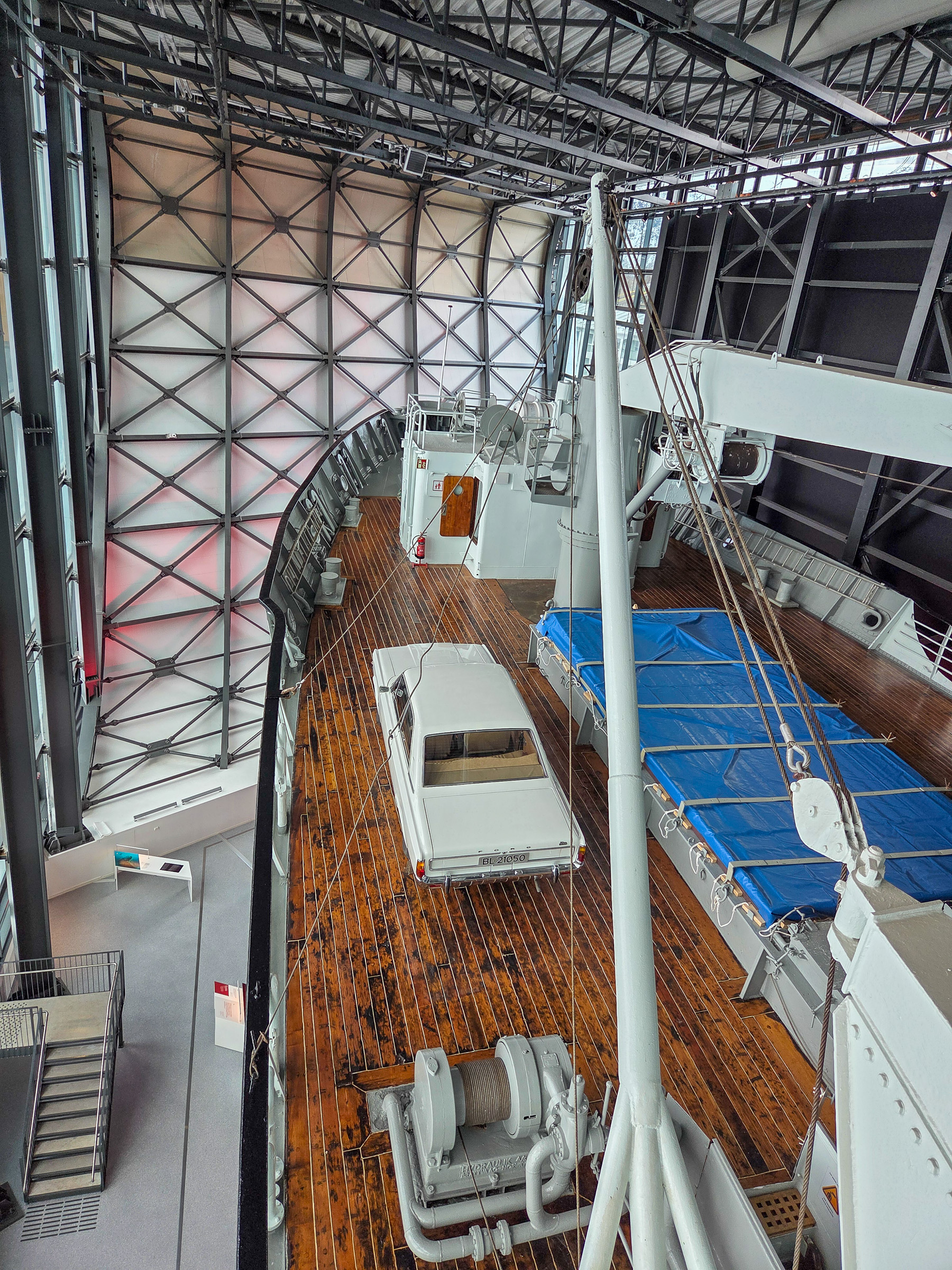
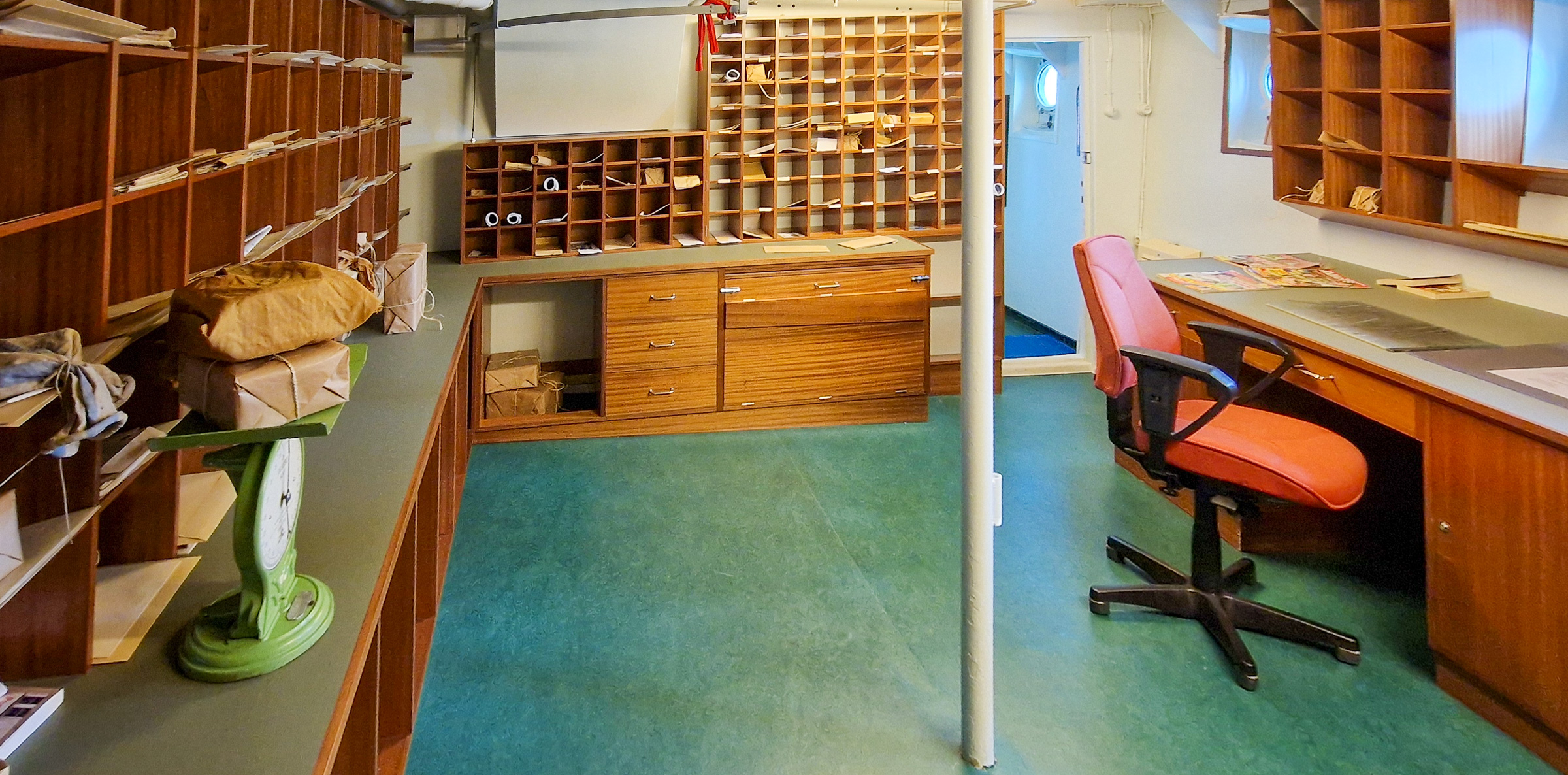
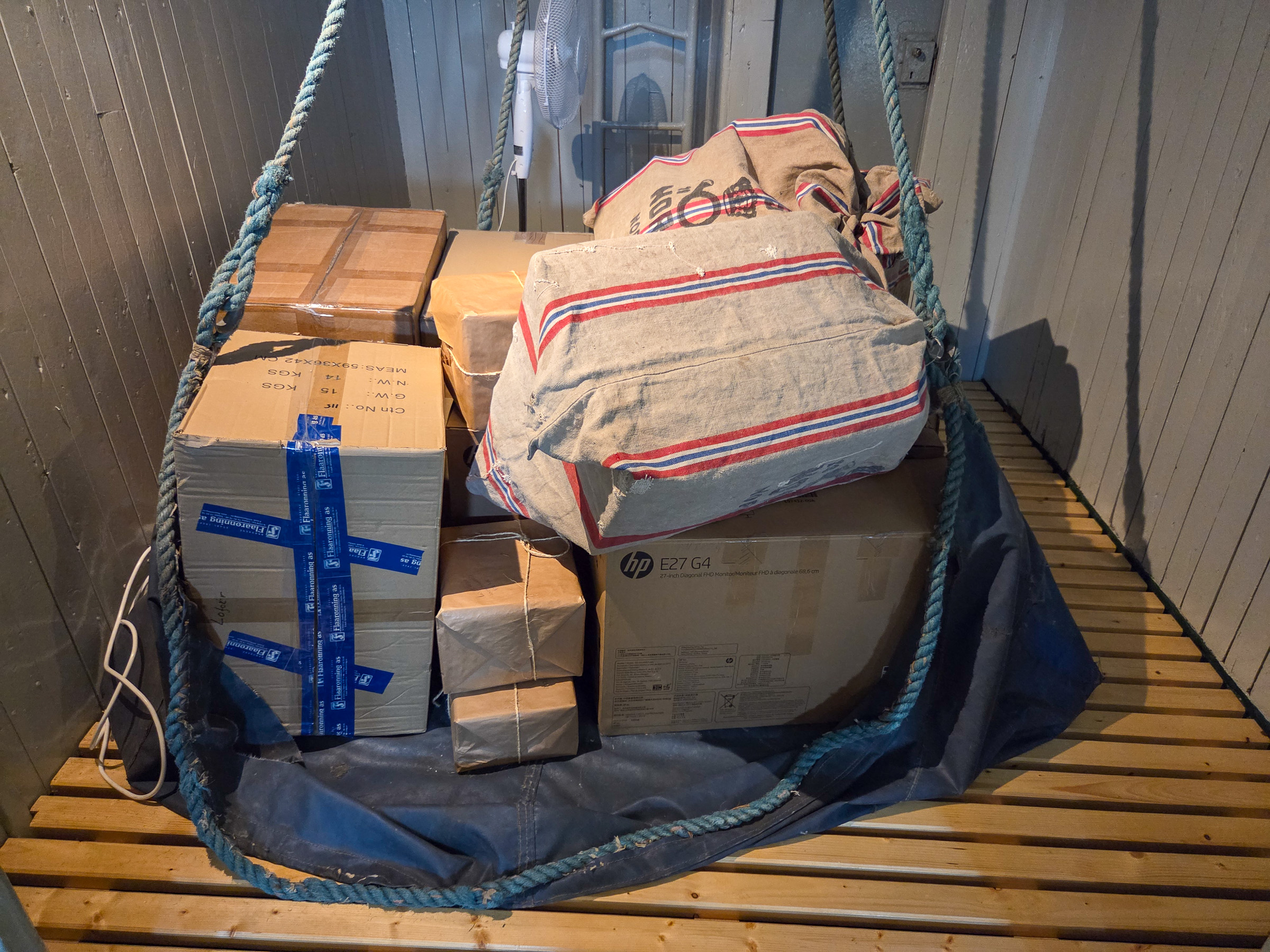
Stokmarknes is the birthplace of the Hurtigruten, and the associated museum houses, alongside interesting photographs and texts, a complete former coastal express ship: Finnmarken 2. We wander through the corridors, visit the post office, and enjoy sandwiches and cake in the dining hall. The exhibition powerfully illustrates how important the Hurtigruten was for the people of Northern Norway: a reliable and regular connection to the rest of the country for goods, parcels, mail, and passengers.
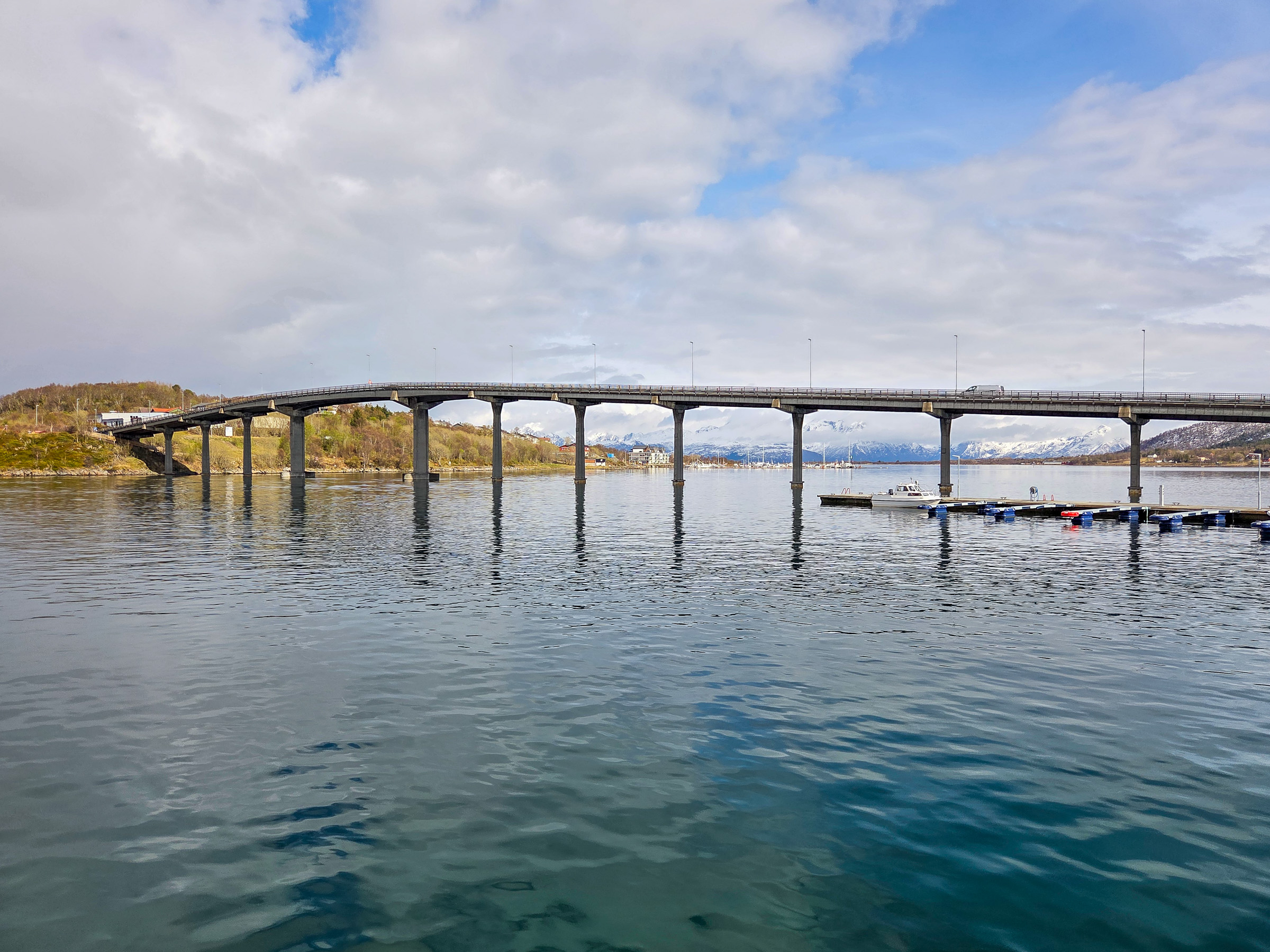
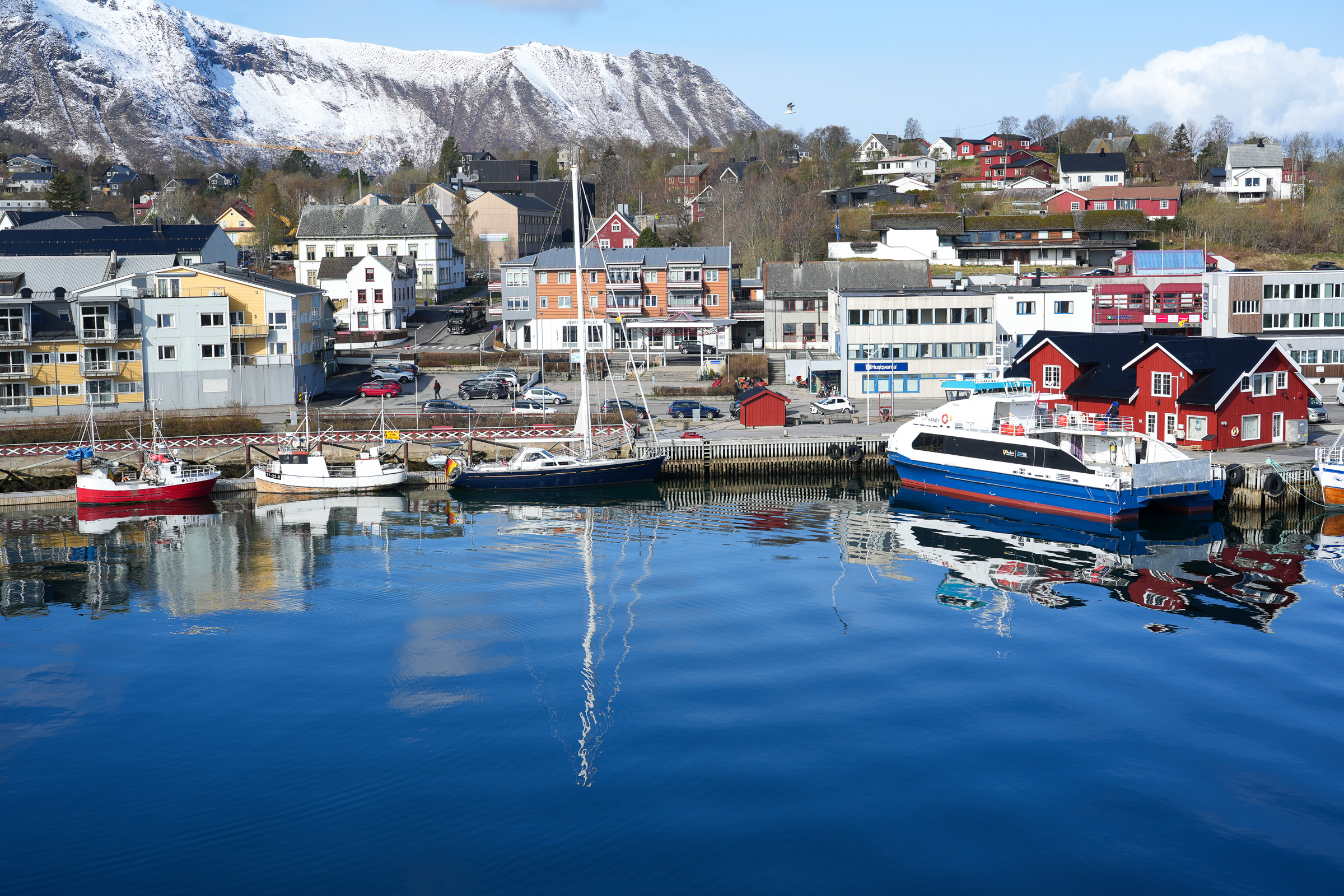
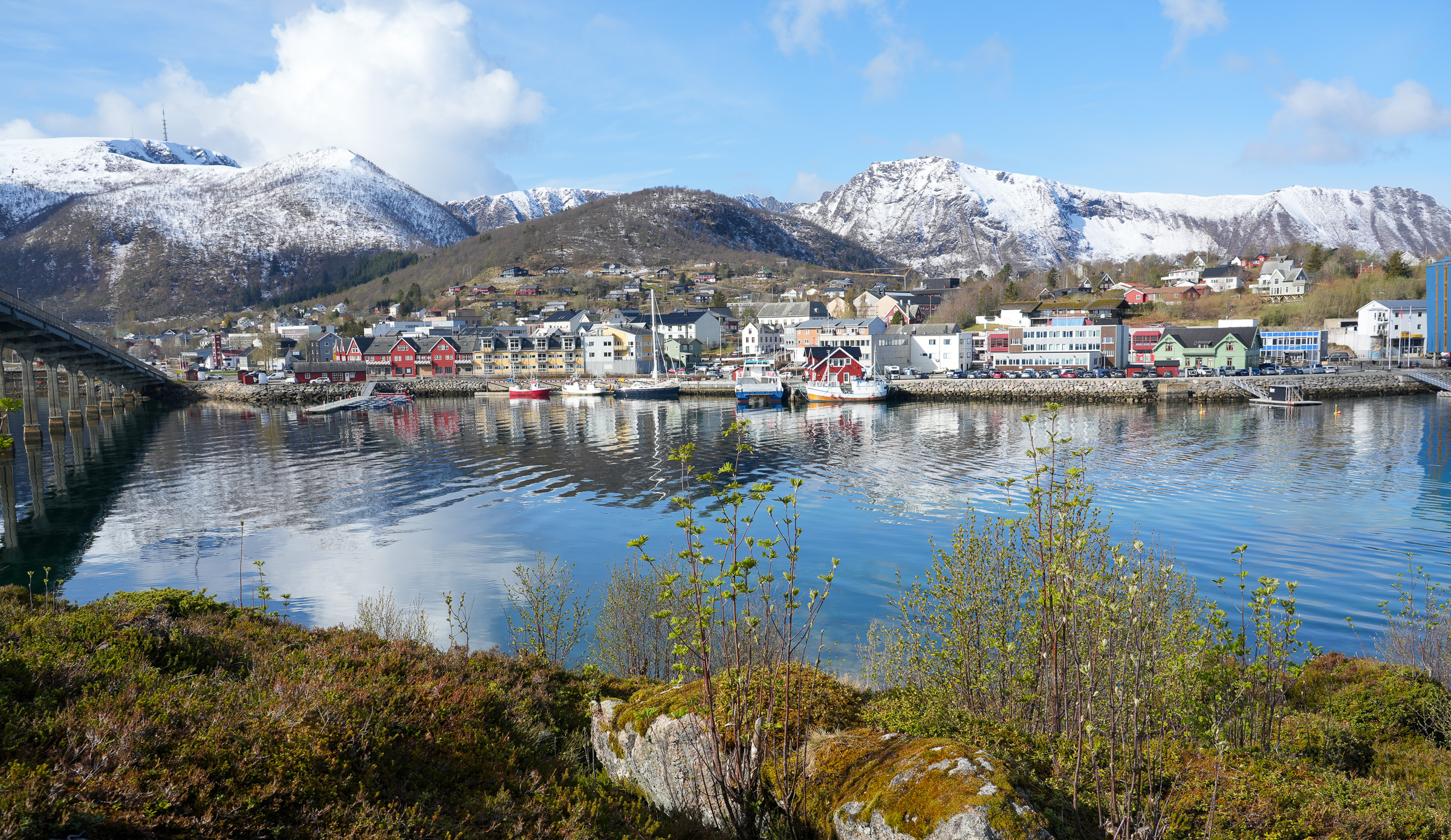
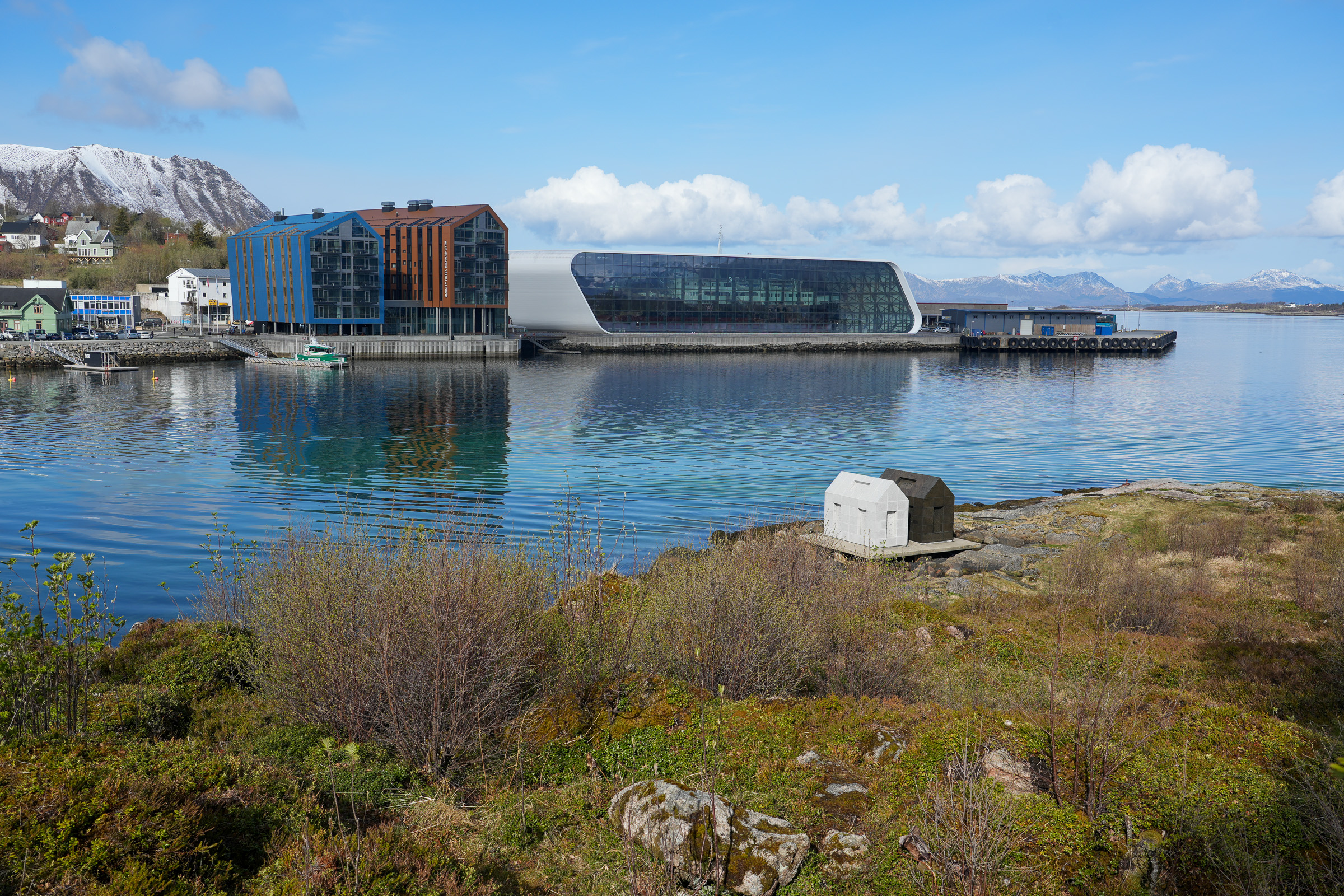
The following day is bright and sunny. We make a short detour across the bridge at Stokmarknes to view the museum – also architecturally striking – from the other side. We then cover the short distance to Sortland. The “blue town” itself feels rather unremarkable, but it offers good shopping opportunities and is surrounded by a striking mountain panorama, still covered in white.
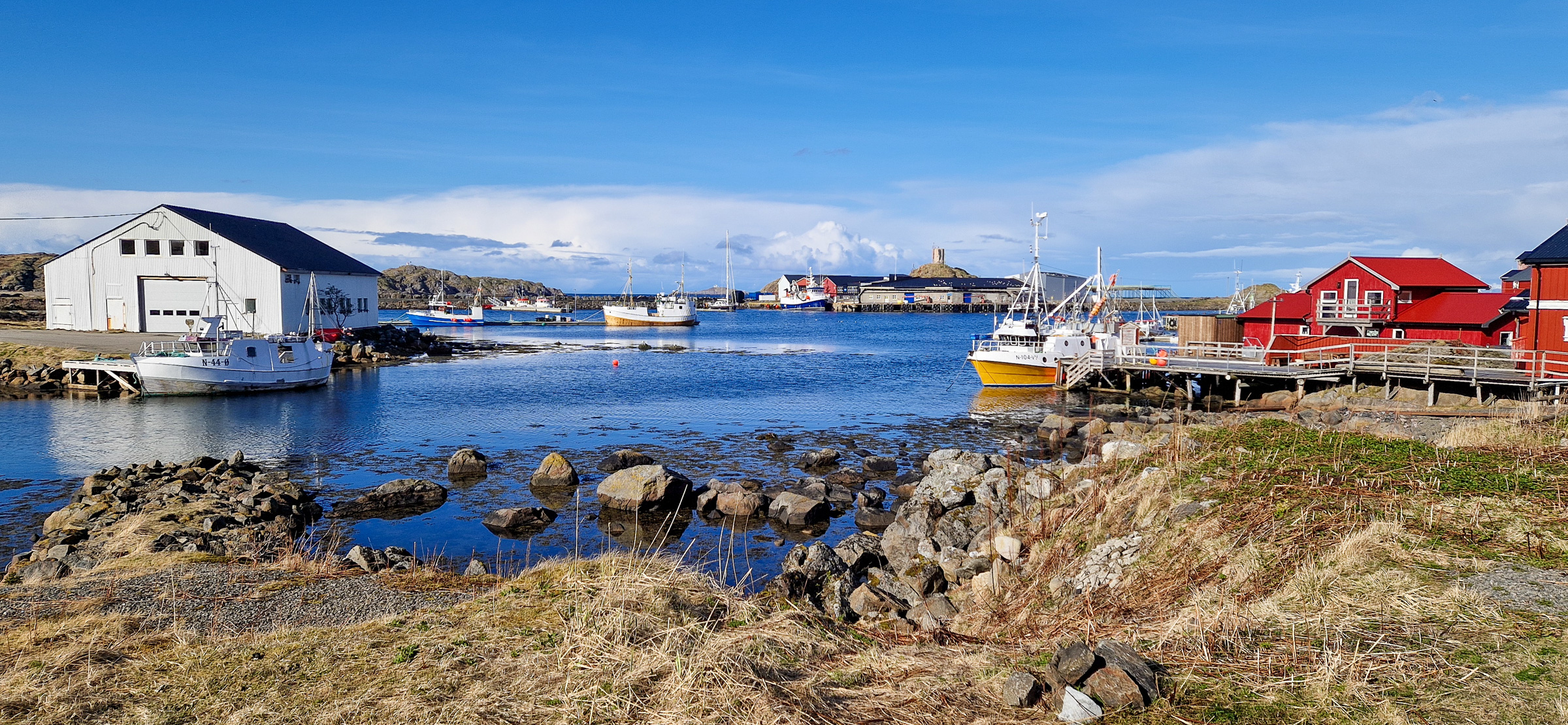
Next, we head to the northern tip of Langøya to Stø. In passing rain showers and strong gusts we come alongside. There is no proper guest pier, so we ask a fisherman where we can moor. He kindly directs us to a quay, and we shift Anori once more. Hardly have we made fast when the cloud cover breaks and the sun comes out. A good sign for the following day, when we plan to walk the Dronningsruta – the Queen’s Route from Stø to Nyksund.
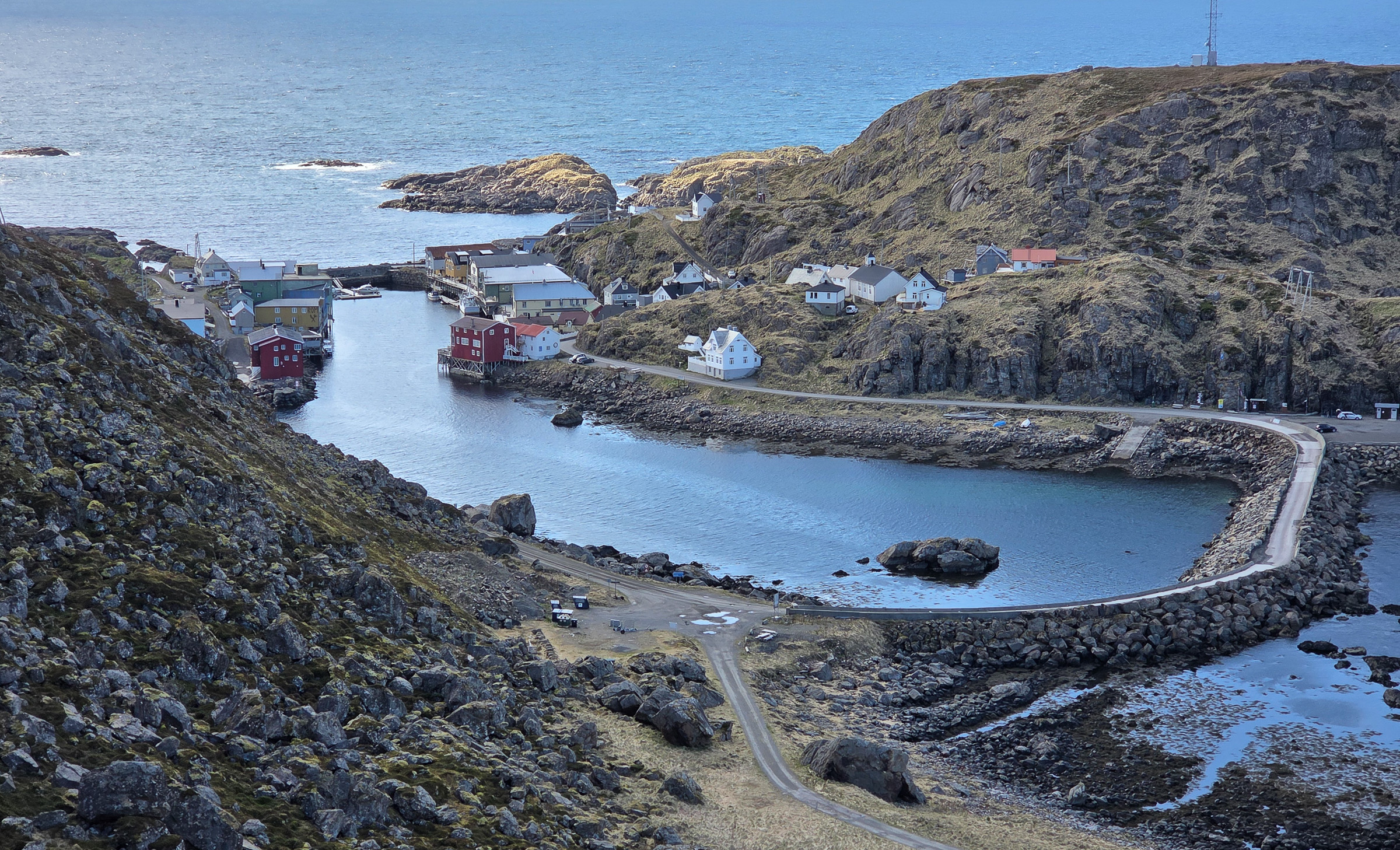
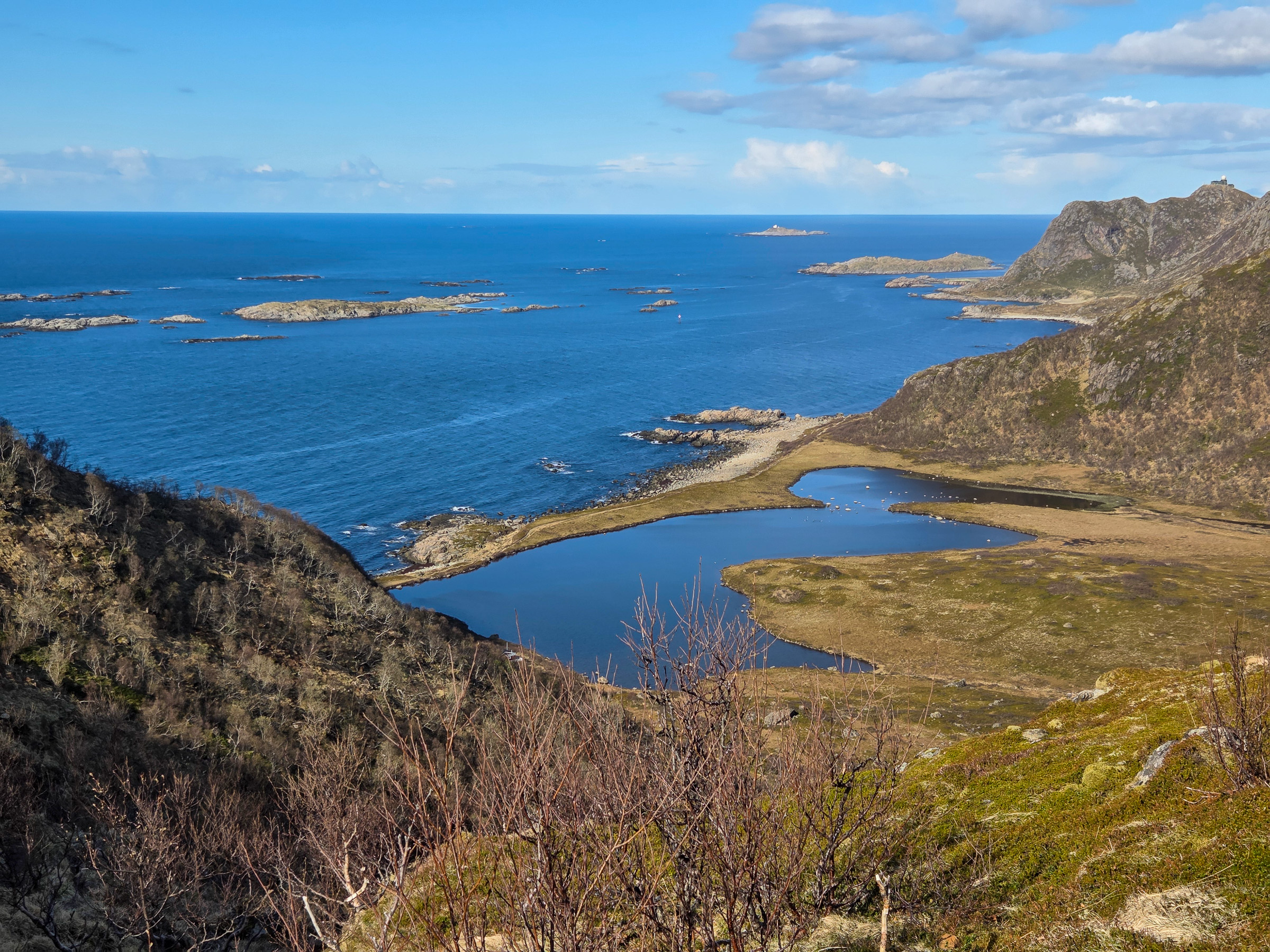
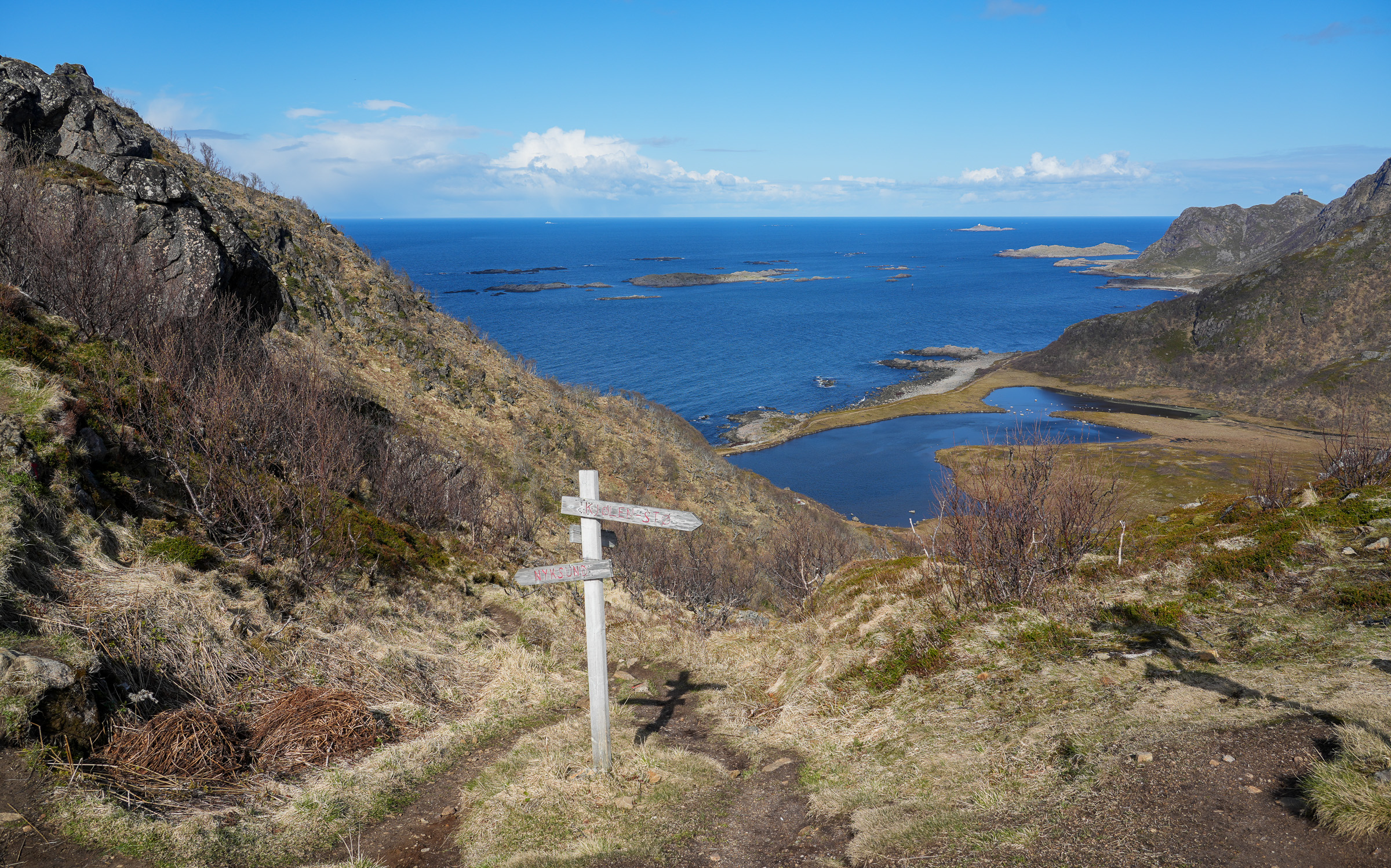
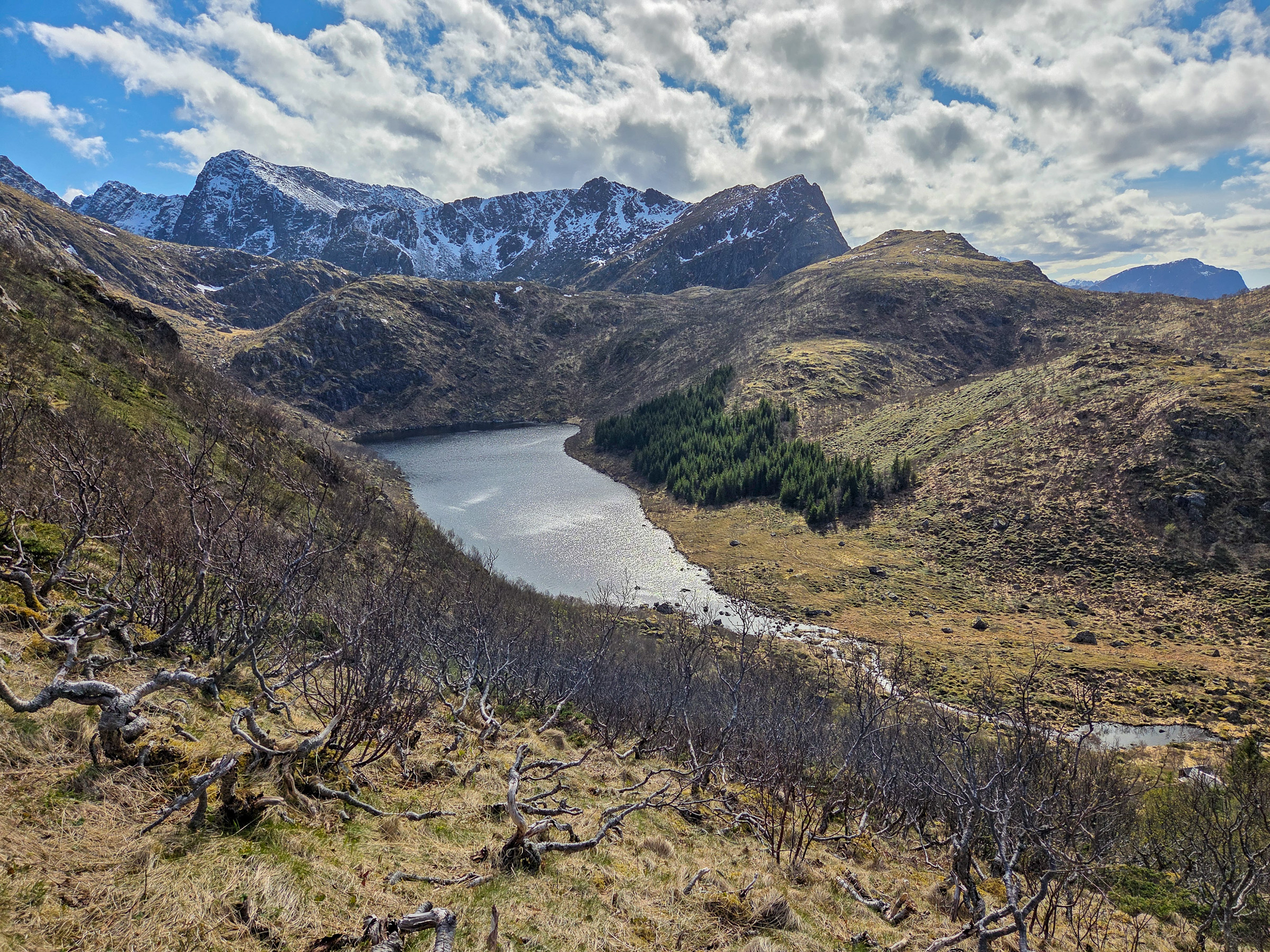
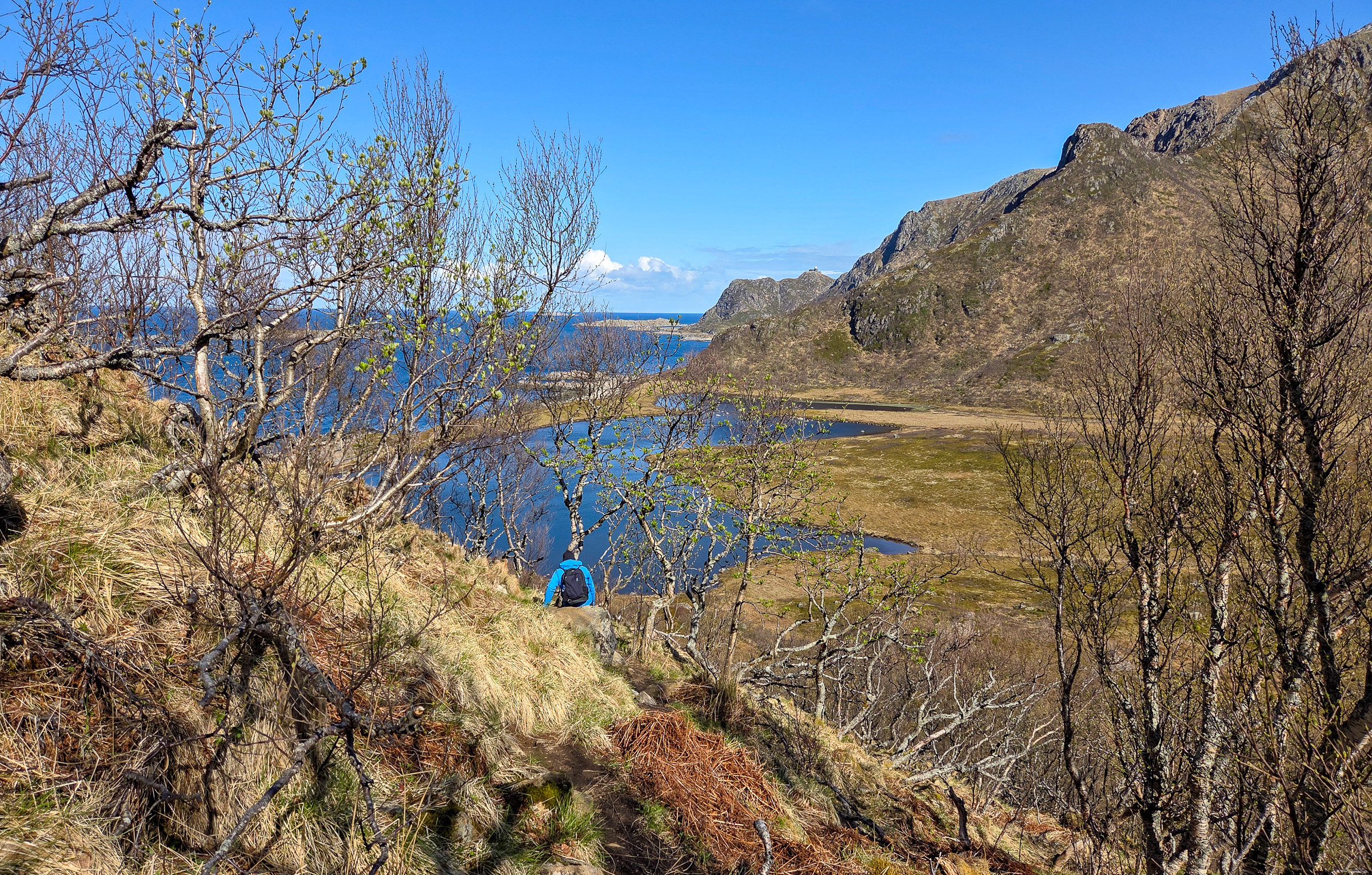
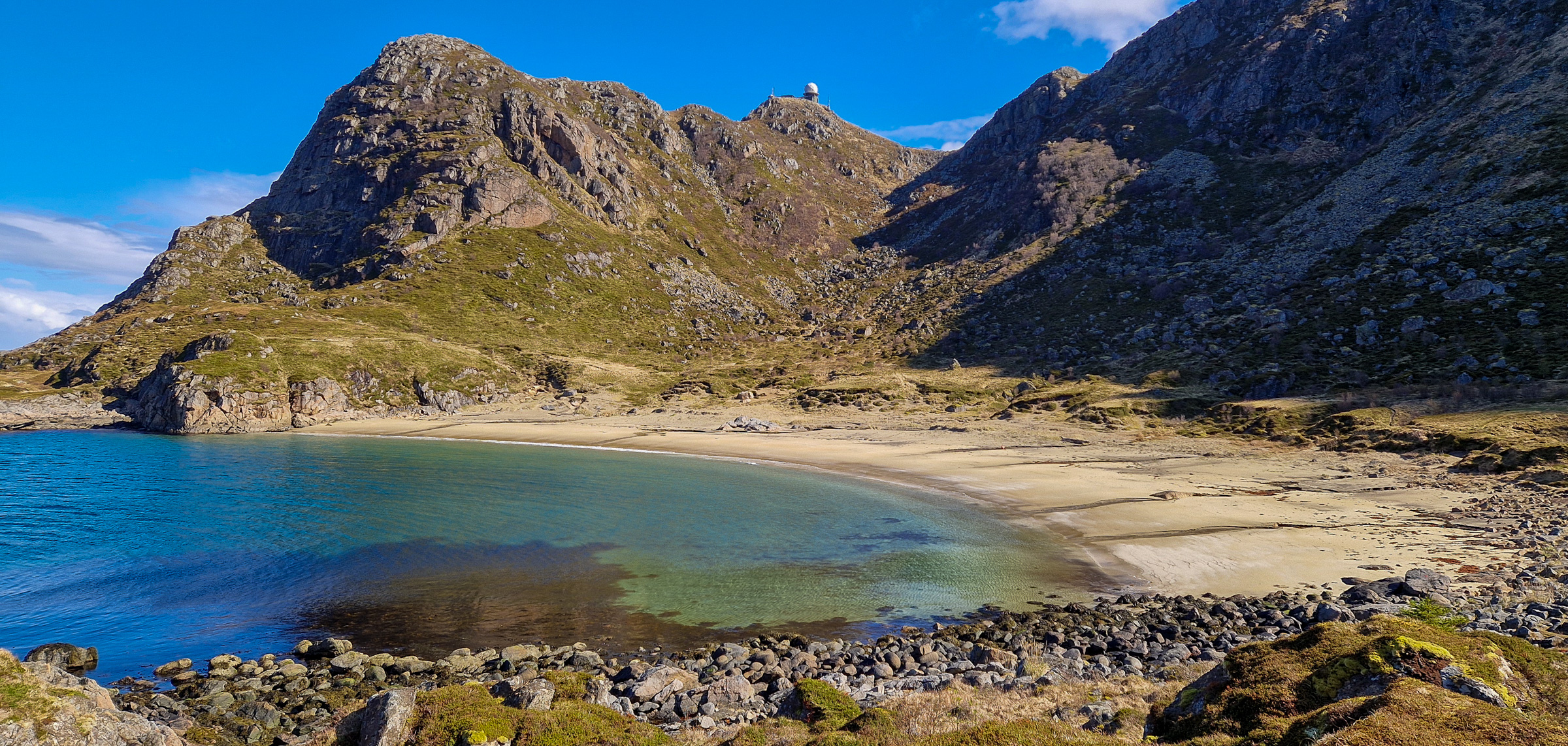
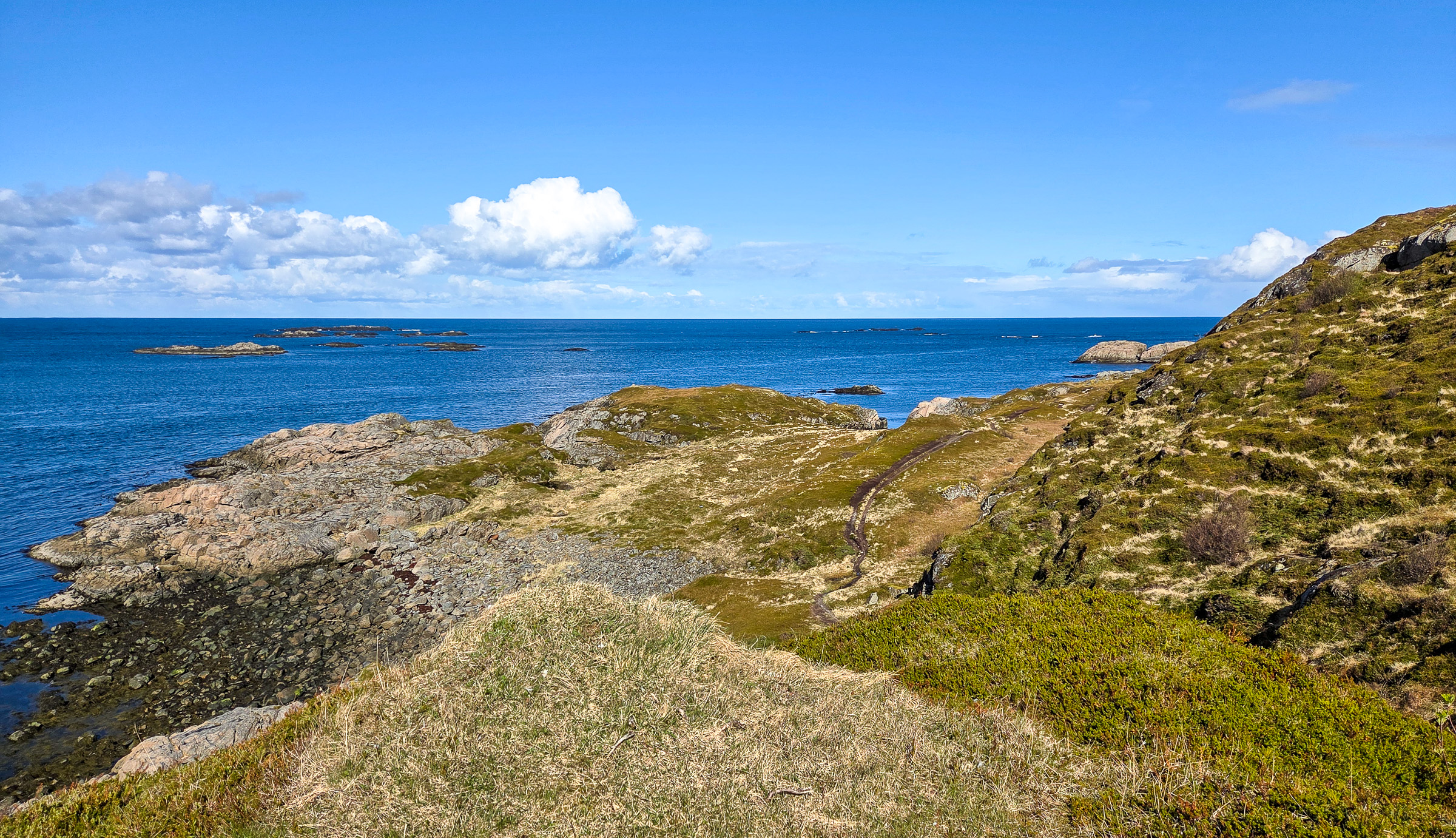
In the morning another heavy snow shower passes through, but afterwards the sun holds steady for the rest of the day, bathing the landscape in bright light. As we set off, we meet a couple just putting up the flagpole outside their house. We lend a hand for a moment and learn that 8 May marks Liberation Day (Frigjøringsdagen) and Veterans’ Day (Veterandagen) in Norway, when flags are raised in commemoration. They also advise us against the mountain section of the route, as there may still be snow and icy patches. So we choose the coastal path instead. It is more than enough for us at 14 kilometres and 350 metres of ascent. At the junction near Nyksund we are rewarded with a magnificent view, and the entire route along the coastline is strikingly beautiful.
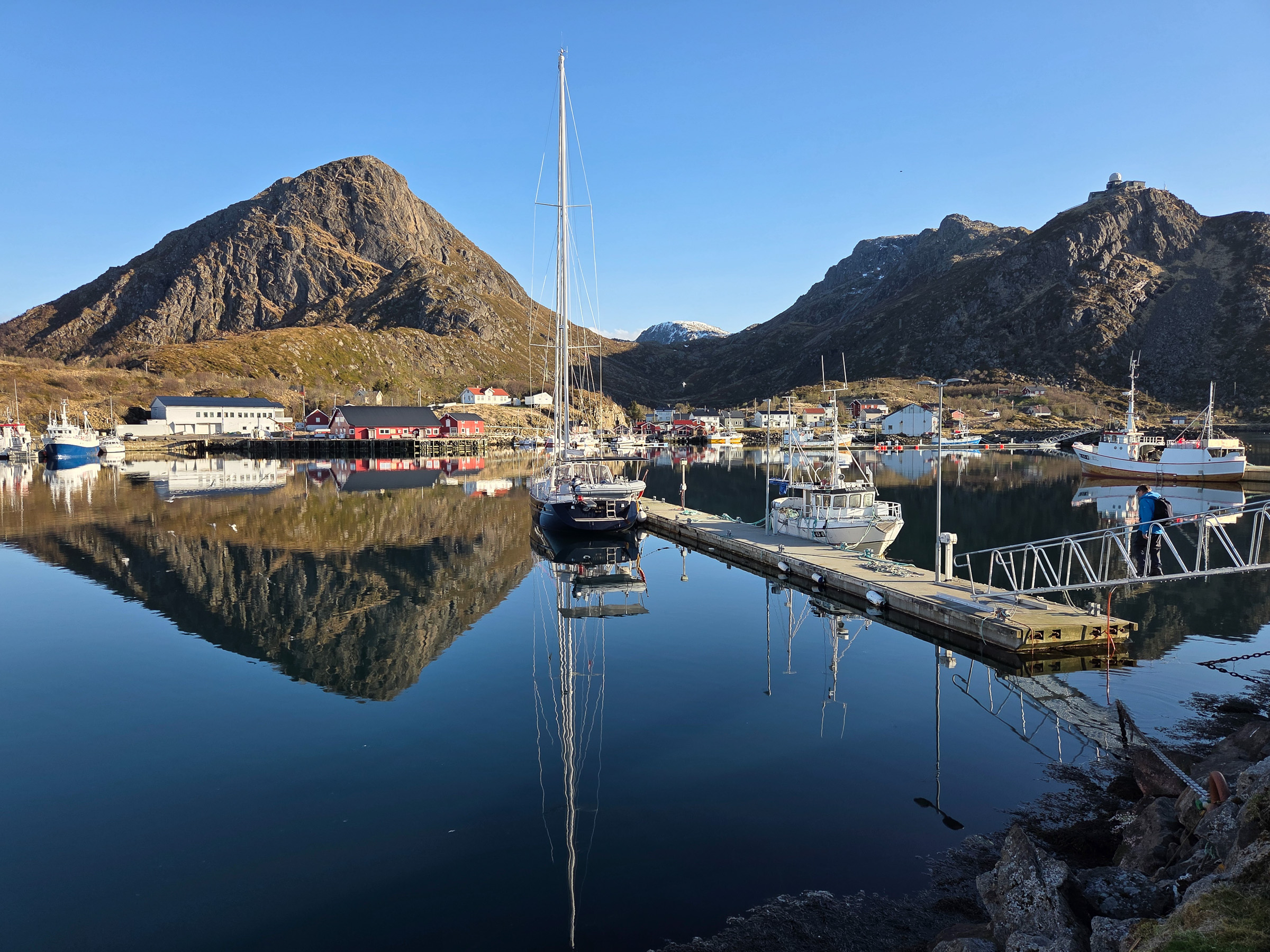
We leave Stø and set course for the northernmost town in the Vesterålen, Andenes, at the northern tip of Andøya. Before coming alongside, we make a detour to the Bleik Canyon in the hope of spotting whales. But either we are not in the right place, or the whales simply do not feel like appearing today. We continue on empty-handed to Andenes, where once again the guest pier is packed with fishing boats. We have to call on the harbour master, who assigns us a spot along the high wooden quay. There is no shore power, but with a tidal range of only about 60 centimetres we manage well with slightly slack lines.
The next morning the world looks friendlier again. The sun is out, and Andenes shows itself from its better side. We stroll into town. It is Sunday, so most shops and museums are closed. Fortunately, the Polar Museum is open. The young man working there also takes us up to the lighthouse and later prepares fresh waffles for us. Afterwards we wander a little through the streets and down to the water to take in the view towards the neighbouring island of Senja.
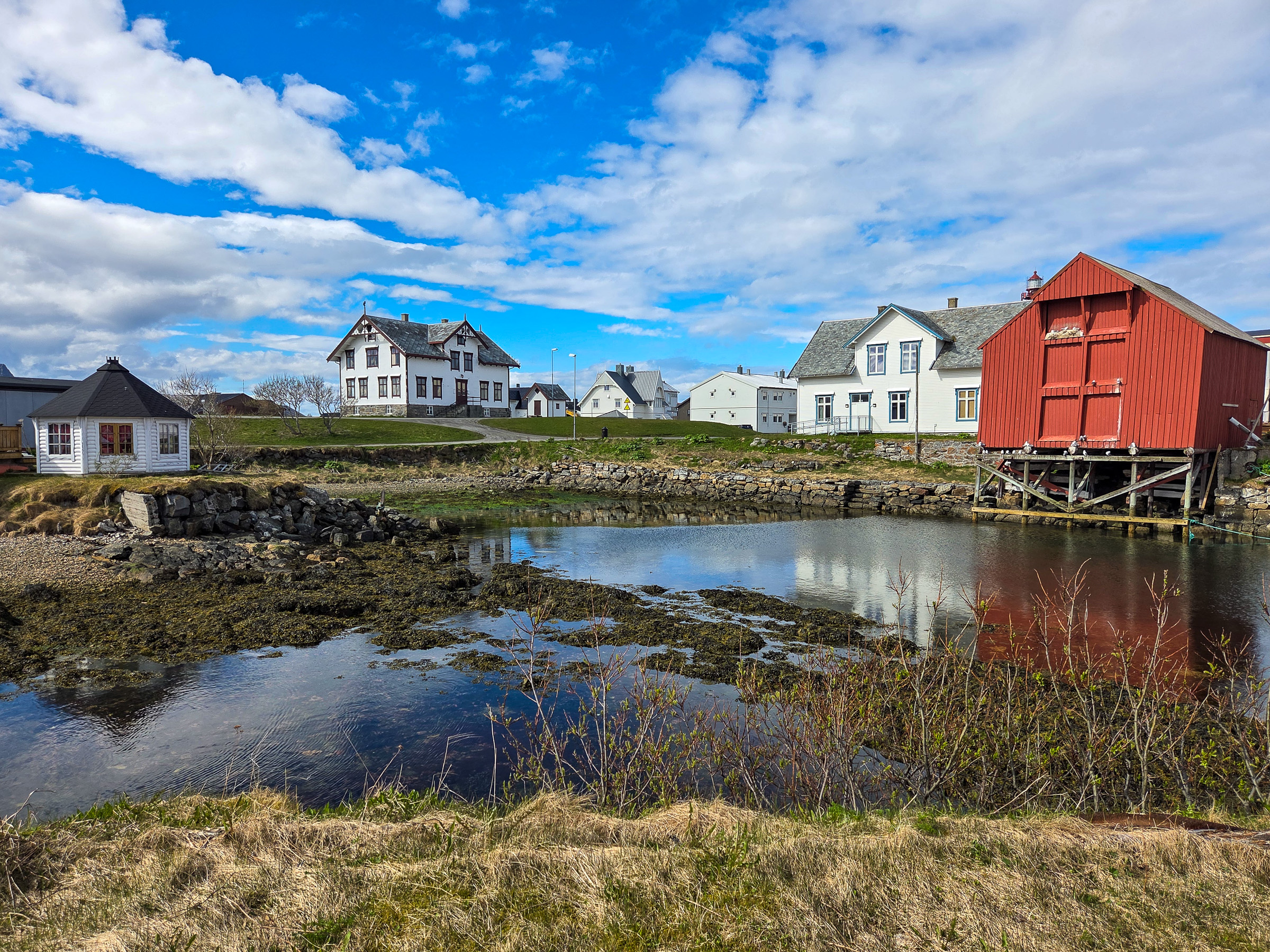
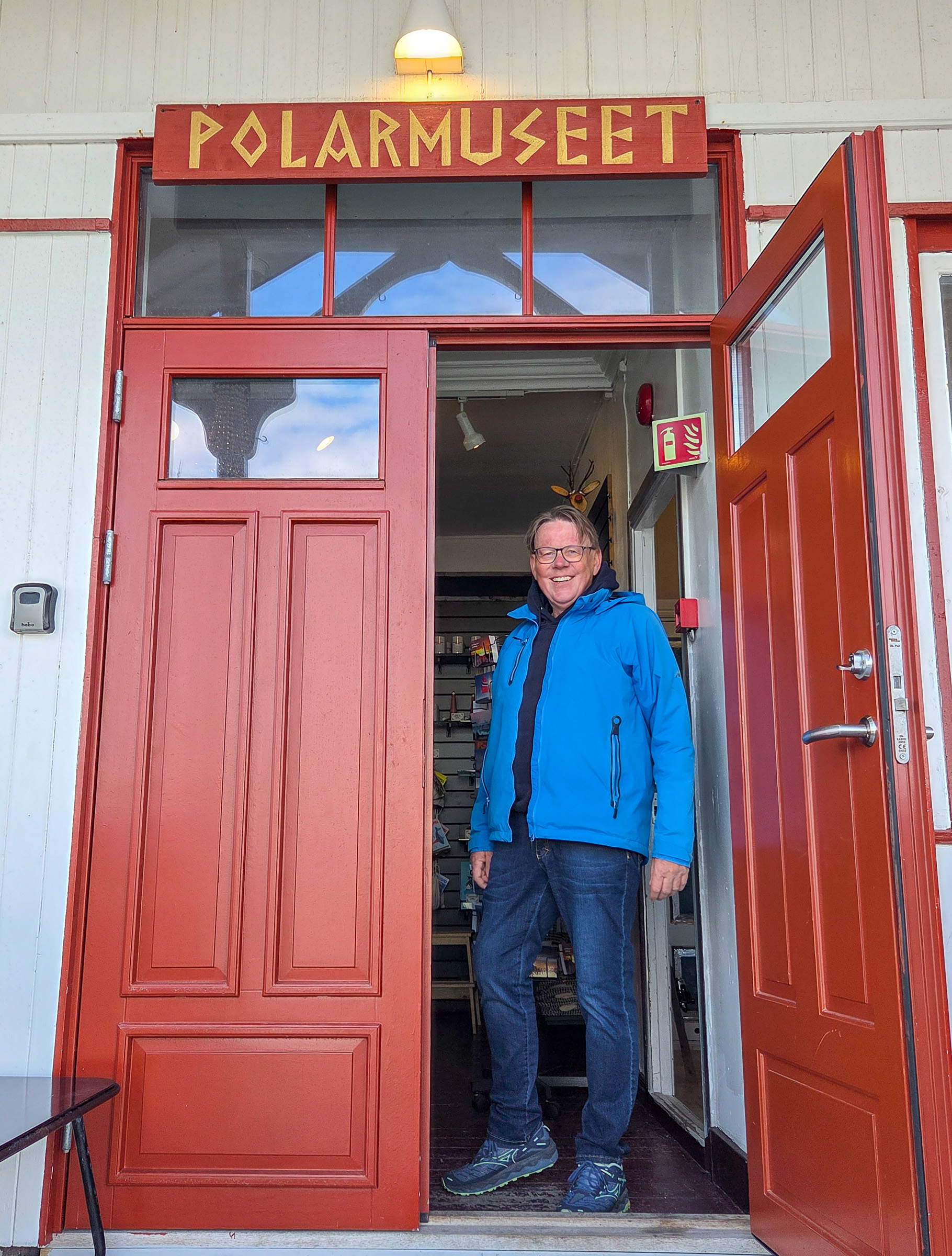
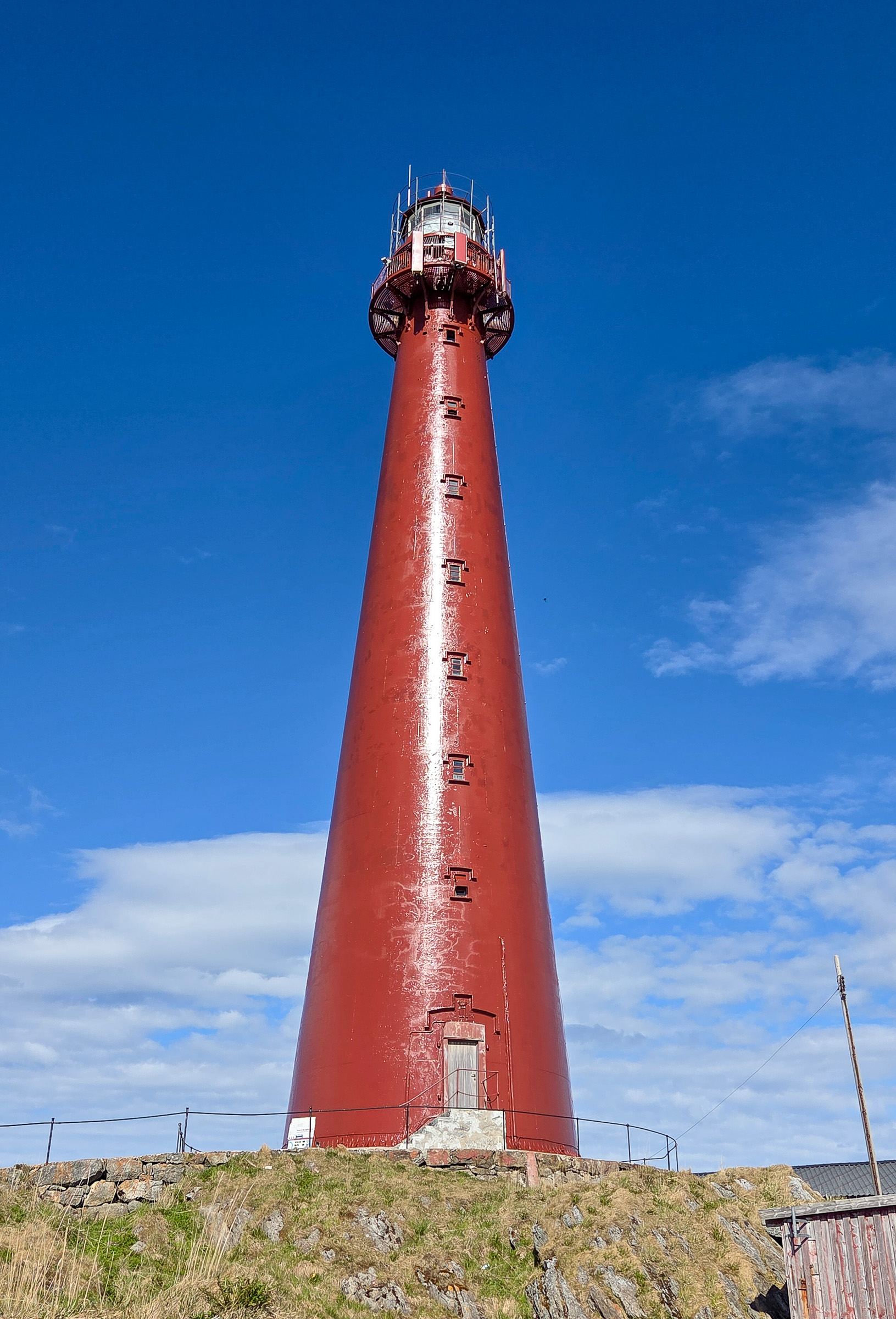
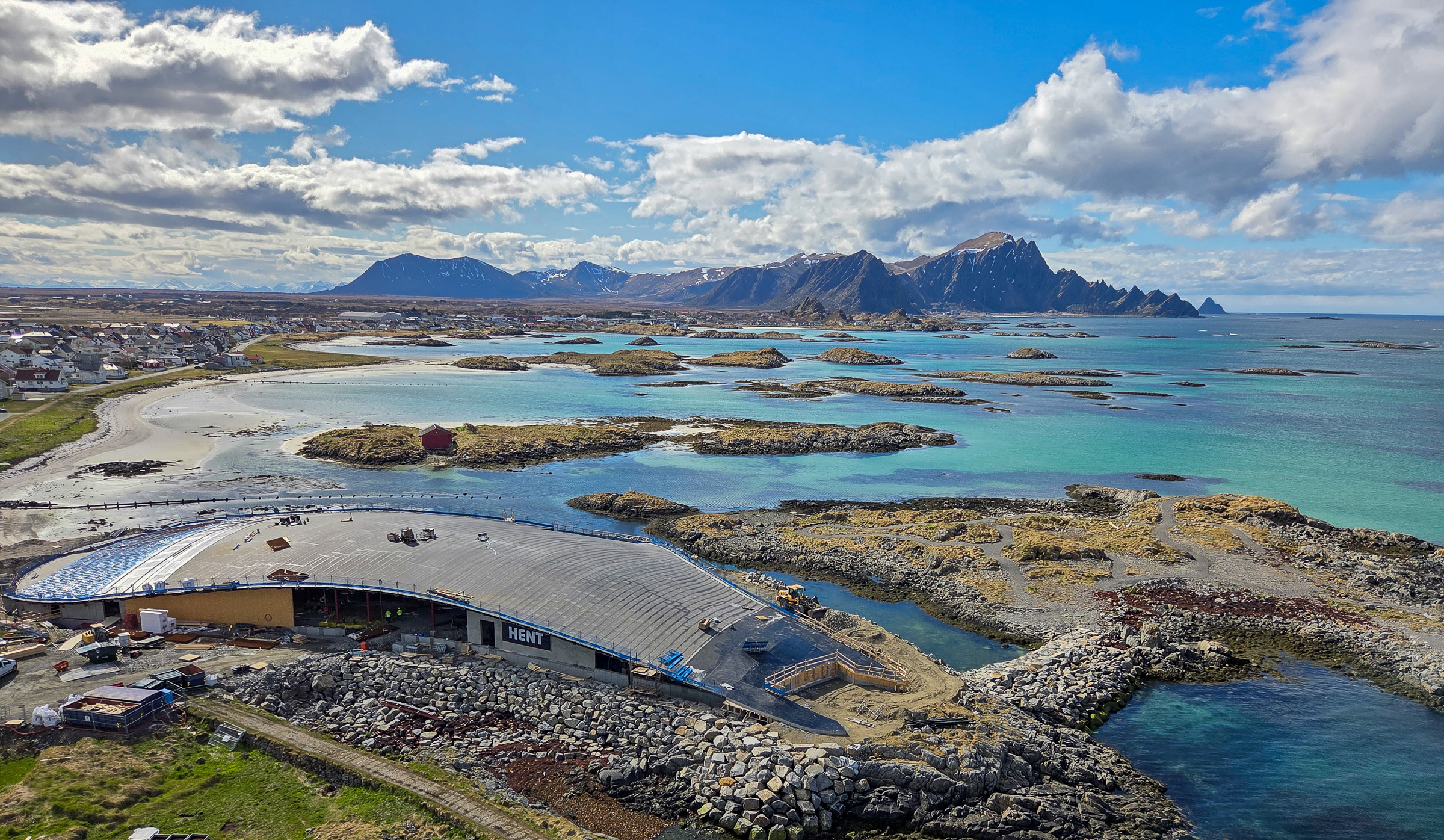
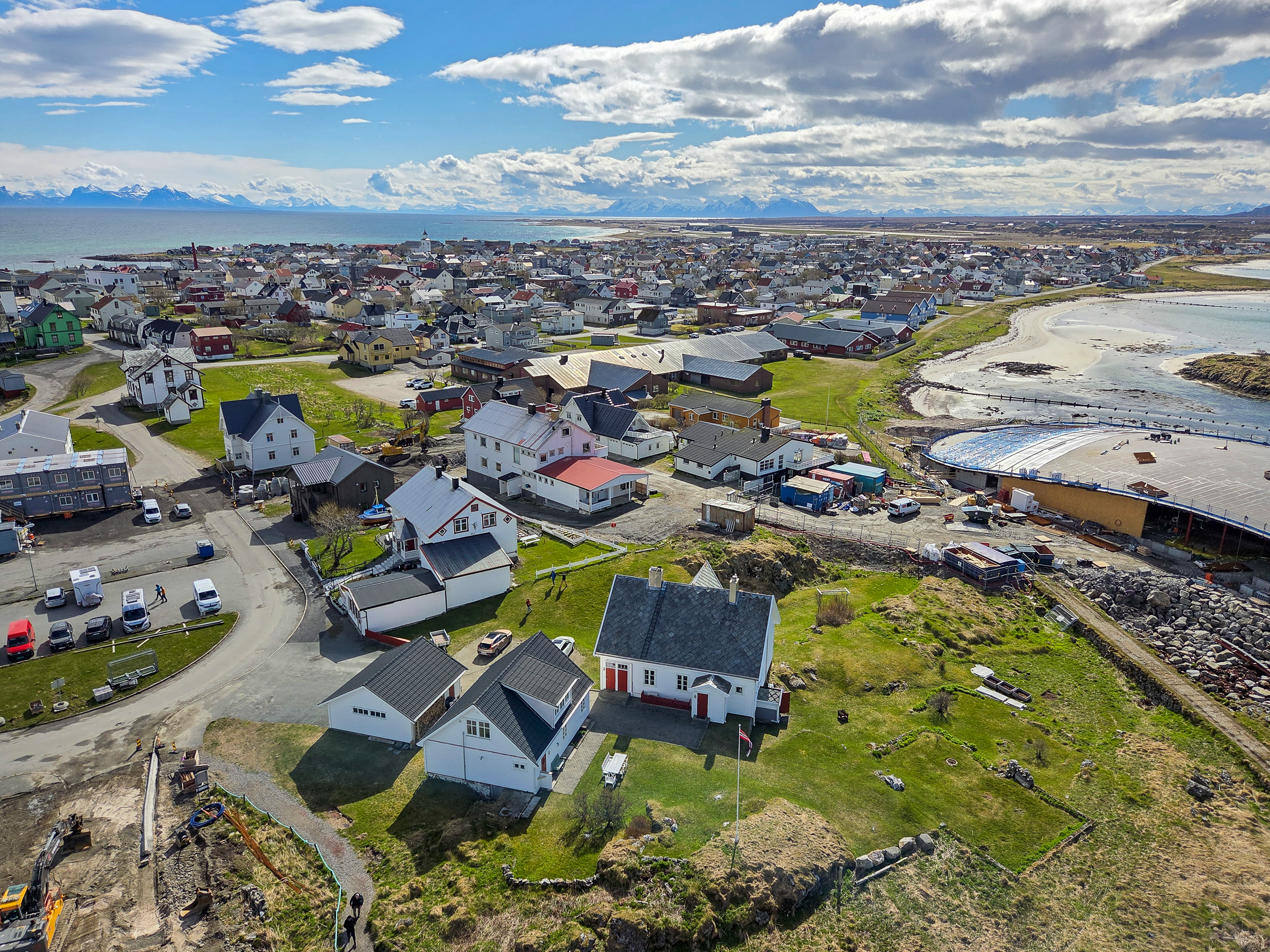
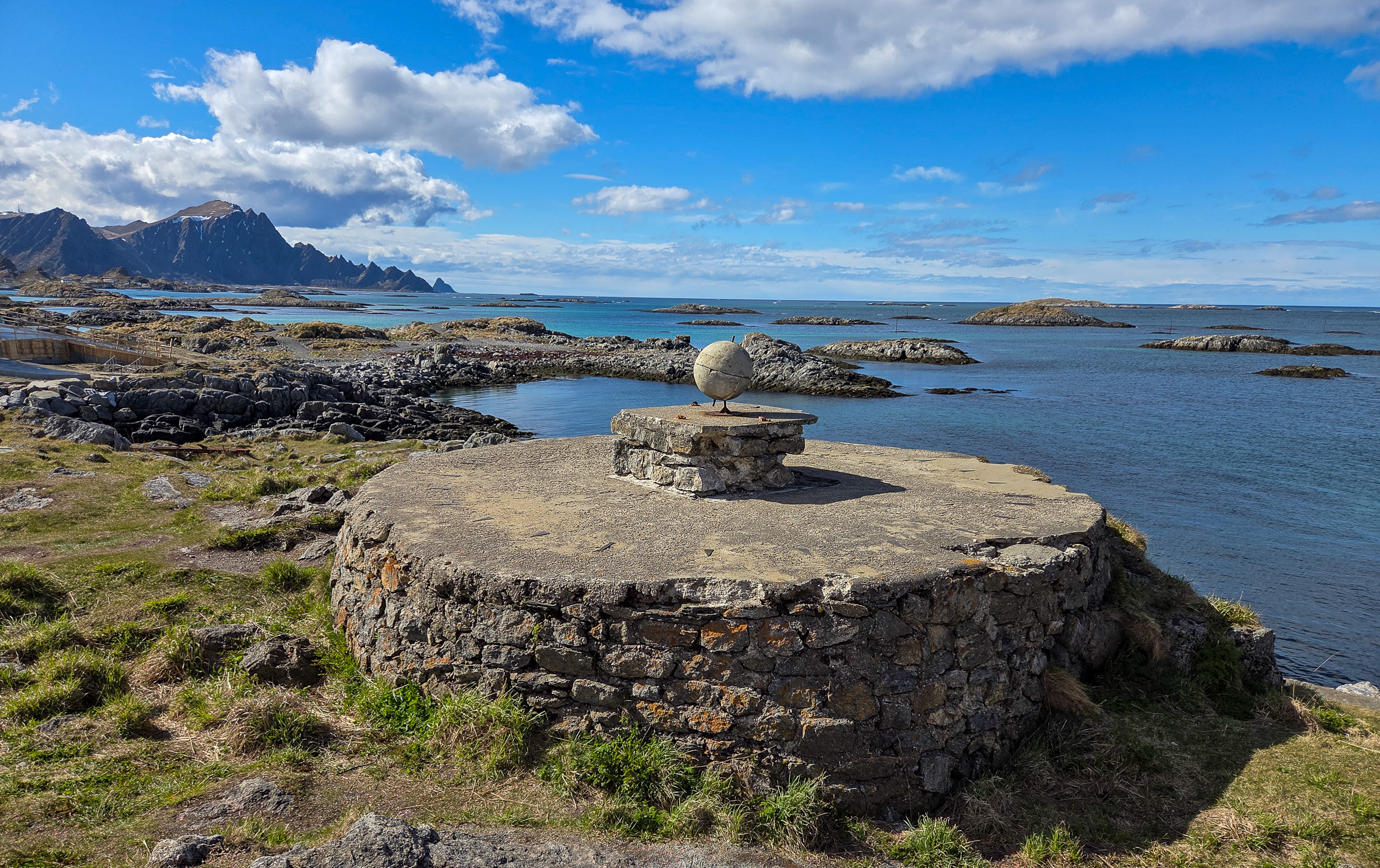
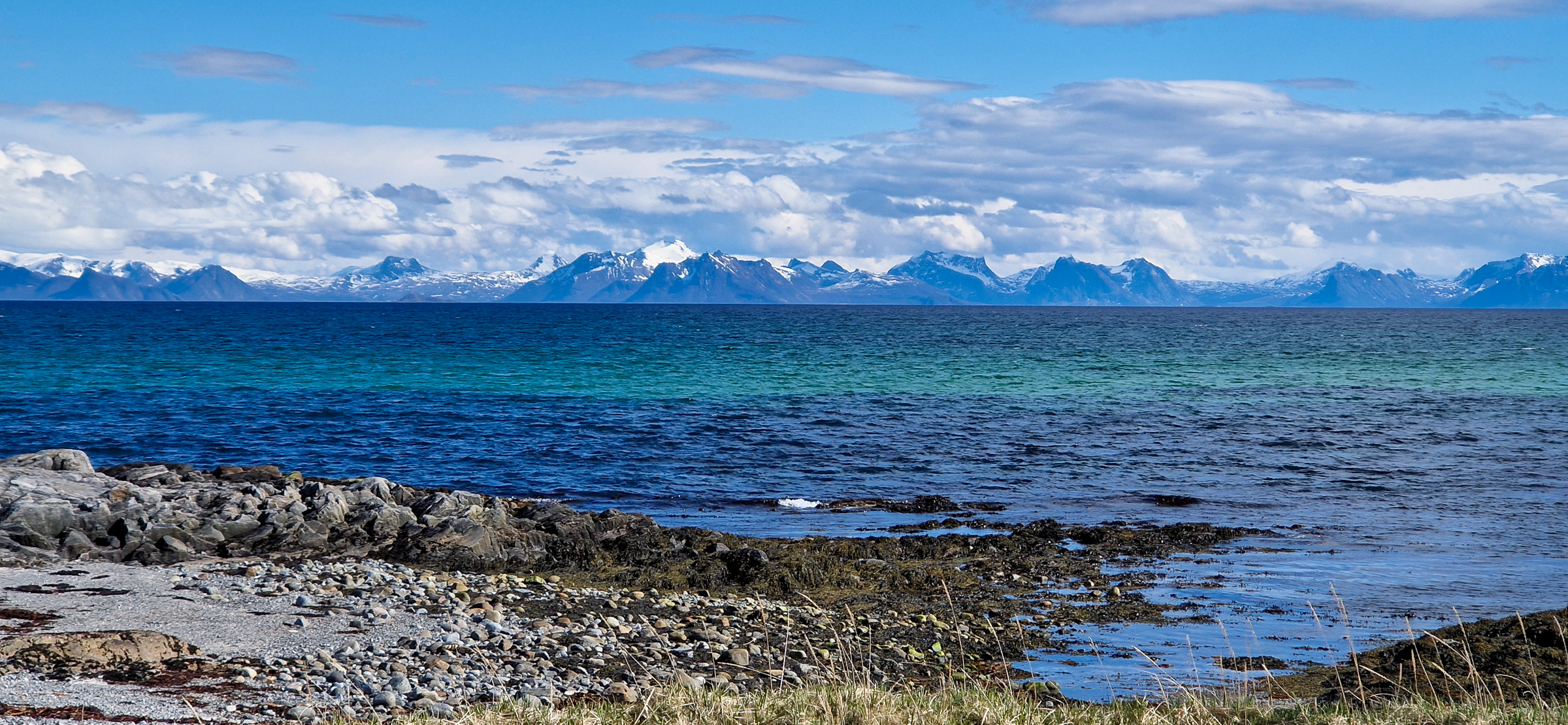
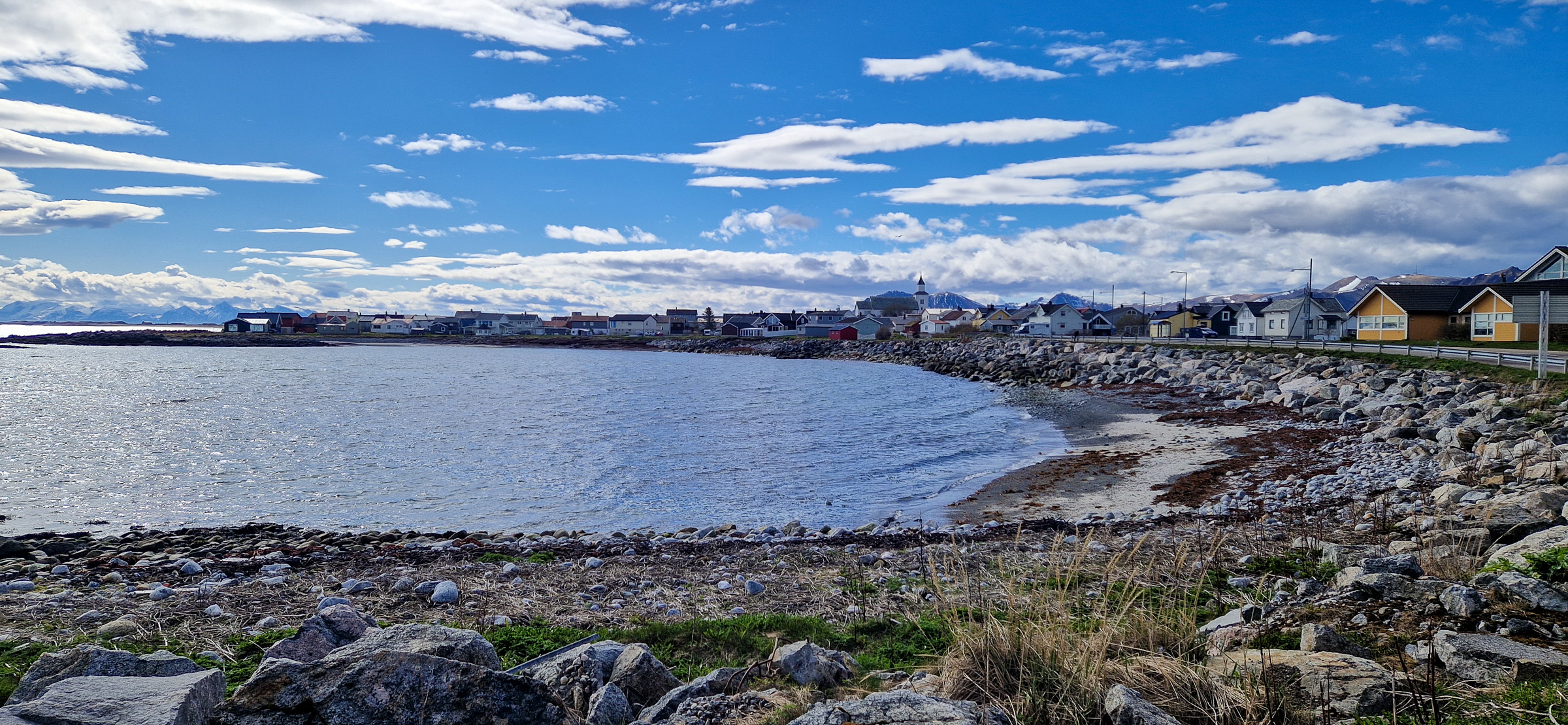
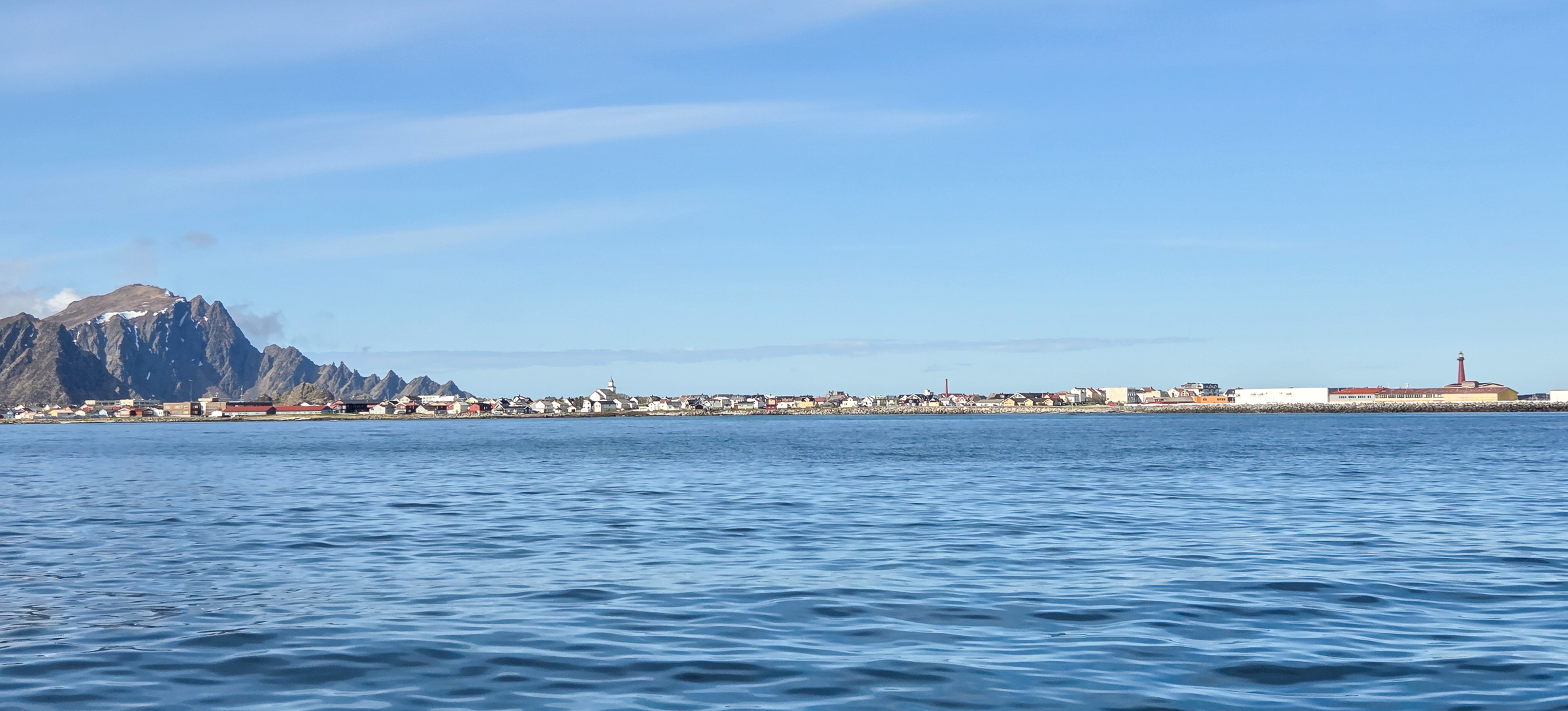
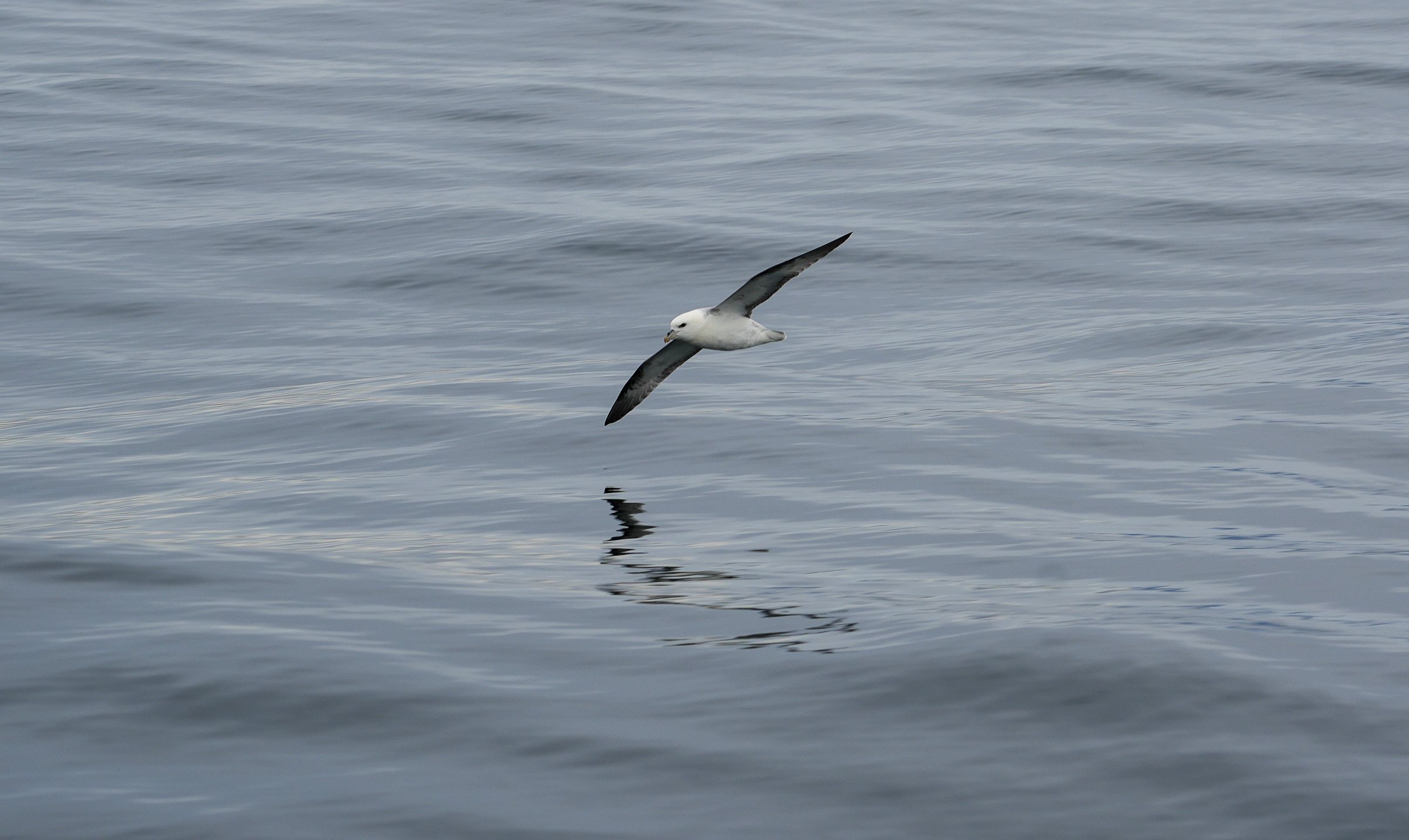
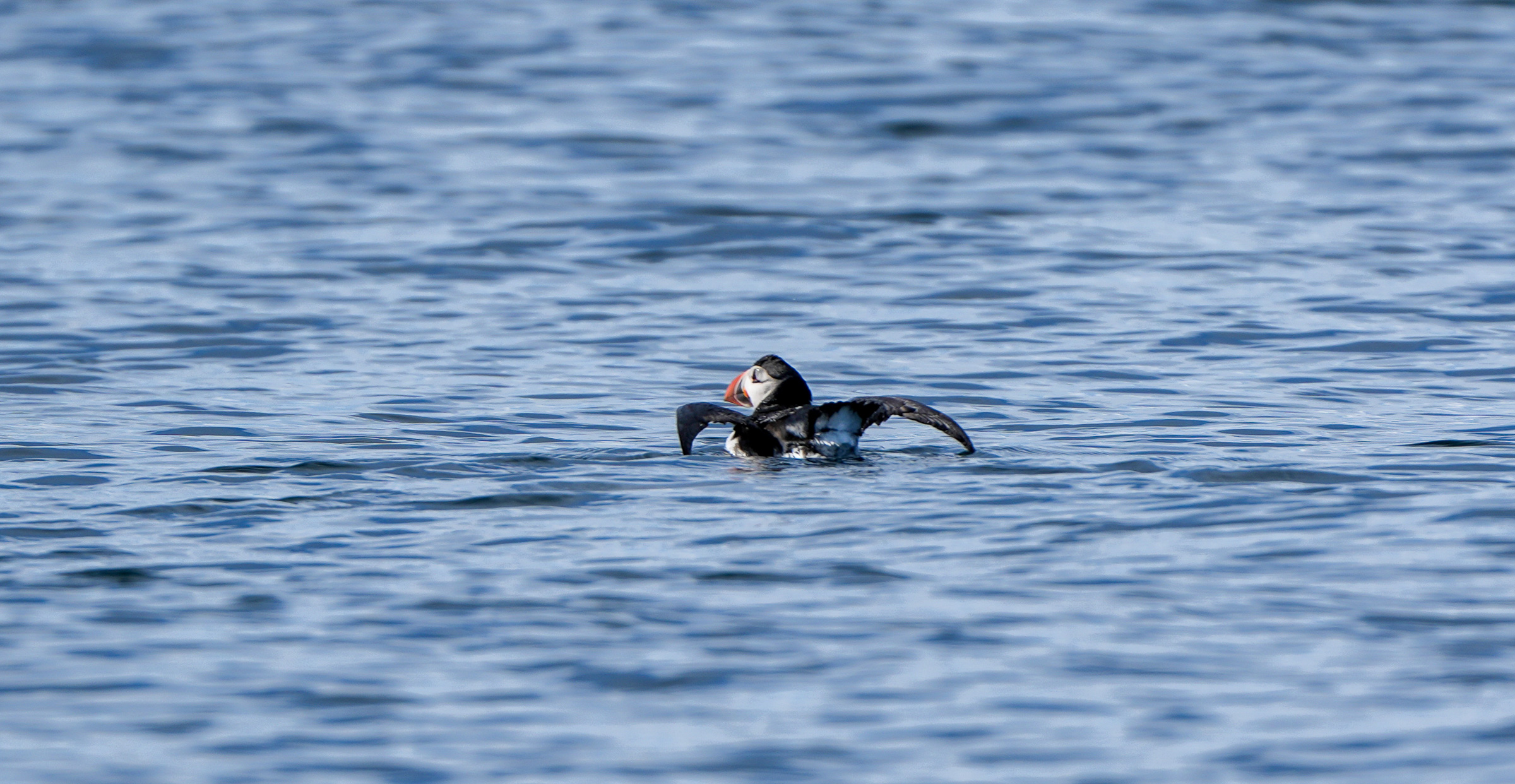
The whale watching tours do not start until 15 May, so we have already made the most of the sights in Andenes on this Sunday by early afternoon, especially as the clouds are signalling more showers to come.
We think we might use the time to quickly do a load of laundry. Unfortunately, our washing machine has not survived the winter on board in the water very well. When we open the inlet valve, water runs straight through to the bilge, and the electronics no longer respond to the power button. We shut off the valves and fuses immediately. Klaus opens the machine and identifies a three-way solenoid valve as the culprit. It appears to have frozen during winter and then burst.
Instead of spending the afternoon in peace, we find ourselves wiping, drying, and carrying out technical work around the washing machine. Another item for the future winterisation checklist: filling the washing machine with antifreeze. We order the spare part and have it sent to the TO service base in Tromsø.
Our next destination is therefore a harbour with a washing machine, so we can deal with the damp clothes as soon as possible. We choose the nearby Senjafjordhotell, just a short hop away, and leave the Vesterålen for now. But the whales remain on the to-do list for later.
Leave a reply